
When choosing a baby travel bed, the most critical safety certifications to look for are EN 716 (the European standard for folding cots) and ASTM F406 (the US standard for non-full-size baby cribs and playards). These certifications guarantee that an independent, third-party laboratory has physically tested the portable bed for structural stability, secure locking mechanisms, fabric breathability, and non-toxic materials. Understanding these standards allows parents to look past marketing claims and select a sleep space that protects their infant from physical hazards.
A baby travel bed must balance portability with structural safety. Because these beds are designed to fold, pack, and travel, they require specialized engineering to ensure they remain rigid and secure during use. Independent testing verifies that a product can withstand the physical demands of travel without compromising your baby’s safety.
Why Independent Safety Testing Matters for Travel Beds
A portable sleep space is fundamentally different from a standard wooden nursery crib. While a traditional crib remains stationary and rigid, a travel bed must fold, bend, and fit into a compact carrying bag. This requirement for flexibility introduces unique mechanical vulnerabilities that do not exist in permanent furniture.
Products mentioned in this guide
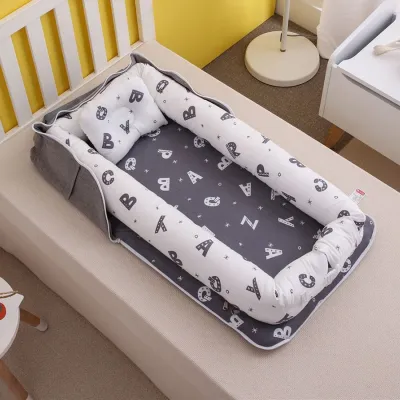
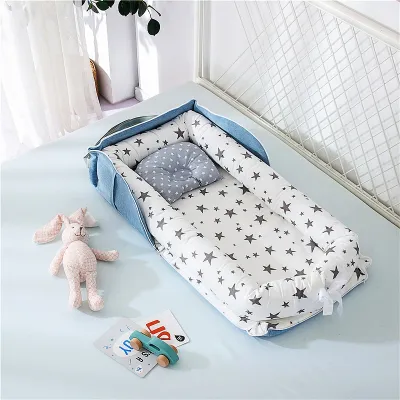
![[SG Stock]Brotish Multifunctional 2 Layer Portable Infant Baby Cot Playpen Travel Cot Bed Double-deck Playpen Sleep Bed](https://img.lazcdn.com/g/p/9306630fe674b3e82e74c940f19a16cd.jpg_400x400q80.jpg_.webp)
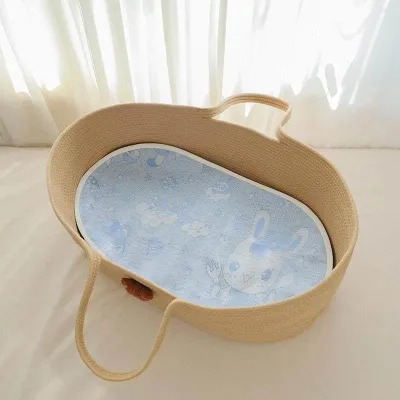
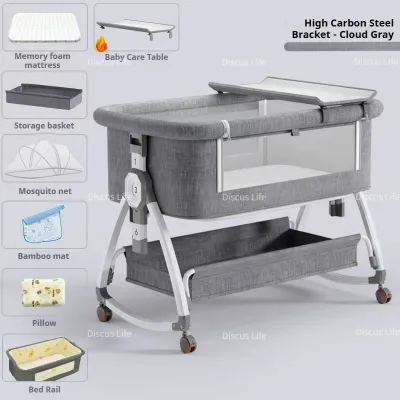
Prices are valid at publication and may change. Please refer to the product page for the latest price.
One of the primary hazards associated with portable beds is folding mechanism failure. If a joint or hinge slips while a child is inside, the frame can collapse inward. This sudden collapse can trap a sleeping infant, leading to severe injury or suffocation.
Side rail collapse is another significant risk. If a side rail fails to lock securely, it can bend downward under a baby’s weight. This can cause the baby to roll out of the bed or become wedged between the mattress and the collapsed frame.
Mesh entrapment and mattress fit are also critical concerns. Portable beds often use lightweight, flexible fabrics and thin mattresses. If the mattress does not fit perfectly within the fabric enclosure, or if the fabric stretches too easily, dangerous gaps can form. A baby can slide into these gaps and become trapped.
Independent safety testing ensures that these mechanical and physical risks are systematically evaluated before a product reaches the market. Independent laboratories use specialized testing rigs to simulate years of heavy use, ensuring that hinges, locks, and fabrics can withstand real-world forces.
Marketing terms like “baby-safe,” “premium quality,” or “pediatrician-approved” are unregulated and do not guarantee safety. These labels are created by brand marketing departments and are not substitutes for verified laboratory testing. Only a certified test report against recognized standards proves a product’s structural integrity.
Key Safety Frameworks and the Hazards They Address
When shopping for a baby travel bed, you will encounter various international safety frameworks on product labels. Because many products are imported from around the world, understanding these global standards is essential for evaluating a bed’s safety.

The two most prominent frameworks are the European Standards (EN) and the American Society for Testing and Materials (ASTM) standards. These frameworks establish strict testing protocols for every aspect of a portable bed’s design, from the strength of the frame to the chemical composition of the fabrics.
Structural Integrity and Folding Mechanisms
The physical frame of a travel bed must be robust enough to support a growing, active child. Standards like ASTM F406 and EN 716 focus heavily on the mechanical stability of the folding frame.
These standards require that any folding mechanism must feature a dual-action lock. This means the bed cannot be folded by a single push or pull; instead, it requires a specific, sequential combination of forces to unlock. This design prevents accidental collapse if a sibling bumps into the bed or if the baby moves vigorously inside.
Hinge durability is tested by repeating the folding and unfolding process thousands of times under laboratory conditions. This ensures that the joints do not wear down or become loose over time, which could lead to unexpected structural failure.
Finger entrapment tests are also mandatory. Laboratories use specialized probes to check every joint, hinge, and gap in the frame. These probes ensure there are no openings between 5 mm and 12 mm where a baby’s tiny fingers or toes could become pinched, crushed, or trapped.
Side rail height and strength are strictly regulated. As babies develop the ability to pull themselves up, the side rails must be high enough to prevent them from falling out. The standards define a minimum height from the top of the mattress to the top of the rail, and the rails are subjected to heavy downward and outward forces to ensure they do not bend or buckle.
When evaluating a product, look for physical compliance marks stamped directly onto the frame or printed on the fabric warning labels. These marks indicate that the specific model has undergone rigorous mechanical testing.
Chemical and Material Safety
Babies spend a significant amount of time in close contact with the fabrics, plastics, and foams of their travel bed. Teething infants frequently chew on the top rails, making chemical safety a paramount concern.
Regulatory frameworks like the Consumer Product Safety Improvement Act (CPSIA) in the United States and the Registration, Evaluation, Authorisation and Restriction of Chemicals (REACH) regulation in Europe set strict limits on toxic substances in children’s products.
These regulations restrict the use of heavy metals, such as lead, in paints and plastics. Lead exposure is highly toxic to developing brains, and strict testing ensures that no accessible part of the travel bed contains harmful levels of this metal.
Phthalates, which are chemical plasticizers used to make plastics flexible, are also heavily restricted. These chemicals can disrupt endocrine systems, and certified products must use alternative, non-toxic plasticizers.
Flame retardants are another critical area of concern. Historically, polyurethane foam mattresses were treated with chemical flame retardants to meet flammability standards. However, many of these chemicals can off-gas and pose health risks. Modern safety standards encourage the use of naturally flame-resistant materials or non-toxic chemical alternatives.
To verify material safety, look for independent textile certifications such as OEKO-TEX Standard 100 or CertiPUR-US for the mattress foam. These certifications verify that the materials have been tested for a wide range of harmful substances and are safe for direct skin contact. Always check for third-party lab certificates or specific “free-from” claims backed by verifiable testing rather than relying on vague brand promises.
Breathability and Sleep Surface Firmness
The design of the sleep surface and the surrounding walls is directly linked to preventing Sudden Infant Death Syndrome (SIDS) and accidental suffocation.
Safety standards require that the side walls of a travel bed be constructed primarily of breathable mesh. This mesh must undergo airflow testing to ensure that if a baby rolls over and presses their face against the side, they can still breathe. The mesh openings must also be small enough to prevent buttons, fingers, or toes from getting caught.
Mattress firmness is evaluated using standardized testing probes that simulate the weight and shape of an infant’s head. A mattress that is too soft can conform to a baby’s face if they roll onto their stomach, blocking their airway. Certified mattresses are engineered to remain firm and flat under load.
The fit of the mattress within the frame is subjected to strict dimensional testing. There must be no gaps between the mattress edge and the fabric walls that could allow a baby’s head or body to slip underneath. If a gap is too wide, it creates a severe wedging hazard.
A certified travel bed is designed and tested as a complete, integrated system. The specific mattress provided by the manufacturer is the only sleep surface that has been certified for use with that frame. Replacing it with a different mattress voids the safety certification and introduces significant risks.
How to Verify Safety Claims When Shopping
In diverse retail markets, parents often purchase travel beds from physical stores, local online retailers, or international e-commerce platforms. Verifying safety claims requires a proactive approach to ensure you are buying a genuinely compliant product.
First, inspect the physical product, its packaging, or the instruction manual for specific standard reference numbers. For travel beds, look for references to EN 716-1 (European standard for folding cots) or ASTM F406 (US standard for non-full-size cribs). If the product is manufactured for the Australian or New Zealand market, look for AS/NZS 2195.
Second, be highly skeptical of vague marketing language. If a product listing claims the bed is “safety tested,” “certified,” or “meets all standards” without naming the specific standard (such as ASTM F406) or the independent testing laboratory (such as SGS, TÜV Rheinland, or Intertek), the claim may be meaningless. Genuine certifications always reference a specific, traceable standard.
Third, visit the manufacturer’s official website to look for downloadable safety documentation. Reputable brands typically provide a Children’s Product Certificate (CPC) for products sold in the US, or an EC Declaration of Conformity for products sold in Europe. These documents list the exact standards tested, the date of testing, and the specific laboratory that conducted the evaluation.
Fourth, if you are shopping online and cannot find clear certification details, contact the seller or brand directly. Request a copy of the third-party laboratory test report or the certificate of compliance. A reputable seller will readily provide this documentation. If a seller is evasive or cannot provide proof of testing, it is safest to choose a different product.
Critical Setup Rules That Certifications Cannot Fix
While independent certifications guarantee that a travel bed is engineered safely, they cannot prevent accidents caused by improper setup or usage. Parents must follow strict safety practices to maintain the integrity of the sleep space.
Never add aftermarket mattresses, pillows, or extra padding. This is one of the most common and dangerous mistakes parents make. Because travel bed mattresses are designed to be thin and firm for safety, parents often worry they are uncomfortable and add a thicker mattress, a folded duvet, or a soft topper. Doing so completely voids the product’s safety certification. It creates soft surfaces and dangerous gaps along the flexible mesh sides where a baby can become trapped and suffocate. Always use only the mattress supplied by the manufacturer.
Fully engage and double-check all locking mechanisms. When assembling the travel bed, follow the manufacturer’s instructions precisely. Most models require you to lock the top rails into place before pushing down the center floor hub. Once assembled, give each rail a firm downward push and shake the frame gently to verify that every lock is fully engaged. A partially locked rail can collapse under a baby’s weight.
Strictly adhere to manufacturer limits. Check the product documentation for the specific age, weight, and height limits. These limits are not suggestions; they are the boundaries within which the product was safety tested. Stop using the travel bed immediately once your child reaches the maximum weight limit, or when they reach 89 cm in height, or when they can climb out of the bed.
Position the bed safely in the room. Place the travel bed well away from windows, blinds, curtains, electrical outlets, and baby monitor cords. A baby can reach through the mesh or pull themselves up to grab these items, creating a severe strangulation or choking hazard.
When to Retire a Travel Bed: Signs of Wear and Recall Checks
A travel bed’s safety can degrade over time, especially with frequent packing, unpacking, and transit. Regular inspections are essential to ensure the bed remains safe for your child.
Identify clear stop-use signals. Inspect the bed before every use. Look for visible tearing, fraying, or holes in the mesh walls or fabric seams. Check the mattress for warping, soft spots, or damage to the outer cover. Test the locking hinges; if they become stiff, difficult to engage, or fail to click securely, the structural integrity of the frame is compromised, and you should stop using the bed immediately.
Check for safety recalls. Before using a secondhand travel bed or one that has been in storage, locate the manufacturer’s model number and batch code. This information is typically printed on a white tracking label on the underside of the mattress board or on the metal frame. Check these details against official recall databases, such as the Enterprise Singapore safety alerts or the US Consumer Product Safety Commission (CPSC) recall list.
Discontinue use immediately if in doubt. If you notice any structural instability, frame warping, or fabric damage, do not attempt DIY repairs on locking mechanisms or structural joints. Stop using the bed immediately and consult the manufacturer or a qualified professional for guidance.
Frequently Asked Questions (FAQ)
Are all baby travel beds sold on e-commerce platforms properly certified?
No. Many online marketplaces host third-party sellers offering unbranded or imported travel beds that have not undergone independent safety testing. These products may look identical to certified models but may use cheaper plastics, weak locking joints, or non-breathable fabrics. Always look for verifiable certification numbers and avoid unusually cheap options that lack clear compliance labels.
Can I use a thicker mattress if the certified one seems too thin?
Absolutely not. The thin, firm mattress included with your travel bed is designed that way specifically to prevent suffocation and entrapment. Adding a thicker or softer mattress creates deep, compressible gaps along the mesh sides. If a baby rolls over, their face can get wedged between the mattress and the flexible mesh wall, blocking their airway. Always use only the mattress supplied by the manufacturer.

Community discussion
Share your experience or ask a question. Comments are reviewed before publication.