
Selecting the right sleeping surface for your baby is one of the most critical decisions you will make for their nursery. In Singapore’s warm, humid climate, this choice becomes even more complex as you balance safety, thermal comfort, and durability. While parents often focus on the aesthetics of a cot or the softness of the bedding, infant sleep safety guidelines emphasize that firmness is the single most important characteristic of any baby sleeping mat or mattress.
An infant’s sleeping environment must support their developing skeletal system and, more importantly, protect their airway. Unlike adults, who look for pressure relief and contouring plushness, babies require a highly supportive, unyielding surface. Understanding how different materials and brands available in Singapore deliver this essential firmness will help you make an informed, safety-first decision for your child.
Why Firmness Is the Most Critical Factor for Baby Sleep Safety
Medical and pediatric consensus worldwide, including guidelines from the Health Promotion Board in Singapore, states that infants must sleep on a firm, flat, and clear surface. The primary reason for this strict requirement is the prevention of Sudden Infant Death Syndrome (SIDS) and accidental suffocation. During the first few months of life, babies lack the neck strength and motor skills to lift or turn their heads if they roll face-down. A soft sleeping surface can conform to the shape of your baby’s face, creating a pocket that traps exhaled carbon dioxide, leading to rebreathing or direct physical obstruction of the airway.
Products mentioned in this guide
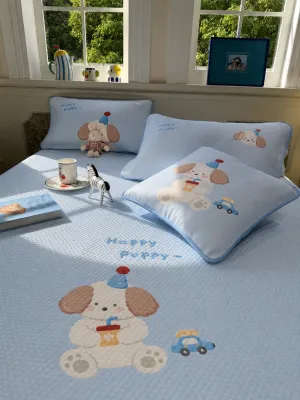
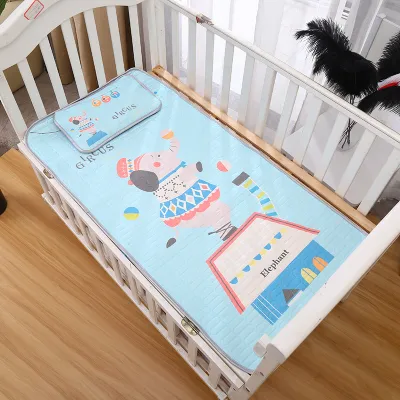
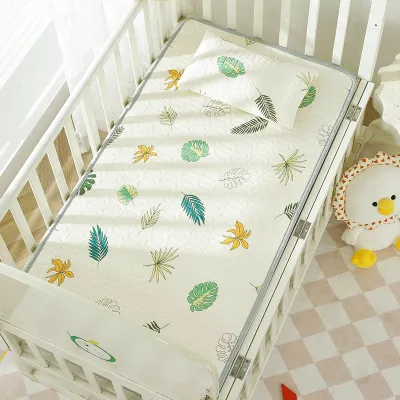
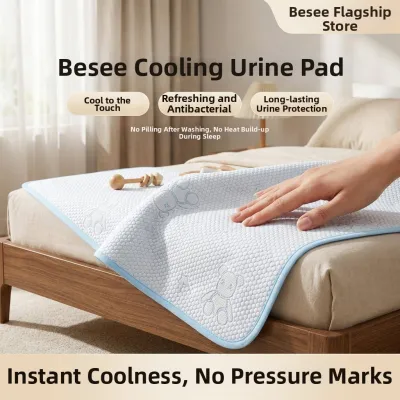
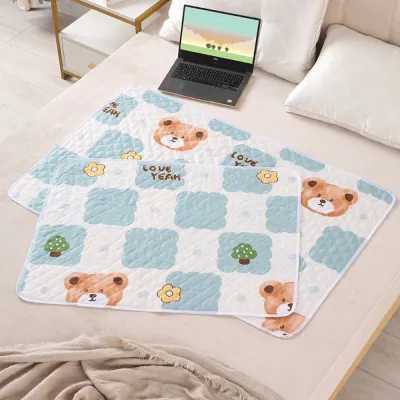
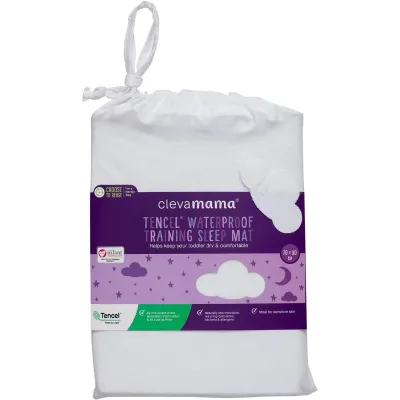
Prices are valid at publication and may change. Please refer to the product page for the latest price.
Adult mattresses are designed to distribute body weight by contouring to the shoulders, hips, and spine. If an infant is placed on such a surface, their heavier head and torso will sink, creating dangerous dips. A safe baby sleeping mat must resist this compression entirely. When your baby is lying on the mat, their body should remain on top of the surface without any visible indentation or sinking.
As your baby transitions from a newborn to a toddler, their sleep surface needs will shift slightly, though safety boundaries remain high. Newborns require maximum firmness for airway protection during their most vulnerable stage. Once your child reaches toddlerhood (around 12 months and older) and has developed robust head control and rolling capabilities, they can transition to a slightly more responsive surface. Many modern mattresses address this developmental transition by offering dual-sided designs, which feature an ultra-firm side for the first year and a slightly more cushioned, yet still highly supportive, side for older toddlers.
Comparing Firmness Across Popular Brand Categories in Singapore
Navigating the baby bedding market in Singapore reveals a wide variety of brands, ranging from European imports to local nursery specialists. These products generally fall into three distinct material categories, each offering a unique approach to firmness, breathability, and structural support.

Mainstream Nursery Brands (Foam and Coil)
Mainstream nursery brands widely available in Singapore department stores and specialty baby shops typically rely on high-density polyurethane (PU) foam or traditional innerspring coil systems. High-density foam is lightweight, making it easy to lift for frequent sheet changes in compact Singapore apartments. However, you must distinguish between high-density support foam and cheap, low-density foam. Low-density foam options can quickly degrade under the weight of a growing baby and the high ambient humidity of Singapore, leading to localized sagging that compromises safety.
Innerspring coil systems, on the other hand, provide excellent structural integrity and natural firmness. The steel coils offer a highly resilient surface that does not conform to the baby’s body shape, maintaining a flat plane even along the edges. Furthermore, the open space inside an innerspring mattress allows for excellent air circulation, which is highly beneficial for mitigating heat retention during warm Singapore nights. Many mainstream brands utilize these materials in dual-sided configurations, combining a very firm high-density foam layer on one side for infants and a slightly more forgiving foam or fiber layer on the other for toddlers.
Natural and Eco-Friendly Brands (Latex and Coir)
For parents seeking sustainable or organic materials, natural coconut coir and natural latex are highly popular options in Singapore. Coconut coir mattresses are made from the fibrous husks of coconuts, which are typically rubberized with natural latex to create a springy yet incredibly stiff matrix. Coir is naturally exceptionally firm, offering an unyielding surface that easily meets the strictest safety requirements. Because of its fibrous, porous structure, coconut coir is also highly breathable, allowing heat and moisture to dissipate rapidly—a crucial benefit for preventing heat rash in tropical climates.
Natural latex is another common option, prized for its durability and resistance to dust mites and mold, which thrive in Singapore’s high humidity. However, natural latex is inherently elastic and contouring. To be safe for a newborn, natural latex must be specifically engineered as ultra-high-density infant latex. Standard adult-grade latex is far too soft and elastic for a baby. When evaluating eco-friendly brands, you must also pay close attention to the mattress cover; ensure that organic cotton or bamboo covers do not feature thick, plush quilting that adds unsafe padding over an otherwise firm core.
Budget and Portable Sleeping Mats
Portable sleeping mats, foldable travel pads, and play mats are widely available on e-commerce platforms in Singapore. While these options are convenient for travel or visits to grandparents’ homes, parents must clearly distinguish between a dedicated, safe sleep surface and a play mat. A play mat is designed to cushion falls during tummy time or crawling, which often makes it too soft, thick, or textured for unsupervised sleep.
Foldable travel mats or thin fabric pads pose significant safety risks if used as a primary sleeping surface. Because they are lightweight and flexible, they can easily fold, bunch up, or shift, creating dangerous gaps between the mat and the sides of a travel cot or playpen. If a portable mat is too thin, parents are often tempted to stack it on top of another mattress to add comfort—a practice that is highly dangerous as it increases the risk of entrapment between the mattress layers. A budget sleeping mat should only be used for sleep if it is specifically rated by the manufacturer as a dedicated cot mattress, fits the sleeping frame perfectly with zero gaps, and maintains a rigid, non-conforming surface under pressure.
Quick Verification: Reading the Specs and Safety Labels
Before purchasing a baby sleeping mat online or in-store, you should look beyond marketing terms like “orthopedic,” “ergonomic,” or “pediatric-approved.” These terms are not legally regulated and do not guarantee that the product meets actual safety standards. Instead, look for concrete specifications and recognized safety certifications on the product tags or manufacturer documentation.
Key certifications to verify include:
- EN 16890: The European safety standard specifically for children's cots and crib mattresses, which includes rigorous physical tests for firmness, dimensions, and structural integrity.
- ASTM F2933: The United States standard specification for crib mattresses, ensuring safety against entrapment and suffocation hazards.
- Oeko-Tex Standard 100: A certification verifying that the textile components of the mattress cover and core are free from harmful levels of toxic substances and chemicals.
Be highly cautious of subjective manufacturer firmness scales. A rating of “medium-firm” on an adult scale is often far too soft for an infant. Always prioritize products that explicitly state they comply with infant-specific safety standards.
To help you compare the general characteristics of different material types, refer to the table below:
| Material Type | Expected Firmness Level | Breathability | Best Use Case |
|---|---|---|---|
| Coconut Coir | Extremely Firm (Unyielding) | High (Excellent airflow) | Newborns; hot/humid rooms |
| Innerspring Coil | Very Firm to Firm (Excellent edge support) | High (Open interior) | Long-term use (Newborn to Toddler) |
| High-Density PU Foam | Firm (Resilient support) | Moderate (Depends on ventilation channels) | Lightweight cots; travel setups |
| High-Density Natural Latex | Firm (Slightly elastic) | Moderate to High (Pin-core holes required) | Toddlers; allergy-prone infants |
| Low-Density Foam / Play Mats | Soft to Medium (Yielding under weight) | Low | Supervised play only; unsafe for sleep |
How to Physically Test the Sleeping Mat for Safe Firmness
Whether you are shopping in a physical showroom in Singapore or testing a mattress delivered to your home, you should perform several straightforward physical checks to verify the surface’s safety and fit before allowing your baby to sleep on it.
The Hand Press Test To check the core firmness, place the sleeping mat on a flat, solid surface. Press your open hand down firmly into the center of the mattress, applying significant downward pressure to mimic the weight of a baby’s head and torso. When you remove your hand, the mattress should spring back immediately to its original flat shape. If your hand leaves a visible indentation, even temporarily, or if the surface feels plush and slow to recover, the mattress is too soft for a newborn.
The Edge Support Test Press down firmly along the outer edges and corners of the sleeping mat. The perimeter should feel just as rigid and supportive as the center. Poor edge support can cause the mattress to sag or dip when your baby rolls near the sides of the cot, potentially trapping them in the gap between the mattress and the cot rails.
The Fit Test Place the sleeping mat inside your baby’s cot or playpen and perform the “two-finger rule.” Attempt to slide your index and middle fingers between the edge of the mattress and the inner frame of the cot. If you can fit more than two fingers (approximately 3 cm) into the gap, the mattress is too small for the cot. This gap poses a severe risk of limb or head entrapment. The mattress must fit snugly against all four sides of the cot frame.
When to Stop Use and Replace the Mat Regularly inspect your baby’s sleeping surface for signs of wear. You should immediately stop using the mat and consult the manufacturer or seek a replacement if you observe any of the following conditions:
- The surface develops permanent sagging, dips, or hollows where your baby usually lies.
- The outer cover becomes loose, stretched, or bunched up, creating pockets of excess fabric.
- The internal materials begin to crumble, break, or lose their original rigidity.
- The mattress no longer fits snugly within the cot frame due to shrinkage or warping from humidity.
Decision Guide: Matching Firmness to Your Baby's Needs
To make your final decision, match the characteristics of each material type to your specific household setup, budget, and your child’s developmental stage.
- Choose a dual-sided innerspring mat if you want a single, long-term investment that will safely support your child from the newborn stage through their toddler years. This option is ideal if you prioritize robust edge support, maximum durability, and a highly resilient surface that resists sagging over years of use.
- Choose a high-density foam mat if you need a lightweight, easily maneuverable option for a portable cot, travel crib, or if you frequently need to lift the mattress to clean compact nursery spaces. Ensure you verify that the foam density is rated for infant safety and is not a soft, low-density utility foam.
- Choose a coconut coir mat if you prioritize natural, eco-friendly materials and want the absolute firmest surface available for a newborn. This is an excellent choice for Singapore's tropical climate due to its natural breathability, helping to keep your baby cool and dry while minimizing dust mite risks.
- Verify first if the sleeping mat you are considering lacks clear safety certifications (such as EN 16890), feels overly plush or cushiony to the touch, or is marketed primarily as a "play mat" or "travel pad." If a product does not explicitly state it is designed and certified for unsupervised infant sleep, do not use it as a primary sleeping surface.
Community discussion
Share your experience or ask a question. Comments are reviewed before publication.