
Setting up a safe nursery is one of the most critical tasks for new parents in Singapore. When choosing a baby sleeping bed, ensuring it meets recognized safety standards is paramount to protecting your infant from preventable sleep hazards. In Singapore, consumer goods like baby cots are regulated to ensure they do not pose safety risks, but navigating the mix of local regulations and international certifications can feel overwhelming.
To secure a safe sleeping environment, parents must look for compliance with established international safety standards such as the European standard EN 716 or the American standard ASTM F1169. While Singapore does not have a single, unique mandatory manufacturing standard exclusively for baby cots, the Consumer Product Safety Office (CPSO) under Enterprise Singapore monitors consumer goods to ensure they meet safety requirements. Understanding how to verify these standards on product labels and physical frames is your first line of defense.
Understanding Mandatory vs. Voluntary Safety Standards
In Singapore, consumer products are governed by the Consumer Protection (Consumer Goods Safety Requirements) Regulations (CGSR). Under these regulations, any general consumer product sold locally must meet safety standards set by recognized international or national standardization bodies. This means that while there is no standalone, Singapore-specific design standard for baby cots, any sleeping bed sold in the local market must comply with reputable international benchmarks to be considered legally safe for sale.
Products mentioned in this guide

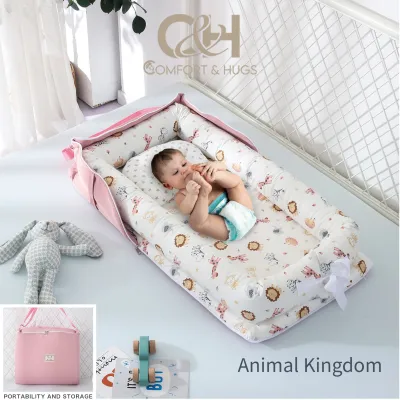
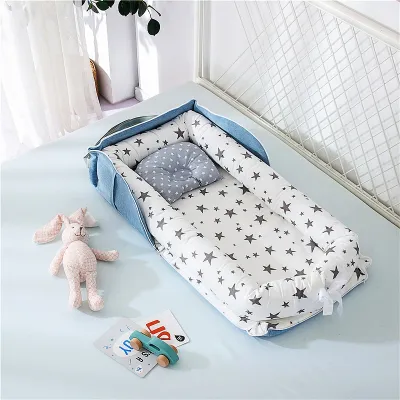
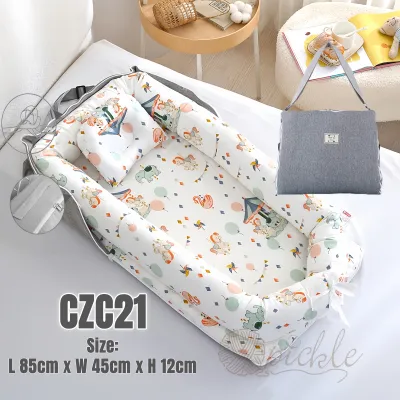
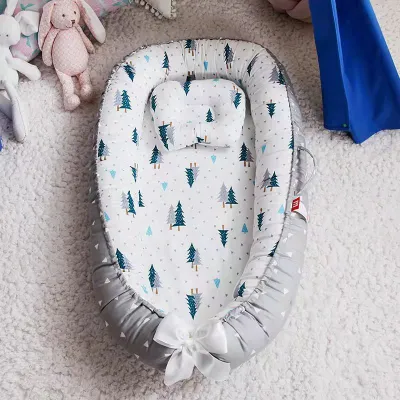
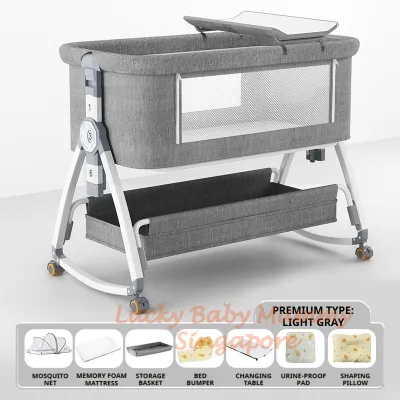
Prices are valid at publication and may change. Please refer to the product page for the latest price.
The most common international standards you will encounter are EN 716 (the European standard for children’s cots and folding cots) and ASTM F1169 (the American standard for full-size baby cribs). These standards are voluntary industry benchmarks globally, but they serve as the primary reference points for safety compliance under Singapore’s consumer protection framework. When a manufacturer designs a bed to meet these specifications, they subject the product to rigorous testing for structural strength, material safety, and entrapment hazards.
Parents should regularly check official updates from the Consumer Product Safety Office (CPSO) for product safety alerts, consumer advisories, and product recalls. The CPSO monitors the market and can require suppliers to stop selling products that pose an immediate danger to infants. Staying informed through these official channels helps you avoid purchasing products that may have slipped through informal supply chains.
It is important to note that a product claiming compliance with a foreign standard still requires careful local verification. Just because a baby sleeping bed is popular online or widely used overseas does not guarantee that the specific unit imported into Singapore meets local safety expectations. Importers and distributors must maintain proper documentation, including test reports from accredited laboratories, to prove that the products they supply conform to the declared safety standards. As a buyer, you have the right to ask local retailers for proof of these test reports before making a purchase.
How to Read and Verify Safety Certifications on Product Labels
When shopping for a baby sleeping bed in physical showrooms or on local ecommerce platforms, verifying safety certifications requires a keen eye for detail. Do not rely solely on marketing descriptions that use generic phrases like “certified safe” or “premium quality.” Instead, look for specific, printed standard codes on the product packaging, the user manual, and the physical frame of the bed itself.

A compliant baby sleeping bed will typically feature a permanent label or stamp on an inconspicuous part of the frame, such as the inner side of the headboard or the underside of the mattress base. This label should clearly state the manufacturer’s name, the model number, the date of manufacture, and the specific safety standard it meets, such as “EN 716-1” or “ASTM F1169.” Additionally, look for clear warning labels regarding the maximum weight or age limit of the child, as well as instructions on the maximum mattress thickness allowed for that specific model.
Before assembling or using the bed, cross-reference the printed user manual with the physical labels on the product. The manual should contain detailed assembly instructions, safety warnings, and a list of certified compatible accessories. If the model number on the box does not match the model number on the frame or in the manual, this is a major red flag that suggests a mismatched or potentially uncertified product.
Be highly suspicious of products that exhibit warning signs of non-compliance. These include missing or incomplete labels, vague safety claims without any associated standard codes, or labels that appear to have been altered, taped over, or photocopied. If a digital listing on an online marketplace lacks clear certification details, ask the seller directly for the specific standard code and a copy of the compliance certificate. If they cannot provide this information, it is safest to choose a different product.
Key Structural and Design Checks for Baby Sleeping Beds
Even if a baby sleeping bed carries a reputable certification label, performing your own physical inspection is a crucial step in ensuring your child’s safety. Structural integrity can be compromised during shipping, assembly, or prolonged storage, making a hands-on check essential before placing your baby in the bed.
Start by measuring the spacing between the vertical slats of the cot. The gap between slats must be between 50mm and 60mm. If the gaps are wider than 60mm, there is a severe risk of the baby’s head, limbs, or body becoming trapped. If the gaps are narrower than 50mm, a baby’s fingers or hands could easily get pinched. Use a standard ruler or measuring tape to verify this across multiple sections of the bed frame.
Next, evaluate the fit of the mattress within the bed frame. The mattress must fit snugly against all four sides of the cot, leaving no significant gaps. As a general rule, the gap between the mattress and any side of the cot should not exceed 20mm when the mattress is pushed to one side. A wider gap poses a dangerous suffocation or entrapment hazard for an infant. Always use the exact mattress size recommended by the cot manufacturer rather than trying to adapt a generic mattress.
Conduct a thorough visual and tactile inspection of the entire bed frame. Run your hands along the wooden or plastic surfaces to check for sharp edges, splinters, rough patches, or peeling paint. In Singapore’s humid climate, low-quality finishes can degrade or peel more quickly, presenting a risk if the baby chews on the rails. Ensure that all screws, bolts, and brackets are tightly secured and flush with the frame; loose or protruding hardware can catch on a baby’s clothing or cause scratches.
If the sleeping bed features a drop-side mechanism, exercise extreme caution. Many international standards, including American standards, have banned traditional drop-side cots due to the risk of the side detaching and creating a fatal entrapment gap. If you use a model with a moving side, verify that it features a robust, double-action locking system that cannot be accidentally released by a child or by shaking the frame. The sleep surface itself must be completely firm and flat; soft or sagging bases must be avoided to align with safe sleep guidelines.
When to Stop Using or Replace a Baby Sleeping Bed
A baby sleeping bed is not a permanent fixture; its safety utility changes as your child grows and reaches new developmental milestones. Parents must remain vigilant and transition their child to a toddler bed or a larger sleeping arrangement when the current bed no longer provides a secure environment.
The most critical milestone to watch for is when your baby begins to show signs of mobility. Once your child can sit up unsupported, pull themselves up to a standing position, or attempt to climb out of the cot, the risk of falls increases dramatically. Most manufacturers specify a maximum height limit (typically around 89cm) or a weight limit for the cot. Once your child reaches these limits, or if the top of the cot rail is lower than their chest level when standing, it is time to stop using the bed immediately.
Regularly inspect the bed for structural wear and tear that could compromise its safety. Over time, wood can warp, joints can loosen, and plastic components can become brittle. If you notice cracking wood, stripped screw holes, loose joints that wobble even after tightening, or missing hardware, discontinue use. Do not attempt to repair a broken cot with makeshift parts, tape, or non-original screws, as these temporary fixes can fail under the weight or movement of a growing child.
If you are considering a second-hand or handed-down baby sleeping bed, proceed with extreme caution. Older models may not meet modern safety standards, and their history of wear and tear is often unknown. Before accepting a pre-loved cot, search for the brand and model name on official recall databases to ensure it has not been flagged for safety defects. Verify that all original parts and the instruction manual are present, and thoroughly inspect the frame for structural integrity. If the cot is more than ten years old, or if you cannot verify its compliance with EN 716 or ASTM F1169, it is best to decline the offer and invest in a new, certified model.
Frequently Asked Questions (FAQ)
Are international standards automatically accepted in Singapore?
Yes, international standards such as the European EN 716 and the American ASTM F1169 are widely accepted and recognized by Singapore’s regulatory bodies under the Consumer Protection (Consumer Goods Safety Requirements) Regulations. However, this acceptance does not mean parents should assume every imported product is safe. You must still verify that the specific product has been imported legally, carries the correct certification labels, and is accompanied by genuine compliance documentation from the distributor.
What should I do if my baby sleeping bed has no visible safety certification label?
If you purchase or receive a baby sleeping bed that lacks a visible safety certification label, contact the manufacturer or the local retailer immediately to request the official compliance documentation and test reports. Do not rely on verbal assurances. If the retailer cannot provide verifiable proof of testing to standards like EN 716 or ASTM F1169, or if the product’s origin remains unclear, avoid using the bed for unsupervised sleep. Your baby’s safety is paramount, and using an unverified sleeping surface poses unnecessary risks.
Community discussion
Share your experience or ask a question. Comments are reviewed before publication.