
Quick Safety Verdict: Which Material Is Safest for Your Baby?
Bathing your baby should be a soothing, bonding experience, but the sudden splash of soapy water in their eyes can quickly turn bath time into a stressful ordeal. A shower visor is a popular bathing aid designed to keep water and shampoo away from your baby’s delicate eyes and ears. However, choosing the right material is critical to ensure that this helpful tool does not introduce new physical safety hazards or hygiene risks.
When comparing the most common materials on the market, high-quality, verified food-grade silicone stands out as the safest and most reliable choice for most babies. Silicone offers a unique combination of hypoallergenic properties, exceptional flexibility, and a highly secure, water-blocking seal that conforms naturally to a child’s forehead.
In contrast, other common materials present distinct trade-offs. Rigid plastic visors often carry risks of hard-edge pressure and poor sealing, while soft foam visors present serious hygiene and mold concerns, especially in highly humid environments.
Products mentioned in this guide
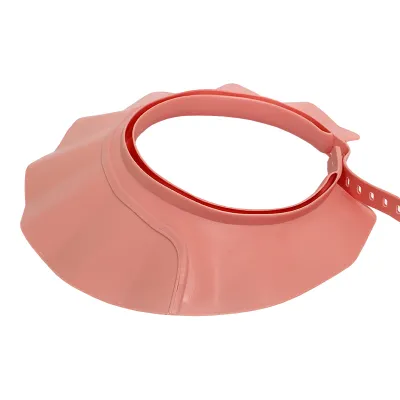
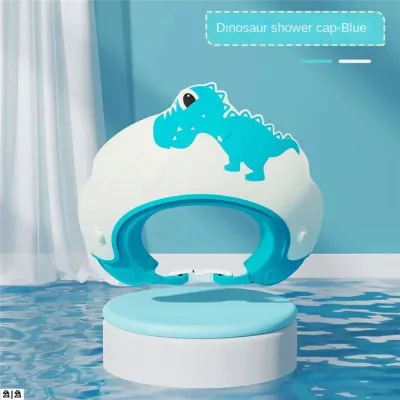
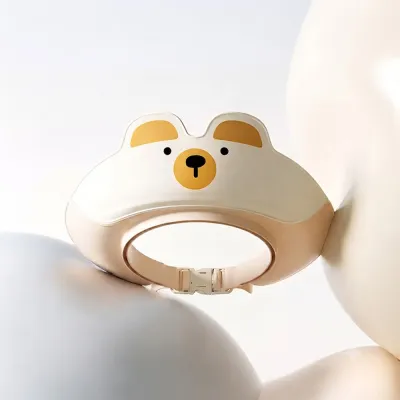
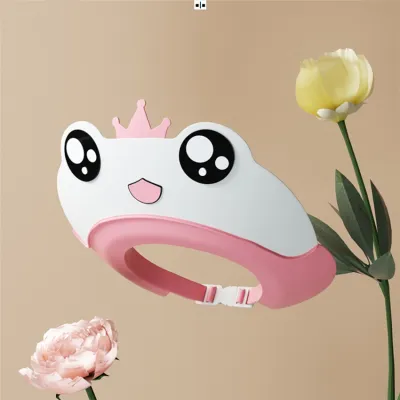
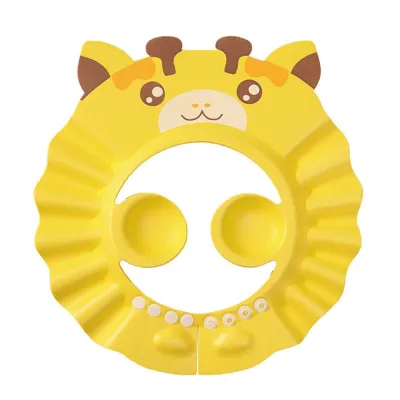
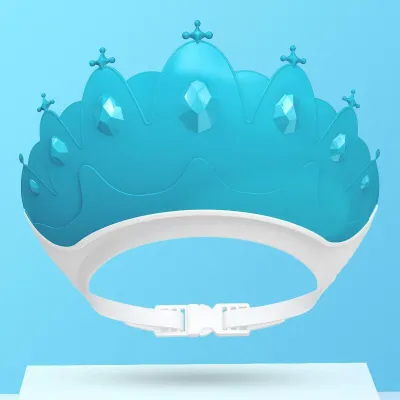
Prices are valid at publication and may change. Please refer to the product page for the latest price.
It is crucial to remember that no material is universally safe if the visor is the wrong size, restricts blood flow, or is used incorrectly. A shower visor must always be viewed strictly as a bathing aid, not a protective helmet or a substitute for active, hands-on parental supervision. Always monitor your baby continuously during bath time.
Silicone Visors: Hypoallergenic Comfort and Secure Fit
Silicone has become a preferred material for infant care products, and it offers significant advantages when used in a shower visor. Its primary safety benefit lies in its remarkable flexibility and soft, non-abrasive contact with a baby’s delicate skin. Unlike rigid materials, silicone stretches and molds gently to the unique shape of your baby’s head, creating a reliable barrier that prevents soapy water from leaking down their face.

Furthermore, high-quality silicone is exceptionally durable, resisting tears, degradation from warm water, and the wear and tear of daily use. However, parents should not assume that all silicone products are automatically safe. When shopping, it is essential to physically inspect the product packaging and check labels for verified claims such as “BPA-free,” “phthalate-free,” and “100% food-grade” or “medical-grade” silicone. These certifications help ensure the material does not leach harmful chemical residues when exposed to warm bath water.
Despite its benefits, silicone is not entirely free of physical risks if used incorrectly. A poorly sized silicone band or an over-tightened adjustable strap can exert excessive pressure on your baby’s head. This can leave deep, red indentation marks on the forehead or, in worse cases, restrict blood circulation around the scalp.
To prevent this, parents must always perform a quick fit check before starting the bath. The silicone seal should be snug enough to block water from passing through, yet loose enough that you can comfortably slide a finger underneath the band. If the band leaves lasting red marks after a short trial, it is too tight and must be adjusted or replaced with a larger size.
Another characteristic to keep in mind is that silicone is naturally heavier than lightweight foam. If your baby has very fine hair or a smaller head circumference, a heavier silicone visor may tend to slip down over their eyes during use. Choosing a visor with an adjustable, textured inner band can help prevent slipping without requiring you to overtighten the strap.
Plastic Visors: Lightweight Convenience vs. Hard Edge Risks
Hard plastic visors are widely available and often appeal to parents because they are incredibly lightweight, rigid, and highly budget-friendly. The rigid brim of a plastic visor is highly effective at channeling water far away from the face, ensuring that splashes do not reach the eyes or ears.
However, the rigid nature of plastic introduces significant safety risks that parents must carefully evaluate. The primary concern is the hard, unyielding edge of the inner rim. If your baby moves suddenly, turns their head, or resists the visor, this hard plastic edge can press painfully into their delicate forehead, potentially causing skin scrapes or deep bruising. This risk is amplified if the adjustable strap is pulled too tightly in an attempt to secure the visor.
Additionally, plastic visors carry a high leakage risk. Because hard plastic cannot conform to the organic, irregular contours of a baby’s head, it rarely creates a perfect, seamless seal. This lack of flexibility often allows soapy water to bypass the brim, trickling down the forehead and directly into the baby’s eyes. This defeats the primary purpose of the visor, leading to eye irritation, stinging from shampoo, and subsequent bath-time distress.
If you decide to use a plastic visor, you must physically inspect the inner rim before purchase. Look for models that feature smooth, rolled edges or integrated soft rubber padding along the contact zone to cushion the forehead. Avoid any models with sharp, thin, or unfinished plastic seams.
You should also carefully check the adjustability of the strap or snap buttons. The fastening mechanism must allow for micro-adjustments so that the visor can grow with your baby’s head without creating localized pressure points or slipping out of place during active movement.
Foam Visors: Soft Cushioning vs. Mold and Chemical Concerns
Foam visors, typically made from Ethylene-Vinyl Acetate (EVA) foam, are popular for their immediate comfort and affordability. They are extremely light, soft, and cushiony, making them very gentle on a baby’s forehead. Because the material is so light, babies are often more willing to wear foam visors, as they barely feel the weight on their heads, and the soft texture is highly unlikely to leave pressure marks.
However, these immediate comfort benefits are offset by significant long-term safety and hygiene risks. The fundamental hazard of foam is its porous structure. During bath time, foam easily absorbs water, soap residue, body oils, and dead skin cells. In humid environments—especially in tropical climates like Singapore’s, where bathrooms remain warm and damp for hours—this absorbed organic matter creates an ideal, rapid breeding ground for mold, mildew, and bacteria.
Exposure to mold and bacterial growth on a bathing accessory poses direct health risks to infants. Babies have developing respiratory systems and highly sensitive skin barriers. Inhaling mold spores or having moldy material in direct contact with the forehead can trigger respiratory irritation, coughing, or allergic reactions. Furthermore, it can cause localized skin infections, rashes, or exacerbate existing skin conditions.
When evaluating foam visors, parents must look for non-toxic, independently tested safety certifications on the packaging. Low-quality, uncertified EVA foam can emit volatile organic compounds (VOCs) or contain harmful plasticizers and formamide, which can be absorbed through the skin or inhaled.
Because of these hygiene concerns, foam visors require rigorous, highly demanding maintenance. They must be washed, squeezed out, and dried completely in a well-ventilated, dry area after every single use. Even with meticulous care, foam visors have a much shorter safe lifespan than silicone or plastic and must be replaced frequently to prevent mold exposure.
Matching the Visor to Your Baby’s Age and Skin Sensitivity
Selecting the safest shower visor material requires looking beyond general comparisons and focusing on your child’s specific developmental stage, physical size, and skin health. Parents must always cross-reference the manufacturer’s stated age, weight, and head circumference guidelines on the product packaging before use, rather than relying solely on generic age labels.
Newborns and Infants (Under 6 Months)
For very young infants who are under six months of age, physical development is a primary safety consideration. Babies in this stage have limited neck control and weak neck muscles, making them highly vulnerable to strain. If you choose to use a bathing aid, ultra-lightweight options—such as high-quality, very thin silicone or a certified non-toxic, lightweight foam—are recommended to avoid placing unnecessary weight on their neck.
You must strictly avoid heavy or rigid plastic visors. If a heavy visor slips or if the baby’s head drops forward, the rigid brim can easily cover the baby’s nose and mouth, creating a sudden suffocation hazard. Furthermore, because infants cannot sit up independently, parents must provide constant, hands-on physical support of the baby’s head and neck throughout the entire bathing process. A visor should never be used as a hands-free solution.
Older Babies and Toddlers (6 Months and Up)
As babies grow past six months, they become significantly more active, sitting up, splashing, and often actively resisting or pulling at bathing accessories. For this dynamic stage, durable and flexible silicone is highly recommended. Silicone can withstand being pulled, bent, bitten, and subjected to frequent adjustments without tearing or losing its shape.
Active toddlers require a visor with a highly secure, adjustable strap that remains firmly in place despite splashing and head movement. Look for wide, soft silicone straps that distribute pressure evenly. This prevents the strap from rubbing against the back of the head or ears, which can cause painful friction burns or skin chafing during active play.
Babies with Eczema or Highly Sensitive Skin
For babies with compromised skin barriers, such as those diagnosed with eczema, cradle cap, or highly sensitive skin, material selection is critical to prevent flare-ups. For these infants, verified hypoallergenic, medical-grade silicone is strongly recommended. Because silicone is completely non-porous, it does not absorb sweat, bacteria, or soap residues, making it exceptionally hygienic and easy to sanitize thoroughly between uses.
Parents of sensitive-skinned babies should strictly avoid foam visors, which harbor mold and bacteria, as well as cheap, uncertified plastics that may contain irritating chemical residues or rough seams. If your baby has severe eczema, open sores, or known contact allergies on their scalp or forehead, always consult a pediatrician or a qualified dermatologist before introducing any new bathing accessory to their routine.
Daily Maintenance, Hygiene, and When to Replace
To keep any shower visor safe and hygienic, parents must establish a consistent daily maintenance routine. After every bath, thoroughly rinse the visor with clean, running water to remove all traces of soap, shampoo, and body oils. Periodically, wash the visor gently using a mild baby soap and a soft cloth, avoiding abrasive sponges that can scratch the surface and create micro-crevices where bacteria can hide.
After cleaning, the visor must be allowed to air-dry completely in a well-ventilated area, away from direct sunlight which can degrade materials over time. Proper storage is critical: hang the visor or stand it upright in a dry area. Never fold, crumple, or leave the visor sitting in a damp shower caddy or a closed plastic container, as trapped moisture rapidly accelerates material breakdown and mold growth.
Even with excellent care, bath accessories have a limited lifespan. Parents must regularly inspect the visor and follow these strict stop-use and replacement guidelines:
- Foam: Discard the visor immediately if you notice any discoloration, dark spotting indicative of mold, or a musty, damp odor that persists after washing.
- Silicone: Replace the visor immediately if the material becomes sticky to the touch, loses its elasticity, develops small tears or cracks, or if the adjustable strap mechanism fails to lock securely.
- Plastic: Discard the product immediately if the plastic warps, develops cracks, or if the inner padding or rubber seal begins to peel away, exposing sharp or hard plastic edges.
Frequently Asked Questions (FAQ)
At what age should my baby stop using a shower visor?
There is no universal age limit for using a shower visor, as children develop and adapt to bathing at different rates. Most children naturally outgrow the need for a visor between the ages of 2 and 4 years old. During this developmental window, they typically learn to tilt their heads back willingly and close their eyes when prompted during hair washing. You should stop using the visor if it no longer fits comfortably on your child’s head, causes them distress or frustration, or if they constantly pull it off and throw it, which can create a distraction and increase slip risks in the tub.
Is it safe to leave my baby unattended while wearing a shower visor?
No, it is never safe to leave a baby or toddler unattended in or near water, under any circumstances, regardless of whether they are wearing a shower visor. A shower visor is solely designed to keep water out of the face; it offers absolutely no protection against slipping, tipping over, or drowning. Furthermore, a visor can easily slip down during active movement, potentially covering your baby’s nose and mouth, obstructing their airway, or blocking their vision and causing panic. An adult caregiver must always maintain constant, hands-on supervision and remain within arm’s reach during the entire bath.
Community discussion
Share your experience or ask a question. Comments are reviewed before publication.