
Baby sanitizers can be safe to use on a baby’s skin, toys, and feeding items, but safety depends entirely on the specific product formulation, the age of your child, and strict adherence to manufacturer instructions. There is no single “universal” baby sanitizer; products designed for skin are rarely safe for feeding items, and vice versa. Parents must carefully evaluate the active ingredients, verify age suitability, and understand the difference between cleaning, sanitizing, and sterilizing to protect their little ones from accidental chemical exposure or skin irritation.
In warm, humid climates like Singapore, where mold and bacteria thrive easily in high-rise apartments or during outdoor play at local parks, keeping baby items clean is a constant priority. However, relying too heavily on chemical sanitizers without understanding their limits can introduce unnecessary risks. A systematic approach to reading labels, assessing skin conditions, and choosing the right cleaning method for different materials is essential for maintaining a healthy environment for your infant.
How to Read Baby Sanitizer Labels and Ingredients
Before applying any sanitizer to your baby’s skin or belongings, it is critical to understand exactly what the product contains. Unlike general household disinfectants, baby-specific sanitizers should feature milder formulations, but they still contain active chemical agents that require careful handling. Parents should look closely at the active ingredients list and concentration levels explicitly stated on the product label. Common active ingredients in baby-safe formulations include hypochlorous acid, benzalkonium chloride, or food-grade plant extracts, each of which has specific usage guidelines and contact times that must be followed to be effective.
Products mentioned in this guide
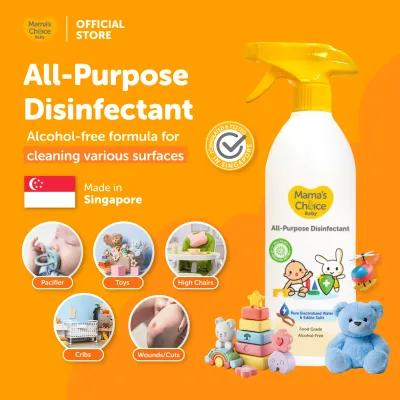
![[Bundle of 6] Mamas Choice All-Purpose Disinfectant Spray | Baby Safe Toy & Surface Sanitiser | Alcohol-Free](https://img.lazcdn.com/g/p/af732c50520136fe3c2c658d26281415.jpg_400x400q80.jpg_.webp)
![[Bundle of 3] Mamas Choice All-Purpose Disinfectant Spray | Baby Safe Toy & Surface Sanitiser | Alcohol-Free](https://img.lazcdn.com/g/p/56523d8438db11289f28e1abddbd5618.jpg_400x400q80.jpg_.webp)
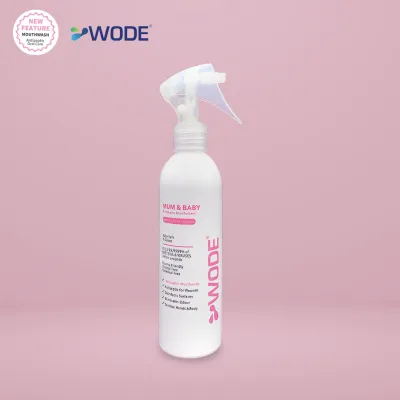
![[OFFICIAL WODE] WODE Mum & Baby Disinfectant 80ml Spray (ALCOHOL FREE CHEMICAL FREE) (Suitable for age 2 and below)](https://img.lazcdn.com/g/p/461452633fe99f9ca89fc5dae48db101.png_400x400q80.png_.webp)
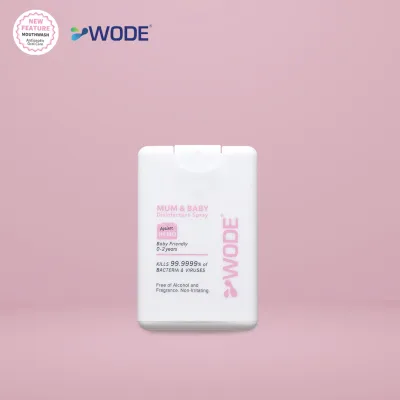
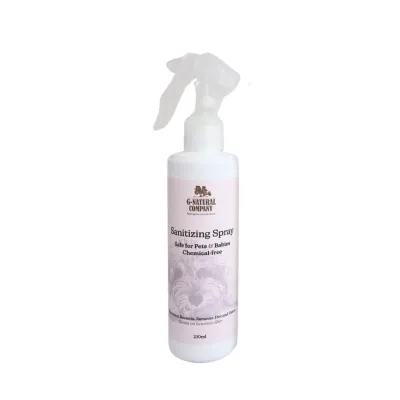
Prices are valid at publication and may change. Please refer to the product page for the latest price.
Age recommendations and usage warnings provided by the manufacturer are another vital component of the label. Infant skin is significantly thinner and more permeable than adult skin, meaning chemicals are absorbed much more easily. If a product label does not explicitly state that it is safe for newborns or infants of your child’s specific age, it is safest to avoid using it. Additionally, look for warnings regarding eye contact, ingestion, and whether the product requires rinsing after application.
It is also important to verify if the product is explicitly formulated for infants or if it is a general household sanitizer. General household sanitizers often contain high concentrations of alcohol, harsh bleaching agents, artificial fragrances, or denaturants that are unsafe for baby care. Never assume a product is safe for a baby simply because it features a cartoon character or a “gentle” marketing claim on the front packaging. Always turn the bottle over to verify the ingredients, age limits, and safety warnings yourself.
Evaluating Safety for Direct Skin Contact
When considering a sanitizer for direct application on your baby’s skin, you must first assess the current condition of the skin. Avoid applying any sanitizer to areas that are broken, irritated, chafed, or affected by conditions like eczema or diaper rash. Applying chemical formulations to compromised skin can cause intense stinging, worsen inflammation, and increase the risk of systemic absorption of the active ingredients. If your baby has sensitive skin, it is wise to perform a patch test on a small, healthy area of skin and wait 24 hours to check for any adverse reactions before wider use.

Always follow the manufacturer’s recommended amount and application method to minimize excessive absorption or irritation. Use only the minimum amount required to cover the baby’s hands, and supervise the application closely. Caregivers must ensure the sanitizer is rubbed in completely and allowed to dry fully before letting the baby move their hands. This supervision is critical to prevent the baby from putting wet, sanitized hands directly into their mouth or rubbing their eyes, which can lead to chemical irritation or accidental ingestion.
After application, closely observe your baby’s skin for any immediate or delayed reactions. Signs of sensitivity or irritation include redness, dryness, flaking, hives, or visible discomfort such as the baby scratching or crying. If you notice any of these signs, wash the area immediately with plenty of clean, cool water and discontinue use of the product. Remember that washing hands with mild baby soap and clean water remains the primary and safest recommendation for infant hygiene, and sanitizers should only serve as a temporary alternative when soap and water are unavailable.
Sanitizing Toys: Managing Indirect Contact and Residues
Toys are a primary vector for germs, but they also frequently end up in a baby’s mouth. When sanitizing toys, you must differentiate between hard, non-porous toys and soft, porous materials. Hard toys made of plastic, silicone, or wood do not absorb liquids, making them easier to sanitize, but they can still retain a layer of chemical residue on the surface. Soft toys, plushies, and fabric books, on the other hand, can absorb liquid sanitizers deep into their fibers, trapping chemical residues that are difficult to rinse out and may later be released when the baby squeezes, hugs, or mouths the toy.
To manage these residues safely, always ensure adequate drying time to allow the active ingredients to evaporate or dissipate completely before the baby handles the toy. Placing sanitized toys in a well-ventilated area, near an open window, or under a ceiling fan helps speed up this process. Never rush this step; giving the sanitizer sufficient time to dry is essential not only for safety but also for the product to complete its sanitizing action as specified by the manufacturer.
Additionally, consider rinsing toys with clean water after the required contact time has elapsed, even if the product is marketed as a “no-rinse” formula. This is especially important for teething toys, pacifier clips, or any items your baby is highly likely to mouth immediately. Rinsing the toy thoroughly with clean, potable water and drying it with a clean cloth physically removes any lingering chemical residues, providing an extra layer of safety for your child.
Cleaning Feeding Items: Bottles, Pacifiers, and Utensils
Feeding items require the highest level of precaution because they come into direct, prolonged contact with your baby’s mouth and food. Before using any sanitizer on bottles, pacifiers, or utensils, check if the product is explicitly approved by the manufacturer for use on food-contact surfaces or infant feeding items. General toy sanitizers, hand sanitizers, and household disinfectants are not formulated for this purpose and can leave toxic residues that are unsafe to ingest.
Even when using a food-contact-safe sanitizer, evaluate the necessity of a thorough rinse with boiled or filtered water. While some sanitizers claim to break down into harmless substances like water and salt, rinsing feeding items with cooled, boiled water before use is a simple and highly effective way to ensure no chemical residues remain to contaminate your baby’s milk or food. This step is particularly crucial for newborns and infants with developing digestive and immune systems.
It is also helpful to compare chemical sanitizer use with traditional sterilization methods to determine the most appropriate routine for your home. Traditional methods, such as boiling feeding items in water or using a dedicated electric steam sterilizer, rely on heat rather than chemicals to eliminate pathogens. For daily routine maintenance, washing feeding items with hot, soapy water followed by steam or boiling sterilization is generally preferred by pediatric experts. Chemical sanitizing sprays or wipes are best reserved as temporary solutions for travel, outdoor excursions, or emergencies when traditional sterilization equipment is inaccessible.
When to Stop Use and Seek Professional Advice
As a caregiver, you must remain vigilant and know when to discontinue the use of any baby sanitizer. Stop using the product immediately if you identify visible signs of adverse skin reactions, such as persistent redness, swelling, hives, or peeling skin. Similarly, if your baby exhibits signs of respiratory irritation—such as coughing, wheezing, sneezing, or watery eyes immediately after you spray or apply a sanitizer nearby—discontinue use and ventilate the room immediately.
You should also stop using a sanitizer if the product’s physical integrity is compromised. This includes bottles that are leaking, labels that have become unreadable, products past their expiration date, or liquids that have changed in color, consistency, or odor. Using compromised or expired products can lead to reduced efficacy or unexpected chemical changes that may harm your baby’s skin or health.
In the event of accidental ingestion, eye contact, or a persistent allergic reaction, consult a pediatrician or your local medical professional immediately for guidance. If your baby swallows any sanitizer or rubs it into their eyes, do not attempt to induce vomiting or apply home remedies without professional advice. Keep the product bottle handy so you can read the exact ingredient list and concentration levels to the healthcare provider, allowing them to give you accurate, life-saving instructions.
Frequently Asked Questions (FAQ)
Can I use regular hand sanitizer on my baby?
No, regular adult hand sanitizers are generally not recommended for babies. Adult formulations typically contain high concentrations of alcohol, often exceeding 60% ethanol or isopropanol, which can severely dry out an infant’s thin, delicate skin and pose a significant risk of alcohol poisoning if the baby licks their hands or fingers. Furthermore, adult sanitizers frequently contain added fragrances, essential oils, or denaturants that can trigger severe skin irritation or allergic reactions in infants. Always check the age restrictions and warnings on the product label; most standard hand sanitizers explicitly state they are not for use on infants or require consulting a medical professional before use.
Is it necessary to sanitize baby items every day?
In most daily scenarios, sanitizing baby items every day is not necessary. Routine cleaning with mild dish soap and warm water is highly effective for removing dirt, grease, and common germs from toys, utensils, and play surfaces. Daily sanitizing or sterilization is typically recommended only for feeding items, such as bottles and nipples, during the first few months of a baby’s life, or if the baby was born prematurely or has a compromised immune system. For older, healthy infants who are already crawling and exploring their environment, a thorough wash with soap and water is sufficient for daily maintenance, while sanitizing can be reserved for weekly deep cleans, after playdates, or when items have fallen onto public floors.

Community discussion
Share your experience or ask a question. Comments are reviewed before publication.