
Baby safety pins can be a secure and reliable way to fasten cloth diapers, but their safety depends entirely on their design features and how you handle them. Unlike standard household pins, specialized baby safety pins incorporate protective elements specifically engineered to prevent accidental opening and skin punctures.
While they offer a traditional, highly adjustable fit for various cloth diaper folds, caregivers must remain vigilant. Safe diapering with pins requires choosing the right product, performing routine wear-and-tear checks, and mastering a secure fastening technique.
In a warm, humid climate like Singapore, where frequent washing and moisture are constant factors, selecting high-quality pins is even more critical. Moisture can quickly compromise low-grade metals, leading to rust or structural weakness. By understanding what safety features to look for and establishing a strict inspection routine, you can confidently decide if safety pins fit your family’s cloth diapering journey.
Products mentioned in this guide
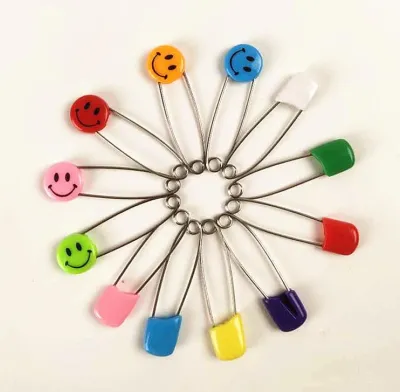
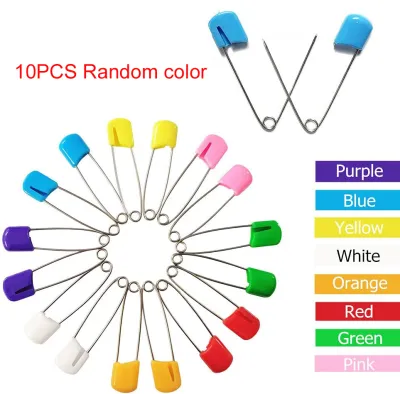
![[SG SELLER] [FREE SHIPPING] Baby Safety Pins For Nappy Pin And Many More](https://img.lazcdn.com/g/p/35876d181ad025d5bfd7ede208cf506c.jpg_400x400q80.jpg_.webp)
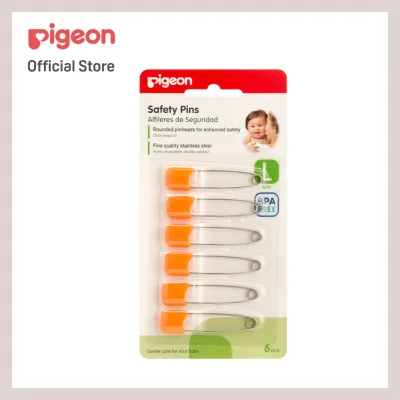
Prices are valid at publication and may change. Please refer to the product page for the latest price.
Core Safety Features to Look For
When shopping for baby safety pins, the primary goal is to find designs that isolate the sharp point of the pin from your baby’s active movements. Standard pins can easily pop open under the tension of a moving baby, but specialized baby pins utilize distinct engineering solutions to prevent this.
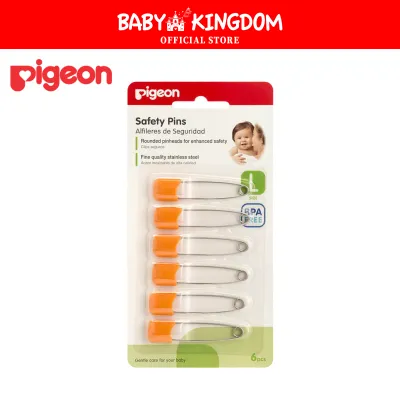
Locking mechanisms are the most critical safety feature to evaluate. A reliable baby safety pin does not rely on a simple open hook. Instead, it features a sliding or locking sleeve—often made of durable plastic—that must be actively pushed back or clicked into place to release the metal point.
Before using any pin, test the clasp closure under fabric tension. You can do this by pinning together several layers of scrap cloth, pulling the fabric firmly in opposite directions, and observing if the locking sleeve remains securely in place. If the sleeve slides open under pressure, the pin is not suitable for diapering.
Head covers and caps provide the physical housing for the sharp tip when the pin is closed. Look for pins with secure, non-removable plastic or silicone covers molded directly onto the metal wire. These covers should feel completely fused to the metal.
Avoid pins where the plastic head feels loose, rotates independently of the wire, or can be easily pulled off. These defects pose a choking hazard and can expose the sharp tip unexpectedly.
Shield guards are built-in barriers within the plastic head that block the pin tip from exposed skin even if the pin is partially compressed. When the pin is closed, the sharp point should rest deep within a recessed channel. This design ensures that even if a caregiver presses down on the head of the pin during a diaper change, the point cannot slip sideways or poke through the plastic housing.
Material and Build Quality Checks
The durability of a safety pin is just as important as its locking mechanism. Because diaper pins are exposed to wetness, acidic urine, and frequent laundering, the materials must withstand harsh conditions without degrading.

Rust-resistant materials are essential for maintaining hygiene and structural integrity. Always verify the manufacturer’s packaging to ensure the pins are made of high-quality stainless steel or have a specialized rust-resistant coating.
In a humid environment, non-treated metals can corrode rapidly, even when stored indoors. Stainless steel is highly recommended because it resists rust during frequent washing cycles and air-drying.
Smooth finishes are another key indicator of quality. Before using a new batch of pins, run your fingers carefully along the entire length of the metal wire. Inspect the wire for burrs, rough spots, sharp metal flakes, or manufacturing defects.
A rough wire can snag the delicate fibers of your cloth diapers, causing premature wear. It can also scratch your baby’s sensitive skin during fastening.
Clasp tension refers to the spring force of the coiled metal loop at the base of the pin. The hinge must provide adequate resistance so that the pin does not spring open too easily.
However, the hinge should not be so stiff that you have to struggle or apply excessive force to close it. A pin that requires too much force to close increases the risk of your fingers slipping during a diaper change.
Safe Usage and Handling Practices
Even the highest-quality safety pin requires proper handling to ensure your baby remains safe during diaper changes. Establishing a consistent, mindful fastening routine minimizes the risk of accidental pokes.
Finger placement is your primary defense against accidental punctures. Whenever you slide the pin through the diaper fabric, always place the fingers of your non-dominant hand flat against the baby’s skin, directly underneath the fabric layer you are pinning.
As you push the pin down and through the cloth, the tip of the pin should press against your own fingers, not the baby’s skin. This tactile feedback ensures you know exactly where the sharp point is at all times.
Pre-fastening checks help you prepare the fabric before inserting the pin. Ensure the diaper fabric is bunched correctly and pulled snug, but not overly tight. The path where the pin will travel must be completely clear of the baby’s skin.
Never rush this process. If your baby is particularly wiggly, wait for a calm moment or use a distraction toy to keep them still while you secure the fastener. Always supervise your baby closely during the entire diapering process.
Safe storage is crucial for preventing accidents outside of diaper changes. Always close unused pins immediately after removing them from a diaper.
Store them in a secure, high container or a closed drawer completely out of reach of infants and toddlers. Never leave open pins lying on the changing mat or bed, as a rolling baby can easily press against them.
When to Stop Using or Replace Safety Pins
Safety pins are not permanent diapering accessories. They wear out over time with repeated use and exposure to moisture. Recognizing the signs of wear is vital for preventing sudden failures.
Locking failures are an immediate reason to discard a pin. If you notice that the plastic locking sleeve has cracked, stretched, or no longer snaps shut with a distinct click, stop using it immediately. A loose clasp can easily slide open when your baby crawls, rolls, or sits down, exposing the sharp point.
Rust and corrosion should never be ignored. Regularly inspect the metal wire, especially near the coiled hinge and inside the plastic head cover.
If you see any brown discoloration, rough patches, or pitting, discard the pin. Rust weakens the metal, making it prone to snapping under tension, and can harbor harmful bacteria.
Bent or warped wire indicates that the pin has lost its structural integrity. Over time, the tension of thick cloth diapers can warp the metal shaft, causing it to curve or bend out of shape. A warped pin will not align correctly with the locking head, making it difficult to close securely and increasing the risk of the pin popping open.
Alternatives to Traditional Safety Pins
If you feel uncomfortable using traditional safety pins, or if your baby is too active during changes, several modern, pin-free alternatives are available.
Built-in fasteners are common on many modern cloth diaper styles, such as pocket diapers or all-in-ones. These diapers feature integrated plastic snaps or hook-and-loop closures.
Snaps are highly durable, resist curious toddler fingers, and withstand frequent washing, though they offer less micro-adjustability than pins. Hook-and-loop closures provide a highly customizable fit similar to disposable diapers but can wear out faster in the wash and may scratch sensitive skin if fastened unevenly.
Specialty diaper fasteners are stretchy, T-shaped or Y-shaped accessories made of elastic silicone or polyurethane. They feature small, plastic claws at each end that grip the fabric of flat, prefold, or fitted diapers without puncturing them. These fasteners are highly popular because they eliminate the risk of needle pokes entirely.
When comparing options, consider your diaper fabric. Traditional pins work well on tightly woven fabrics but can damage delicate knits. Specialty stretchy fasteners require a loop-pile fabric (like terry cloth or prefold cotton) for the claws to grip securely; they will not work on smooth, tightly woven fabrics. Evaluate your baby’s activity level and your own comfort to choose the most suitable fastening method.
Frequently Asked Questions (FAQ)
Can I use regular safety pins instead of baby safety pins?
No, you should never use standard household, sewing, or craft safety pins for cloth diapering. Regular safety pins lack the essential safety features required for baby care, such as locking sleeves, protective head covers, and heavy-duty wire tension. Standard pins can easily bend under the weight and tension of a thick cloth diaper, and their simple clasps can pop open during your baby’s normal movements, posing a severe risk of puncture wounds or scratching. Always purchase pins specifically labeled as baby safety pins.
How do I clean and sanitize baby safety pins?
To clean baby safety pins, wash them by hand using warm water and a mild, baby-safe dish soap. Avoid soaking them for extended periods, as water can trap moisture inside the plastic head cover and accelerate rust. After washing, rinse them thoroughly and dry them immediately with a clean towel. Ensure they are completely dry before storing them in a closed container. Always refer to the manufacturer’s specific care instructions, as some materials may not be compatible with boiling water or harsh sanitizing chemicals.
Community discussion
Share your experience or ask a question. Comments are reviewed before publication.