
Choosing the right baby pee pad for newborn diaper changes in Singapore requires balancing skin safety, waterproof reliability, and practical maintenance under local climate conditions. Newborns require frequent diaper changes, often accompanied by sudden, unexpected leaks or sprays. A dedicated pee pad protects your changing table, dresser, or bed while keeping your baby comfortable.
Because product availability on local e-commerce platforms and physical baby boutiques changes rapidly, parents should focus on verifying material specifications, dimensions, and safety labels rather than relying solely on brand names. This approach ensures you select a product that is safe for your baby’s sensitive skin and highly functional for your daily routine.
Key Features to Check Before You Buy
Evaluating the safety, absorbency, and durability of a baby pee pad before making a purchase is essential for protecting your newborn’s delicate skin. The top layer of the pad is in direct contact with your baby, making fabric choice a primary consideration. Look for soft, skin-friendly fabrics such as organic cotton, bamboo-derived rayon, or high-quality microfiber that minimize friction. To ensure the fabric is free from harmful levels of chemical substances, verify independent safety certifications, such as the Oeko-Tex Standard 100, directly on the product label or the manufacturer’s official website.
Products mentioned in this guide
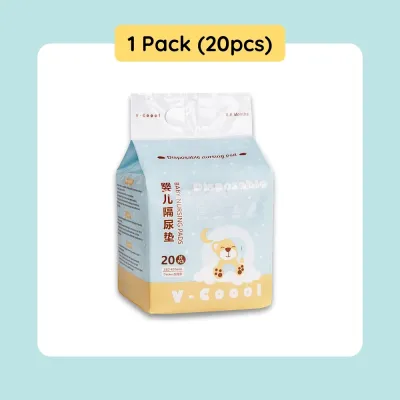
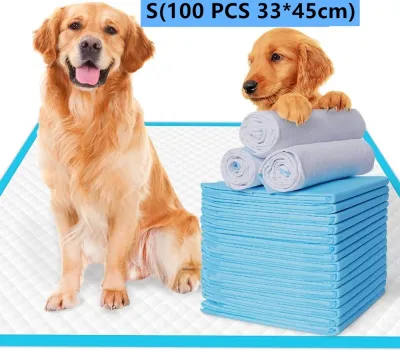
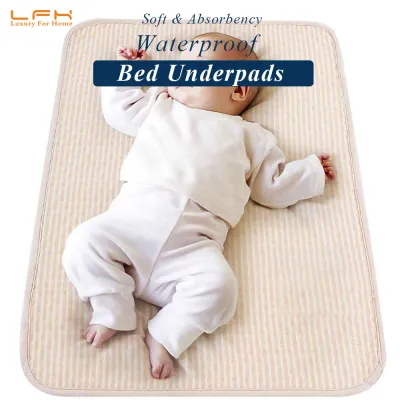
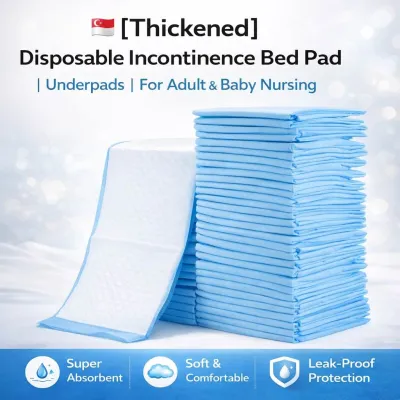
Prices are valid at publication and may change. Please refer to the product page for the latest price.
Beneath the soft top layer, a reliable baby pee pad must feature an effective absorbent core and a robust waterproof backing. The middle absorbent layer typically consists of materials like polyester microfiber or bamboo terry, which quickly draw moisture away from the surface to prevent liquid from pooling under your baby. For the bottom waterproof layer, check the product specifications to ensure it uses a safe, non-toxic material such as Thermoplastic Polyurethane (TPU) rather than Polyvinyl Chloride (PVC). TPU is a flexible, quieter, and more environmentally friendly barrier that does not rely on harmful phthalates for flexibility.
Breathability and skin safety are particularly important in Singapore’s warm and humid climate. A completely sealed, non-breathable plastic pad can trap heat and moisture, quickly leading to diaper rash or prickly heat on a newborn’s sensitive skin. Review product descriptions for explicit breathability claims, and pay close attention to the physical condition of the pad when first unpacked. It is highly recommended to avoid pads that emit strong, persistent chemical odors, as these can indicate the presence of volatile organic compounds that are unsuitable for a nursery environment.
Disposable vs. Washable Options: Which Fits Your Routine?
Deciding between single-use disposable pads and reusable washable options is a key step in planning your caregiving routine, budget, and laundry schedule. Disposable pee pads offer unmatched convenience, especially during the chaotic early weeks of parenthood. They are lightweight, pre-folded, and highly portable, making them ideal for quick diaper changes in shopping mall parenting rooms or during late-night changes when you want to minimize cleanup. Once soiled, they are simply rolled up and discarded, saving you valuable time and effort.

However, the recurring expense of disposable pads can accumulate significantly over your baby’s first year. Washable pee pads require a higher upfront investment, with prices in Singapore typically ranging from S$15 to S$40 per pad depending on the size and material quality. Despite this initial cost, reusable pads can be washed and reused hundreds of times, making them a far more economical and environmentally friendly choice in the long run. They also tend to feel softer and more substantial under a baby’s body compared to the thin plastic backing of most disposables.
When opting for washable pads, you must consider the unique drying requirements imposed by Singapore’s high relative humidity. Reusable pads with thick absorbent cores and waterproof TPU backings can take a surprisingly long time to air-dry indoors. If these pads remain damp for extended periods, they run a high risk of developing musty odors or harboring mold and bacteria. Before purchasing, verify the manufacturer’s drying instructions to see if the pads can be safely tumble-dried on low heat, or ensure you have a well-ventilated outdoor drying space or a reliable clothes dryer to guarantee they dry completely before their next use.
Sizing and Coverage for Your Changing Table
Ensuring your selected baby pee pad dimensions adequately cover your changing area is crucial for preventing leaks onto your nursery furniture or floor. Before browsing online marketplaces or visiting physical baby boutiques, use a measuring tape to get the exact dimensions of your changing table topper, dresser surface, or portable changing mat. A pad that is too large will bunch up at the edges, creating an uneven and potentially unstable surface for your baby, while a pad that is too small will leave valuable furniture exposed to accidental stains.
You must also factor in your baby’s rapid growth and increasing mobility when choosing a pad size. While a tiny pad may seem sufficient for a tiny newborn, babies quickly learn to wiggle, kick, and stretch during diaper changes. A pad with generous dimensions, such as 50cm by 70cm, provides a practical safety buffer that accommodates active movements and keeps your baby fully insulated from the changing surface beneath. This extra coverage is especially helpful during active diaper changes when sudden sprays or leaks are most likely to occur.
The physical design of the pad’s edges and backing also plays a major role in keeping it securely in place. Some changing pads feature contoured shapes or raised edges that help keep the baby centered, while others rely on flat designs with non-slip silicone backing. If you are placing the pee pad on a smooth wooden or laminate dresser top, look for options with explicit non-slip features to prevent the pad from sliding around as you work. Secure fit mechanisms, such as elastic straps that wrap around the changing table topper, offer an extra layer of stability.
Building Your Shortlist: What to Verify on Product Labels
Creating a practical shortlist of baby pee pads requires filtering products based on verifiable specifications rather than generic marketing claims. When shopping on e-commerce platforms or in physical stores, always cross-reference the manufacturer’s recommended age and weight guidelines. Some structured changing pads or wedge-shaped mats have strict weight limits to ensure structural integrity and prevent tipping. Never assume a pad is safe or suitable for a newborn simply because of its product name; always verify the official documentation.
Care and washing instructions are another critical detail to verify on the product label, particularly for reusable options. Look for clear instructions regarding the maximum washing temperature and whether machine drying is permitted. Many high-quality waterproof layers will delaminate, crack, or lose their waterproof properties if exposed to high heat during washing or drying cycles. If your household routine relies heavily on a tumble dryer, prioritize pads that are explicitly labeled as dryer-safe on low heat settings to avoid premature wear.
Finally, look for explicit safety warnings and non-slip specifications on the packaging. Manufacturers of reputable baby products will clearly state that pee pads are designed solely for active diaper changes under direct caregiver supervision. They should feature warnings against using the pad as a mattress protector for unsupervised infant sleep or play, as loose fabrics can pose a serious suffocation hazard. Checking for these warnings is a reliable way to distinguish high-quality, safety-conscious brands from generic, unverified imports.
Safe Usage and Daily Maintenance
Establishing safe usage habits and a consistent hygiene routine is essential for maintaining your baby pee pad’s effectiveness and protecting your newborn’s skin. Always place the changing pad on a stable, flat, and secure surface before laying your baby down. The golden rule of diaper changing is constant supervision; never leave your newborn unattended on a changing table or pee pad, even for a split second, and even if the table features safety straps. Keep all necessary diapering supplies, such as clean diapers, wipes, and barrier creams, within arm’s reach before you begin.
When it comes to cleaning washable pads, always follow the specific care label instructions to preserve the fabric’s integrity. Rinse off any solid waste immediately under running water before tossing the pad into the washing machine. Use a gentle, baby-safe detergent that is free from synthetic fragrances, optical brighteners, and harsh dyes, which can easily irritate a newborn’s sensitive skin. Avoid using fabric softeners or dryer sheets, as these products leave a chemical residue on the fabric fibers that severely reduces the pad’s absorbency over time.
Regularly inspect your baby pee pads for signs of wear and tear during your laundry cycles. Over time, frequent washing can cause the waterproof backing to crack, peel, or become stiff, which compromises its ability to protect your furniture. If you notice any delamination, persistent sour odors that remain after a thorough wash, or a noticeable decrease in how quickly liquid absorbs, the pad has reached the end of its lifespan. Discard the worn pad immediately and replace it to maintain a hygienic and dry changing environment for your baby.
Frequently Asked Questions (FAQ)
Can I use a regular waterproof mattress protector instead of a baby pee pad?
While both products feature waterproof barriers, they are designed for entirely different purposes and safety standards. Regular waterproof mattress protectors are sized to fit tightly over a crib or adult mattress to protect it during sleep, whereas baby pee pads are smaller, highly portable, and optimized for rapid absorbency during active diaper changes. Using a loose, oversized mattress protector on a changing table or dresser top can create dangerous folds of excess fabric, which pose a serious suffocation hazard for a newborn. For diaper changes, always use a purpose-built, correctly sized baby pee pad that lies completely flat and secure.
How many baby pee pads do I need for a newborn?
The ideal number of baby pee pads depends on your diaper changing routine and laundry frequency. Newborns typically require 10 to 12 diaper changes per day, and unexpected leaks can happen frequently. If you choose disposable pads, starting with a single pack of 20 to 30 pads allows you to evaluate their performance before buying in bulk. For washable pads, if you run a load of baby laundry every two days, a set of 3 to 5 reusable pads is generally sufficient. This quantity ensures you always have one pad in active use, one or two in the wash cycle, and at least one dry backup ready to go, even during periods of high humidity when air-drying takes longer.

Community discussion
Share your experience or ask a question. Comments are reviewed before publication.