
Selecting the right baby nail care tool depends entirely on your child’s developmental stage and nail texture rather than a rigid calendar age. For newborns, whose paper-thin, pliable nails easily tear or bend, rounded-tip baby nail scissors or electric files are the safest and most precise options. As infants grow and their nails harden, lever-style baby nail clippers become highly efficient for managing thicker nail plates. Matching the tool to your baby’s physical development ensures a stress-free grooming routine while minimizing the risk of accidental skin nicks.
Before purchasing any grooming product, always verify the manufacturer’s age recommendations, weight or size ranges, and specific safety warnings on the product packaging. Because infant development varies, a tool that works well for one baby may not be suitable for another at the same age. Caregivers must prioritize active supervision and inspect tools regularly for wear, ensuring that nail care remains a safe, controlled process.
Identifying Your Baby's Nail Development Stage
Understanding the physical characteristics of your baby’s nails is the first step in choosing the correct grooming tool. Newborn nails are incredibly soft, flexible, and almost translucent. They grow rapidly but are often fused very closely to the underlying skin bed, known as the hyponychium. Because the nail plate is so thin and pliable, it can easily bend under the blunt pressure of standard cutting tools, making it difficult to distinguish where the nail ends and the delicate skin begins.
Products mentioned in this guide
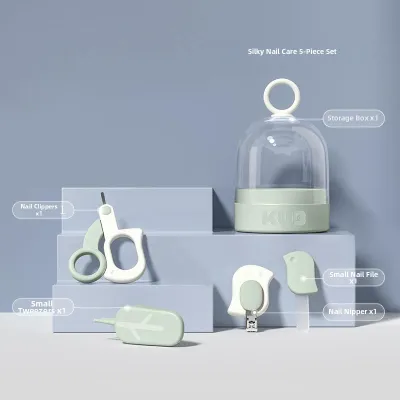
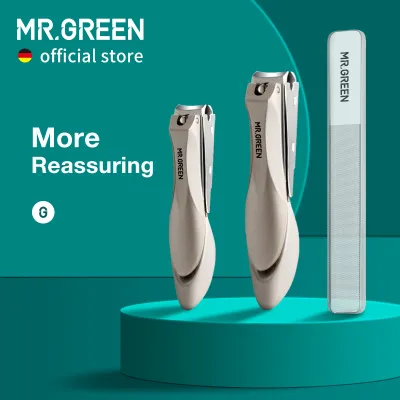
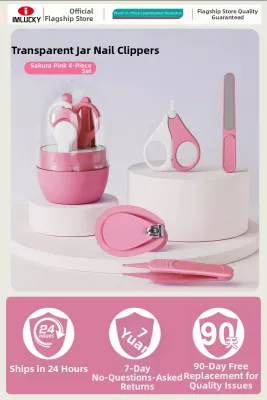
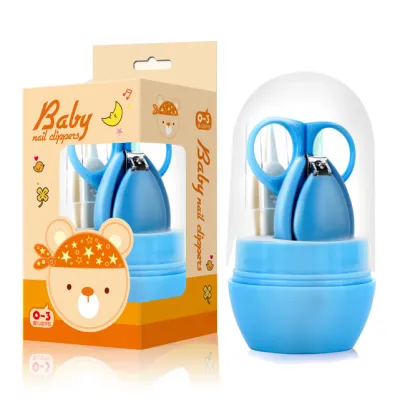
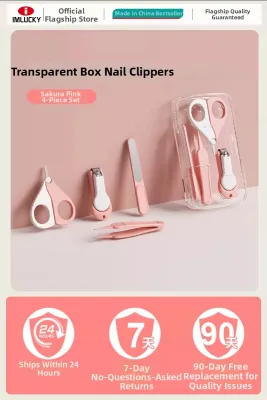
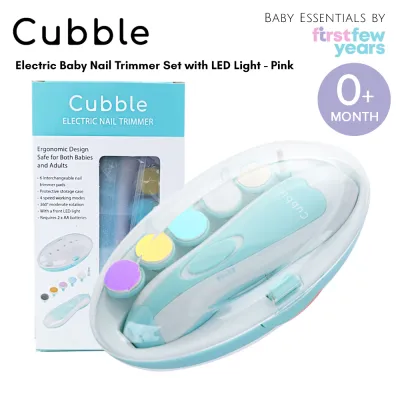

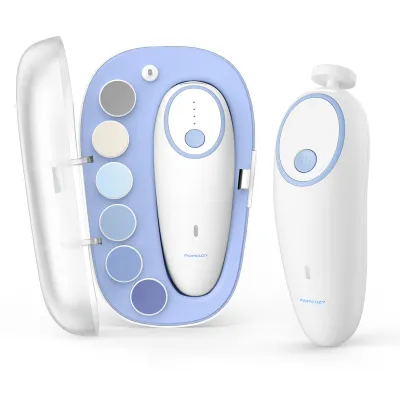
Prices are valid at publication and may change. Please refer to the product page for the latest price.
As your baby grows, you will observe clear transition signals indicating that their nails are beginning to harden and thicken. Around the age of three to four months, the nails lose their paper-thin, membrane-like quality and develop a more defined, rigid edge. They also begin to grow outward away from the skin bed rather than curving tightly around the fingertip. This hardening process means the nails will no longer bend easily, requiring a tool that can make clean, decisive cuts without tearing the nail plate.
Developing motor skills and increased physical activity also play a significant role in how you manage nail care. Newborns have limited voluntary movement, though their involuntary startle reflex can cause sudden jerks. Older infants, however, constantly wriggle, grab, and stretch their fingers as they explore their environment. This active movement reduces your window of stability, meaning you need a tool that either works incredibly fast or features built-in safety mechanisms to prevent injury during sudden shifts in position.
In humid climates like Singapore, environmental factors can also influence nail texture. High humidity and frequent baths can make a baby’s nails even softer and more pliable than usual. Caregivers should observe these daily changes and adjust their grooming approach, ensuring they do not attempt to clip nails that are too soft to cut cleanly, as this can lead to painful tearing or uneven edges.
Choosing Between Scissors, Clippers, and Electric Files
To select the best tool for your baby, it is helpful to understand how the three primary categories—scissors, clippers, and electric files—interact with delicate infant skin. Each tool utilizes a distinct mechanical action to reduce nail length, and each carries its own set of trade-offs regarding speed, precision, and the caregiver’s learning curve. Choosing the right mechanism depends on your comfort level and your baby’s temperament.

Baby nail scissors use a shearing action, allowing you to guide a continuous, highly visible cut along the curve of the nail. Lever-style baby nail clippers use a crushing or clipping action, which is incredibly fast but requires precise placement to avoid catching the skin. Electric nail files rely on gentle abrasion, using a rotating textured pad to wear down the nail gradually, which virtually eliminates the risk of cutting the skin but requires more time to complete.
| Tool Type | Primary Mechanism | Best For | Key Advantage | Main Trade-Off |
|---|---|---|---|---|
| Baby Nail Scissors | Shearing (cutting) | Newborns & young infants | Excellent visibility & control | Requires steady hand coordination |
| Baby Nail Clippers | Clipping (shearing) | Older infants (3+ months) | Fast, clean cuts on hard nails | Higher risk of skin pinching if rushed |
| Electric Nail Files | Gentle abrasion (grinding) | All ages / anxious parents | Extremely low risk of skin cuts | Takes longer; requires batteries/charging |
Baby Nail Scissors
Rounded-tip baby nail scissors are widely considered the gold standard for early infancy. Because newborn nails are exceptionally soft and prone to bending, the precise shearing motion of scissors allows you to slide the thin blade gently under the nail edge without pushing the nail down into the skin bed. This provides unmatched visibility, allowing you to see exactly where the blade meets the nail plate before you make a cut.
When shopping for baby nail scissors, there are several essential design checks you must verify on the product packaging or label. The blades must be short, thin, and slightly curved to match the natural rounded contour of a baby’s tiny fingertips. Most importantly, the tips of the blades must be completely rounded and bulbous to prevent accidental puncture wounds if your baby makes a sudden, unexpected movement. The finger loops should feature an ergonomic, non-slip grip that fits your fingers comfortably, ensuring maximum stability during use.
While scissors offer excellent precision, they do have limitations. As your baby’s nails thicken and harden around the four-month mark, scissors may begin to struggle, occasionally folding the nail rather than cutting it cleanly. Additionally, if your baby becomes highly active and wriggles constantly, holding a pair of scissors near their moving fingers can become challenging. When you notice these signs, it is time to transition to a tool better suited for older infants.
Baby Nail Clippers
Lever-style baby nail clippers are designed specifically to handle the firmer, more rigid nails of older infants. Once your baby’s nails have hardened and separated slightly from the skin bed, a quick, clean clip is often the most efficient way to keep up with their rapid growth. Clippers allow you to trim the nail in a fraction of the second, which is highly beneficial when dealing with an active baby who dislikes sitting still.
To ensure safety, you must verify several key features before purchasing baby nail clippers. Look for a model with a very small, curved cutting jaw that matches the tiny radius of an infant’s finger. The jaw opening should be narrow—just wide enough to slide the thin nail in, but too small to easily trap the fleshy pad of the fingertip. Some specialized baby clippers also feature built-in magnifying glasses or small LED lights to help you clearly see the cutting line, which is incredibly helpful for close-up precision.
Never use adult nail clippers on a baby. Adult clippers have much wider, flatter blades that do not conform to the curve of a baby’s fingers, and they lack the sensitive leverage control required to feel if you have accidentally caught the skin. Using oversized or poorly designed clippers significantly increases the risk of painful nicks, deep cuts, and subsequent localized infections. Always choose clippers specifically labeled and sized for infants.
Electric Nail Files
Electric baby nail files, also known as rotary nail trimmers, use battery-powered rotating abrasive pads to gently file down the nail. This tool is a highly versatile option that can be used safely from birth through toddlerhood. It is particularly popular among anxious caregivers who are terrified of accidentally cutting their baby’s skin with traditional metal blades.
The primary benefit of an electric file is its high safety margin. The abrasive pads are designed to grind down the relatively soft nail keratin while slipping harmlessly against the softer, more elastic skin of the fingertip. When selecting an electric file, verify that the device offers multiple speed settings and comes with color-coded, interchangeable filing pads. These pads are graded by grit density to match different stages of nail hardness, from ultra-fine pads for newborns to coarser pads for older infants and toddlers.
Despite their safety advantages, electric files do have practical trade-offs. The filing process takes significantly longer than a quick clip with scissors or clippers, which can try the patience of a wriggly baby. They also require ongoing battery management or regular charging to maintain consistent motor speed. Furthermore, some babies may be startled by the physical vibration or the low humming sound of the motor, so it is wise to check product specifications for low-noise or whisper-quiet motors.
Safety Features to Verify Before You Buy
When browsing local baby specialty stores or online marketplaces, it is crucial to look past aesthetic designs and focus on concrete safety and material specifications. Carefully read the product labels and packaging to verify that the materials used are safe and durable. The plastic housing of any nail care tool should be robust, impact-resistant, and explicitly labeled as BPA-free. Metal components, such as scissor blades or clipper jaws, should be made of high-quality, rust-resistant stainless steel that can be easily sanitized with alcohol wipes without degrading.
Visual aids are another highly practical feature to look for on product listings. Built-in LED lights located near the cutting edge or filing pad are incredibly useful for illuminating the tiny gap between the nail and the skin bed, especially if you prefer to trim your baby’s nails while they are asleep in a dimly lit room. Magnifying attachments can also assist caregivers who require extra visual clarity for close-up, precise alignment.
Finally, consider the storage and hygiene features of the tool. Look for products that include protective blade covers, caps, or dedicated travel cases. A proper storage case keeps the cutting edges clean, prevents dust and lint from accumulating on abrasive pads, and ensures that sharp scissor tips or clipper levers do not accidentally open and damage other items in your diaper bag. Keeping the tools enclosed also prevents older siblings from accessing them without supervision.
Safe Trimming Techniques for Wriggly Babies
Even the highest-quality tool requires proper technique to ensure a safe, tear-free grooming session. Timing is the most critical factor when planning a trim. The easiest time to manage your baby’s nails is when they are deeply asleep, during a calm feeding session, or immediately after a bath when the nails are at their softest and most pliable. Trimming during these quiet windows significantly reduces the likelihood of sudden movements.
To begin, establish a secure and comfortable positioning strategy. If your baby is awake, sit them firmly in your lap facing away from you, so you are looking at their hands from the same perspective they are. This prevents you from having to cut upside down or at awkward angles. Hold your baby’s hand securely, isolating one tiny finger at a time between your thumb and forefinger. Always use your thumb to gently press the fleshy pad of the baby’s fingertip down and away from the nail edge before you position the scissors, clippers, or filing pad.
Always establish clear stop conditions before you begin grooming. If your baby becomes highly distressed, starts crying hysterically, or pulls away with significant force, stop the process immediately. Do not attempt to force the trim, as this increases the risk of injury and can create long-term anxiety around nail care. It is far safer to pause, soothe your baby, and try again later, or enlist the help of a second caregiver to gently stabilize the baby’s arm while you focus entirely on the precision of the tool.
Frequently Asked Questions (FAQ)
How often should I trim my newborn's nails compared to an older infant?
Newborn fingernails grow incredibly fast and may need to be trimmed or filed two to three times a week to prevent them from scratching their delicate faces. Their toenails, however, grow much slower and typically only require attention once or twice a month. As infants grow older, their fingernail growth slows slightly, usually requiring a trim once a week. Rather than following a strict calendar schedule, observe your baby’s hands daily; if you see sharp edges, rough corners, or if they begin scratching themselves, it is time for a trim.
What should I do if I accidentally cut my baby's skin while trimming?
If you accidentally nick your baby’s skin, remain calm. Immediately apply gentle pressure to the cut using a clean, damp cloth or a piece of sterile gauze until the bleeding stops. Do not apply standard adhesive bandages to your baby’s fingers or toes, as babies frequently put their hands in their mouths, creating a serious choking hazard if the bandage detaches. Keep the area clean with mild soap and water. If the bleeding does not stop after several minutes of continuous, gentle pressure, or if you notice signs of localized infection such as increasing redness, swelling, warmth, or pus in the following days, consult a pediatrician or healthcare professional immediately.
Community discussion
Share your experience or ask a question. Comments are reviewed before publication.