
Safe oral contact requires baby mouth wipes to rely on highly purified water and food-grade, minimal ingredients, completely free from harsh preservatives, synthetic fragrances, and drying alcohols. Because babies frequently explore their world with their mouths and swallow residue left on their gums or lips, any wipe used around the oral cavity must meet much stricter safety standards than standard skin wipes. Parents must carefully verify the ingredient list of any commercial wipe to ensure it is specifically formulated and tested for oral contact.
In warm, humid climates like Singapore, keeping a baby’s face and mouth clean after feeding is a constant task, making ingredient safety a daily priority. While convenience is important, understanding what goes into these products is essential for protecting your baby’s developing system.
Why Ingredient Safety Matters for Oral Wipes
Baby mouth wipes are designed specifically for cleaning milk residue, drool, and early teeth or gums after feeding. Unlike the outer skin on a baby’s arms or legs, the oral cavity is lined with mucous membranes. These membranes are highly vascular, thin, and much more permeable than the outer skin barrier.
Products mentioned in this guide
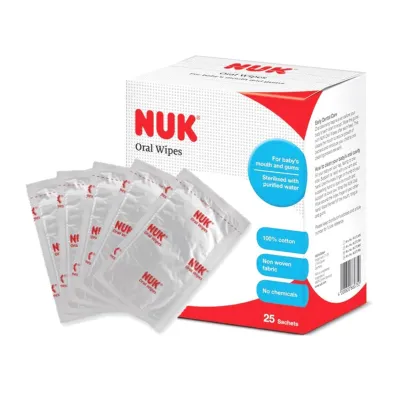
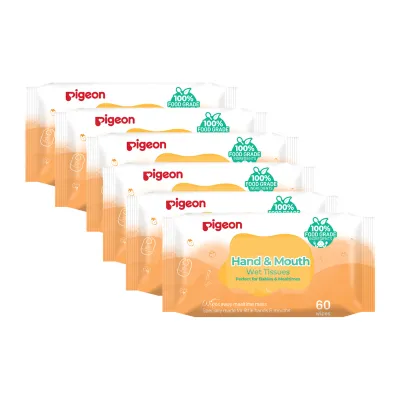
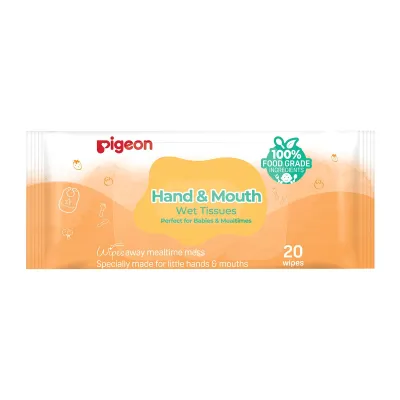
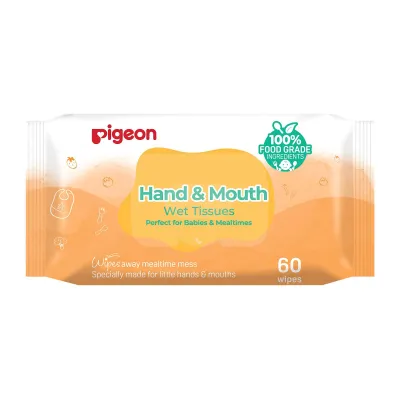
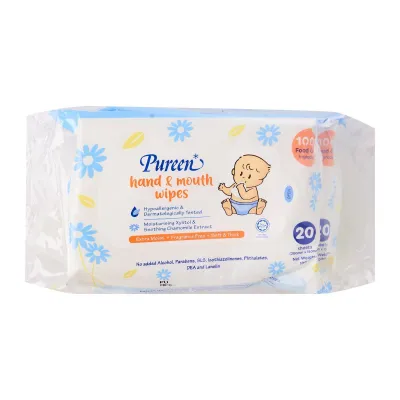
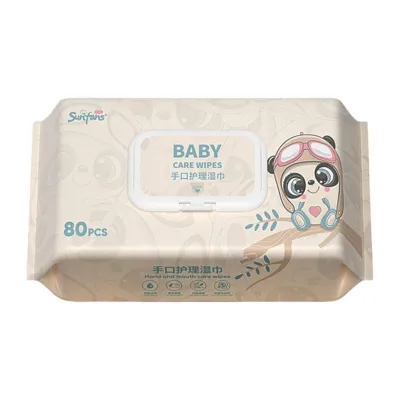
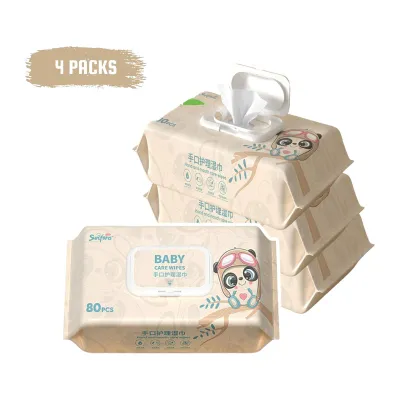
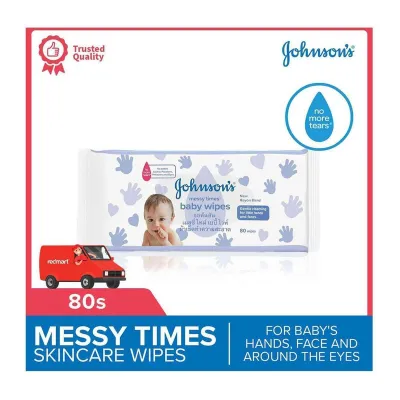
Prices are valid at publication and may change. Please refer to the product page for the latest price.
This unique structure means that substances applied inside or around the mouth can be absorbed into the body more rapidly and directly. Consequently, any chemical residue left behind by a wipe has a direct pathway into your baby’s system, either through absorption or accidental swallowing.
Standard diaper wipes are formulated to clean resilient outer skin and often contain preservatives, surfactants, and skin conditioners that are safe for external use but highly inappropriate for ingestion or mucosal contact. Using these standard wipes on a baby’s mouth can lead to localized irritation, chemical ingestion, or allergic reactions. When choosing a product for oral cleanup, parents must look for formulations specifically engineered for oral safety.
It is also important to recognize that commercial wipes are not always necessary. A simple, clean cotton cloth dampened with cooled, boiled water is often the safest and most reliable method for cleaning a baby’s mouth. This traditional approach eliminates the risk of chemical exposure entirely and is highly recommended, especially during the first few months of life when a baby’s immune and digestive systems are still developing.
How to Read and Evaluate Ingredient Labels
To ensure the safety of any baby mouth wipe, parents must learn to look past front-of-pack marketing claims. Terms like “natural,” “organic,” “hypoallergenic,” or “dermatologically tested” are frequently used for marketing and do not guarantee that a product is safe for oral contact or ingestion. The most reliable information is always found in the full ingredient list, typically printed in small type on the back or bottom of the packaging.

When scanning the ingredient list, remember that ingredients are listed in descending order of concentration. The first few ingredients make up the vast majority of the product. If you see complex chemical names, synthetic preservatives, or fragrances near the top of the list, the product may not be suitable for oral use.
Furthermore, “natural” or “plant-derived” ingredients are not inherently safe. Some botanical extracts can trigger allergic reactions or cause irritation when they contact the sensitive mucous membranes of the mouth. Always research unfamiliar plant extracts before using them near your baby’s mouth.
Many manufacturers label their mouth wipes as “food-grade” or “oral-safe.” While these labels indicate the manufacturer’s intent to use safer ingredients, they have limitations and are not always backed by standardized government regulations. Parents should verify these claims by checking the manufacturer’s official website or contacting them directly to ask for safety data sheets or evidence of independent oral toxicity testing. If a brand cannot provide clear evidence of safety testing for oral contact, it is best to choose a different product.
Mild Base Ingredients Typically Used for Oral Contact
Wipes designed for oral contact should have a very short and simple ingredient list. Purified water (often listed as Aqua) should always be the primary ingredient, typically making up over 99% of the formulation. High-quality water, such as deionized or medical-grade purified water, minimizes the risk of microbial contamination without requiring heavy chemical preservatives. This ensures that the base of the wipe is as neutral and non-irritating as possible.
In addition to water, some oral wipes contain mild, plant-derived cleansing agents or humectants. Glycerin is a common humectant used to retain moisture, while xylitol is a plant-derived sugar alcohol frequently included in oral wipes. Xylitol is popular because it does not promote tooth decay and has a naturally sweet taste that babies tolerate well. However, parents must verify that any plant-derived ingredients used are specifically tested for oral safety and are present in very low concentrations.
The role of pH balance is also critical when selecting oral wipes. The natural pH of a baby’s mouth is relatively neutral, and introducing highly acidic or alkaline substances can disrupt the oral microbiome and irritate the oral mucosa. Safe oral wipes are formulated to match this neutral range. Parents should look for products that explicitly state they are pH-balanced for oral contact and verify this through the manufacturer’s technical specifications or product documentation.
Ingredient Categories to Avoid or Scrutinize
When evaluating baby mouth wipes, several ingredient categories should be strictly avoided. Artificial fragrances, synthetic flavorings, and essential oils are primary culprits for allergic contact dermatitis and mucosal irritation. Even though a sweet flavor might make the wipe more acceptable to a baby, synthetic flavorings and essential oils can irritate the sensitive lining of the mouth and pose risks if swallowed. A safe oral wipe should be completely unscented and unflavored.
Strong synthetic preservatives designed for external skin or diaper areas must also be avoided. Ingredients such as parabens, phenoxyethanol, methylisothiazolinone (MIT), and benzalkonium chloride are highly effective at preventing mold and bacteria in standard wipes, but they are not formulated or tested for oral ingestion. These preservatives can be harsh on the oral mucosa and may cause systemic issues if swallowed repeatedly over time.
Finally, parents should avoid wipes containing alcohol or harsh surfactants. Denatured alcohol, ethanol, and strong foaming agents like sodium lauryl sulfate (SLS) can severely dry out the oral tissues. This drying effect can disrupt the mouth’s natural moisture barrier, leading to discomfort, soreness, and an increased susceptibility to minor oral infections like thrush. Always opt for alcohol-free and surfactant-free formulations.
Safe Usage and When to Stop
Using baby mouth wipes safely requires proper technique to minimize any potential risks. Always wash your hands thoroughly with soap and water before handling a wipe. Wrap a single, clean wipe gently around your clean index finger. Gently wipe only the outer lips, the gums, and the tongue using very light pressure. Avoid squeezing the wipe while it is in your baby’s mouth, as this can release excess liquid that might pool in the throat, causing the baby to choke or swallow concentrated ingredients.
Caregivers must closely observe the baby during and after cleaning. Watch for immediate signs of discomfort, such as pulling away, fussing, or crying, which may indicate that the wipe is causing a stinging or burning sensation. Regularly inspect your baby’s lips, gums, and inner cheeks for any signs of redness, swelling, tiny bumps, or unusual dryness that could point to an allergic reaction or localized irritation.
If you notice any adverse reactions, stop using the wipes immediately and discard the remaining product. Switch back to using a clean washcloth dampened with cooled, boiled water. If the redness or irritation persists, or if your baby shows signs of systemic distress such as vomiting, excessive drooling, or lethargy, consult a pediatrician or healthcare professional promptly. Always prioritize your baby’s comfort and safety over convenience.
Frequently Asked Questions (FAQ)
Can I use regular baby wipes to clean my baby's mouth?
No, regular baby wipes should not be used to clean a baby’s mouth. Diaper wipes and standard skin wipes are formulated with preservatives, cleansing agents, and fragrances designed solely for external skin, which has a much tougher barrier than the inside of the mouth. These ingredients are not tested for oral safety or ingestion. Using them around or inside the mouth risks exposing the sensitive oral mucosa to harsh chemicals that can cause painful irritation or be swallowed. If oral-specific wipes are unavailable, the safest alternative is a clean cotton washcloth dampened with cooled, boiled water.
What should I do if my baby swallows the liquid from a mouth wipe?
If your baby accidentally swallows liquid squeezed from an oral wipe, first check the product packaging for specific first-aid instructions or safety warnings. Monitor your baby closely for any unusual symptoms, such as vomiting, excessive drooling, coughing, or lethargy. Because high-quality oral wipes should contain highly diluted, mild ingredients, minor contact is typically low-risk, but any signs of physical distress require immediate attention. If you observe any adverse symptoms, or if the wipe used was not specifically rated for oral contact, contact a healthcare professional or your local medical helpline immediately for guidance.

Community discussion
Share your experience or ask a question. Comments are reviewed before publication.