
Finding the right baby milk water dispenser involves balancing three critical pillars: precise temperature control, safe and hygienic materials, and physical compatibility with your existing baby bottles. While many brands promise instant warm water at the push of a button, their real-world performance depends heavily on how accurately they maintain target temperatures and how easily their components can be cleaned to prevent bacterial growth. By systematically evaluating these factors, parents can select a reliable appliance that simplifies late-night feedings while keeping infant nutrition safe.
Evaluating Temperature Accuracy and Stability
Infant formula requires specific water temperatures to dissolve completely without clumping, while also protecting heat-sensitive nutrients like vitamins and probiotics. If the water is too cold, the powder may not mix thoroughly, leading to digestive discomfort or inconsistent feeding portions. Conversely, water that is too hot can degrade essential nutritional components and pose a serious scalding risk to a sensitive infant.
When comparing different models, look closely at the manufacturer’s technical specifications regarding temperature tolerance. High-quality appliances typically specify a narrow fluctuation range, often within one or two degrees of the target setting. It is essential to verify these claims against official product manuals rather than relying solely on promotional graphics, as consistent heat retention is vital for preparing safe bottles throughout the day and night.
Products mentioned in this guide
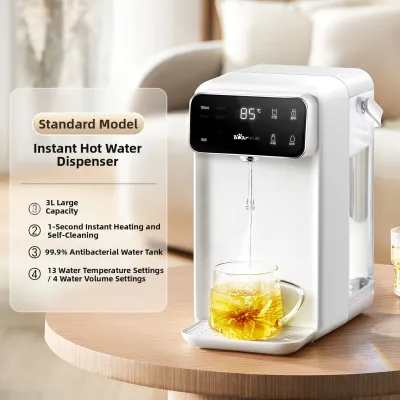
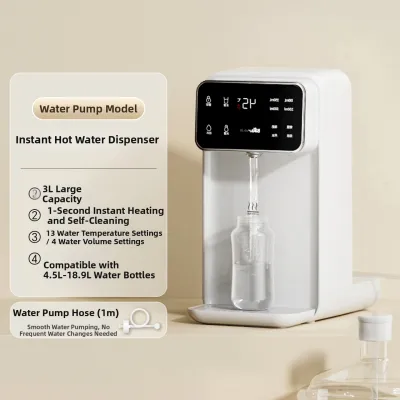
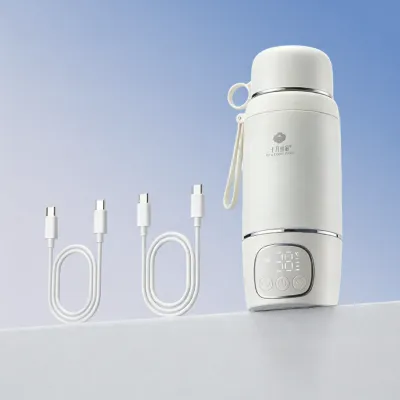
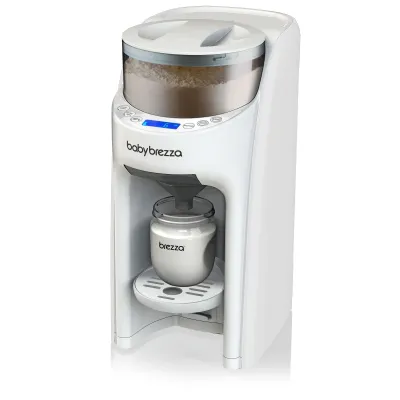
Prices are valid at publication and may change. Please refer to the product page for the latest price.
The internal heating mechanism plays a major role in how well a dispenser maintains its temperature. Basic models often rely on simple mechanical thermostats that cycle the heating element on and off, which can result in wider temperature swings between heating cycles. Advanced digital temperature control systems, such as those utilizing Proportional-Integral-Derivative (PID) controllers, continuously monitor and adjust the heat output to maintain a highly stable, flat temperature curve.
While rapid heating speeds are frequently highlighted in marketing materials, long-term temperature stability is far more critical for daily parenting routines. Examine user reviews and feedback on independent parenting forums to see how well a dispenser maintains its temperature over an eight-to-twelve-hour period. A machine that heats water quickly but allows it to cool down or overheat during extended standby periods can disrupt your feeding schedule and compromise formula safety.
Material Quality and Safety Standards
The materials used in the water tank and internal tubing directly impact water purity and taste. Common options include food-grade plastics (such as polypropylene), borosilicate glass, and high-grade stainless steel. Glass and stainless steel are highly resistant to mineral buildup and do not degrade over time, whereas plastic components, even when food-grade, may require more frequent inspection for wear and odor retention.

Chemical safety is a paramount concern for infant feeding accessories. Parents should actively verify that all water-contact components are certified BPA-free and BPS-free by checking the physical product packaging or requesting official material safety data sheets from the manufacturer. Because chemical formulations can change, do not assume a product is safe based on brand reputation alone; look for explicit, verified testing labels on the specific model you intend to purchase.
Singapore’s warm and highly humid climate creates an ideal environment for mold and bacterial growth in damp, enclosed spaces. Dispensers with sealed internal pathways that cannot be opened or flushed are highly susceptible to biofilm accumulation. Prioritize models that feature fully removable water tanks, accessible internal pipes, and detachable spouts that allow for thorough physical scrubbing and air-drying.
Before purchasing any electrical appliance for your home, verify that it complies with local safety regulations. In Singapore, household electrical appliances must carry the Consumer Protection Safety Authority’s “SAFETY Mark” to ensure they have been tested for electrical safety and are safe for local grid voltages. Avoid importing uncertified models from overseas online marketplaces, as they may lack the necessary safety protections and pose electrical or fire hazards in your home.
Bottle Compatibility and Physical Clearance
Before committing to a specific dispenser, measure the height of your tallest baby bottles, including any anti-colic venting inserts or specialized caps. The physical distance between the drip tray and the water spout must comfortably accommodate these bottles. If the clearance is too tight, you may find yourself tilting filled bottles at awkward angles, which increases the risk of hot water spills and burns.
A versatile dispenser should adapt as your baby grows and their feeding volume increases. Models equipped with adjustable or completely removable drip trays offer the flexibility to accommodate both short, wide-neck newborn bottles and tall, high-capacity transition bottles. This adaptability ensures the dispenser remains useful throughout your entire bottle-feeding journey without requiring you to purchase new bottle sets.
The alignment of the water spout is another practical detail that affects daily usability. Wide-neck bottles generally have a larger target area, but standard-neck or narrow-neck bottles require a highly focused, precise stream of water to prevent splashing. Check the design of the dispensing nozzle to ensure it delivers a clean, vertical stream that enters the bottle opening cleanly without dripping down the outer sides of the container.
A sturdy, slip-resistant base is essential for preventing accidental tips and spills in a busy kitchen environment. Look for dispensers featuring rubberized suction feet or a weighted bottom that keeps the unit firmly anchored to your countertop. This stability is particularly important when you are operating the machine one-handed while holding a hungry baby, as any sudden movement of the dispenser could lead to hot water spills.
Decision Framework: Choosing the Right Dispenser for Your Routine
A premium smart dispenser is highly suitable for families who require precise, customizable feeding routines. These models are ideal if you need exact temperature memory settings, multiple user profiles to accommodate different formula brands, or advanced scheduling features that ensure warm water is ready exactly when your baby wakes. The added convenience of digital displays and precise volume dispensing can significantly streamline nighttime feedings.
A compact or basic dispenser is often the best fit for families with limited kitchen counter space, such as those living in cozy apartments, or for parents who travel frequently. These models typically offer a single, highly reliable temperature setting that is perfectly calibrated for standard infant formula. While they lack advanced digital customization, their simpler mechanics often translate to straightforward operation and easier manual cleaning.
Neither option may be suitable if your preferred baby bottle brand exceeds the maximum physical clearance of standard dispensers, or if you require specialized, medical-grade sterilization features that are not integrated into these water-heating units. In such cases, a traditional combination of a certified bottle sterilizer and a separate, temperature-controlled kettle may provide a safer and more practical setup for your specific household needs.
Before finalizing your purchase, always verify the compatibility of any third-party accessories or mixed-brand setups to ensure you do not void the manufacturer’s warranty. Additionally, confirm that the appliance’s power requirements align with Singapore’s standard electrical supply to prevent overloading your kitchen circuits. If you ever notice unusual temperature fluctuations, strange odors, or persistent mineral buildup that does not resolve with cleaning, stop using the dispenser immediately and consult the manufacturer or a qualified technician.
Frequently Asked Questions (FAQ)
How often should I descale a baby milk water dispenser?
Limescale buildup is a natural consequence of heating water, appearing as white, chalky deposits on the heating element or causing a noticeable slowdown in water flow. To maintain optimal heating efficiency and water purity, you should inspect the unit regularly and descale it according to the manufacturer’s recommended schedule, which is typically every one to three months depending on local water hardness. Always consult your specific user manual for approved descaling agents, such as food-grade citric acid solutions, and strictly avoid harsh chemical cleaners or industrial descalers that could leave toxic residues within the internal water pathways.
Can I use purified or distilled water in the dispenser?
The choice of water type can affect both your baby’s health and the dispenser’s internal components. While some parents prefer distilled or highly purified water to minimize mineral buildup, certain advanced dispensers utilize conductivity sensors to detect water levels, and these sensors require a minimum level of mineral content to function correctly. Always check your product’s instruction manual to verify the recommended water sources and hardness limits, and ensure that any water used for infant formula preparation has been boiled and cooled to a safe temperature in accordance with pediatric health guidelines.
Community discussion
Share your experience or ask a question. Comments are reviewed before publication.