
To protect an infant’s delicate skin, parents should avoid baby detergents containing synthetic fragrances, essential oils, optical brighteners, artificial dyes, harsh preservatives like methylisothiazolinone, strong anionic surfactants, and high-alkaline builders. Because laundry residue remains trapped in fabric fibers and stays in continuous contact with a baby’s skin, selecting a formulation free of these common irritants is a vital preventative step.
Why Baby Skin is Vulnerable to Laundry Residue
An infant’s skin is structurally different from adult skin. The outer layer, known as the stratum corneum, is up to thirty percent thinner, which means its natural barrier function is still developing. Additionally, a newborn’s skin takes time to establish its “acid mantle”—the slightly acidic surface layer that helps repel harmful microbes and maintain hydration. Because of these biological differences, infant skin is highly permeable, allowing topical chemicals to absorb more easily and making the baby far more susceptible to contact irritants.
It is helpful to understand that “sensitive skin” exists on a spectrum. Some infants may experience immediate redness, dry patches, or contact dermatitis, while others show no obvious signs but still have a vulnerable skin barrier. Choosing a mild detergent is a proactive, preventative measure designed to protect this fragile barrier, rather than an absolute guarantee against every possible environmental trigger or skin condition.
Products mentioned in this guide
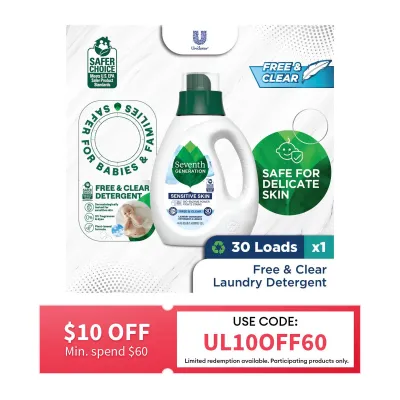
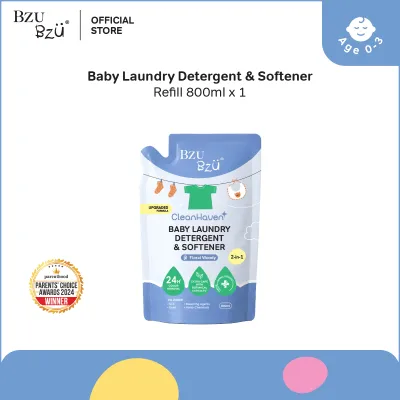
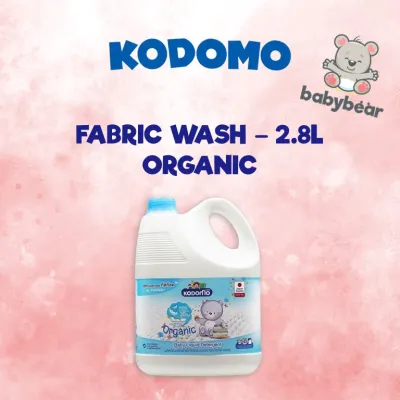
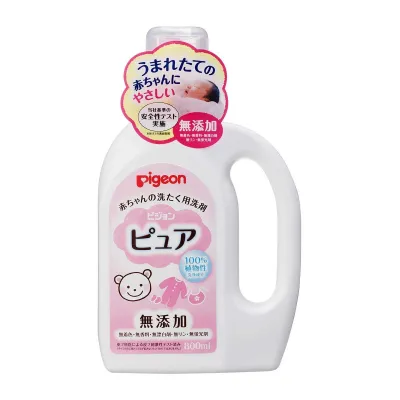
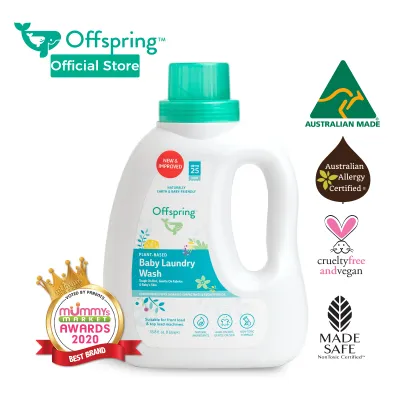
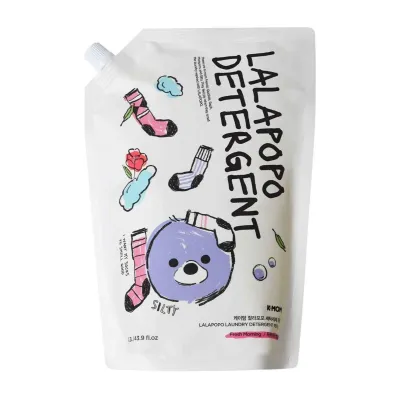
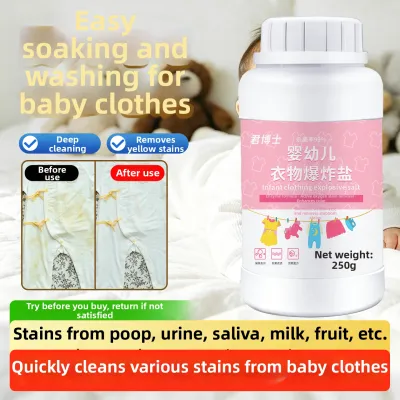
Prices are valid at publication and may change. Please refer to the product page for the latest price.
Because clothing, bedsheets, and swaddles remain in direct, prolonged contact with an infant throughout the day and night, any chemical residue left behind by laundry products acts as a continuous exposure variable. Friction from movement can rub these trapped residues deeper into the skin, making the chemical profile of your detergent a critical factor in daily skin health.
Top Ingredients to Avoid on the Label
When evaluating baby detergents, reading the ingredient list on the back of the packaging is far more reliable than relying on front-label marketing. Many standard cleaning chemicals are optimized for aggressive stain removal rather than dermatological safety. Below are the primary chemical categories and specific ingredient names that pose the highest risk of contact dermatitis or irritation for infants.

Synthetic Fragrances and Essential Oils
The word “fragrance” or “parfum” on a product label is often a catch-all term. Under trade secret laws, manufacturers are frequently permitted to use this single label to represent a proprietary mixture of dozens of undisclosed volatile chemicals, including phthalates used to make scents last longer. These hidden ingredients are among the most common triggers for allergic contact dermatitis and respiratory irritation in young children.
Many parents turn to natural or botanical alternatives, assuming they are inherently safer, but natural essential oils like lavender, citrus, tea tree, or eucalyptus contain active botanical compounds that are also known sensitizers. When exposed to heat, light, and air, these volatile organic compounds can oxidize on fabric fibers, potentially triggering skin reactions in babies with compromised skin barriers.
To minimize risks, always look for products that explicitly state they are free from both synthetic fragrances and natural added scents. A truly baby-safe detergent should smell like nothing at all, indicating that no unnecessary masking agents or botanical extracts have been added to the formula.
Optical Brighteners and Artificial Dyes
Optical brighteners are synthetic chemicals added to detergents to make fabrics appear cleaner and whiter. They achieve this visual effect not by removing dirt, but by depositing a microscopic chemical layer onto the fabric fibers that absorbs ultraviolet light and emits blue light. Because these chemicals are designed to resist rinsing so they can remain on the clothes, they maintain direct, prolonged contact with the baby’s skin, increasing the risk of mechanical friction irritation.
Artificial dyes are another category of unnecessary additives used purely for aesthetic purposes, such as giving the detergent liquid a pleasant blue, green, or pink hue. These colorants serve absolutely zero functional cleaning purpose and represent an easily avoidable risk factor for contact dermatitis.
When selecting a detergent, check the label for terms like “optical brighteners,” “fluorescent whitening agents” (FWAs), or specific color codes (such as CI followed by a number). Choosing clear, dye-free formulas ensures that your baby’s clothes are clean without being coated in light-reflecting chemical residues.
Harsh Preservatives and Surfactants
Surfactants are the active cleaning agents that lift dirt from fabric, but strong anionic surfactants, such as Sodium Lauryl Sulfate (SLS) or Sodium Laureth Sulfate (SLES) in high concentrations, can be overly stripping. These ingredients can damage the delicate lipid barrier of an infant’s skin, leading to transepidermal water loss, severe dryness, and heightened sensitivity to other environmental factors.
Preservatives are necessary in liquid detergents to prevent the growth of bacteria and mold, but certain chemical classes are notorious contact allergens. Parents should look out for and avoid harsh preservatives like methylisothiazolinone (MIT), methylchloroisothiazolinone (CMIT), and parabens, which have been widely documented as triggers for allergic contact dermatitis in both rinse-off and leave-on products.
Instead, guide your selection toward milder, non-ionic or amphoteric surfactant alternatives, such as coco-glucoside or decyl glucoside. These plant-derived cleansers effectively lift dirt and milk stains without stripping the essential lipids that keep your baby’s skin barrier intact.
High-Alkaline Builders and Phosphates
Healthy baby skin maintains a slightly acidic pH, typically hovering between 4.5 and 5.5, which is crucial for maintaining its antimicrobial defense and overall barrier function. Many commercial laundry detergents utilize high-alkaline builders—such as sodium carbonate (washing soda) or sodium silicate—to boost cleaning power, especially when dealing with hard water.
If these alkaline ingredients are not thoroughly rinsed out during the laundry cycle, they can remain in the fabric fibers and raise the pH of the baby’s skin upon contact. This disruption of the natural acid mantle weakens the skin barrier, leading to dryness, micro-tears, and an increased susceptibility to bacterial infections and eczema flare-ups.
Phosphates, which are sometimes used to soften water and improve detergent efficiency, also pose environmental concerns and can leave irritating mineral residues on clothing. Opting for pH-balanced formulations helps preserve the natural acidity of your baby’s skin.
Decoding "Hypoallergenic" and "Natural" Marketing Claims
Navigating the baby care aisle requires a healthy dose of skepticism, as front-of-pack claims are primarily marketing tools designed to appeal to parental instincts. Terms like “hypoallergenic,” “dermatologist-tested,” or “pediatrician-approved” are not governed by strict, universally enforced regulatory standards. A “dermatologist-tested” product may have simply been tested on a small group of healthy adult volunteers with no adverse reactions, which does not guarantee a zero-reaction outcome for an infant with active eczema.
It is also crucial to understand the regulatory difference between “unscented” and “fragrance-free.” A product labeled “unscented” may still contain chemical masking fragrances designed to neutralize the unpleasant raw smell of the cleaning agents, meaning sensitizing chemicals are still present. Conversely, “fragrance-free” means the product contains no added scent chemicals or masking agents whatsoever, making it the much safer choice for sensitive skin.
Similarly, terms like “plant-based,” “organic,” or “100% natural” can be highly misleading. Many natural substances are potent allergens—poison ivy is natural, yet highly irritating. A plant-derived surfactant can still undergo heavy chemical processing or be paired with harsh synthetic preservatives, meaning “natural” does not automatically equate to “irritant-free.”
To protect your infant, always turn the bottle around to examine the full ingredient list. If a manufacturer does not disclose their full ingredient list on the physical packaging or their official website, it is best to choose a brand that prioritizes complete transparency.
Positive Traits to Look for in a Safe Baby Detergent
When shifting focus from avoiding irritants to actively selecting a high-quality baby detergent, look for formulations built around mild, plant-derived non-ionic surfactants. Ingredients like alkyl polyglucosides (such as coco-glucoside, lauryl glucoside, or decyl glucoside) are excellent choices because they clean effectively, rinse away easily, and do not disrupt the skin’s lipid barrier.
A well-formulated baby detergent should also feature a neutral or slightly acidic pH that aligns closely with the natural pH of infant skin. This helps maintain the integrity of the acid mantle and prevents the dryness and irritation associated with highly alkaline laundry residues.
Prioritize brands that practice transparent, full ingredient disclosure, listing every single chemical and its purpose rather than using vague terms like “cleansing agents” or “biodegradable surfactants.” This transparency allows you to cross-reference ingredients if your baby experiences an unexpected skin reaction.
Additionally, look for credible, third-party endorsements from recognized organizations, such as national eczema or dermatological associations. Before purchasing, verify the current certification status and look for the official logo on the physical product packaging, as certifications can change over time.
Laundry Habits That Reduce Detergent Residue
Choosing the right formulation is only half the equation; how you wash your baby’s clothes plays an equally critical role in preventing skin irritation. One of the most common mistakes is over-dosing detergent under the assumption that more soap equals cleaner clothes. Excess detergent cannot be fully rinsed out by standard washing machine cycles, leaving a heavy chemical residue trapped within the fabric fibers. Always use the minimum recommended dose for your load size.
To further minimize residue, get into the habit of running an extra rinse cycle. This is particularly important when using modern high-efficiency (HE) front-loading washing machines, which are designed to use minimal water and may not always rinse heavy detergent loads thoroughly.
Water temperature is another key variable. While cold water is energy-efficient, washing baby clothes in warm water (around 30°C to 40°C, provided the fabric care label permits) helps powder or liquid detergents dissolve completely and wash away more efficiently. Always check the manufacturer’s care instructions on your baby’s garments before selecting a temperature.
In humid climates like Singapore, drying clothes presents unique challenges. Prolonged dampness from slow indoor drying can encourage microbial growth and cause a musty smell. This often tempts parents to use heavily fragranced fabric softeners or chemical sanitizers to mask the odor. Instead of adding chemical irritants, ensure clothes are dried in well-ventilated areas, use a dehumidifier indoors, or utilize a clothes dryer on a low-heat setting to keep garments soft and fresh naturally.
Frequently Asked Questions (FAQ)
Can I use regular adult detergent if I add an extra rinse cycle?
While running an extra rinse cycle significantly reduces the amount of chemical residue left on clothing, it does not completely eliminate exposure. Standard adult detergents often contain high concentrations of harsh anionic surfactants, strong alkaline builders, and heavy synthetic fragrances that remain active during the wash cycle. For infants with known skin sensitivities, eczema, or a compromised skin barrier, relying on adult detergent with an extra rinse is not recommended as a long-term practice. It may serve as a temporary fallback in an emergency, but transitioning back to a dedicated, fragrance-free baby detergent is highly advisable.
Are baby fabric softeners safe to use with sensitive skin detergents?
Most liquid fabric softeners and dryer sheets work by depositing a thin, waxy layer of lipids over fabric fibers to make them feel softer. This coating often contains quaternary ammonium compounds (quats) and strong synthetic fragrances, both of which are common contact allergens that can easily irritate sensitive infant skin. Furthermore, this chemical coating reduces the breathability and moisture-wicking capabilities of cotton fabrics, trapping sweat against your baby’s skin and potentially worsening heat rash. It is best to avoid chemical softeners entirely for baby laundry. Instead, use mechanical softening methods like clean wool dryer balls, or simply ensure clothes are thoroughly dried to maintain natural softness.

Community discussion
Share your experience or ask a question. Comments are reviewed before publication.