
Quick Answer: Matching Knee Protectors to Mobility Stages
The ideal baby knee protector is not a one-size-fits-all solution; the most effective style depends entirely on whether your baby is primarily crawling or transitioning to early walking. For active crawlers who spend hours on their knees, slip-on knee pads provide targeted, high-friction cushioning. If your baby is an early crawler or has highly sensitive skin, knee pants with integrated padding offer full-leg coverage without irritating elastic bands, making them perfect for air-conditioned rooms. For babies transitioning to early walking, adjustable strap-style protectors deliver lightweight, impact-resistant protection for sudden drops while leaving feet bare to maintain a firm grip on the floor.
Before making a purchase, parents must check the manufacturer’s specific guidelines regarding age, weight, and leg circumference. It is crucial to observe your baby’s current movement patterns—whether they are army crawling, hands-and-knees crawling, or cruising along furniture—to ensure the selected style supports their physical development. Never infer suitability from a product name alone; always verify the specifications in the product documentation to ensure a safe, appropriate fit for your child’s current growth stage.
How Crawling and Early Walking Change Protection Needs
As babies grow, their movement patterns shift, changing the biomechanical demands placed on their lower limbs. During the crawling stage, which typically begins between six and ten months, a baby’s knees bear a significant portion of their body weight. The skin on their knees experiences constant friction against flooring, which can lead to redness, mild abrasions, or friction burns. At this stage, a baby knee protector must focus on thick, localized cushioning and highly secure anti-slip grips that remain centered over the patella during repetitive bending.
Products mentioned in this guide
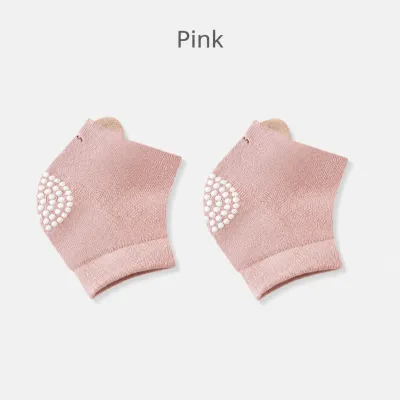
![[RABBIT] Baby Infant Cartoon Breathable Mesh Crawling Knee Pads ChildrenS Sponge Knee Pads Crawling Toddler Anti-Fall And Anti-Knock Safety Protector](https://img.lazcdn.com/g/p/9806b9d032b3230b6e3ab1cb8933b2e2.jpg_400x400q80.jpg_.webp)

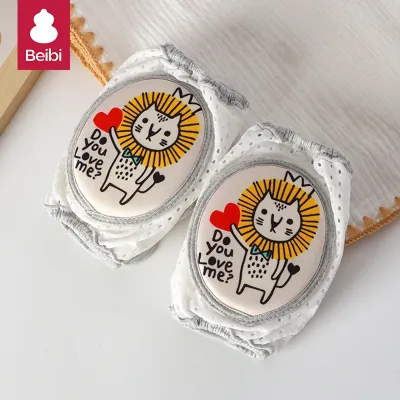

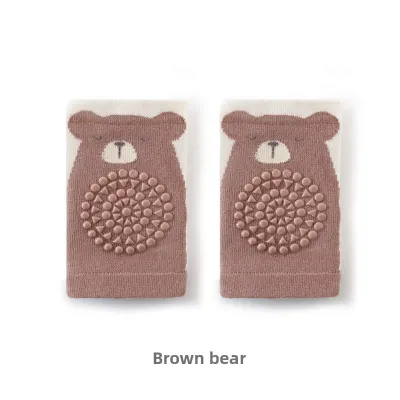
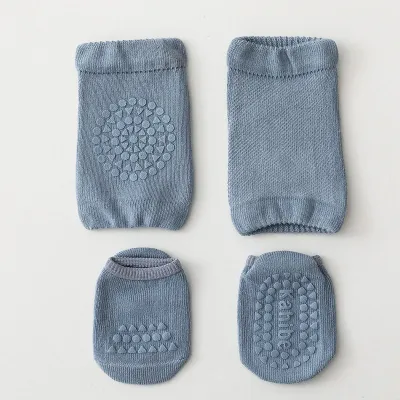

Prices are valid at publication and may change. Please refer to the product page for the latest price.

When a baby enters the early walking stage, their physical needs undergo a dramatic transformation. This transition phase, often characterized by cruising along furniture and taking tentative first steps, involves a completely different set of physical forces. Instead of continuous sliding friction, the primary challenge is impact absorption. Early walkers frequently lose their balance and drop directly onto their knees from a standing height. Therefore, protection must shift from thick, slide-resistant padding to lightweight, shock-absorbing materials that do not restrict leg extension or hinder the baby’s ability to stand up.
Furthermore, early walkers rely heavily on sensory feedback from the soles of their feet to develop balance and coordination. A protector that is too bulky, heavy, or covers the feet can interfere with this natural learning process. If a knee sleeve is too tight or restrictive, it may discourage a baby from bending their knees to transition between sitting, standing, and walking. Understanding these distinct developmental phases helps parents avoid the mistake of using a heavy crawling pad for a baby who is actively trying to stand and walk.
Comparing Knee Pads, Knee Pants, and Strap-Style Protectors
Selecting the right baby knee protector requires evaluating how different designs perform under real-world conditions. The three primary styles available on the market—slip-on knee pads, integrated knee pants, and strap-style protectors—each offer distinct structural advantages and trade-offs. By examining their design, pros, cons, and ideal use cases, parents can select a style that matches their baby’s physical build and current mobility level.
Slip-On Knee Pads
Slip-on knee pads are designed as elasticated fabric sleeves, typically made of cotton, spandex, or polyester blends, featuring a padded or silicone-grip front panel. They slide directly up the baby’s leg and sit snugly over the knee joint, offering targeted protection.
These sleeves provide excellent, targeted cushioning directly over the kneecap. Because they are compact, they are incredibly easy to put on over bare legs during warm days or over thin leggings when extra warmth is desired. Their snug fit ensures they remain securely in place during vigorous crawling sessions, preventing the pad from shifting away from the contact point.
The primary drawback of slip-on pads is their potential to cause discomfort if sized incorrectly. The elastic bands at the top and bottom can dig into chubby thighs or calves, leaving red marks or restricting circulation. Additionally, if a baby’s leg shape does not match the taper of the sleeve, the pads may slide down to the ankles or bunch up behind the knee, causing friction and irritation.
These are best for active, dedicated crawlers who spend most of their active hours on hands and knees, particularly on hard indoor surfaces where reliable, non-slip friction protection is the primary requirement.
Knee Pants with Built-In Protection
Knee pants with built-in protection are specialized leggings, trousers, or rompers that feature permanently sewn-in or removable padded inserts directly at the knee area. They function as a complete garment rather than an accessory.
The most significant benefit of these pants is the complete absence of localized elastic bands, which eliminates the risk of tight rings digging into your baby’s skin. They provide full-leg coverage, protecting the shins and thighs from scratches while keeping the padding perfectly aligned. Because the padding is integrated into the fabric, it cannot slip down or twist around the leg during play.
These garments are inherently less breathable than open-style pads, making them less suitable for hot, humid environments without air conditioning. Because they are full pants, the entire garment must be laundered after every use, which increases wear and tear. Furthermore, sizing is tied to the baby’s overall height, waist, and leg length; as the baby grows, the knee padding may no longer align correctly with the actual joint.
These are best for early crawlers, babies with highly sensitive skin prone to elastic chafing, and babies spending extended play periods in heavily air-conditioned indoor spaces.
Strap-Style Knee Protectors
Strap-style knee protectors consist of a central, shock-absorbing padded shield that is secured around the back of the leg using adjustable Velcro or snap fasteners. This design minimizes fabric coverage around the rest of the limb.
These protectors offer exceptional adjustability, allowing parents to customize the tightness to fit a wide range of leg circumferences. They are extremely easy to put on and take off without removing the baby’s shoes or trousers. Because they cover only the immediate knee area and leave the back of the leg open, they offer superior heat dissipation and ventilation.
The straps can sometimes loosen or shift during rapid, vigorous crawling, requiring frequent adjustments. Additionally, the exposed Velcro edges or plastic adjustment buckles can occasionally scratch the baby’s opposite leg during cross-legged movements, or scrape against delicate wood floors and leather furniture.
These are best for transitioning toddlers and early walkers who require lightweight, highly adjustable impact protection for sudden falls, without restricting their knee flexion or trapping excess body heat.
Key Selection Factors for Singapore Homes and Climate
Singapore’s tropical climate and unique residential interiors play a critical role in determining which baby knee protector is most practical. High daily temperatures and elevated humidity levels mean that babies sweat quickly, especially during physically demanding activities like crawling. Thick, non-breathable materials like heavy neoprene or dense synthetic polyesters can trap heat and sweat against the baby’s delicate skin. This trapped moisture can rapidly lead to heat rash, eczema flare-ups, or friction-induced chafing. Parents should prioritize moisture-wicking, breathable fabrics such as organic cotton, bamboo fiber, or open-weave mesh panels that facilitate continuous airflow.
The flooring materials commonly found in Singaporean flats and houses also influence product performance. Most local homes feature hard, smooth surfaces such as ceramic tiles, polished marble, vinyl planks, or laminate flooring. While these floors are easy to clean, they offer very little natural traction and can feel exceptionally hard during a fall. For crawling on smooth tiles, a baby knee protector must feature effective silicone or rubberized outer grips to prevent the baby’s knees from splaying outward, which can hinder proper crawling posture. Conversely, for early walkers on hard vinyl or tile, the primary need is a high-density foam insert that can absorb the impact of sudden drops from a standing position.
Humidity also amplifies the risk of skin irritation from friction. When elastic bands become wet with sweat, they rub more aggressively against the skin. To minimize this risk, look for protectors designed with flat, seamless edges and soft, brushed inner linings. Mesh backing behind the knee joint is highly beneficial, as this area is a primary sweat zone and prone to painful pinching when the leg is bent.
Before finalizing a purchase, always verify the exact material composition and manufacturer care instructions on the product label. Claims of breathability or hypoallergenic properties can vary widely between brands. Opt for products that explicitly state their fabric blend and confirm they are free from harsh chemical dyes or irritating synthetic finishes.
Decision Framework: Which Type Should You Buy?
To simplify your purchasing decision, evaluate your baby’s current developmental stage, physical environment, and skin sensitivity against this structured framework.
- Choose Slip-On Knee Pads if: Your baby is actively and consistently crawling on hands and knees, your home features hard ceramic or marble tiles, and you need a highly secure, targeted pad that will not slide out of place during continuous forward movement.
- Choose Knee Pants if: Your baby has highly sensitive skin that easily develops red marks from elastic bands, your home is kept consistently air-conditioned, or your baby is in the very early stages of crawling and requires gentle, full-leg comfort without localized pressure points.
- Choose Strap-Style Protectors if: Your baby is cruising, pulling up on furniture, or taking early steps, requiring lightweight, flexible impact protection for sudden drops to the floor without restricting knee bending or trapping excess body heat.
Verify First if: Your baby has exceptionally chubby or slender legs. In these cases, standard slip-on sleeves may fit too tightly or slide off entirely. Always measure your baby’s thigh and calf circumference and compare these measurements against the manufacturer’s specified sizing limits. If your baby has an active skin condition, such as eczema or heat rash, consult a pediatrician before introducing any tight-fitting or synthetic knee gear, as friction and trapped sweat can exacerbate skin irritation.
Safety Checks, Fit, and Care Instructions
Ensuring the safe and hygienic use of a baby knee protector requires regular inspection and proper maintenance. When fitting any slip-on or strap-style protector, always apply the “two-finger rule.” You should be able to slide two fingers comfortably under the elastic bands or straps. This check ensures that the protector is snug enough to stay in place without restricting blood circulation or pinching the skin. After removing the protectors, inspect your baby’s legs immediately; if you notice deep red rings or localized skin indentations, discontinue use of that size or style and transition to a larger size or a strap-style model.
It is vital to remember that a baby knee protector is designed solely to cushion minor bumps and reduce friction on flat surfaces; it is not a safety guarantee. These accessories are never a substitute for active adult supervision or comprehensive home baby-proofing. They will not protect a baby from sharp furniture corners, stairs, or heavy falling objects. Caregivers must remain vigilant and ensure the play environment is completely clear of hazards.
Proper hygiene is essential to prevent bacterial growth and skin infections, especially in humid climates. Wash knee protectors regularly using a mild, baby-safe laundry detergent that is free from artificial fragrances and optical brighteners. If the protectors feature removable foam or silicone inserts, remove them before washing according to the manufacturer’s care label. Allow the items to air dry completely in a well-ventilated area before reuse, as damp padding can harbor mold and bacteria.
Finally, inspect the physical condition of the protectors before every use. Over time, elastic bands will lose their stretch, foam padding will compress and lose its shock-absorbing capacity, and Velcro straps will accumulate lint and fail to secure tightly. Discard and replace any knee protector that shows signs of structural wear, loose stitching, or compromised fasteners to prevent choking hazards or sudden slipping during use.
Frequently Asked Questions (FAQ)
When should babies stop wearing knee protectors?
Babies typically phase out the use of knee protectors once they are walking confidently and independently, usually between 12 and 18 months of age. At this stage, they rarely drop to their knees and spend very little time crawling. While some parents choose to continue using them for outdoor play on rough concrete or during park visits, indoor use is generally discontinued once the child’s gait stabilizes. If your child shows no signs of discomfort or skin scraping on your home floors, you can safely transition them to bare knees.
Can knee protectors delay a baby's walking development?
Properly fitted, lightweight baby knee protectors do not delay normal motor development. However, if the protectors are excessively bulky, heavy, or poorly designed, they can restrict the natural movement of the knee joint. This restriction can make it difficult for the baby to bend their legs, pull themselves up to stand, or maintain their balance. To avoid any developmental interference, ensure the protectors are highly flexible, lightweight, and correctly sized, allowing your baby to move naturally and receive essential sensory feedback from their feet and legs. If you have concerns about your baby’s physical milestones, consult a pediatrician or pediatric physiotherapist.
Community discussion
Share your experience or ask a question. Comments are reviewed before publication.