
As your baby begins to explore their surroundings, transitioning from tummy time to crawling is a major developmental milestone. This exciting phase of mobility also exposes their delicate skin to friction, rough surfaces, and minor bumps. While crawling is a natural and essential step in building motor skills, the choice of whether to use baby knee guards—and how to select them—depends heavily on your baby’s current developmental stage, their level of activity, and the specific flooring in your home. Rather than relying on generic brand promises or universal sizing, finding the right fit requires evaluating material breathability, flexibility, and grip. This guide helps you assess your baby’s physical needs and home environment to choose knee guards that support natural movement while protecting sensitive skin.
Identify Your Baby's Crawling Stage and Floor Surfaces
Every baby develops mobility at their own pace, and their protection needs change as they transition from tentative early movements to rapid crawling and cruising. In the initial phase of crawling, often characterized by a “belly crawl” or hesitant, low-friction scooting, a baby’s knees make light, intermittent contact with the floor. During this stage, the primary concern is mild friction rather than heavy impact. As babies gain confidence and strength, they transition to a classic hands-and-knees crawl, moving at higher speeds with increased friction and weight bearing down on their joints. Finally, when they begin cruising—holding onto furniture to stand and take lateral steps—they frequently drop back down to their knees, requiring protection that handles both crawling friction and the light impact of sudden drops.
The type of flooring in your home plays a critical role in determining whether knee guards are necessary and what features they should have. In Singapore, residential properties commonly feature hard, smooth surfaces such as polished marble, ceramic tiles, luxury vinyl tiles, or varnished parquet. While smooth tiles and marble are easy to clean, they offer very little traction, which can cause a baby’s knees to slide outward, potentially delaying their ability to find a stable crawling rhythm. Conversely, textured play mats, outdoor balcony surfaces, or older wooden floors can be highly abrasive, leading to skin chafing, redness, or peeling. Understanding how your home’s flooring interacts with your baby’s skin and clothing is the first step in deciding on the right protective gear.
Products mentioned in this guide
![[SG Instock] Baby Toddler Knee Guard Pad Protector - Soft fabric animal prints adjustable fit breathable anti-slip design. For crawling and walking toddlers.](https://img.lazcdn.com/g/p/802175121b900f0bfd81095b4d5be797.jpg_400x400q80.jpg_.webp)
![[LocalStock] Baby Toddler Knee Protector Knee Pad Anti-Slip Crawling Pad Knee Guard Baby Care](https://img.lazcdn.com/g/p/4ae09553dfac8049748fe51395d986ea.jpg_400x400q80.jpg_.webp)
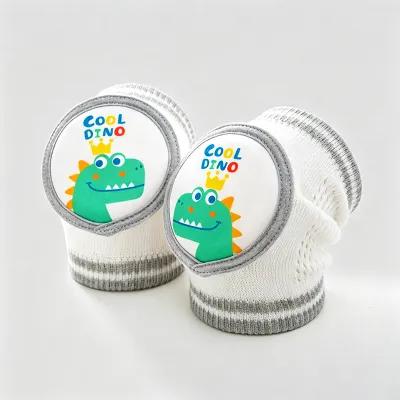

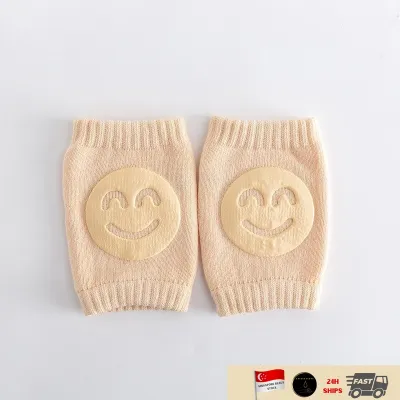
![[SG Ready Stock] SOC006A Baby Boy Girl Crawling Pad Baby Knee Elbow Guard Socks Embroidered details [Little Gems] Breathable Durable Cute unisex bear bunny](https://img.lazcdn.com/g/p/8bb81211af142b2d1e50b81449024a82.jpg_400x400q80.jpg_.webp)
![[SG Ready Stock] SOC006 Baby Boy Girl Crawling Pad Baby Knee Elbow Guard Protectors Socks Safety [Little Gems]](https://img.lazcdn.com/g/p/31442db22fefaf6ef8d3fa9158827a44.jpg_400x400q80.jpg_.webp)
Prices are valid at publication and may change. Please refer to the product page for the latest price.
In Singapore’s tropical climate, many homes rely on air conditioning to keep indoor spaces comfortable. While this keeps the air cool, it can make polished marble or ceramic tile floors exceptionally cold to the touch. A baby crawling bare-legged on these cold surfaces may experience discomfort, leading them to cut their crawling sessions short or show a reluctance to explore. Knee guards in this scenario serve a dual purpose: they protect against friction and provide a comfortable thermal barrier against cold floors. Additionally, parents should distinguish between normal, healthy developmental calluses—which are slightly thickened, smooth patches of skin—and painful micro-abrasions, which appear as raw, bright red, or peeling patches that cause the baby to flinch when touched.
Parents should closely observe their baby’s physical cues and behavior to determine when knee protection is beneficial. If you notice persistent redness, dry patches, or peeling skin on your baby’s kneecaps after a play session, their skin is experiencing excessive friction. In some cases, a baby might show a sudden reluctance to crawl on harder surfaces, preferring to stay on soft rugs or play mats, or they may even revert to sitting. These behaviors often indicate that the hard floor feels uncomfortable or cold against their bare knees. By identifying these physical signs and matching them to your specific home environment, you can make an informed decision about when to introduce knee guards to keep your little one exploring comfortably.
Evaluate Essential Features in Baby Knee Guards
When shopping for baby knee guards on an online marketplace or at local baby boutiques, it is easy to be overwhelmed by various designs and marketing claims. To make an objective choice, parents must evaluate several key features, starting with material breathability and skin-friendliness. In Singapore’s warm and humid tropical climate, heat retention is a significant concern. Heavy, non-breathable fabrics can trap sweat against your baby’s skin, quickly leading to heat rash, eczema flare-ups, or general discomfort. Look for knee guards made from lightweight cotton blends, open-weave mesh panels, or moisture-wicking fabrics that allow adequate airflow, especially behind the knee joint where sweat tends to pool.

When evaluating materials, look beyond basic cotton. Bamboo-derived fabrics are highly suitable for sensitive baby skin due to their natural hypoallergenic properties, exceptional softness, and superior moisture-wicking capabilities. These fabrics help regulate temperature, keeping the skin cool even during vigorous play. Spandex or elastane blends are also essential to provide the necessary stretch, but the percentage should be balanced so the fabric remains soft and breathable. Furthermore, pay attention to the construction of the padding. Segmented padding designs, which feature multiple small, independent foam or silicone pockets, are highly superior to single, solid blocks of padding. Segmented pads bend naturally with the joint, preventing the guard from bunching up or shifting out of place when the baby flexes their knee.
Another critical balance to strike is between padding thickness and joint flexibility. While thick foam or silicone padding offers excellent impact protection against hard tile floors, overly bulky guards can restrict a baby’s natural joint movement. If the padding is too stiff, the baby may struggle to bend their knees properly, which can hinder their motor development or cause frustration. Opt for high-density, low-profile padding that absorbs light impacts without adding excessive bulk. The padding should be flexible enough to contour around the kneecap as the joint bends, ensuring that protection remains centered over the knee throughout the entire crawling motion.
Traction is another essential feature, particularly on smooth surfaces like polished marble or laminate flooring. Many baby knee guards feature anti-slip silicone or rubber grip patterns on the front. These grips provide the necessary traction to prevent a baby’s legs from splaying outward on slippery floors, helping them build the core and leg strength needed to push forward. However, the grip pattern must be evaluated carefully; it should be smooth enough not to catch abruptly on textured play mats, which could cause a tripping hazard or put unnecessary strain on the baby’s joints. A balanced, low-profile silicone pattern is generally most versatile across different indoor surfaces.
Finally, examine the elasticity and fastening mechanisms of the knee guards. Most designs rely on elasticated bands at the top and bottom to keep the sleeve in place. These bands must be wide and soft enough to distribute pressure evenly across the thigh and calf. If the elastic is too tight or narrow, it can restrict blood circulation, leave deep, red indentations, or cause skin chafing. Some designs feature adjustable hook-and-loop straps, which allow for a customized fit as your baby grows. When evaluating these, ensure that the fastening elements are fully covered and do not come into direct contact with the baby’s sensitive skin, which could cause scratches or irritation.
Match Knee Guard Designs to Developmental Stages
Selecting the right knee guard is not a one-size-fits-all decision; the design should align with your baby’s specific developmental milestones. For early crawlers who are just beginning to push themselves forward, lightweight, thin, and highly breathable sleeves are ideal. At this stage, the baby does not need heavy impact padding, as their movements are slow and close to the ground. Instead, they require a soft barrier to prevent mild friction burns on their knees. A simple cotton-blend sleeve with a thin, flexible fabric layer provides sufficient protection while allowing the baby to feel the floor, which is important for sensory feedback and balance.
As your baby transitions into an active crawler—moving rapidly across different rooms and surfaces—their protection needs increase. Active crawlers require reinforced padding and durable anti-slip grips to withstand high-friction movements and frequent contact with hard floors. For this stage, look for knee guards with dedicated silicone grip zones and multi-layered fabric or soft foam padding. The fit must be exceptionally secure to prevent the guards from sliding down the leg during high-speed exploration. Pull-on sleeves with wide, elasticated cuffs or specialized double-stitching are excellent choices for keeping the guards positioned correctly over the kneecaps.
During the cruising and early walking phase, babies are highly active and unpredictable. They will pull themselves up on low tables, sofas, or playpen rails, standing for brief moments before losing their balance and dropping back down. This sudden downward impact on hard floors can be jarring. Knee guards designed for this stage should feature extended coverage that wraps slightly around the sides of the knee, protecting the joint from lateral impacts during sideways falls. When measuring your baby’s legs, do so while they are in a relaxed, seated position. Measuring when the leg is fully extended or tensed can result in an inaccurate reading, leading to a fit that is too tight when the baby actually bends their knees to crawl.
Regardless of the design you choose, it is vital to verify the manufacturer’s sizing guidelines against your baby’s actual physical measurements. Relying solely on age labels (such as “6 to 12 months”) can be misleading, as babies grow at vastly different rates. Use a soft measuring tape to measure the circumference of your baby’s thigh (about two fingers above the kneecap) and calf (about two fingers below the kneecap). Compare these measurements to the product’s sizing chart to ensure a proper fit. If your baby is between sizes, it is generally safer to opt for the larger size or an adjustable design to prevent constriction and ensure long-term comfort.
Ensure Safety, Fit, and Daily Care
Even the highest-quality knee guards can cause discomfort or skin issues if they are not fitted correctly or maintained properly. To ensure your baby’s safety, always perform a quick fit check every time you put the knee guards on. Slide your pinky finger under the top and bottom elastic bands; the finger should slide in easily without feeling pinched. Watch your baby’s legs for any signs of restricted circulation, such as skin discoloration, coldness in the feet, or swelling. If you notice deep, persistent red marks that do not fade within a few minutes of removing the guards, the product is too tight and should be replaced with a larger size or an adjustable alternative.
Before putting a new pair of knee guards on your baby, turn them inside out and run your fingers along the inner seams. Look for any raised stitching, plastic tag remnants, or rough threads that could rub against your baby’s skin. Even minor friction from a rough seam can cause significant irritation over an hour of active crawling. In Singapore’s humid climate, drying fabric thoroughly is also a key hygiene consideration. If knee guards are left to damp-dry in a poorly ventilated area, they can easily develop a musty odor or harbor mold and mildew, which can trigger skin allergies. Always ensure they are completely dry before storing them or putting them back on your baby.
Regular skin monitoring is essential, particularly in humid environments where moisture can quickly build up under the fabric. During active play sessions, periodically slide the knee guards down to check the skin underneath. Look for signs of moisture accumulation, chafing, or localized redness. If your baby has sensitive skin or eczema, limit the wear time to active crawling sessions on hard floors, and allow their skin to breathe uncovered when they are playing on soft mats or resting. If you observe any persistent skin irritation, rash, or signs of allergic reaction to the fabric, stop using the knee guards immediately and consult a pediatrician.
Proper hygiene and maintenance are crucial for preserving the elasticity, grip, and cleanliness of baby knee guards. Because these items constantly contact the floor, they accumulate dust, pet hair, and sweat rapidly. Wash the knee guards frequently using a mild, baby-safe detergent that is free from harsh fragrances and dyes. To protect the elastic fibers and silicone grips from degrading, place the knee guards in a mesh laundry bag and wash them on a gentle cycle with cold water. Avoid using fabric softeners, as they can leave a residue that reduces the effectiveness of the anti-slip grips.
After washing, always air-dry the knee guards in a well-ventilated area away from direct, intense sunlight, which can cause elastic materials to become brittle over time. Do not put them in a high-heat clothes dryer unless the manufacturer’s care label explicitly states it is safe, as excessive heat can melt silicone grips and shrink the fabric. Regularly inspect the guards for loose threads, worn-out elastic, or peeling silicone grips. If the grips begin to peel or the elastic loses its recovery stretch, replace the guards to prevent them from slipping down and becoming a tripping hazard.
Frequently Asked Questions (FAQ)
Do babies really need knee guards for crawling?
Baby knee guards are not a strict medical necessity for every infant, but they are highly beneficial under specific conditions. If your home features hard, cold, or abrasive flooring like polished tiles, concrete, or rough wood, knee guards can prevent painful friction burns, redness, and bruising. They are also helpful for babies with highly sensitive skin or eczema. However, if your baby crawls primarily on clean, soft play mats or carpeted areas, bare skin contact is often preferred, as it allows for natural sensory feedback and helps the baby develop a better grip and spatial awareness.
Can knee guards restrict a baby's leg development?
When properly fitted and used appropriately, knee guards do not restrict a baby’s leg or joint development. The key is to choose flexible, lightweight materials that allow for a full range of motion and to ensure the elastic bands do not constrict blood flow. To support healthy development, avoid keeping knee guards on your baby all day. Instead, use them selectively during active crawling sessions on hard surfaces, and let your baby move bare-legged during floor time on soft mats, which encourages natural muscle engagement and sensory exploration.
How often should I wash baby knee guards?
Because baby knee guards are in constant contact with floor dust, dirt, and sweat, they should be washed every two to three days, or daily if your baby sweats heavily or crawls outdoors. Regular washing prevents the buildup of bacteria and allergens that could irritate your baby’s sensitive skin. To maintain the product’s integrity, wash them in cold water using a gentle cycle and a mild baby detergent, and always air-dry them to preserve the elasticity of the bands and the traction of the silicone grips.
Community discussion
Share your experience or ask a question. Comments are reviewed before publication.