
Quick Answer: Choosing the Right Firmness for Your Baby
Selecting a baby kingdom mattress requires understanding that infant sleep safety depends heavily on surface firmness. Unlike adult mattresses, which prioritize pressure relief and plush comfort, a baby mattress must provide a highly rigid, unyielding surface. This firmness is crucial for supporting a newborn’s rapidly developing spine and, more importantly, reducing the risks associated with Sudden Infant Death Syndrome (SIDS). If a mattress is too soft, an infant who rolls onto their stomach may sink into the material, potentially obstructing their airway.
Universal pediatric guidelines emphasize that newborns and infants under twelve months old must sleep on an extra-firm surface. As children transition into toddlerhood, their motor skills, neck strength, and skeletal structures mature, allowing them to safely sleep on a slightly more cushioned, yet still highly supportive, surface. Baby Kingdom addresses these changing developmental needs by offering mattresses designed with dual-firmness options. These models feature a highly rigid side for infants and a slightly softer, more resilient side for toddlers. However, because product designs and safety specifications can change, parents must verify the recommended age and weight limits on the specific model’s manufacturer label and physically test the mattress’s rebound capability before finalizing their purchase.
Decoding Baby Kingdom Mattress Firmness Options
Understanding the construction of a baby kingdom mattress is key to evaluating how it maintains its firmness over time. Baby Kingdom utilizes several core materials across its product range, including high-density polyurethane foam, pocket spring cores, and rubberised coconut coir (commonly referred to as coir) blends. Coconut coir is a natural fiber extracted from coconut husks, which is then bonded with natural latex to create a highly fibrous, rigid, and breathable matrix. This structure inherently resists compression, making it an excellent material for achieving the extra-firm support required by newborns. High-density foam models provide a more uniform, flat surface, while pocket spring options offer localized support that adapts as the child grows heavier.
Products mentioned in this guide
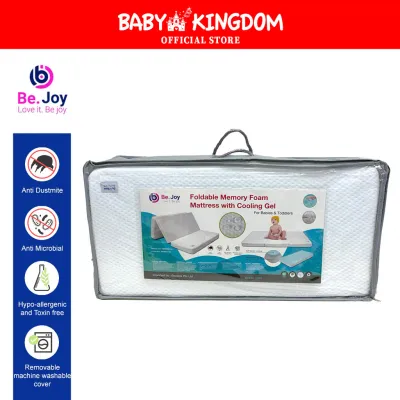
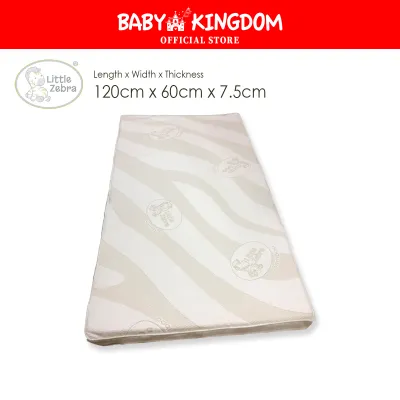
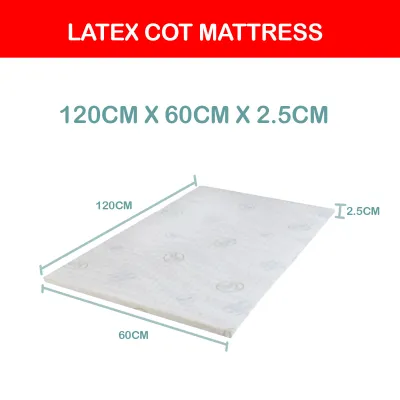
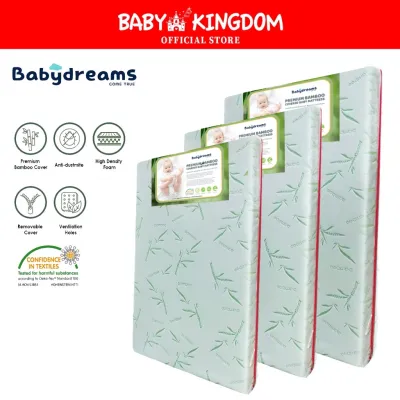
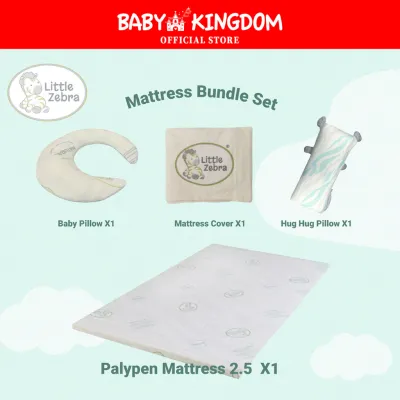
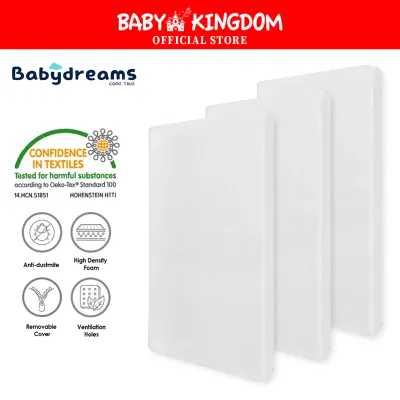
Prices are valid at publication and may change. Please refer to the product page for the latest price.

Many parents opt for dual-sided, or flippable, mattresses within the Baby Kingdom lineup. These mattresses are engineered with two distinct layers: an extra-firm side composed of dense materials like coconut coir or high-density foam for the infant stage, and a medium-firm side that incorporates slightly more cushioned foam or latex for toddlers. This dual-sided design extends the usable lifespan of the mattress, adapting to your child’s physical milestones without requiring a brand-new purchase when they turn one.
To verify the firmness levels of these options, parents should look closely at the manufacturer’s tags and product documentation. Exact Indentation Load Deflection (ILD) ratings—which measure the force required to compress foam—are rarely published for baby mattresses in Singapore. Instead, manufacturers categorize their models by age suitability, such as “Infant Side” and “Toddler Side.” Parents should physically test the mattress by pressing their hand firmly into the center; a safe infant mattress will resist the pressure and snap back immediately into a flat plane without leaving a temporary indentation.
When utilizing a dual-sided mattress, adhering to the brand’s specific flipping schedule is essential. Flipping the mattress too early can expose an infant to a surface that is too soft, increasing safety risks, while delaying the flip may result in a toddler sleeping on a surface that does not offer the optimal balance of comfort and orthopedic support. Always consult the manufacturer’s user manual to identify the correct milestones—typically based on both age and weight—before turning the mattress over.
How Baby Kingdom Compares to Other Brands in Singapore
When shopping for a baby mattress in Singapore, parents are presented with a wide array of local and international brands, each championing different materials and construction philosophies. Comparing these options systematically helps clarify which mattress best suits your nursery setup, budget, and safety expectations.
Core Material and Support Structure
The primary differentiator among baby mattresses in Singapore is the core material. While Baby Kingdom frequently utilizes coconut coir and foam hybrids, competing brands often rely on 100% natural latex, pure memory foam, or traditional innerspring coils. Natural latex mattresses, offered by premium local brands, are highly resilient and naturally resistant to dust mites, making them popular for children with allergies. However, latex tends to have a springier feel and can be heavier to lift during sheet changes. Memory foam, though comfortable for adults, is generally unsuitable for infants as it contours to the body and retains heat, posing a safety hazard unless specifically engineered with high-density, open-cell technology. Coconut coir hybrids, by contrast, maintain an exceptionally flat and rigid plane that does not contour, providing the uncompromising support that pediatricians recommend for the first year of life. Over years of use, high-quality coir and pocket spring cores generally retain their firmness better than lower-density foam alternatives, which are more prone to sagging in the center where the baby’s heaviest torso area rests.
Breathability and Climate Suitability
Singapore’s tropical climate, characterized by high humidity and consistent warmth, requires careful consideration of mattress breathability. A mattress that traps heat can cause babies to overheat, leading to disrupted sleep and heat rashes. It also creates a breeding ground for mold and dust mites. Baby Kingdom mattresses often incorporate breathable fabrics or mesh borders to facilitate airflow through the core. In contrast, some budget-friendly brands utilize fully waterproof, non-breathable vinyl or PVC covers. While these covers are highly effective at blocking diaper leaks and are easy to wipe clean, they trap body heat and sweat. To balance hygiene and airflow, parents should look for mattresses with breathable, moisture-wicking covers made from materials like bamboo-derived rayon or organic cotton, paired with a separate, washable, breathable waterproof mattress protector. This setup ensures that spills do not penetrate the core while still allowing air to circulate freely beneath the infant.
Edge Support and Cot Fit
Edge support is a critical safety feature that prevents a mattress from sagging or compressing when a baby rolls or stands near the perimeter of the cot. Mattresses with weak edge support can bend under pressure, creating dangerous gaps between the mattress and the cot rails where a baby’s limbs or head could become trapped. Pocket spring and high-density foam mattresses generally offer superior edge reinforcement compared to pure, soft fiber pads.
Furthermore, parents must ensure a perfect fit within their specific cot frame. In Singapore, standard cot dimensions typically align with Asian and European sizes, such as 120cm x 60cm or 130cm x 70cm. However, imported European brands like Stokke or American crib standards may have unique oval shapes or slightly larger rectangular dimensions. Purchasing a mattress that is even slightly too small creates a safety hazard. Parents must measure the interior dimensions of their cot frame precisely and verify that the mattress leaves no more than a two-finger gap (approximately 2cm) on any side.
To help visualize how these design choices compare across the Singapore market, the table below outlines the typical specifications of common baby mattress types:
| Brand / Representative Model Type | Core Material | Firmness Type | Cover Features | Standard Cot Compatibility |
|---|---|---|---|---|
| Baby Kingdom Coir-Foam Hybrid | Coconut coir & high-density foam | Dual-sided (Infant / Toddler) | Breathable fabric, removable cover | Standard local sizes (e.g., 120x60cm, 130x70cm) |
| Premium 100% Natural Latex Brands | 100% Natural Dunlop or Talalay latex | Single-firmness (Medium-Firm) | Organic cotton or bamboo cover | Standard local and select European sizes |
| Standard Polyurethane Foam Brands | Budget high-density foam | Single-firmness (Firm) | Basic polyester or waterproof cover | Standard local sizes |
| Pocket Spring Baby Mattresses | Pocketed coils with foam encasement | Single or Dual-sided | Quilted fabric cover | Standard local and larger US sizes |
Essential Safety and Fit Checks Before You Buy
Firmness is only one component of a safe sleep environment; parents must also verify that the mattress complies with rigorous chemical and structural safety standards. Because certifications and safety regulations are dynamic, parents should independently verify these details on the physical product tags or the manufacturer’s official website before purchasing.
Key certifications to look for include:
- CertiPUR-US: This certification verifies that any polyurethane foam used in the mattress is manufactured without harmful ozone depleters, heavy metals, formaldehyde, or specific phthalates, and meets strict limits for volatile organic compound (VOC) emissions.
- Oeko-Tex Standard 100: This textile certification ensures that the mattress cover and fabric layers have been tested for harmful substances and are safe for direct contact with infant skin.
- Local Safety Guidelines: Ensure the mattress meets relevant safety standards recognized in Singapore, such as European safety standards (EN 16890) for children's furniture and mattresses, which assess risks like choking hazards, entrapment, and structural integrity.
Parents should exercise extreme caution when considering second-hand baby mattresses or unverified listings on general online marketplaces. Although these options may appear cost-effective, they carry hidden risks. Over time, the internal foam or fibers of a mattress can degrade, leading to localized sagging that is difficult to spot visually but compromises the flat, supportive surface required for infant safety. Furthermore, second-hand mattresses may have been exposed to moisture, diaper leaks, or improper storage, leading to deep-seated mold, bacteria, and dust mite colonization. In Singapore’s humid environment, these allergens can trigger respiratory issues or skin conditions in sensitive infants. If your baby experiences persistent skin irritation, breathing difficulties, or allergic reactions, stop using the mattress immediately and consult a qualified medical professional.
Once your chosen mattress is delivered, perform the “gap test” at home immediately before dressing it with sheets. Place the mattress flat inside the cot and push it firmly into one corner. Measure the remaining space between the mattress edge and the opposite cot rails. If you can easily fit more than two fingers into the gap, the mattress is too small for the cot frame and must be replaced with a correctly sized model to prevent entrapment risks.
Final Decision Framework: Which Mattress Should You Choose?
To finalize your decision, evaluate your specific nursery setup, lifestyle preferences, and budget against these condition-based guidelines:
- Choose Baby Kingdom if:
- You prefer a mattress that utilizes natural coconut coir blended with foam to provide an exceptionally flat, rigid surface for the infant stage.
- You want the versatility of a dual-sided design that transitions from an extra-firm infant side to a slightly softer toddler side.
- Your cot matches standard local dimensions (such as 120cm x 60cm or 130x70cm), and you prefer the reassurance of testing the mattress's physical firmness in person at local Singaporean retail showrooms or baby fairs.
- Choose a competing brand if:
- You require specific organic certifications, such as the Global Organic Textile Standard (GOTS), for all fabric and fiber components.
- You prefer the specific contouring, springiness, and natural dust-mite resistance of a 100% natural latex core over coir-foam hybrids.
- You own a non-standard, imported, or uniquely shaped cot frame (such as an oval Stokke Sleepi or an oversized US crib) that requires a custom-made or brand-specific mattress.
- Verify first if:
- You are transitioning an older toddler to a junior bed, which may require checking the weight limits and dimensions of both the mattress and the new bed frame.
- You plan to use a specialized smart cot or sensor pad, as some sensor systems require specific mattress thicknesses or materials to function accurately.
- Your nursery is located in a highly humid room without regular air conditioning, in which case you must contact the manufacturer to verify the specific anti-mold and anti-microbial treatments applied to the mattress core and cover.
Frequently Asked Questions (FAQ)
How do I test if a baby mattress is firm enough?
To test the firmness of a baby mattress, perform a physical hand-press test. Place the mattress on a flat surface and press your palm down firmly into the center and along the edges. A safe, firm mattress will resist your hand and snap back into its original flat shape immediately when you lift your hand. If the mattress conforms to your hand, leaves a visible indentation, or takes several seconds to recover its shape, it is too soft for a newborn and should not be used.
Can I flip a Baby Kingdom mattress to change the firmness?
Whether you can flip a Baby Kingdom mattress depends entirely on the specific model’s construction. Dual-sided models are specifically engineered to be flipped, featuring a highly rigid infant side and a slightly more cushioned toddler side, which are clearly indicated on the manufacturer’s labels. If your model is single-sided, do not flip it, as the underside is not designed for sleeping and may lack the necessary support structures, breathability, and safety features. Always check the physical product tags or consult the manufacturer’s user manual before making any adjustments.
Does a firmer mattress mean it will be uncomfortable for my toddler?
A firm mattress is not uncomfortable for a toddler; rather, it is essential for their physical development. While adults often prefer plush surfaces for pressure relief, infants and toddlers have soft, developing bones that require continuous, flat support to maintain proper spinal alignment. A supportive, firm surface prevents their bodies from sinking into unnatural postures during sleep. Toddlers adapt easily to firm surfaces, and maintaining this level of support remains crucial for their orthopedic health as they grow.
Community discussion
Share your experience or ask a question. Comments are reviewed before publication.