
Preparing homemade meals for your baby is a rewarding way to control ingredients, monitor nutritional intake, and introduce diverse flavors. When navigating the weaning phase, many parents face a common dilemma: should they invest in a premium, dedicated baby food maker, or can they achieve the same results with standard kitchen tools?
Premium all-in-one baby food makers offer exceptional convenience by steaming and blending ingredients in a single jug. This automated process minimizes cleanup and saves valuable time for busy caregivers. In contrast, basic blenders or standard kitchen food processors can achieve identical nutritional results for a fraction of the cost, provided you are willing to steam or boil ingredients separately.
The ideal choice does not come down to a single winning brand. Instead, it depends on your kitchen space, household budget, and how much you value one-pot automation over manual preparation. Understanding the structural, material, and functional differences between these appliances will help you choose the most efficient setup for your home.
Products mentioned in this guide
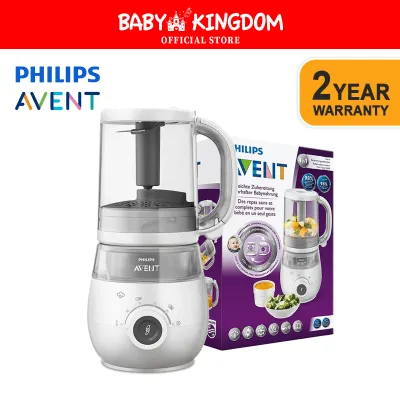
![[NEWLY UPGRADED] TOYOMI NourishMix All-In-One Baby Food Maker BBF 7003](https://img.lazcdn.com/g/p/71065d29f0e3e108344a7919d97f50dc.png_400x400q80.png_.webp)
Prices are valid at publication and may change. Please refer to the product page for the latest price.
The Core Comparison: All-in-One Steamers vs. Basic Blenders
To make an informed decision, it is essential to understand how dedicated all-in-one machines differ from traditional blending appliances. Both methods can produce high-quality purees, but their workflows, time requirements, and physical footprints vary significantly.
All-in-One Steam-and-Blend Machines (Premium Brands)
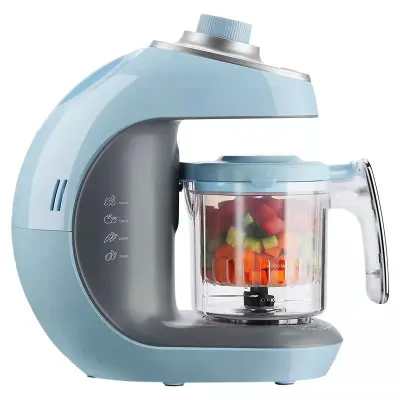
Dedicated all-in-one baby food makers are designed specifically to streamline the weaning process. The core mechanism involves placing raw, chopped ingredients into a single jug where they are cooked using controlled steam. Once the steaming cycle completes, the machine either automatically transitions to blending or requires you to flip the jug or press a button to start the blade. This design eliminates the need to transfer hot, freshly cooked food between different containers.
The primary benefit of this system is the reduction in manual labor and cleanup. Because cooking and blending occur within the same vessel, you only have one jug and one blade assembly to wash. Furthermore, these machines typically retain the nutrient-rich condensation water generated during steaming, allowing you to blend it right back into the puree to preserve water-soluble vitamins.
However, these premium units come with distinct trade-offs. They carry a higher initial price tag and are generally designed for small-batch preparation, often holding only enough food for one to three meals. If you plan to prepare large batches of food to freeze for the weeks ahead, the limited capacity of an all-in-one machine may feel restrictive. Additionally, they occupy dedicated countertop space, which can be a premium in compact kitchens.
Basic Blenders and Standard Food Processors (Budget/Mid-Range)
Standard kitchen blenders, immersion stick blenders, and food processors represent the traditional route to homemade baby food. Using these appliances requires a multi-step workflow. You must first cook the ingredients separately—either by steaming them in a basket over a pot, boiling them, or using a microwave-safe steamer—before transferring the hot ingredients into the blender to be processed.
The most significant advantage of this approach is cost efficiency. Most households already own a standard blender or food processor, eliminating the need to purchase a single-use appliance. If you do need to buy one, basic blenders are highly affordable and highly versatile, serving the entire family for years by making smoothies, soups, and sauces long after your child has transitioned to solid family meals. Furthermore, full-sized food processors offer much larger capacities, enabling you to prepare and freeze massive batches of purees in a single afternoon.
The main drawback is the increased prep work and cleanup. You will need to wash pots, steaming baskets, cutting boards, and the blender itself. Transferring steaming-hot ingredients also introduces a minor risk of spills or burns, requiring extra care during preparation. Additionally, standard blenders sometimes struggle to process very small quantities of food, as the ingredients can get trapped under the blades, requiring you to add excess liquid which can make the puree too runny for early weaning stages.
Build Quality and Materials: What Justifies the Higher Price Tag?
When comparing entry-level models with premium options, the price difference is rarely just about the brand name. It often reflects the quality of the materials used, the durability of the internal motor, and the engineering of the blade assembly. These factors directly impact the appliance’s safety, ease of maintenance, and overall lifespan.

Plastic grades are a major differentiator. Premium baby food makers frequently utilize high-grade, impact-resistant plastics such as Tritan, or incorporate glass and stainless steel elements. These premium materials are highly resistant to staining and odor absorption. This is particularly important when processing highly pigmented or acidic ingredients like carrots, pumpkins, sweet potatoes, and berries, which can permanently discolor and leave lingering odors on cheaper, lower-grade plastics.
Motor durability and blade engineering also play a critical role. High-priced models are typically equipped with robust motors designed to handle dense, fibrous vegetables without overheating. They feature heavy-duty, surgical-grade stainless steel blades that maintain their sharpness over prolonged use. A sharper blade and stronger motor ensure a completely smooth, velvety puree free of dangerous lumps, which is essential during the initial stages of weaning.
Safety & Verification Boundary: Because material formulations, product designs, and manufacturing standards can change, caregivers must always verify the current material specifications directly on the product packaging, instruction manual, or the manufacturer’s official website. Look for clear BPA-free, BPS-free, and food-grade certifications. Do not assume a specific brand name guarantees these standards without checking the active product documentation for your specific model.
Feature Breakdown: Which Functions Are Worth Paying For?
Navigating the spec sheets of modern baby food makers can be overwhelming. Manufacturers often highlight dozens of features, but only a handful genuinely improve the preparation experience, ensure safety, or ease the daily cleaning routine.
Essential Features (Worth the Investment)
If you decide to purchase a dedicated food maker, prioritize these features to ensure safety and long-term usability:
- Pulse Function and Precise Texture Control: Your baby's developmental needs change rapidly. At around six months, they require completely smooth, liquid-like purees. By eight to ten months, they need thicker, textured mashes, and by twelve months, they transition to soft chunks. A responsive pulse function allows you to control the exact consistency of the food, ensuring the machine remains useful across all stages of physical development.
- Auto-Shutoff and Boil-Dry Protection: Steaming requires water, and it is easy to lose track of time while caring for an infant. Boil-dry protection automatically shuts off the heating element if the water reservoir runs dry, preventing the machine from overheating, melting, or posing a fire hazard.
- Dishwasher-Safe, Accessible Parts: Baby food makers must be cleaned thoroughly after every use to prevent bacterial growth. Look for models with removable blades, wide-opening water reservoirs that are easy to descale, and components labeled as dishwasher-safe. Water tanks with narrow openings are notorious for trapping moisture, which can lead to mold growth in humid climates.
Nice-to-Have vs. Gimmick Features
Many premium models include extra features that inflate the retail price but offer minimal practical value. Understanding which features you can easily bypass will help you save money:
- Built-In Bottle Warmers and Defrost Settings: While convenient, these functions are rarely essential. You can safely defrost and warm baby food or breast milk using a simple warm water bath, a standard refrigerator thawing process, or a dedicated bottle warmer you may already own.
- Smart App Connectivity and Digital Scales: Some high-end models feature Bluetooth connectivity, companion recipe apps, or built-in digital scales. While high-tech, these additions do not improve the actual cooking or blending performance. A simple kitchen scale and free online weaning guides provide the same utility without the premium price tag.
- Extended Keep-Warm Functions: Leaving warm, moist food in a closed container for extended periods creates an ideal breeding ground for bacteria. It is far safer to serve the food immediately after preparation or cool and refrigerate it promptly, making long keep-warm cycles redundant.
Price Tiers and Value: What to Expect in Singapore
When shopping for a food maker in Singapore, understanding the general price landscape helps you set a realistic budget. Prices vary based on functionality, capacity, and construction materials.
- Entry-Level Options (Under S$80): This tier primarily consists of basic hand blenders, manual food mashers, and compact, single-purpose mini choppers. These devices do not steam; they require you to cook ingredients separately. They are highly portable, easy to store, and excellent for families on a budget or those who prefer making fresh, single-meal portions on the go.
- Mid-Tier Models (S$80 to S$180): Here, you will find dedicated baby blenders that come with multi-piece storage cup sets, as well as entry-level, dual-function machines (separate steaming and blending compartments on a single base). These units offer decent motor power and plastic construction, making them suitable for parents who want a dedicated baby appliance without a massive financial investment.
- Premium All-in-One Systems (S$180 to S$400+): This premium tier features fully integrated, single-jug steam-and-blend machines from established global baby brands. These models boast advanced digital timers, superior materials like glass or thick Tritan plastic, robust warranties, and highly efficient descaling systems. They offer the highest level of convenience and are ideal for busy households prioritizing time savings.
Local Market Context: In Singapore, it is highly recommended to purchase appliances through authorized local distributors rather than importing cheaper models from overseas e-commerce platforms. Local purchases ensure full compatibility with Singapore’s 230V voltage and Type G electrical plugs, eliminating the safety hazards associated with travel adapters. Furthermore, buying locally guarantees a valid manufacturer’s warranty and ensures easy access to essential replacement parts, such as silicone sealing rings, replacement blades, or water tank caps, which naturally wear out over time.
How to Choose: A Decision Framework for Parents
To select the perfect food preparation setup, evaluate your daily schedule, kitchen layout, and long-term feeding strategy. Use this conditional framework to guide your decision:
- Choose an All-in-One Premium Brand if: You have a flexible budget, limited daily preparation time, and want to minimize the number of dishes to wash. This path is ideal for parents who want a streamlined, automated process where they can walk away while the machine steams and blends a fresh meal.
- Choose a Mid-Range Dedicated Baby Blender if: You already own a reliable steaming basket or pot, but want a small, specialized blender that can process tiny portions of food more effectively than a giant household food processor. This is a great middle-ground for space-saving and texture control.
- Choose a Standard Kitchen Food Processor or Hand Blender if: You are working with a tight budget, prefer preparing large batches of purees over the weekend to freeze in silicone trays, and do not mind washing multiple cooking utensils. This setup also ensures the appliance remains useful for family cooking for years to come.
- Verify First if: You are purchasing a second-hand unit or buying from an unauthorized parallel importer. Always inspect the power cord for wear, verify that the electrical plug matches local standards, check that all safety seals are intact, and ensure the water reservoir is completely free of mineral buildup or mold before using it to prepare your child's food.
Frequently Asked Questions (FAQ)
Can I just use a regular full-size blender for baby food?
Yes, you can use a regular full-size blender, but it comes with practical challenges. Full-size blenders require a minimum volume of food and liquid to engage the blades effectively. Because babies eat very small portions, especially at the start of weaning around six months, you will often have to make much larger batches than necessary, which can lead to food waste if not frozen promptly. If you prefer using standard appliances, an immersion (stick) blender paired with a narrow cup is often much more effective for processing small, single-meal portions.
How long will I actually use a dedicated baby food maker?
An integrated baby food maker is typically used heavily during the primary weaning phase, which lasts from about six months to twelve months of age. As your child develops oral motor skills and transitions to table foods, the need for smooth purees decreases. However, you can extend the lifespan of the machine by repurposing it to steam and blend small batches of family meals, such as pasta sauces, vegetable soups, fruit compotes, salad dressings, or dips like hummus.
Community discussion
Share your experience or ask a question. Comments are reviewed before publication.