
Baby faucet extenders can be a helpful tool for promoting independence during handwashing, but their safety depends entirely on proper selection, secure installation, and active supervision. While they are generally safe when used correctly, poorly designed or incorrectly fitted extenders can introduce risks such as hot water burns, bacterial buildup, and slip hazards from excessive splashing. This guide evaluates the critical safety features you need to look for, how to verify material safety, and the conditions under which you should stop using the product to keep your bathroom environment secure.
When toddlers begin to wash their hands independently, the physical distance between their short arms and the bathroom faucet can lead to stretching, climbing, or slipping. A faucet extender bridges this physical gap by channeling the water flow closer to the edge of the sink basin. However, introducing any accessory to a water source requires careful evaluation of how it alters water flow, temperature access, and overall bathroom safety.
Understanding the Safety Risks of Faucet Extenders
While faucet extenders are simple accessories, they can introduce several physical and environmental hazards if they are poorly designed, incorrectly installed, or left unmonitored. One of the most significant risks is water temperature fluctuation. When an extender is attached, it brings the water stream closer to the child, but it also places the child in closer proximity to the faucet handles. If a child attempts to adjust the mixer tap independently, they may accidentally turn on the hot water, leading to sudden scalding.
Products mentioned in this guide
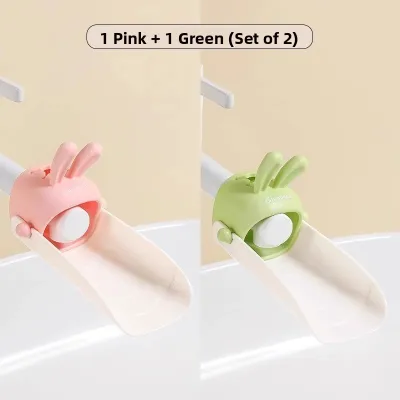
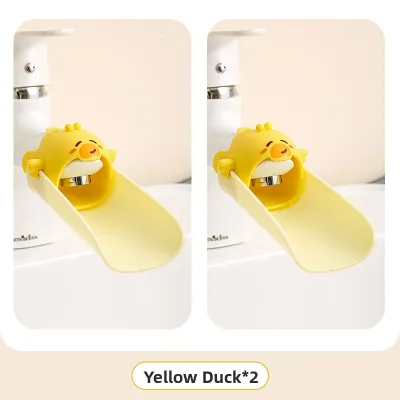
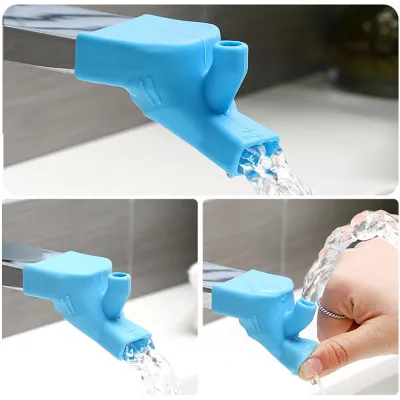
![[Ann&Ann] Child Kids Children Water Tap Faucet Extender Extension Cute Cartoon Hand Washing Training Basin Prolong](https://img.lazcdn.com/g/p/6f645792bc8dc9a21734c3c5020691d0.jpg_400x400q80.jpg_.webp)
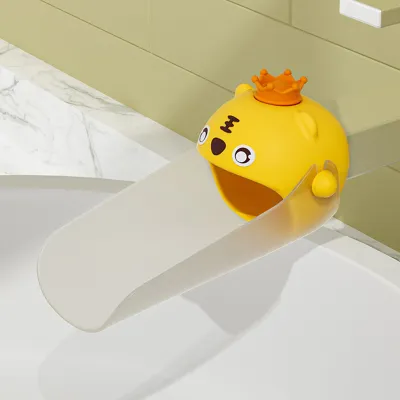
![[Kawaii Kiddy] Mickey Faucet Tap Extender](https://img.lazcdn.com/g/p/a4cc8f16ad43a82620e847f3c3eaf4be.png_400x400q80.png_.webp)
Prices are valid at publication and may change. Please refer to the product page for the latest price.
Another common hazard is the creation of wet, slippery surfaces. If the extender does not direct the water flow correctly, or if the water pressure is too high, water can splash out of the sink basin and onto the bathroom floor. Smooth bathroom tiles become incredibly slick when wet, creating an immediate slip-and-fall hazard for young children who may be stepping up on stools or moving quickly around the sink area.
Physical injuries can also occur from the product itself. Low-quality extenders may have small, detachable parts or decorative elements that can become loose and present a choking hazard. If the attachment mechanism is insecure, the entire unit can slip off the faucet unexpectedly during use, causing a child to lose their balance or startle and fall backward off their step stool.
Lastly, hygiene is a major concern that is often overlooked. Because these extenders are constantly exposed to moisture, water can easily pool and stagnate inside the channel or attachment sleeve. Over time, this dark, damp environment becomes a breeding ground for mold, mildew, and bacterial buildup. Every time the faucet is turned on, water flows over these contaminated surfaces directly onto your child’s hands, defeating the purpose of handwashing.
Key Features That Prevent Scalding
Preventing hot water burns is a primary concern when setting up a child-friendly bathroom. A well-designed faucet extender should position the water stream far enough forward so that the child can easily reach the water without having to lean over the basin or stretch near the hot metal faucet body and mixer handles. By keeping the child’s hands and body away from the tap base, you minimize the temptation for them to grab or play with the temperature controls.

When shopping for an extender, it is crucial to check the manufacturer’s specifications regarding temperature tolerance. Faucet extenders are often made of plastics or silicone, and low-grade materials can warp, crack, or leach chemicals when exposed to hot water. Ensure the product documentation explicitly states that the materials can withstand typical domestic hot water temperatures without degrading or losing their structural integrity.
While a faucet extender helps manage where the water flows, it cannot control the temperature of the water coming out of the pipes. Therefore, you should always use complementary safety measures at the main water source. Installing a thermostatic mixing valve or an anti-scald device on your water heater or under-sink plumbing is the most reliable way to limit the maximum water temperature to a safe level.
Regardless of the safety features built into your plumbing or the extender, nothing replaces active adult supervision and manual testing. Establish a strict routine where you, the caregiver, turn on the tap and test the water temperature with your own wrist or hand before allowing your child to place their hands under the stream. Teach your child that they must always wait for an adult to give the green light before they begin washing.
Design Choices to Minimize Splashing and Floor Slips
To prevent water from pooling on the bathroom floor and creating a slip hazard, you must evaluate the physical design, angle, and flow control of the faucet extender. One of the most effective design features to look for is a built-in aerator or a flow-softening mechanism. Extenders that deliver a solid, high-velocity stream of water are highly prone to splashing when the water hits the child’s hands or the bottom of the basin. In contrast, an aerated flow mixes air into the water, creating a softer, gentler stream that minimizes splashing while also conserving water.
The angle of the spout is another critical factor. Look for extenders with a downward-angled design or integrated splash guards that actively direct the water flow toward the bottom center of the sink basin. If the spout is angled too far forward, the water may overshoot the basin entirely or splash off the front edge of the counter, dripping directly onto the floor where the child stands.
You must also match the extender’s flow rate and length to the specific dimensions of your sink. Check the product specifications to ensure the extender is not too long for your basin. If the extender overhangs the edge of the sink or sits too close to the front rim, water will inevitably spill onto the floor. The water volume must also match the sink’s drainage capacity; a high-flow extender on a shallow, slow-draining sink will quickly cause water to back up and splash over the sides.
Additionally, consider the physical setup around the sink. Even with a well-designed extender, children will shake their wet hands after washing. Placing a highly absorbent, non-slip bath mat directly beneath the step stool can help catch any stray drips and provide a secure, high-traction surface for your child’s feet.
Material Safety: Verifying BPA-Free and Non-Toxic Labels
Because faucet extenders are in direct contact with the water your child uses to wash their hands—and occasionally rinse their mouth—the chemical safety of the materials is paramount. When evaluating products, look closely at the packaging and manufacturer documentation for verifiable claims such as “BPA-free,” “phthalate-free,” and “food-grade silicone” or “non-toxic plastic.” Avoid products that do not clearly state their material composition.
It is important to distinguish between generic marketing buzzwords and actual manufacturer specifications. Reliable manufacturers will often reference compliance with recognized safety standards or independent testing protocols. Look for products that specify the exact type of material used, such as high-quality polypropylene (PP) or 100% food-grade silicone, rather than vague descriptions like “safe plastic.”
Over time, exposure to water, soap, and light can cause materials to degrade. Regularly inspect the faucet extender for early signs of wear or chemical breakdown. If you notice any discoloration, a sticky or tacky texture, a strange chemical odor, or micro-cracks in the plastic, the material is degrading and the product should be discarded immediately.
Remember that even the safest, most non-toxic materials can become hazardous if they are not kept clean. Mold and bacteria can grow on any surface if moisture is allowed to sit. Ensure the extender’s design allows for complete disassembly and thorough drying, as preventing microbial growth is just as critical to material safety as avoiding harmful chemicals.
How to Securely Install and Maintain Your Faucet Extender
A secure installation is vital to prevent the extender from slipping off mid-use and causing an accident. Before purchasing, you must identify your existing faucet’s shape, thread type, and spout diameter. Faucets come in various designs, including round, flat, gooseneck, and square spouts. Not all extenders are universal; some are designed specifically for standard round spouts, while others feature adjustable straps or stretchy silicone sleeves meant to accommodate irregular shapes.
When evaluating attachment mechanisms, look for designs that offer a tight, mechanical grip. Stretchy silicone sleeves can be highly effective, but they must fit snugly over the faucet body without sliding. Some extenders use screw-on adapters or adjustable plastic clamps that lock the unit into place. Once installed, physically tug on the extender to test its stability. If it twists, slides forward, or sags under the weight of running water, it is not secure and should not be used.
Maintenance is equally important for keeping the extender hygienic and functional. Establish a weekly routine to remove the extender and wash it thoroughly. Use mild dish soap and warm water to clean all surfaces, paying close attention to the inside of the channel and the attachment sleeve where water tends to collect. Avoid using harsh chemical cleaners, bleach, or abrasive scrubbing pads, as these can scratch the surface and create microscopic grooves where bacteria can thrive, or degrade the material itself.
During your weekly cleaning, take the opportunity to inspect the underlying faucet. Remove the faucet’s built-in aerator if possible to clean out any trapped sediment, and check for hidden leaks around the extender’s connection point. Ensuring that water is not leaking behind the extender prevents water damage to your fixtures and stops mold from growing unseen on the faucet body.
When to Stop Using a Faucet Extender
Faucet extenders are temporary developmental aids, not permanent fixtures. You must be prepared to remove or replace the extender when certain conditions are met. The most immediate reason to stop using an extender is visible wear and tear. If you detect any cracks in the plastic, tears in the silicone sleeve, loose internal parts, or persistent leaks that cannot be resolved by tightening, the product has reached the end of its safe lifespan and must be replaced.
Another critical threshold is hygiene. If you notice persistent black spots, mold, or mildew inside the water channel or attachment sleeve that cannot be completely removed through standard cleaning, discard the extender immediately. Continued use of a moldy extender exposes your child to harmful spores during handwashing.
You should also retire the extender when your child reaches the appropriate developmental stage. Once your child has grown tall enough to comfortably reach the water stream and operate the faucet handles safely without straining or leaning precariously, the extender is no longer necessary. Transitioning them to using the standard faucet encourages further independence and prepares them for using sinks outside the home.
Finally, changes to your bathroom fixtures may require you to stop using your current extender. If you remodel your bathroom or replace your faucet with a model that has a different shape, size, or water flow angle, your existing extender may no longer fit securely. Never attempt to force an incompatible extender onto a new faucet, as this can damage the fixture or result in an unstable, unsafe attachment.
Frequently Asked Questions (FAQ)
Can a faucet extender affect the water pressure or temperature?
A faucet extender does not directly change the temperature of the water coming from your pipes, but it can alter how you perceive the water flow and pressure. Extenders with narrow channels or built-in aerators can restrict the water flow, which may increase the velocity of the stream and cause more splashing if the tap is turned on fully. Additionally, because the water must travel a slightly longer distance through the extender before reaching your hands, there may be a very brief delay in feeling temperature adjustments made at the mixer handles. Always test the water temperature at the end of the extender spout rather than relying on the setting of the faucet handles.
Are silicone faucet extenders safer than plastic ones?
Both silicone and plastic faucet extenders can be safe, provided they are made from high-quality, non-toxic materials and are properly maintained. Food-grade silicone is often favored for its flexibility, soft texture, and lack of sharp edges, which reduces the risk of injury if a child accidentally bumps into it. Rigid plastic extenders, on the other hand, often provide a more stable, structured channel for water flow and may feature more secure mechanical clamping systems. Rather than choosing based on material type alone, you should verify that the specific product is certified BPA-free, fits your faucet securely, and can be easily disassembled for thorough cleaning to prevent mold growth.
Community discussion
Share your experience or ask a question. Comments are reviewed before publication.