
When washing your little one’s clothes, the instinct to keep every fabric as soft as possible is completely natural. However, many parents do not realize that the classic liquid baby softener sitting on the laundry shelf might actually be the source of their child’s mysterious skin rashes or respiratory flare-ups. Traditional fabric softeners rely on a chemical film that deposits directly onto fabric fibers to make them feel smooth. For an infant’s delicate system, this constant chemical exposure can trigger irritation, dryness, and allergic contact dermatitis. To protect your baby, you should actively avoid synthetic fragrances, phthalates, optical brighteners, harsh preservatives like isothiazolinones, and certain quaternary ammonium compounds (quats). Understanding how these ingredients interact with your baby’s skin allows you to make informed, safer choices for your household laundry routine.
Why Baby Skin Reacts to Laundry Residue
An infant’s skin is not just a smaller version of adult skin; it is a highly delicate, developing organ with unique physiological characteristics. The outer layer of the skin, known as the stratum corneum, is up to 30 percent thinner in babies than in adults. This structural difference means the skin barrier is significantly more permeable, allowing environmental chemicals and topical residues to penetrate much more easily. Additionally, infants have a much higher skin surface-area-to-body-weight ratio than adults. Any chemical absorbed through a baby’s skin represents a higher relative exposure dose, making their developing systems far more vulnerable to systemic absorption and localized irritation.
Fabric softeners are specifically engineered to remain on clothes rather than wash away. They function by depositing a thin, lubricated chemical coating over the fabric fibers, which flattens the fibers and reduces static electricity. Because these chemicals are designed to resist rinsing, they stay in constant, direct contact with your baby’s skin throughout the day and night. Every snuggle in a blanket, nap on a crib sheet, or hour spent in a onesie results in continuous exposure to this chemical film.
Products mentioned in this guide
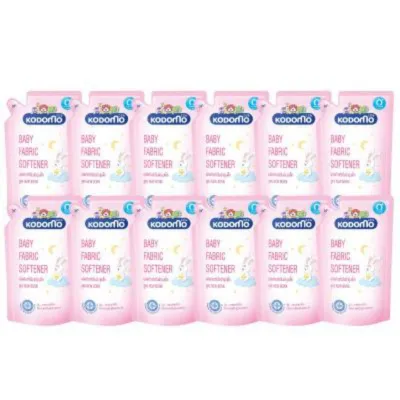
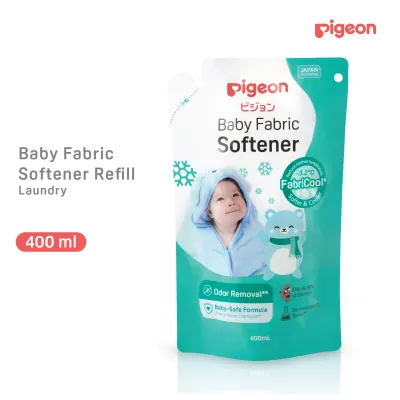
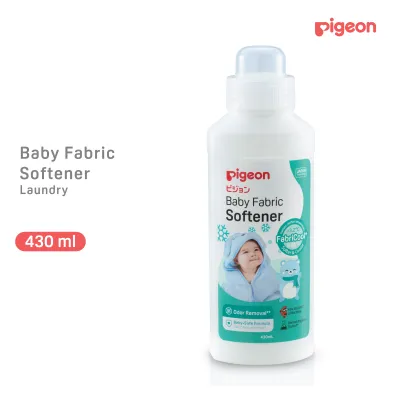
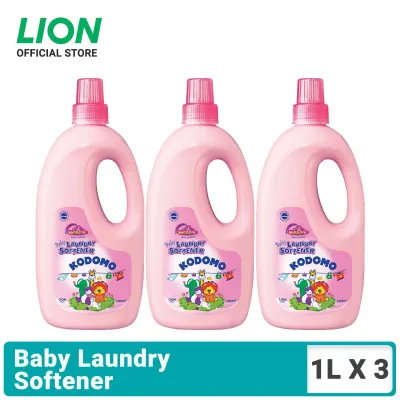
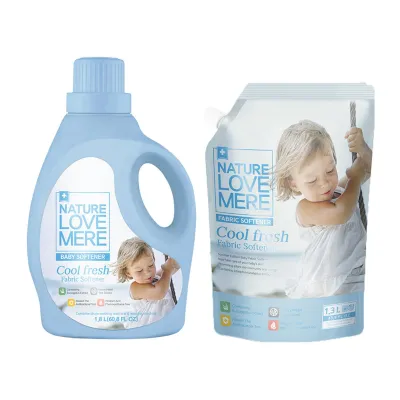
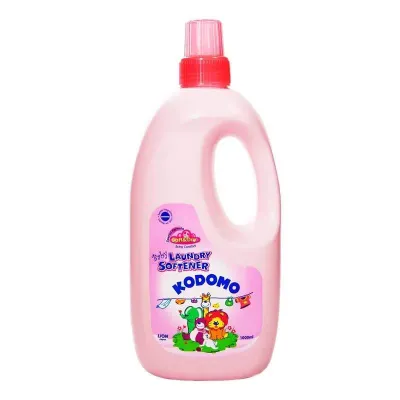
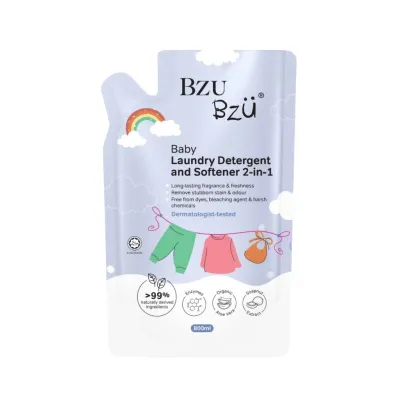
Prices are valid at publication and may change. Please refer to the product page for the latest price.
In warm and humid climates like Singapore, this exposure is often compounded. When babies sweat, the moisture on their skin can partially dissolve and mobilize these fabric-bound residues, making it even easier for the chemicals to penetrate the compromised skin barrier. This continuous friction and chemical contact frequently lead to contact dermatitis, characterized by red, itchy, or dry patches. For infants already predisposed to eczema or other sensitive skin conditions, these lingering residues can trigger severe, painful flare-ups that are difficult to soothe. If severe skin irritation or persistent rashes develop, always consult a pediatrician or a qualified dermatologist.
Common Fabric Softener Ingredients to Avoid
To navigate the laundry aisle safely, it is essential to look past appealing marketing images of sleeping babies and fluffy teddy bears. Many products marketed as a gentle baby softener still contain chemical formulations that are highly unsuitable for sensitive infant skin. Knowing the specific chemical groups to avoid will help you protect your child from unnecessary irritants.

Synthetic Fragrances and Phthalates
The sweet, clean scent of baby laundry is highly sought after, but it comes at a significant chemical cost. On ingredient labels, terms like “fragrance,” “parfum,” or “aroma” represent a major regulatory loophole. Because fragrance formulations are legally protected as trade secrets, manufacturers are not required to disclose the individual chemicals used to create them. A single synthetic fragrance can contain dozens, or even hundreds, of undisclosed synthetic compounds, many of which are known allergens and respiratory irritants.
To make these synthetic scents last for weeks on fabrics, manufacturers use chemical fixatives known as phthalates. Phthalates help the fragrance cling to the fibers and release slowly over time. However, these compounds are widely recognized as potential endocrine disruptors that can interfere with normal hormonal development. They are also easily inhaled, which can irritate a baby’s sensitive airways and potentially exacerbate infant asthma or respiratory allergies.
When shopping, it is crucial to understand the distinction between “fragrance-free” and “unscented” products. A fragrance-free product contains absolutely no scent-masking or scent-producing chemicals. In contrast, an unscented product may actually contain chemical neutralizers or masking fragrances designed to hide the unpleasant smell of the raw laundry ingredients. For a baby’s sensitive skin, always prioritize products explicitly labeled as fragrance-free.
Optical Brighteners
Optical brighteners, also known as fluorescent whitening agents, are synthetic chemicals added to many detergents and softeners to make fabrics appear cleaner and brighter. They do not actually remove dirt or stains; instead, they coat the fabric fibers and absorb invisible ultraviolet light, re-emitting it as visible blue light. This optical trick masks the natural yellowing of fabrics, making whites look exceptionally bright and colors appear more vibrant.
Because optical brighteners must remain on the fabric to achieve this visual effect, they do not rinse out during the wash cycle. This means your baby’s skin is in constant contact with these chemicals. For babies with sensitive skin or compromised skin barriers, this continuous contact is a common trigger for skin sensitization and allergic contact dermatitis.
Furthermore, optical brighteners are highly resistant to environmental degradation. When washed down the drain, they persist in waterways, posing long-term risks to aquatic ecosystems. Since babies do not care if their onesies look artificially bright, avoiding these unnecessary cosmetic additives is a simple way to protect both your child’s skin and the environment.
Harsh Preservatives Like Isothiazolinones
Liquid fabric softeners are water-based products, making them highly susceptible to bacterial and mold growth over time. To extend shelf life and maintain product stability, manufacturers must use preservatives. However, some of the most common preservatives used in household cleaners are potent contact allergens.
Among the most problematic are a group of chemicals called isothiazolinones, which include Methylisothiazolinone (MI) and Methylchloroisothiazolinone (MCI). While these preservatives are effective at preventing microbial growth, they are well-documented skin sensitizers. In fact, clinical dermatologists have linked MI and MCI to a significant rise in severe contact allergy cases globally.
Because fabric softeners are designed to leave residues on fabrics, these preservatives remain on your baby’s clothing long after the wash cycle is complete. When checking product labels, look past the front packaging and read the fine print on the back. Avoid any products that list MI, MCI, or other harsh preservatives, as even tiny residual amounts can trigger painful skin reactions on a sensitive infant.
Quaternary Ammonium Compounds (Quats)
Quaternary ammonium compounds, commonly referred to as quats, are the primary active ingredients responsible for the softening and anti-static performance of traditional fabric softeners. These cationic surfactants carry a positive charge that binds to the negatively charged fibers of wet fabrics, causing the fibers to stand up and feel soft to the touch. Common examples include dialkyl dimethyl ammonium chloride and various esterquats.
While quats are highly effective at reducing fabric stiffness, their heavy chemical residues can act as potent skin and respiratory irritants. For babies with highly reactive skin or conditions like eczema, the physical barrier created by quats can trap heat and sweat against the skin, worsening irritation. Furthermore, some quats have been associated with respiratory issues, making them particularly problematic for infants with sensitive airways or a family history of asthma.
Although some modern, plant-derived quats (such as certain esterquats) are formulated to be more biodegradable and less irritating, babies with extremely sensitive skin often benefit from avoiding traditional cationic softeners entirely. Removing these compounds from your laundry routine eliminates a major source of potential skin friction and chemical irritation.
How to Decode Baby Softener Labels and Claims
Navigating the marketing claims on laundry products can be incredibly confusing for parents. Brands frequently use appealing buzzwords that sound reassuring but lack standardized, regulated definitions. To make truly safe choices, you must learn to critically evaluate ingredient lists and look past front-label marketing.
First, prioritize brands that practice full ingredient disclosure. Many standard household products only list vague categories like “cationic surfactants” or “softening agents” on their labels. Look for brands that clearly list every single chemical compound on the bottle or provide a comprehensive ingredient list on their website. If a brand refuses to disclose its exact ingredients, it is best to choose a more transparent alternative.
Second, verify “fragrance-free” claims by reading the actual ingredient list. Ensure there are no hidden fragrance components, masking agents, or even highly concentrated essential oils. While essential oils like lavender or chamomile are natural, they contain complex organic compounds that can still cause allergic reactions and skin sensitization on delicate baby skin.
Third, understand the limitations of common safety seals. A label that claims a product is “dermatologically tested” simply means it was tested on human skin at some point during development; it does not guarantee that the product is hypoallergenic, free of irritants, or safe for your specific baby. Similarly, generic “hypoallergenic” claims are not strictly regulated, meaning any brand can use the term without meeting specific clinical standards. Look for reputable, independent third-party certifications, such as eczema association seals, which hold products to much stricter ingredient safety standards.
Finally, always perform a localized patch test before washing your baby’s entire wardrobe with a new laundry product. Wash a single, small item—such as a baby washcloth—using the new product, and let your baby wear or use it for a few days. Closely monitor their skin for any signs of redness, dryness, or irritation. If their skin remains clear, you can proceed to use the product for the rest of their laundry with greater peace of mind.
Safer Ways to Soften Baby Clothes Without Harsh Chemicals
You do not need to rely on chemical-laden liquid softeners to keep your baby’s clothes comfortable and soft. There are several highly effective, low-risk alternatives that maintain fabric softness without leaving irritating residues on your child’s clothing.
- Plant-Based, Fragrance-Free Softeners: If you prefer using a liquid softener, look for specialized, plant-based formulas designed specifically for sensitive skin. These products typically utilize biodegradable, plant-derived softening agents (such as canola- or soy-based esterquats) that break down more easily and are less likely to irritate the skin. Ensure the formula is completely fragrance-free, dye-free, and formulated without optical brighteners or harsh preservatives.
- Wool Dryer Balls: For a completely chemical-free alternative, consider using 100 percent natural wool dryer balls in your tumble dryer. As these balls bounce around with your laundry, they physically gently agitate and separate the fabric fibers, naturally softening the clothes and reducing static electricity. They also help improve hot air circulation, which can significantly cut down on drying times—a major benefit for busy parents. Because they contain no chemicals, they leave absolutely zero residue on your baby's clothes.
- White Vinegar in the Rinse Cycle: Distilled white vinegar is an excellent, budget-friendly natural softener. Adding half a cup of white vinegar to your washing machine's fabric softener dispenser during the rinse cycle helps neutralize alkaline detergent residues and naturally relaxes fabric fibers. The vinegar smell completely dissipates as the clothes dry, leaving them soft and fresh. However, to protect your appliances and maintain your warranty, always check your washing machine manufacturer's guidelines regarding the use of vinegar, as prolonged use of highly acidic liquids can sometimes degrade rubber seals or void certain warranties.
- Proper Detergent Dosing: Often, the primary cause of stiff, scratchy baby clothes is not a lack of fabric softener, but an excess of laundry detergent. When too much detergent is used, it cannot be fully rinsed out of the fabric, leaving a stiff, soapy residue that irritates baby skin. In high-efficiency washing machines, using less detergent than the maximum recommended dose is often highly effective. Reducing your detergent usage and ensuring your machine performs a thorough rinse cycle can naturally keep your baby's clothes soft without needing any softening additives.
Frequently Asked Questions (FAQ)
Is it safe to use regular fabric softener if I double rinse?
While running an extra rinse cycle is a helpful way to remove excess soapy suds and loose dirt, it is not an effective solution for neutralizing traditional fabric softeners. Fabric softeners are specifically engineered with cationic surfactants that chemically bind to fabric fibers to resist washing away. A double rinse will not strip this engineered chemical coating from the clothing. For babies with sensitive skin, eczema, or allergies, the only reliable way to prevent irritation is to stop using harsh chemical softeners entirely and switch to safer, hypoallergenic alternatives.
Do I really need to use a fabric softener for baby clothes?
No, fabric softeners are entirely optional and are not a necessary step in keeping your baby’s clothes clean or comfortable. In fact, using traditional fabric softeners can be highly counterproductive for essential baby items. The chemical coating left behind by softeners is hydrophobic, meaning it repels water. When applied to highly absorbent baby items like cloth diapers, cotton burp cloths, and bath towels, this coating significantly reduces their ability to absorb moisture. Practicing proper detergent dosing, ensuring thorough rinsing, and using mechanical softening methods like wool dryer balls are completely sufficient for maintaining comfortable baby fabrics.

Community discussion
Share your experience or ask a question. Comments are reviewed before publication.