
Selecting the right baby diaper changing mat is one of the most practical decisions you will make when setting up your nursery. A quality changing mat provides a secure, hygienic, and comfortable space for the thousands of diaper changes your baby will require during their first few years.
In Singapore, where urban living often requires smart space utilization, the choice of a changing mat must also account for your specific nursery setup. Whether you plan to use a dedicated changing table, a chest of drawers, or a portable setup that moves from room to room, understanding the key specifications of a changing mat ensures you make a safe and functional purchase.
Core Safety and Stability Features to Verify
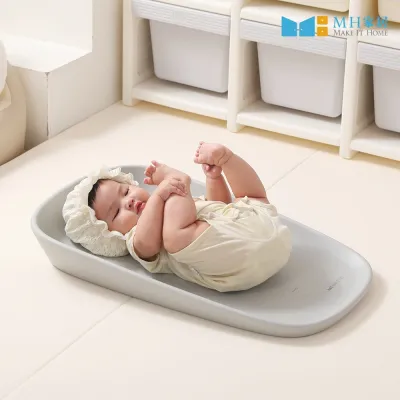
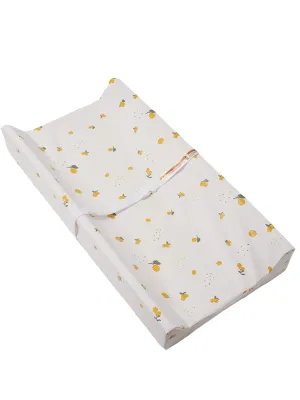
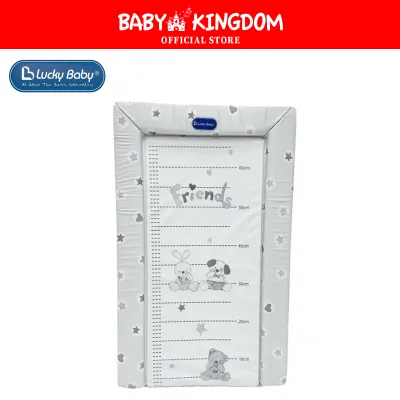
When evaluating any baby diaper changing mat, safety must be your primary consideration. The most critical design feature to check is the presence of raised edges or a contoured shape. These raised sides help contain a baby’s natural rolling movements, providing a physical barrier that keeps them centered on the mat.
Products mentioned in this guide



Prices are valid at publication and may change. Please refer to the product page for the latest price.
Another essential safety specification is the inclusion of adjustable safety straps. Look for straps equipped with secure, durable buckles that can be adjusted to fit snugly across your baby’s torso. It is vital to verify the attachment points of these straps to ensure they are securely anchored to the frame of the mat or the changing table itself. Always refer to the manufacturer’s instructions regarding the correct weight and age limits for strap usage.
Stability on flat surfaces is equally important to prevent accidental slips. Verify that the underside of the mat features non-slip base materials, rubberized feet, or security straps that anchor the mat to your changing table or dresser. A mat that slides easily poses a significant risk, especially when placed on smooth wooden or laminate furniture surfaces.
While these safety features provide peace of mind, they are secondary aids and do not replace active caregiver supervision. A baby can roll over or shift unexpectedly in a matter of seconds. Caregivers must maintain physical contact with the baby at all times during a change, never leaving them unattended on an elevated surface, regardless of the safety straps or contoured edges in use.
Material, Comfort, and Cleaning Specifications
The materials used in a diaper changing mat directly impact both your baby’s comfort and your daily cleaning routine. Caregivers generally choose between wipeable waterproof covers and removable, machine-washable fabric covers. Wipeable surfaces, typically made from water-resistant plastics or coated fabrics, allow you to sanitize the mat instantly with a gentle wipe. Fabric covers offer a softer, warmer feel against a baby’s skin but require frequent laundering and a backup cover for when accidents occur.

Padding thickness and density are critical specifications that affect both comfort and safety. The internal foam must be firm enough to support your baby’s head and spine on hard surfaces, preventing them from sinking down to the underlying furniture. Avoid overly soft or plush padding, as excessively deep cushioning can create a potential suffocation hazard if a baby accidentally rolls onto their stomach.
Chemical safety is another area requiring careful verification. Because your baby’s sensitive skin will come into direct contact with the mat, look for manufacturer labels or certifications indicating the absence of harmful substances such as phthalates, lead, BPA, and flame retardants. Rather than assuming a product is safe based on brand name alone, actively check the product specifications and packaging for verified safety standards.
Additionally, examine the seam construction of the mat. High-quality mats often feature welded or heat-sealed seams rather than traditional stitched seams. Welded seams create a completely waterproof barrier that prevents liquids, urine, and cleaning solutions from seeping into the internal foam padding. Stitched seams can trap moisture over time, leading to the hidden growth of mold, mildew, and bacteria inside the mat.
Size, Portability, and Storage Dimensions
Before purchasing a baby diaper changing mat, you must measure your intended changing surface to ensure a secure fit. The mat’s length, width, and height must align with the dimensions of your changing table, dresser top, or cot-top changer. A mat that is too large may overhang the edges, creating an unstable and dangerous surface, while a mat that is too small may slide around within the safety rails of a changing table.
It is helpful to differentiate between stationary mats and portable travel mats based on your lifestyle. Stationary mats are typically thicker, heavier, and designed to remain in one place, making them ideal for a dedicated nursery setup. Portable travel mats are lightweight, thin, and designed to fold or roll up compactly, allowing them to fit easily into a diaper bag for outings or travel.
If you are evaluating portable options, pay close attention to the weight and the folding mechanism. A travel mat should be light enough to carry effortlessly alongside your other baby gear, and the folding mechanism should ideally allow for quick, one-handed operation. This is particularly useful when you are managing a squirming baby in a public changing room.
Storage is another key consideration, especially for families living in compact apartments. If you do not have space for a permanent changing table, look for a mat that can be easily stored when not in use. Some flat or lightweight mats can be easily tucked vertically behind a wardrobe, stored under a crib, or hung on a closet hook, keeping your living spaces clear and organized.
Choosing Between Contoured and Flat Mat Designs
Deciding between a contoured and a flat changing mat depends largely on your changing station setup and your baby’s developmental stage. Contoured mats feature raised sides—often in a two-sided or three-sided design—that slope downward to create a secure, cradled center. Flat mats have a uniform, level surface across the entire pad, offering a simpler and often more flexible design.
Contoured mats are highly effective when paired with standard changing tables or dressers, as the raised sides provide an extra layer of containment. However, keep in mind that as your baby grows taller and more active, they may begin to outgrow the contoured area. The rigid structure of some contoured pads can also make them more difficult to pack or move to different rooms.
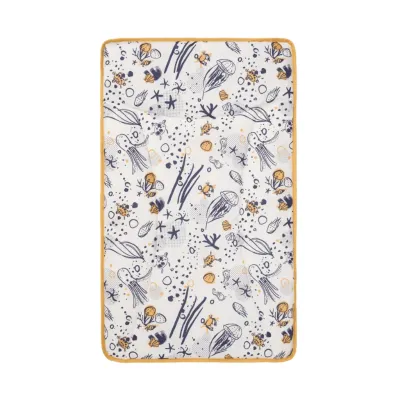
Flat mats offer excellent versatility for caregivers who prefer to change their baby in various locations around the home. A flat mat can be easily placed on top of a bed, a rug, or the floor, and it is highly compatible with standard fabric changing pad covers. Because they lack rigid raised borders, flat mats can often be used for a longer period as your baby grows in length.
Ultimately, your choice should align with your preferred changing height and room layout. If you have a dedicated changing table at an ergonomic height, a contoured mat is a natural fit. If you prefer the flexibility of changing your baby on different surfaces or on the floor to eliminate fall risks entirely, a flat, highly portable mat may be the more practical option.
Frequently Asked Questions (FAQ)
Do I need a changing pad cover, and what specs should it have?
Whether you need a cover depends on the type of mat you choose. A cover is optional for wipeable, waterproof contoured mats, which can be easily sanitized directly. However, a cover is highly recommended for flat mats or to provide a softer, warmer surface for your baby’s skin. When selecting a cover, look for specifications such as strong elastic edges for a snug fit, a waterproof backing to protect the underlying mat, and machine-washable fabrics. Ensure the cover fits securely and does not interfere with safety straps or cause the mat to bunch up.
How do I clean and sanitize a diaper changing mat properly?
Always check the manufacturer’s care label for specific cleaning instructions, approved cleaning agents, and temperature limits. For wipeable surfaces, use mild soap and warm water for daily cleaning, and avoid harsh bleach or abrasive scrubbers that can degrade the waterproof coating. For fabric covers, wash them regularly in a washing machine and ensure they are completely dry before placing them back on the mat to prevent mold and mildew growth.
When should I stop using a diaper changing mat?
The primary hard boundaries for stopping use are the weight and height limits specified by the manufacturer. Additionally, watch for developmental milestones: if your baby is consistently rolling over, attempting to climb out, or has outgrown the length of the raised edges, it is time to transition. Once your baby becomes highly active, transitioning to changing them on a clean mat on the floor or in a secure standing position is the safest approach.

Community discussion
Share your experience or ask a question. Comments are reviewed before publication.