
Baby skin is up to 30% thinner than adult skin, making it highly susceptible to environmental irritants, especially in warm, humid climates where sweat can dissolve and activate chemical residues left on clothing. When managing baby eczema or sensitive skin, the laundry detergent you choose plays a critical role. Certain chemical additives—specifically synthetic fragrances, optical brighteners, harsh surfactants, and strong preservatives—are common culprits that can disrupt the skin barrier and trigger painful flare-ups. Understanding how these ingredients interact with your baby’s skin is the first step toward creating a safer, irritation-free environment.
Common Detergent Ingredients Linked to Skin Sensitivities
Synthetic fragrances are among the most frequent triggers for contact dermatitis in infants. Manufacturers often use the generic terms “fragrance” or “parfum” on labels, which can represent a complex mixture of hundreds of undisclosed chemical compounds. These mixtures frequently include phthalates, which are chemical plasticizers used to make scents last longer on fabrics. For a baby with eczema, these lingering scent molecules can easily penetrate a compromised skin barrier, leading to redness, itching, and inflammation.
Optical brighteners and synthetic dyes are formulated to remain on fabric fibers long after the wash cycle is complete. Optical brighteners absorb ultraviolet light and emit blue light to make clothes look whiter and brighter, but this constant contact with the skin can cause mechanical and chemical irritation. Synthetic dyes, which are added solely for aesthetic appeal, serve no functional cleaning purpose but can leave chemical residues that rub against your baby’s skin throughout the day.
Products mentioned in this guide
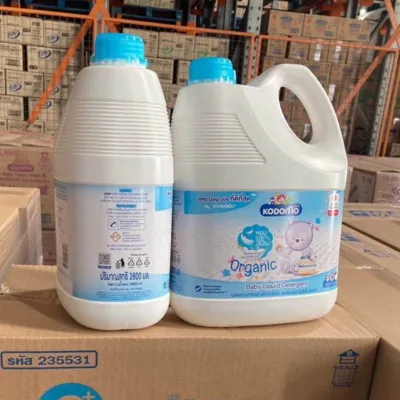
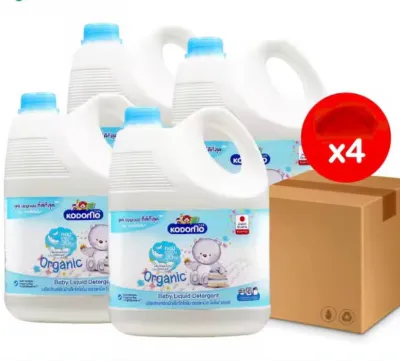
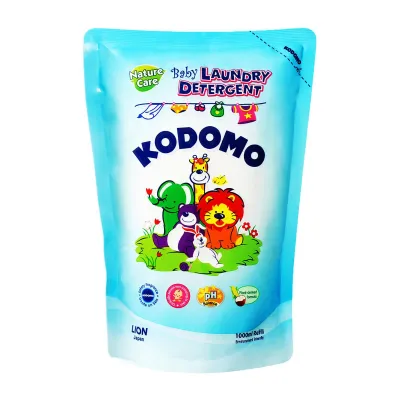
![[Carton Deal] Kodomo Baby Laundry Detergent Nature Care Refill 1L](https://img.lazcdn.com/g/p/8113dcdbcd72dd3047df43bf948d9baf.png_400x400q80.png_.webp)
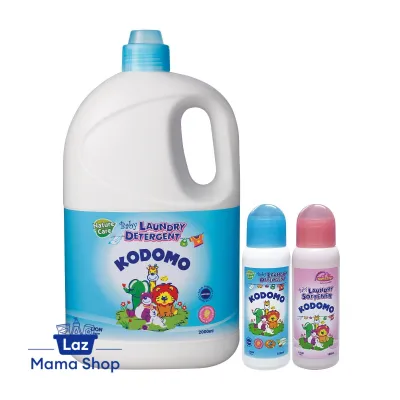
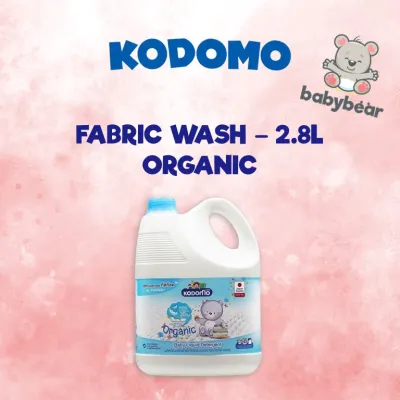
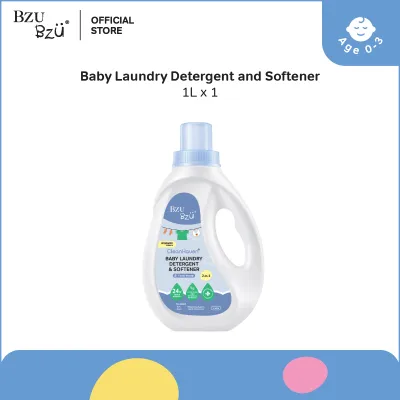
![[2L/Bottle] Einmilk Natural Camellia Oil Laundry Detergent Concentrated Cleaning Liquid For Baby & Family Use DET210](https://img.lazcdn.com/g/p/5248506b60164689d4c6a198139252d2.jpg_400x400q80.jpg_.webp)
Prices are valid at publication and may change. Please refer to the product page for the latest price.
Harsh surfactants, such as Sodium Lauryl Sulfate (SLS) and Sodium Laureth Sulfate (SLES), are foaming agents that can strip the skin’s natural lipids and moisture. Additionally, certain synthetic preservatives like methylisothiazolinone (MI) are known sensitizers that can cause severe allergic contact dermatitis. These preservatives are added to liquid detergents to prevent bacterial growth, but they can be highly irritating to compromised skin.
It is important to remember that every baby’s skin is unique, and individual triggers vary significantly. While these chemical categories represent the most common irritants, they should serve as primary label-checking priorities rather than a definitive medical diagnosis for your child’s specific skin condition.
How to Read Baby Detergent Labels for Hidden Irritants
Navigating the marketing claims on the front of detergent bottles requires a careful eye. A common point of confusion is the difference between “fragrance-free” and “unscented.” A “fragrance-free” product contains no added fragrance chemicals, whereas an “unscented” product may actually contain masking fragrances designed to neutralize the chemical odors of other ingredients, potentially exposing your baby to hidden irritants. Always look for “fragrance-free” rather than “unscented” when selecting products for sensitive skin.

Parents should also look out for vague, umbrella terms on the ingredient list. Phrases like “colorant,” “cleaning agent,” “surfactant blend,” or “preservative system” often mask the specific chemicals used in the formulation. When these details are omitted, it becomes much harder to identify and isolate specific triggers for your baby’s eczema. If a manufacturer does not fully disclose their ingredients, it may be safer to choose a brand that practices complete transparency.
Furthermore, terms like “natural,” “organic,” or “plant-based” do not automatically guarantee that a product is safe for highly sensitive skin. Many natural detergents utilize essential oils (such as lavender, eucalyptus, or tea tree oil) or botanical extracts for scent or preservation. While natural, these plant-derived compounds contain complex chemical structures that can be highly sensitizing to an infant’s delicate skin barrier, especially when exposed to heat and friction.
Safely Testing and Transitioning to a New Baby Detergent
When introducing a new laundry detergent, a gradual and controlled approach is the safest way to minimize the risk of a widespread skin reaction. Instead of washing your baby’s entire wardrobe at once, start by washing a small batch of items that come into direct, prolonged contact with their skin, such as a few onesies, blankets, or bedding. This limits potential exposure to a small, manageable area of the body.
Once your baby wears these trial-washed items, closely monitor their skin over the next 24 to 72 hours. Look for localized signs of irritation, particularly in areas where clothing rubs closely against the skin, such as the neck, chest, thighs, and inner elbows. Watch for patches of redness, unusual dryness, rough texture, or signs of discomfort like increased scratching and restlessness.
If you observe any of these skin changes, immediately stop using the new detergent. Revert to your previous, trusted laundry routine and re-wash the affected clothing items with plain water or your previous safe detergent to remove any lingering residues. Keep a record of the ingredients in the rejected detergent to help identify the specific trigger over time.
If your baby’s skin symptoms persist, worsen, or show signs of infection (such as oozing, crusting, or extreme warmth), consult a pediatrician or a pediatric dermatologist. They can help differentiate between contact dermatitis from laundry products and other underlying skin conditions, providing a tailored treatment plan and professional guidance.
Laundry Habits to Minimize Detergent Residue on Clothes
Even the gentlest baby detergent can cause issues if it is not thoroughly rinsed from fabric fibers. Utilizing your washing machine’s extra rinse cycle is an effective mechanical step to flush out trapped surfactants and chemical residues, particularly from thick, absorbent fabrics like cotton towels, cloth diapers, and heavy sleepwear. Additionally, avoid using more than the recommended amount of detergent, as excess soap is difficult to rinse out completely.
Water temperature also plays a key role in how effectively detergents dissolve and rinse away. While warm water can help dissolve powder detergents more thoroughly, always check the fabric care labels on your baby’s clothes to ensure you do not damage delicate fibers or set organic stains like milk or formula. Liquid detergents are often easier to rinse out in cold water compared to powders.
Additionally, avoid using traditional liquid fabric softeners and dryer sheets. These products work by depositing a thin layer of chemicals—often containing synthetic fragrances, waxes, and quaternary ammonium compounds—directly onto the fabric fibers to make them feel softer. This residue remains in constant contact with your baby’s skin and can easily trigger eczema flare-ups. Consider using wool dryer balls as a chemical-free alternative to soften clothes.
Frequently Asked Questions (FAQ)
Can I use regular adult detergent if I double the rinse cycle?
While running an extra rinse cycle helps reduce the amount of detergent residue left on clothing, it does not completely eliminate the risk. Standard adult detergents are formulated with stronger surfactants, optical brighteners, and intense fragrances designed to tackle heavy soil, which can still irritate a baby’s sensitive skin even in trace amounts. If your baby has diagnosed eczema or highly reactive skin, it is best to check product labels carefully for known irritants and consult your pediatrician before using standard household formulas.
Are baby detergents with essential oils safe for eczema-prone skin?
Not necessarily. Although essential oils are derived from plants, they are highly concentrated chemical mixtures that can act as potent allergens and skin sensitizers. For a baby with a compromised skin barrier due to eczema, these natural extracts can easily trigger contact dermatitis. It is highly recommended to carefully inspect the ingredient list for specific botanical extracts and monitor your baby’s skin closely if you choose to use a product containing them.
Community discussion
Share your experience or ask a question. Comments are reviewed before publication.