
Quick Guide to Choosing Baby Detergent by Ingredient
Selecting the right baby detergent in Singapore depends heavily on your infant’s age, specific skin sensitivity, and your household’s laundry habits. There is no single “perfect” formula that works for every baby. Instead, detergents fall into distinct categories—plant-based, enzyme-boosted, and fragrance-free—each serving a different developmental stage or skin type.
For newborns and babies with eczema-prone or highly sensitive skin, a fragrance-free, hypoallergenic formula is the safest starting point. These minimalist formulations reduce the risk of contact dermatitis by eliminating potential irritants.
As babies grow older, start solid foods, and begin crawling, their clothes collect tougher, organic stains like formula, spit-up, and food purees. At this stage, enzyme-boosted detergents become highly effective at breaking down stubborn proteins and starches, provided your child’s skin barrier has matured enough to tolerate them.
Products mentioned in this guide
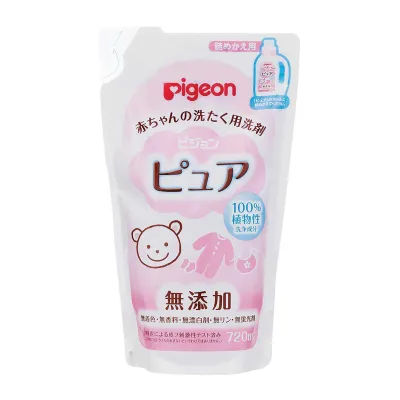
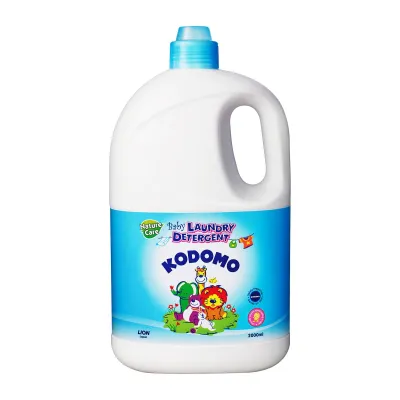
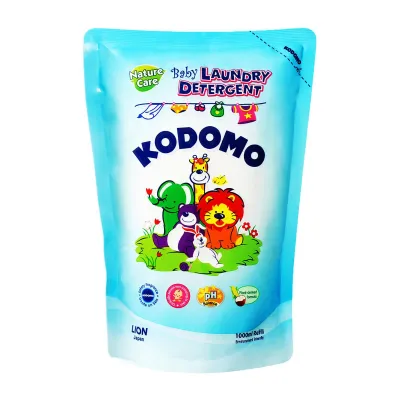
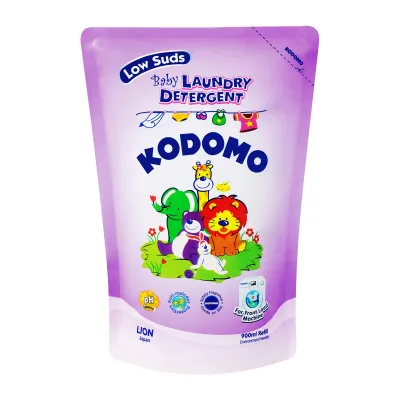
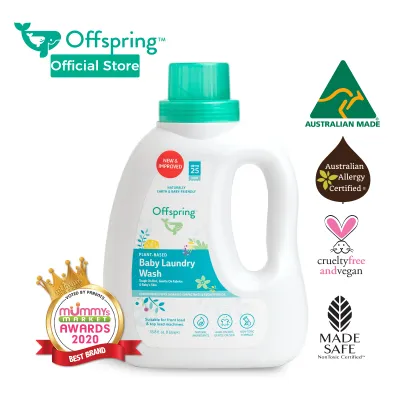
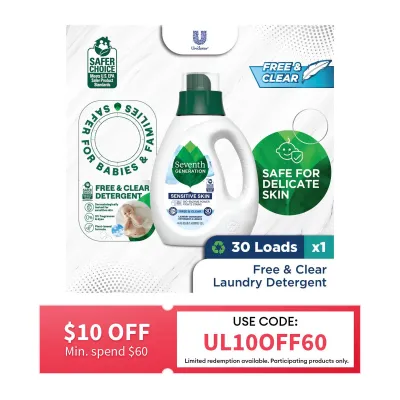
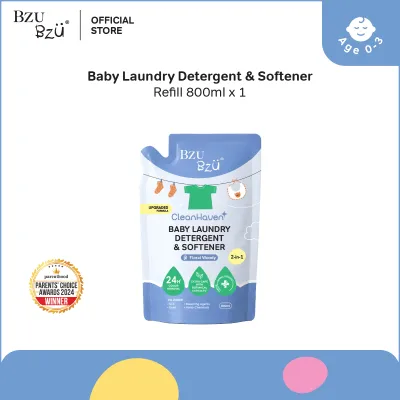
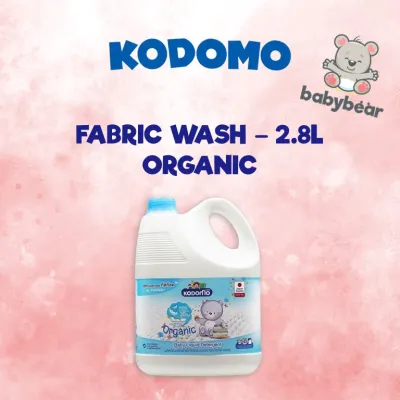
Prices are valid at publication and may change. Please refer to the product page for the latest price.
This guide provides a systematic framework to help you decode ingredient lists on products sold in Singapore, allowing you to make an informed choice based on chemical properties rather than marketing buzzwords.
Key Ingredients to Look For and Avoid in Baby Detergents
Understanding what goes into a bottle of laundry detergent is essential for protecting your baby’s delicate skin, which is significantly thinner and more permeable than adult skin. When you look at the back of a detergent bottle, the list of chemical compounds can seem overwhelming. By breaking these down into surfactants, enzymes, and preservatives, you can easily identify which formulations are gentle and which might trigger a skin reaction.

Gentle Surfactants and Cleaning Agents
Surfactants, or surface-active agents, are the core cleaning ingredients in any detergent. Their primary job is to lower the surface tension of water, allowing it to wet fabrics more effectively and lift away dirt, oils, and soils.
In baby detergents, these surfactants can be derived from petroleum or plant sources, such as coconut or palm oil. These are often listed on packaging as alkyl polyglucosides, coco-glucoside, or decyl glucoside. Plant-derived surfactants are widely marketed as milder and more biodegradable, making them popular choices for sensitive skin.
When reading labels, look for mild, non-ionic surfactants, which carry no electrical charge and are generally less irritating to the skin barrier than anionic surfactants like sodium lauryl sulfate (SLS).
However, it is crucial to remember that “plant-derived” or “natural” does not automatically guarantee a product is free from irritation. Even botanical ingredients can trigger allergic contact dermatitis, so parents must always observe their baby’s skin closely after the first few washes.
Enzymes for Stain Removal
Enzymes are specialized proteins that target and break down specific types of organic stains. They act as catalysts, accelerating the chemical reactions that dissolve tough messes without requiring harsh scrubbing or high water temperatures.
Common enzymes in laundry formulas include protease, which targets protein-based stains like breastmilk, formula, and spit-up. Amylase breaks down starches from baby food and purees, while lipase tackles fats and oils. Another enzyme, cellulase, helps prevent fabric pilling, which keeps clothes feeling smooth against sensitive skin.
While enzymes are highly efficient at keeping baby clothes looking clean, they can sometimes leave microscopic residues on fabric fibers. For babies with extremely sensitive skin or compromised skin barriers, these residues can cause mild irritation or redness if the clothing rubs against their skin.
To minimize this risk, ensure your washing machine is set to a robust rinse cycle, or run an extra rinse setting to thoroughly flush out any lingering enzyme particles from the fabric fibers. If your washing machine has a dedicated baby wear cycle, this often includes extra rinses automatically to address this specific concern.
Preservatives, Fragrances, and Dyes
Many additives in standard detergents serve aesthetic or shelf-life purposes but offer no actual cleaning benefits. Artificial dyes, used solely to make the liquid look appealing, and synthetic fragrances, designed to leave a lasting scent, are among the most common triggers for pediatric contact dermatitis.
Liquid detergents require preservatives to prevent the growth of harmful bacteria and mold in the bottle, especially in Singapore’s warm, humid climate. However, some traditional preservatives, such as methylisothiazolinone (MI) and methylchloroisothiazolinone (MCI), are known skin sensitizers that should be avoided in baby care products. Phenoxyethanol is a common alternative preservative that is widely considered gentler, though it should still be used in minimal concentrations.
Look instead for formulations that use gentler, food-grade preservatives or are specifically labeled as free from harsh chemical stabilizers.
If your baby develops persistent redness, dry patches, or a localized rash after you switch detergents, stop using the product immediately. Wash the affected clothing in plain water, and consult a qualified pediatrician or dermatologist for a proper assessment. Never attempt to treat a suspected allergic reaction with over-the-counter medicated creams without professional medical advice.
How Different Baby Detergent Formulation Types Compare
The baby detergent market in Singapore is diverse, offering options that cater to different parenting philosophies, budgets, and skin requirements. Choosing between plant-based, enzyme-boosted, or fragrance-free formulas involves balancing cleaning efficacy against the potential risk of skin sensitivity.
Plant-Based and Natural Formulas
Plant-based formulas leverage biodegradable surfactants derived from agricultural sources rather than petroleum. These products appeal to environmentally conscious parents who want to minimize their household’s chemical footprint and ensure that greywater runoff is eco-friendly.
Many of these formulas are highly effective for daily washing and are generally gentler on the skin barrier compared to conventional synthetic detergents.
A common misconception among consumers is that “natural” is synonymous with “allergy-free.” In reality, many plant-based detergents include botanical extracts or essential oils, such as lavender, eucalyptus, or citrus, to provide a pleasant scent.
These essential oils contain natural allergens that can easily sensitize a newborn’s skin or trigger flare-ups in babies prone to eczema. If your baby has sensitive skin, it is best to choose a plant-based formula that is explicitly free from added essential oils and botanical fragrances. Always review the full ingredient list rather than relying on front-label claims of “all-natural” or “green” formulation.
Enzyme-Boosted Formulas
Enzyme-boosted baby detergents are formulated specifically to tackle the heavy-duty messes associated with active infants and toddlers. When a baby transitions to solid foods, their diapers and clothes become subjected to complex stains from carrots, berries, and oily purees that standard gentle detergents struggle to remove.
The primary benefit of these formulas is their superior stain-clearing power, which helps prevent clothes from becoming permanently discolored or dingy.
However, the trade-off is the potential for skin irritation if the enzymes are not completely rinsed out. Because enzymes remain active until they are washed away or deactivated, any residue left on the fabric can react with moisture on the baby’s skin.
These formulas are generally better suited for older babies whose skin barriers are more mature and less prone to environmental triggers, provided they have no known history of enzyme sensitivity.
Fragrance-Free and Hypoallergenic Formulas
Fragrance-free and hypoallergenic formulas represent a minimalist approach to laundry care. These products deliberately omit masking scents, artificial dyes, and optical brighteners—chemical compounds that remain on clothes to make them appear whiter under light but can easily irritate delicate skin.
By stripping the formulation down to its bare essentials, these detergents provide the safest baseline for newborns, premature infants, and babies diagnosed with atopic dermatitis.
The main limitation of these minimalist formulas is their reduced cleaning power when faced with tough, set-in organic stains. Without enzymes or strong chemical boosters, parents may need to pre-treat stains immediately with cold water or a gentle spot-cleaner before running a full wash cycle.
While the term “hypoallergenic” indicates that the product has been formulated to minimize allergic reactions, it is not a medical guarantee; parents should still perform a patch test on a small scale before full adoption. This involves washing a single item first to observe how your baby’s skin reacts over a 24-hour period.
Which Baby Detergent Formula Fits Your Baby's Needs?
Selecting the right detergent involves assessing your baby’s current developmental stage, their skin health, and your family’s daily routine. To simplify this decision, you can use a structured framework based on your child’s specific profile.
Choose a fragrance-free, hypoallergenic formula if:
- Your baby is a newborn or premature infant whose skin barrier is still developing and highly permeable.
- Your child has been diagnosed with eczema, atopic dermatitis, or has highly reactive skin.
- You notice unexplained redness, dry patches, or itching after using scented household products.
- You prefer to avoid synthetic additives entirely to maintain a minimalist skincare routine for your infant.
Choose an enzyme-boosted formula if:
- Your baby has started solid foods and regularly produces tough protein or starch stains from purees, formula, and milk.
- Your child does not have a history of skin sensitivities, eczema, or allergies.
- You are willing to run an extra rinse cycle on your washing machine to ensure no active residues remain on the fabric.
- You want to maximize the lifespan of baby garments by preventing yellowing and stubborn stains.
Choose a plant-based formula if:
- You prioritize biodegradable ingredients and want to reduce your household's environmental impact in Singapore.
- You carefully verify the ingredient list to ensure the surfactants are mild and there are no added essential oils or botanical fragrances.
- Your baby has normal skin that does not react easily to mild, plant-derived ingredients.
- You are comfortable with slightly lower stain-removal power in exchange for a more sustainable product profile.
Verify first if:
- Your baby has a severe, chronic, or diagnosed skin condition. Always consult a pediatrician or dermatologist before introducing new laundry products or active ingredients to their clothing.
Ultimately, the best detergent is the one that successfully cleans your baby’s clothes while keeping their skin calm and healthy. This may require a brief trial period with a small bottle before committing to a specific brand long-term.
How to Read Detergent Labels and Verify Safety Claims in Singapore
Shopping for baby products in Singapore means navigating shelves filled with local and international brands, each carrying various marketing claims. Learning how to look past the front-of-package marketing and read the technical details on the back is the most reliable way to protect your baby.
When reading the ingredient list, note that ingredients are typically listed in order of concentration, from highest to lowest. If water is the first ingredient, it is a liquid detergent; look closely at the next three to five ingredients, as these represent the primary active cleaning agents and surfactants.
Be cautious of common marketing terms like “dermatologically tested,” “baby-safe,” or “pediatrician approved.” In Singapore, these terms are often used for marketing and do not represent strictly regulated medical guarantees.
Instead, look for independent certifications on the packaging from recognized international organizations, such as the National Eczema Association, Allergy Certified, or USDA Certified Biobased, which require brands to meet specific formulation standards.
When trying a new brand purchased from a local supermarket, pharmacy, or online marketplace, perform a simple verification check: wash a single piece of clothing or a muslin square first, have your baby wear or use it, and observe their skin for 24 hours to monitor for any signs of redness or irritation.
Additionally, always follow the manufacturer’s dosage instructions printed on the bottle. Using more detergent than recommended does not make the clothes cleaner; instead, it leaves excess residue on the fabric fibers, increasing the likelihood of skin irritation and buildup in your washing machine.
Furthermore, keep in mind that Singapore’s high humidity can affect how clothes dry. If clothes are dried indoors in a service yard or balcony, any leftover residue can trap moisture and lead to musty odors. Choosing a detergent that rinses clean is essential not just for skin health, but also for maintaining fabric hygiene in a tropical climate.
Frequently Asked Questions (FAQ)
Do I really need a special baby detergent, or can I use regular family detergent?
Regular family detergents often contain strong synthetic fragrances, optical brighteners, and harsh anionic surfactants designed to strip heavy dirt from adult clothing. These ingredients can easily compromise a baby’s delicate skin barrier, leading to irritation or contact dermatitis. For the first year of life, using a dedicated baby detergent or a fragrance-free, sensitive-skin family detergent is highly recommended. If your family already uses a very mild, fragrance-free, dye-free detergent and your baby shows no signs of skin irritation, you may continue using it, but you must monitor their skin closely for any changes.
Are fabric softeners safe to use with baby detergent?
It is generally advised to avoid traditional liquid fabric softeners and dryer sheets when washing baby clothes, especially infant sleepwear. Fabric softeners work by leaving a chemical coating over the fibers to make them feel smoother. This coating can significantly reduce the flame-resistant properties of baby sleepwear, trap moisture and odors, and leave chemical residues that rub directly against your baby’s sensitive skin. To keep baby clothes soft safely, consider using wool dryer balls in the dryer, or rely entirely on a high-quality, gentle baby detergent and a thorough rinse cycle.
Community discussion
Share your experience or ask a question. Comments are reviewed before publication.