
When preparing a nursery in Singapore, selecting a safe baby crib or cot is one of the most critical decisions you will make. While the market offers a vast array of designs, from space-saving mini-cribs suitable for compact apartments to convertible wooden cots, safety must always take precedence over aesthetics. In Singapore, consumer products, including children’s furniture, are subject to safety requirements overseen by national regulatory bodies. However, because many cribs are imported from various parts of the world, parents must understand how to navigate both local guidelines and international safety standards to ensure their child’s sleeping environment is entirely secure.
To make an informed choice, you need to know what specific safety benchmarks to look for, how to physically inspect a crib for hidden hazards, and when a sleeping space is no longer safe for your growing baby. Taking the time to verify these details before purchasing provides peace of mind and protects your infant from preventable injuries.
Navigating Crib Safety Regulations in Singapore
In Singapore, consumer product safety is overseen by the Consumer Product Safety Office (CPSO), which safeguards consumers from unsafe general consumer goods. While Singapore does not maintain a unique, standalone manufacturing standard specifically for baby cribs, the CPSO requires that consumer goods sold locally comply with international safety standards. This means that any crib or cot offered by reputable retailers should align with recognized global benchmarks to ensure structural integrity and chemical safety.
Products mentioned in this guide
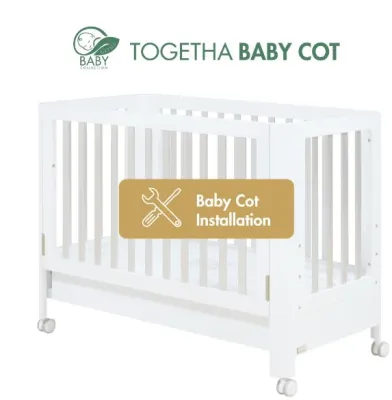
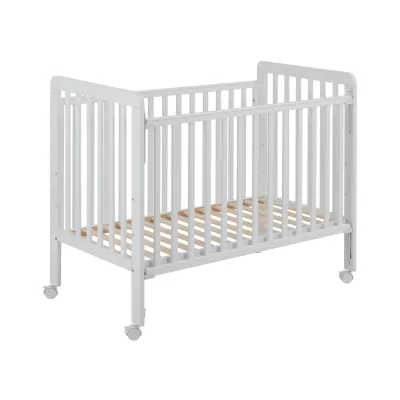
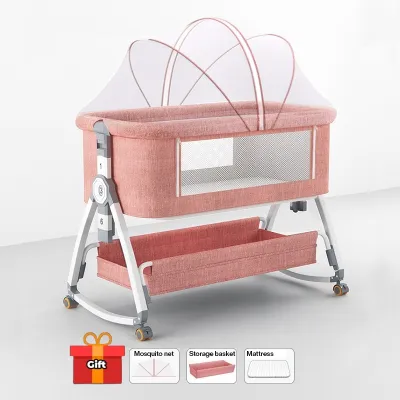
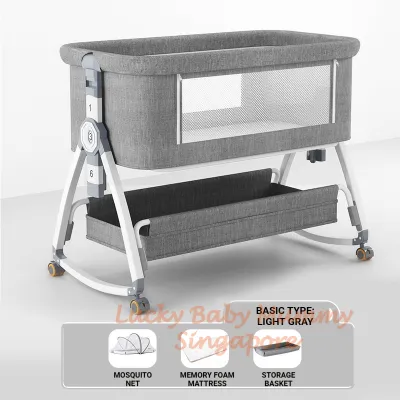

![[SG Stock]Brotish Multifunctional 2 Layer Portable Infant Baby Cot Playpen Travel Cot Bed Double-deck Playpen Sleep Bed](https://img.lazcdn.com/g/p/9306630fe674b3e82e74c940f19a16cd.jpg_400x400q80.jpg_.webp)
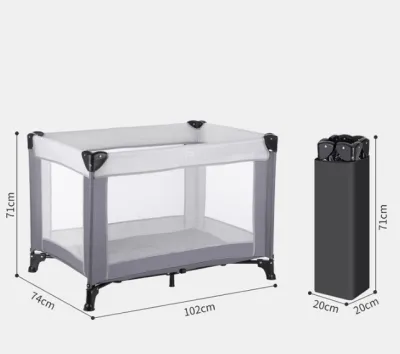
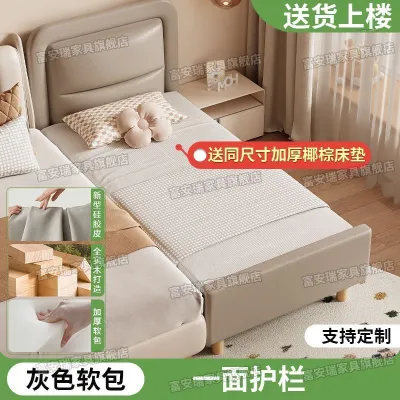
Prices are valid at publication and may change. Please refer to the product page for the latest price.
Understanding the distinction between mandatory safety regulations and voluntary marketing claims is essential when shopping. Under the Consumer Protection (Consumer Goods Safety Requirements) Regulations, suppliers must ensure their products meet safety standards set by international organizations such as the International Organization for Standardization (ISO), the European Committee for Standardization (CEN), or ASTM International. A crib that does not reference any of these recognized standards may not have undergone rigorous safety testing.
Before finalizing your purchase, especially when shopping online or at local baby fairs, do not hesitate to ask the retailer for compliance documentation. Reputable brands and distributors should be able to provide a test report or a declaration of conformity indicating that the specific model has passed safety evaluations. If a seller cannot or will not provide this verification, it is best to look for alternative options that prioritize transparency and safety.
Essential Safety Features to Inspect on Cribs and Cots
Even if a crib claims to meet safety standards, performing a physical inspection is a crucial step to verify that the product is free from manufacturing defects or assembly errors. Slat spacing is one of the most critical dimensions to check. The gap between the slats must be narrow enough to prevent a baby’s head, limbs, or body from slipping through and becoming trapped. Standard safety guidelines dictate that this spacing should be between 45 mm and 65 mm; a practical home test is to check if a standard soft drink can can pass through the slats, which it should not.

Mattress fit is another vital safety factor that requires close measurement. The mattress must fit snugly within the crib frame with virtually no gaps. If you can place more than two fingers between the edge of the mattress and the side of the crib, the mattress is too small. Gaps larger than this create a severe entrapment and suffocation hazard, as an infant can easily roll into the space and become wedged.
Structural stability and hardware integrity are particularly important in Singapore’s humid tropical climate, which can cause wood to warp or low-quality adhesives to degrade over time. Gently shake the assembled crib to ensure it is sturdy and does not wobble. All bolts, screws, and brackets must be made of durable, non-corrosive metal and fit flush against the frame. Loose joints or protruding hardware can catch on a baby’s clothing or cause the crib to collapse under sudden movement.
Finally, run your hands along all wooden and plastic surfaces to check for sharp edges, rough patches, or splinters. The paint, varnish, or protective finish used on the cot must be certified non-toxic and lead-free. Because teething babies frequently chew on the crib rails, verifying that the materials are safe for oral contact is essential. Many modern cots feature plastic teething guards along the top rails to protect both the wood and your baby’s sensitive gums.
How to Read and Verify Safety Certification Labels
When evaluating a baby crib, look for permanent safety labels or stamps on the product frame, the mattress support base, or the original packaging. These labels should clearly state the manufacturer’s details, the model number, the date of manufacture, and the specific safety standard the product complies with. Having this information readily available is also helpful if you ever need to check for product recalls or order replacement parts.
Familiarize yourself with the codes for recognized international safety benchmarks. For European imports, look for compliance with EN 716 (specifically EN 716-1 and EN 716-2), which governs children’s cots and folding cots for domestic use. For products manufactured or sold under American standards, look for ASTM F1169, the standard specification for full-size baby cribs. Australian and New Zealand imports should reference AS/NZS 2172, while global designs may cite ISO 7175.
Be cautious of vague, unverified marketing terms that mimic official safety certifications. Phrases like “pediatrician-approved,” “eco-friendly,” or “premium baby-safe materials” are often used for promotional purposes and do not guarantee structural safety. Genuine safety certifications are always tied to a specific, numbered standard code that has been verified by an independent, accredited testing laboratory. If you are unsure, cross-reference the certification code online or ask the retailer to clarify which testing body issued the compliance report.
Red Flags: When to Avoid or Stop Using a Crib
Knowing when to reject a crib or retire an existing one is just as important as knowing what to buy. Critical structural defects are immediate red flags. Never use a crib that has missing, loose, or broken hardware, cracked wooden slats, or a sagging mattress support. Do not attempt to repair a broken crib using makeshift household screws, glue, or wire, as these temporary fixes can easily fail under the weight or movement of an active child.
While purchasing pre-loved furniture or accepting hand-me-downs is a popular way to manage nursery costs, second-hand cribs carry inherent risks. Older models may not comply with current safety standards, might have suffered invisible structural fatigue, or could be missing the original assembly instructions and hardware. If you cannot verify the exact brand, model number, manufacturing date, and complete history of a second-hand cot, it is safer to decline it and opt for a new, certified model.
Additionally, you must monitor your baby’s physical development to determine when to adjust or stop using the crib. As soon as your baby can sit up or push up on their hands and knees, you must lower the mattress base to its lowest setting to prevent them from falling out. Once your child reaches the manufacturer’s height or weight limit, or when the height of the side rail is less than three-quarters of their height, they have outgrown the crib. At this stage, transition them to a toddler bed or a floor mattress to eliminate the risk of dangerous climbing falls.
Frequently Asked Questions (FAQ)
Are drop-side cribs safe or permitted for sale?
Drop-side cribs, which feature a side rail that slides down to make accessing the baby easier, have been associated with severe safety risks globally. Mechanical failures, warping of the tracks, or incorrect assembly can cause the drop-side to detach partially, creating a dangerous gap where an infant can become trapped and suffocate. While some international jurisdictions have banned them entirely, any drop-side crib used in Singapore must be inspected with extreme caution. Ensure all locking mechanisms are fully functional, and regularly check the hardware for signs of wear or loosening.
How can I check if a specific crib model has been recalled?
To check if a crib model has been recalled, visit the Consumer Product Safety Office (CPSO) website for local safety alerts, or search international databases such as the US Consumer Product Safety Commission (CPSC) or the European Union’s Safety Gate portal. You will need the exact manufacturer name, model number, and production batch code, which are typically printed on a tracking label permanently affixed to the crib frame or mattress support. Registering your new crib with the manufacturer after purchase is also a reliable way to receive direct notifications regarding safety recalls.
Do bedside sleepers follow the same standards as full-size cribs?
Bedside sleepers, which attach directly to the parent’s bed, are governed by different safety standards than traditional standalone cribs, such as the European standard EN 1130. When using a bedside sleeper, you must ensure that the attachment straps are securely fastened to the adult bed frame with absolutely no gap between the two mattresses. Bedside sleepers also have much lower weight and developmental limits than full-size cots; you must stop using them as soon as your baby shows signs of rolling over, pushing up on their hands and knees, or reaching the manufacturer’s specified weight limit.

Community discussion
Share your experience or ask a question. Comments are reviewed before publication.