
When preparing a nursery, selecting a safe sleeping environment is one of the most critical decisions parents face. In Singapore, baby cribs must meet stringent safety expectations to ensure they do not pose physical, chemical, or structural hazards to infants. While shopping, you will encounter a vast array of options ranging from local boutique imports to products sold on global ecommerce platforms. Navigating this landscape requires a clear understanding of how consumer safety is regulated locally and what specific indicators point to a truly secure product.
To be legally sold in Singapore, consumer goods like nursery furniture must comply with general safety requirements overseen by local regulatory bodies. Rather than relying solely on a brand’s marketing claims, parents must take an active role in verifying safety certifications, inspecting physical dimensions, and understanding the structural limits of the crib. By focusing on verifiable safety standards and conducting your own physical checks, you can create a secure, peaceful sleeping space that protects your baby throughout their early developmental stages.
Navigating Local Consumer Safety Regulations for Nursery Furniture
In Singapore, the safety of general consumer products is monitored by the Consumer Product Safety Office (CPSO), which operates under Enterprise Singapore. The CPSO ensures that consumer goods sold in the local market do not pose a risk of injury or harm. While certain household appliances are classified as Controlled Goods and must carry the official SAFETY Mark, baby furniture like cribs falls under general consumer goods. This means they are regulated under the Consumer Protection (Consumer Goods Safety Requirements) Regulations (CGSR).
Products mentioned in this guide
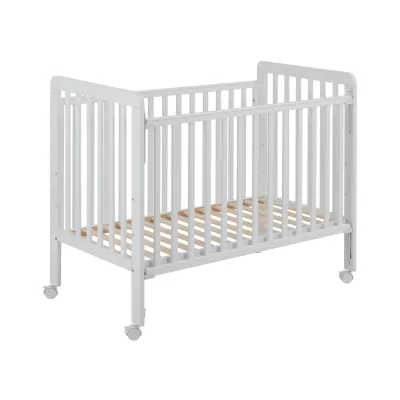
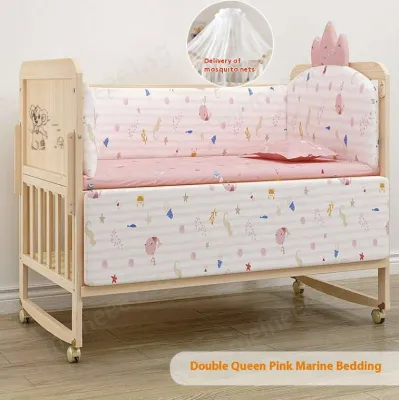
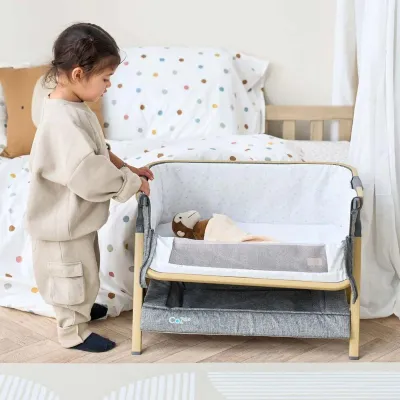
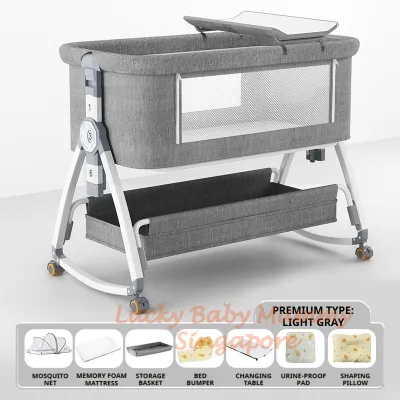
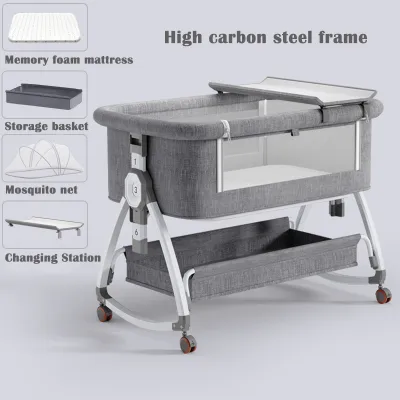
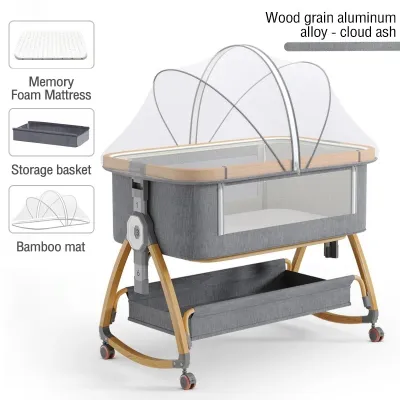
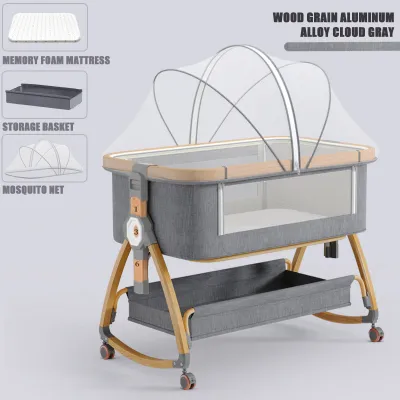
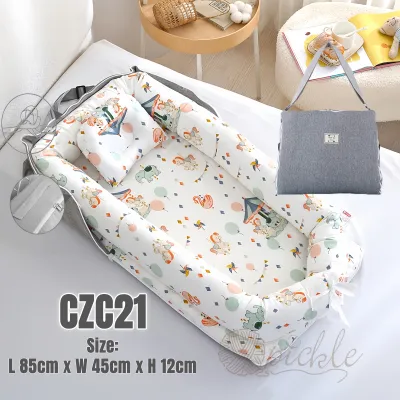
Prices are valid at publication and may change. Please refer to the product page for the latest price.
Under the CGSR, any general consumer product offered for sale in Singapore must conform to safety standards set by recognized international standardization bodies. This regulatory framework ensures that retailers cannot legally sell sub-standard or hazardous nursery furniture. However, because cribs do not undergo pre-market registration like electrical Controlled Goods, the responsibility falls on the importer, retailer, and ultimately the parent to verify that the product meets these high benchmarks.
When shopping, distinguish between mandatory regulatory compliance and voluntary manufacturer testing. Mandatory compliance ensures the crib meets the baseline safety laws required for sale in Singapore. Voluntary testing involves manufacturers sending their products to independent laboratories for additional safety, durability, and chemical-emission evaluations. These voluntary tests offer extra peace of mind, proving that the crib can withstand prolonged use without structural failure.
To verify compliance, engage directly with the retailer. If you are purchasing from a physical showroom in Singapore, ask the sales staff to provide the product’s safety compliance documentation or user manual. For purchases made on online marketplaces, scrutinize the product description for explicit mentions of safety standards. Avoid listings that use vague language like “child-safe” without referencing recognized regulatory bodies. A reputable retailer should always be able to provide clear documentation verifying that their products meet established safety criteria.
Identifying Recognized International Safety Marks on Product Labels
Because Singapore’s regulatory framework accepts established international benchmarks, the easiest way to verify a crib’s safety is by looking for recognized international safety marks on the product labels, packaging, or instruction manuals. The most common standards you will encounter include European, North American, and Australasian certifications. These marks indicate that the crib has undergone rigorous physical and chemical testing to ensure it can safely support an infant.

The European standard EN 716 is a widely respected benchmark for children’s cots. This standard regulates critical safety aspects such as slat distance, minimum side height, and entrapment prevention. In North America, the ASTM International standard ASTM F1169 sets safety specifications for full-size cribs, while the Consumer Product Safety Commission enforces strict federal requirements. Additionally, the Australian and New Zealand standard AS/NZS 2172 is highly regarded for its stringent testing on structural strength and impact resistance.
When verifying these standards, do not assume a crib is compliant simply because of the brand’s country of origin. A brand headquartered in Europe or the United States may still manufacture products for different markets that do not meet those specific regional standards. The safety standard mark must be explicitly printed on the product’s permanent tracking label, the packaging, or within the official user manual. If a retailer claims a product is certified but cannot point to the physical mark or documentation, treat the claim with caution.
Furthermore, safety certifications are closely tied to specific age, weight, and developmental limits. Manufacturers must specify these limits alongside their certification marks. For example, a crib may be certified safe only up to a certain weight or until the child is able to stand independently. Before purchasing, verify these limits in the product documentation to ensure the crib is suitable for your child’s current developmental stage. Never exceed the manufacturer’s stated limits, as doing so can compromise the structural integrity of the crib and lead to accidents.
Conducting a Physical Safety Inspection Before Assembly
Even if a crib carries the necessary safety certifications, conducting a thorough physical inspection before and during assembly is a vital step in ensuring your baby’s safety. This hands-on evaluation allows you to identify any manufacturing defects, shipping damage, or assembly errors that could pose a hazard. Focus your inspection on three primary areas: slat spacing, surface finishes, and mattress compatibility.
Slat spacing is one of the most critical design elements of a safe baby crib. The gaps between the slats must be narrow enough to prevent your baby’s head, limbs, or torso from becoming trapped, yet wide enough to allow proper airflow. Standard safety guidelines dictate that the distance between crib slats should be no more than 6 centimeters (60 millimeters). You can easily verify this during assembly by using a standard measuring tape. If the gap between any two slats exceeds this limit, do not use the crib, as it presents a severe entrapment risk.
Next, inspect the physical build and finish of all wooden, plastic, or metal parts. Run your hands along the rails, slats, and corners to check for smooth finishes. There must be no sharp edges, splinters, or rough patches that could scratch your baby’s skin. Ensure all screws, bolts, and brackets fit flush against the frame and do not protrude, as protruding hardware can catch on clothing. Additionally, avoid cribs with decorative cut-outs in the headboard or footboard, as these designs can trap a child’s fingers or limbs.
The fit of the crib mattress is equally important for preventing entrapment. A dangerous gap can form if the mattress is too small for the crib frame, allowing a baby to slip into the space between the mattress and the side rails. To verify a proper fit, always compare the manufacturer’s specified internal dimensions of the crib with the dimensions of the mattress you plan to buy. Once the mattress is placed inside the crib, perform the “two-finger test.” If you can fit more than two fingers between the edge of the mattress and the crib frame, the mattress is too small and must be replaced with a properly sized, firm alternative.
Red Flags: When to Reject or Retire a Baby Crib
Knowing when to reject a new crib or retire an existing one is essential for maintaining a safe nursery environment. Some red flags are immediate deal-breakers that should prompt you to stop using the furniture or return it to the seller. The most prominent red flag is missing or incomplete documentation. If a crib arrives without a detailed assembly manual, clear safety warning labels, or identifiable manufacturer contact information, do not attempt to assemble or use it. Proper assembly is critical to structural safety, and guessing how to connect components can lead to unstable joints and eventual collapse.
Second-hand or vintage cribs present significant risks. While passing down a family heirloom is a sentimental tradition, older models rarely meet modern safety standards. Vintage cribs may feature unsafe slat spacing, decorative cut-outs, or lead-based paints. Over time, wood can warp, metal hardware can rust, and plastic brackets can become brittle. Because you cannot verify the history or structural integrity of a second-hand crib, opting for a new, commercially tested model is always safer.
During the lifespan of the crib, you must perform regular maintenance checks. Wood can splinter, joints can loosen from daily movement, and hardware can back out over time. If you notice any structural degradation, loose connections that cannot be tightened, or cracked components, stop using the crib immediately. Do not attempt to repair structural damage with makeshift hardware or glue; instead, contact the manufacturer for authorized replacement parts or retire the crib entirely.
Finally, pay close attention to your child’s physical growth and developmental milestones. A crib is no longer safe once your child reaches the manufacturer’s stated height or weight limits, or when they show signs of being able to climb out. Typically, when the height of the side rail is less than three-quarters of your child’s height, or when they can stand and place their chin over the top rail, it is time to transition them to a toddler bed. Continuing to use the crib past this point increases the risk of serious fall injuries.
Frequently Asked Questions (FAQ)
Are drop-side cribs safe to use?
Drop-side cribs, which feature a movable side panel that slides down to make it easier to reach the baby, are generally not recommended due to significant safety risks. The moving hardware on these cribs can warp, break, or become misaligned over time, creating a dangerous gap between the drop-side rail and the crib mattress. Infants can slip into this gap and become trapped, leading to suffocation. Many international safety authorities have banned or heavily restricted the sale of drop-side cribs. For maximum structural stability and safety, parents should prioritize fixed-side crib designs.
How do I know if a crib mattress is the right size?
To ensure a crib mattress is the right size, you must verify that it fits snugly within the crib frame with no significant gaps. Start by checking the crib’s instruction manual or the permanent safety label on the crib frame, which will state the exact recommended mattress dimensions. The mattress must be firm, flat, and match these specifications precisely. When placed in the crib, there should be no gap wider than 3 centimeters between the mattress and any side of the crib frame. If you can easily slide more than two fingers into the gap, the mattress is too small and poses an entrapment hazard.
Is it safe to use a handmade or custom-built wooden crib?
Using a handmade or custom-built wooden crib is generally not recommended unless the builder can provide certified, documented proof of compliance with recognized international safety standards, such as EN 716 or ASTM F1169. Custom-built furniture often lacks standardized safety testing, structural load verification, and certified non-toxic, lead-free finishes. Without rigorous testing, it is difficult to guarantee that the slat spacing, rail height, and joint strength will withstand daily use. For your baby’s safety, it is highly recommended to choose commercially manufactured cribs that have been independently tested and certified.

Community discussion
Share your experience or ask a question. Comments are reviewed before publication.