
When buying a baby crib in Singapore, you should look for recognized international safety certifications such as the European standard EN 716, the American standard ASTM F1169, or the Australian/New Zealand standard AS/NZS 2172. Because Singapore’s consumer product safety framework relies on these robust international benchmarks, verifying these certifications on the product label or manufacturer documentation is the most reliable way to ensure a crib is structurally sound, chemically safe, and free from entrapment hazards.
Setting up a nursery is one of the most exciting parts of preparing for a new baby, but it also comes with significant responsibility. A newborn baby can spend up to 16 hours a day sleeping, making the crib the single most important piece of furniture you will select. Ensuring that this environment is completely safe requires a clear understanding of what safety standards mean, how to verify them, and what physical checks you must perform yourself before placing your baby down to sleep.
Understanding Crib Safety Regulations in Singapore
In Singapore, consumer goods are monitored under a regulatory framework designed to protect households from unsafe products. The Consumer Product Safety Office (CPSO), which operates under Enterprise Singapore, is the key body safeguarding consumers. While certain high-risk household appliances require a mandatory safety mark registration, general nursery furniture like baby cribs falls under the Consumer Protection (Consumer Goods Safety Requirements) Regulations (CGSR).
Products mentioned in this guide
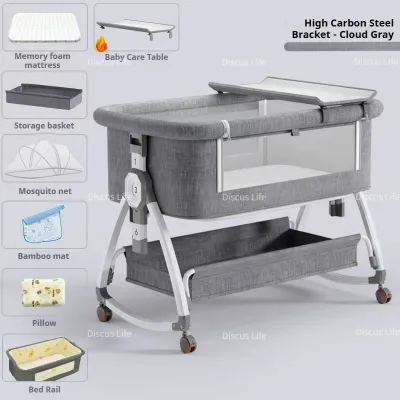
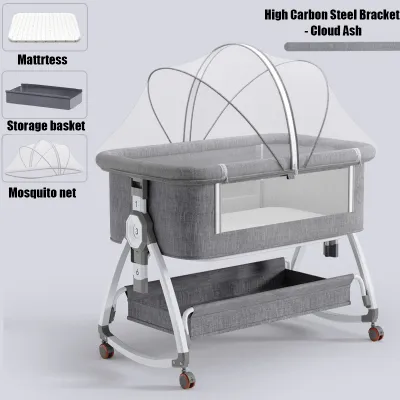
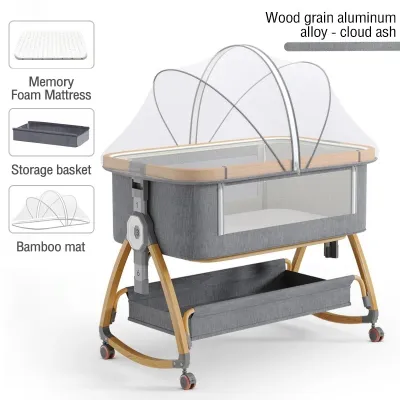
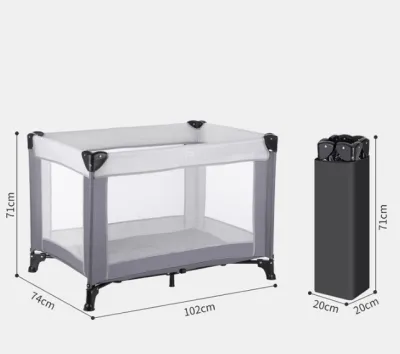
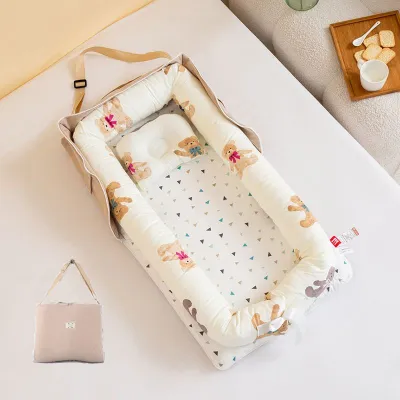
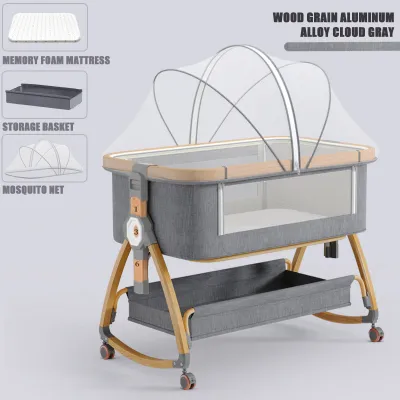
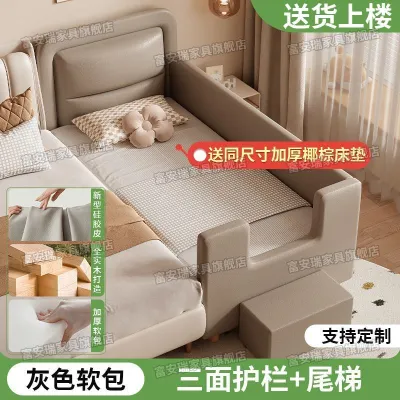
Prices are valid at publication and may change. Please refer to the product page for the latest price.
Under the CGSR, general consumer goods sold in the local market must comply with applicable international safety standards. This means there is no unique, Singapore-specific safety stamp or registration number required on a crib’s headboard. Instead, the law requires that any crib offered for sale must meet established safety benchmarks set by recognized international standardization bodies, such as the European Committee for Standardization (CEN) or ASTM International.
This regulatory approach places the responsibility on manufacturers, distributors, and retailers to ensure their products are safe before they reach physical or digital shelves. For parents, this means you must look beyond local retail branding and actively check for the specific international certifications that prove a crib has undergone rigorous laboratory testing. Understanding this distinction helps you avoid products that make vague safety claims without official backing.
Common International Safety Certifications for Cribs
When examining crib labels, packaging, or product manuals, you will primarily encounter three major international safety standards. The most common standard in Singapore is the European standard, designated as EN 716 (typically EN 716-1 for safety requirements and EN 716-2 for test methods). This standard is highly regarded globally and covers children’s cots and folding cots for domestic use, ensuring they meet strict structural and dimensional requirements.

Another prominent standard is the American ASTM F1169, which is a rigorous specification for full-size baby cribs. This standard is particularly notable because it completely prohibits the manufacture and sale of traditional drop-side cribs due to historical safety issues associated with failing hardware. If you are looking at cribs imported from North America, compliance with ASTM F1169 is an essential indicator of modern safety design.
Additionally, you may see the Australian and New Zealand standard, AS/NZS 2172. This standard outlines strict requirements for timber quality, construction integrity, and the strength of the mattress support base. All three of these international frameworks test cribs for structural stability, impact resistance, and the presence of small parts that could pose choking hazards.
These certifications also ensure that the materials used in the crib are non-toxic. For example, certified cribs must comply with chemical safety standards such as EN 71-3, which restricts the migration of heavy metals and toxic elements in paints, lacquers, and finishes. Because babies frequently chew on crib rails when teething, verifying that the finish is certified non-toxic is a critical step in protecting your child from chemical exposure.
To ensure a crib actually meets these standards, you should not rely solely on a seller’s verbal assurances or generic “certified safe” badges on product listings. Reputable manufacturers will provide a declaration of conformity or a summary of the third-party test report upon request. Verifying this official documentation is the only way to confirm that the specific model you are purchasing has successfully passed the relevant safety tests.
Critical Physical Safety Checks Beyond the Label
Even when a crib carries a reputable safety certification, physical inspections are necessary to account for potential shipping damage, storage wear, or assembly errors. Performing these hands-on checks gives you peace of mind that the physical structure of the crib matches its certified safety profile.
First, measure the spacing between the crib slats. The gap between individual slats must be narrow enough to prevent a baby’s head or torso from slipping through, yet wide enough to prevent limbs from becoming trapped. Safe international standards require this gap to be between 50 mm and 65 mm. A practical way to check this at home is to use a standard soft drink can; if the can can easily slide between the slats, the spacing is too wide and the crib is unsafe.
Second, evaluate the mattress fit and firmness. The mattress must fit snugly within the crib frame with virtually no gaps. If you can fit more than two fingers between the edge of the mattress and the crib side, the mattress is too small, creating a dangerous entrapment hazard where a baby’s head could become wedged. Furthermore, the mattress must be exceptionally firm; when you press your hand down on it and release, the surface should spring back immediately without leaving any lasting indentation.
Third, inspect the crib for hazardous design features. Avoid older or uncertified models with drop-side mechanisms, as these have been linked to serious injuries when the moving hardware warps or breaks. Check that all corner posts are virtually flush with the end panels; any protrusion higher than 1.5 mm can catch on a baby’s clothing or sleep sack, presenting a severe strangulation risk. Ensure there are no sharp edges, exposed wood splinters, or protruding screws anywhere on the frame.
Finally, examine the quality of the finish. Run your hand along the top rails and slats to ensure the wood is smooth and free from peeling paint, varnish bubbles, or cracks. If the crib is made of metal, check that all welds are smooth and that there are no signs of rust or corrosion, which could compromise the structural integrity of the frame over time.
Verifying Compliance Across Different Shopping Channels
In Singapore, parents source baby furniture from a variety of channels, including physical showrooms, dedicated brand websites, and online marketplaces. Each channel requires a slightly different approach to verifying safety compliance and identifying potential red flags.
When shopping at physical retail showrooms, you have the advantage of inspecting the floor models directly. Use this opportunity to test the stability of the crib by shaking it gently; it should feel solid and wobble-free. Ask the sales staff to show you the product manual and point out the specific safety standard markings on the physical frame. Reputable local retailers should readily provide access to manufacturer declarations or test reports.
If you are purchasing from online marketplaces or e-commerce platforms, verifying safety requires extra diligence. Carefully read the product description for specific mentions of EN 716, ASTM F1169, or AS/NZS 2172. Be highly skeptical of listings that use vague marketing terms like “premium quality,” “eco-friendly,” or “certified safe” without naming the specific standard or the manufacturer. Check customer reviews for photos of the actual product labels and assembly instructions.
Be alert to common red flags when shopping online. An unusually low price—such as a brand-new solid wood crib priced significantly below typical market rates, like under S$100—often indicates that the manufacturer has cut corners on material quality, structural testing, or non-toxic finishes. Other warning signs include the complete absence of clear assembly instructions, missing hardware lists, or a lack of manufacturer contact details and customer service channels.
Safe Setup and Ongoing Maintenance Conditions
Buying a certified crib is only the first step; maintaining its safety requires correct assembly and regular upkeep. Incorrect assembly is one of the leading causes of crib failure and infant injury, making it vital to follow the manufacturer’s instructions precisely.
Always assemble the crib on a flat, clean surface to prevent scratching the finish or misaligning the joints. Follow the step-by-step manual provided by the manufacturer, and use only the exact screws, bolts, and brackets included in the packaging. Never attempt to substitute missing hardware with generic screws from a local hardware store, as even minor differences in thread or length can cause the joint to fail under pressure. If parts are missing, contact the authorized distributor in Singapore to request original replacements.
Establish a routine maintenance schedule to inspect the crib at least once a month. Active babies who pull themselves up, bounce, or shake the crib rails can gradually loosen the hardware over time. Check every bolt and screw to ensure they remain tightly fastened, and inspect the mattress support brackets to confirm they are securely locked into place. If you notice any squeaking or wobbling, tighten the connections immediately.
Knowing when to stop using a crib is just as important as knowing how to maintain it. You must immediately discontinue use if you discover any cracked wood, bent metal brackets, loose slats that cannot be securely fixed, or if the mattress support base begins to sag. Additionally, regularly check global and local product recall databases; if your specific crib model is recalled by the manufacturer, stop using it immediately and follow the official recall instructions for a repair kit, replacement, or refund.
Frequently Asked Questions (FAQ)
Are second-hand cribs safe to use if they have a certification label?
Even if a second-hand crib features an original safety certification label, it may no longer be safe to use. Over time, wooden components can warp, joints can weaken, and critical hardware can suffer from structural fatigue. Furthermore, older models may not comply with modern safety standards, or they may have been subjected to improper assembly, harsh storage conditions, or undocumented repairs. If you cannot verify the crib’s complete history, including whether all original parts are present and intact, it is safer to purchase a new crib that meets current safety standards.
Do bedside sleepers and bassinets require the same certifications as full-size cribs?
No, bedside sleepers and bassinets are designed for different developmental stages and weight limits, and they are subject to separate safety standards. For example, bedside sleepers must comply with standards like EN 1130 (the European standard for cribs and cradles) or ASTM F2906 (the American standard for bedside sleepers). These standards address specific risks unique to co-sleeping attachments, such as the secure attachment mechanism to the adult bed and the prevention of gaps. Always check the manufacturer’s label to ensure the product complies with the specific standard designated for its category.
How can I check if a specific crib model has been recalled?
To check for recalls, first locate the physical tracking label on the crib, which is usually found on the underside of the mattress support or on the inside of one of the headboards. This label contains the manufacturer’s name, model number, date of manufacture, and batch code. You can then search for this information on the official website of the Consumer Product Safety Office (CPSO) in Singapore, or global recall databases such as the US Consumer Product Safety Commission (CPSC) and the European Union’s Safety Gate. If your model is listed, stop using it immediately and contact the authorized distributor or manufacturer.
Community discussion
Share your experience or ask a question. Comments are reviewed before publication.