
To ensure a baby sleeps safely in Singapore, a baby crib or cot should meet recognized international safety standards such as the European standard EN 716, the American standard ASTM F1169, or the Australian/New Zealand standard AS/NZS 2172. Because Singapore does not have a singular, unique local manufacturing standard for nursery furniture, the Consumer Product Safety Office (CPSO) under Enterprise Singapore expects consumer products sold locally to comply with these established international safety frameworks. Verifying these certifications on the physical product label or within the manufacturer’s documentation is the most reliable way to protect your infant from structural failures, entrapment, and fall hazards.
Understanding Crib Safety Regulations in Singapore
When setting up a nursery in Singapore, navigating the regulatory landscape for baby furniture requires a proactive approach. The Consumer Product Safety Office (CPSO) acts as the safety guardian for general consumer goods in the market. Rather than enforcing a standalone Singapore-specific technical standard for baby cots, the regulatory framework relies on safety requirements that align with major global testing bodies. This means that any crib sold in Singapore is expected to be safe for consumer use, but the responsibility often falls on parents to verify which specific international benchmark the product meets.
Relying solely on general marketing claims can be risky for families. Many product listings on online marketplaces or in local showrooms use vague terms like “certified safe,” “non-toxic,” or “approved for infants” without providing any concrete evidence. These claims do not guarantee that the crib has undergone rigorous mechanical testing. A truly safe crib must have its compliance backed by verifiable documentation and physical markings that reference recognized testing protocols.
Products mentioned in this guide
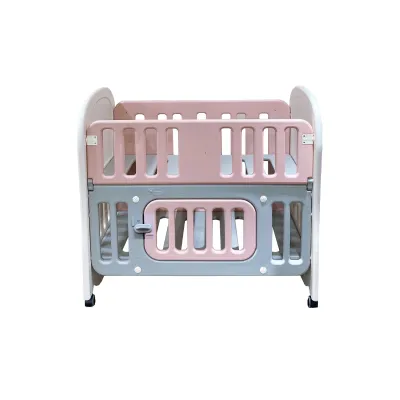
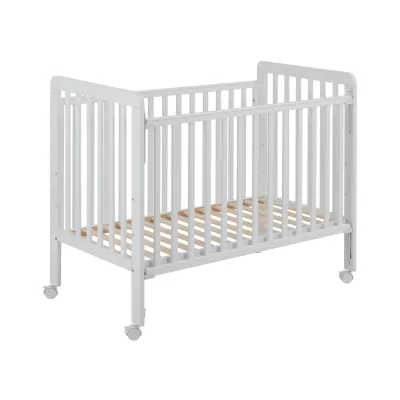
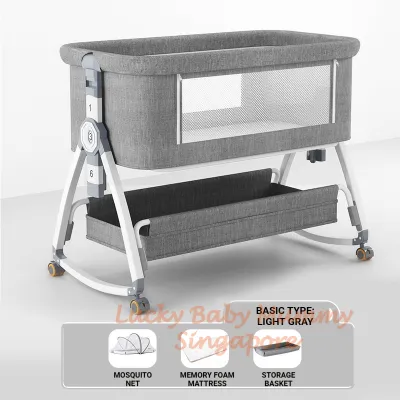
![[SG Stock]Brotish Multifunctional 2 Layer Portable Infant Baby Cot Playpen Travel Cot Bed Double-deck Playpen Sleep Bed](https://img.lazcdn.com/g/p/9306630fe674b3e82e74c940f19a16cd.jpg_400x400q80.jpg_.webp)
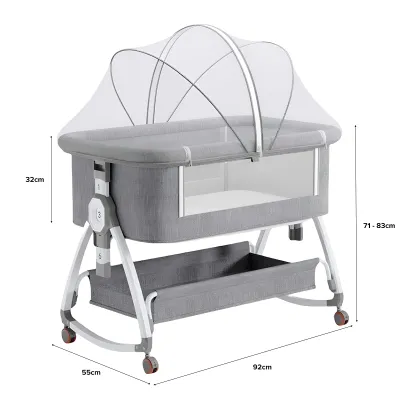
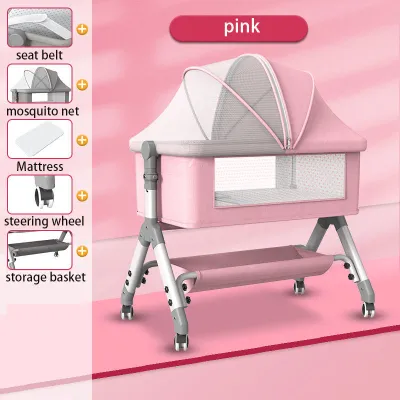
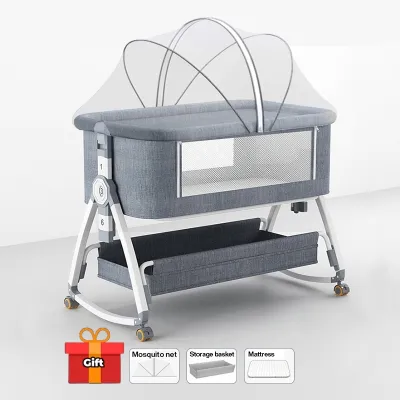

Prices are valid at publication and may change. Please refer to the product page for the latest price.
Understanding this regulatory context helps you look past attractive designs and focus on structural verification. When a retailer states that a cot is compliant with local expectations, you should immediately ask which international standard was used during the testing phase. This distinction is crucial because a cot that lacks formal testing may feature design flaws, such as weak joint connections or unsafe paint finishes, which are not immediately visible to the naked eye.
Key International Safety Marks to Look For
To ensure the crib you choose is structurally sound, you should look for specific international safety standards printed on the packaging, the user manual, or a permanent label on the crib frame itself. The European standard EN 716 (specifically EN 716-1 and EN 716-2) is one of the most common certifications found on cots sold in Singapore. This standard governs children’s cots and folding cots for domestic use, ensuring that the design minimizes risks such as entrapment, falls, and choking on small parts.

Another highly respected framework is the American standard ASTM F1169, which is the standard consumer safety specification for full-size baby cribs. This standard is exceptionally rigorous, particularly regarding structural integrity, mattress support strength, and the complete prohibition of traditional drop-side designs. If you are looking at cribs imported from North America, verifying compliance with ASTM F1169, along with certification from the Juvenile Products Manufacturers Association (JPMA), provides excellent peace of mind.
For products sourced from the Oceania region, the Australian and New Zealand standard AS/NZS 2172 is the benchmark to look for. This standard outlines strict requirements for the materials used, construction quality, and performance testing of cots. It includes specific tests for impact resistance and the strength of the mattress base, which are vital for ensuring the cot can withstand the movements of an active toddler over several years.
When verifying these marks, always check the manufacturer’s documentation for the specific version and year of the standard. Standards are updated periodically to address newly identified hazards or technological changes in manufacturing. A manual that references an outdated standard from decades ago may indicate that the crib design has not been updated to meet modern safety expectations.
Essential Physical Safety Checks for Any Crib
Even when a crib claims compliance with international standards, performing a physical inspection is a vital step before placing your baby inside. The first and most critical check is the spacing between the crib slats. The distance between any two slats must be between 45 millimeters and 65 millimeters. If the gaps are too wide, a baby’s body can slip through, leading to dangerous head entrapment; if they are too narrow, a baby’s limbs can easily get wedged and injured.
Another critical area of inspection is the crib’s side mechanism. Traditional drop-side cribs, which allow one side to slide down for easier access, have been widely banned or heavily restricted internationally due to mechanical failures that created fatal gaps. If you are purchasing a new crib, ensure it features fixed sides or a highly secure, modern folding mechanism that cannot be accidentally released by a child or fail due to worn-out plastic hardware.
The security of the assembly hardware must be evaluated during and after setup. Check that all bolts, screws, and brackets are tightly fastened and sit flush against the wood or metal frame. Loose hardware can cause the crib to wobble or collapse, while protruding bolt heads can snag a baby’s clothing, posing a serious strangulation hazard. Regularly inspect these connections, as the natural vibrations of a baby moving can loosen hardware over time.
Evaluating the mattress fit is equally important to prevent suffocation. When the mattress is placed inside the crib, there should be no significant gaps between the edge of the mattress and the inner walls of the crib. A common rule of thumb is that if you can fit more than two fingers between the mattress and the crib frame, the mattress is too small. A tight, snug fit ensures that a rolling baby cannot become wedged in a gap.
Finally, examine the corner posts and the top edges of the crib walls. Corner posts should not extend more than 1.5 millimeters above the end panels of the crib, unless they are exceptionally tall (such as those designed to support a canopy, which must be over 400 millimeters high to prevent clothing from hooking onto them). Additionally, ensure there are no decorative cutouts in the headboard or footboard, as these can easily trap a baby’s head, fingers, or toes.
How to Verify Safety Claims Before Buying
Before finalizing your purchase, especially when shopping online or through local distributors, you should take active steps to validate the seller’s safety claims. Do not hesitate to contact the retailer or manufacturer directly to request a copy of the Declaration of Conformity or the official test reports. A reputable brand will readily provide these documents, which should clearly state the product model number, the specific safety standards tested, and the accredited laboratory that conducted the testing.
Cross-referencing the product’s model number with international safety databases is another highly effective verification method. You can search the recall databases of major consumer safety organizations, such as the United States Consumer Product Safety Commission (CPSC) or the Australian Competition and Consumer Commission (ACCC). This step helps you identify if the specific model you are considering has been subject to safety notices, manufacturing defects, or voluntary recalls.
Be alert to red flags in product listings that suggest a lack of genuine safety testing. If a listing lacks any mention of specific standard codes like EN 716 or ASTM F1169, or if the seller uses vague phrases such as “meets all safety guidelines” without naming the guidelines, proceed with caution. Additionally, avoid purchasing cribs that have undergone unauthorized aftermarket modifications, such as painted finishes applied by a third party, as these paints may contain harmful levels of lead or other toxic chemicals.
Safe Sleep Setup Beyond the Crib Design
A certified, structurally sound crib is only the foundation of a safe sleep environment; how you set up and use the crib is just as important. The mattress you select must be firm and flat, designed specifically for infant sleep. Soft mattresses, memory foam toppers, or mattresses that sag under the baby’s weight increase the risk of suffocation and Sudden Infant Death Syndrome (SIDS). Ensure the mattress is designed to support the baby’s back without conforming to the shape of their head.
Keep the interior of the crib completely bare during the first year of life. While it may be tempting to decorate the cot with soft pillows, heavy blankets, quilts, bumper pads, and stuffed toys, these items present significant suffocation, entrapment, and strangulation hazards. A simple, fitted sheet over the firm mattress is all that is needed to keep your baby safe; sleep sacks or wearable blankets can be used instead of loose sheets to keep them warm.
The physical placement of the crib within the nursery or your bedroom also requires careful planning. Position the crib well away from windows, where dangling cords from blinds or curtains present an immediate strangulation risk. Additionally, ensure the crib is out of reach of electrical outlets, baby monitor cords, wall decorations, and shelves containing heavy objects that could fall into the sleeping area.
Frequently Asked Questions (FAQ)
Are second-hand cribs safe to use?
Second-hand cribs can carry hidden risks and should be evaluated with extreme caution. Older models may not meet current safety standards, such as the ban on drop-side mechanisms, or they may have suffered structural wear that compromises their stability. If you choose to use a pre-owned crib, you must verify its manufacturing date, ensure all original hardware is present and undamaged, and check that the model has never been recalled. Avoid using any second-hand crib that has been modified, repainted with unknown finishes, or shows signs of wood splitting or loose joints.
Do bedside sleepers need the same certifications as full-size cribs?
Bedside sleepers and co-sleepers must meet specific safety standards that differ slightly from full-size cribs due to their unique design. While full-size cots are tested under standards like EN 716, bedside sleepers are typically certified under standards such as EN 1130, which specifically addresses cribs and cradles. When using a bedside sleeper, it is critical to verify that the attachment straps secure the sleeper tightly to your adult bed frame without leaving any gaps, and that the drop-down barrier is locked in the correct position when the baby is sleeping unsupervised.
What should I do if I find a hazard in a newly purchased crib?
If you discover a structural defect, missing hardware, or a design hazard in a newly purchased crib, you should stop using it immediately. Do not attempt to fix the issue with makeshift hardware or DIY modifications, as this can compromise the crib’s structural integrity and void its safety certifications. Secure the crib so that no child can access it, and contact the retailer or manufacturer right away to report the issue, request replacement parts, or arrange for a return or exchange. You can also report product safety concerns to the Consumer Product Safety Office in Singapore to help protect other families.
Community discussion
Share your experience or ask a question. Comments are reviewed before publication.