
When preparing a nursery in Singapore, selecting a safe cradle for baby is one of the most critical decisions you will make. To ensure a baby cradle is safe for infant sleep, it must meet rigorous safety standards that govern structural integrity, material non-toxicity, and design safety. Parents in Singapore should look for compliance with recognized international standards—such as the European EN 1130 or the American ASTM F2194—alongside local consumer protection guidelines. Because safety certifications are dynamic and model-specific, securing and verifying the manufacturer’s official documentation is the only reliable way to confirm that a product is safe before use.
Understanding the Regulatory Framework for Infant Sleep Furniture in Singapore
In Singapore, consumer products, including nursery furniture, are subject to safety regulations managed under local consumer protection frameworks. Enterprise Singapore, as the national standards and safety authority, oversees consumer product safety requirements to protect the public from hazardous goods. For infant sleep furniture, these regulations ensure that products sold in the local market do not present structural, chemical, or mechanical hazards to vulnerable infants.
Rather than offering absolute performance guarantees, safety standards establish a baseline of physical requirements. These include structural stability, precise slat spacing, non-toxic finishes, and the absence of sharp edges or small parts that could present choking hazards. Compliance indicates that a product has undergone standardized testing to withstand typical use without collapsing or causing injury.
Products mentioned in this guide
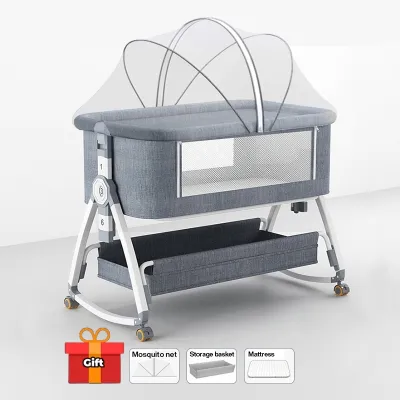
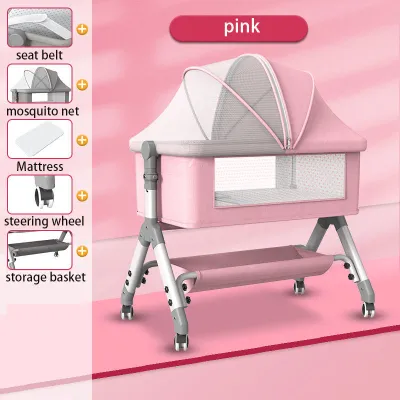

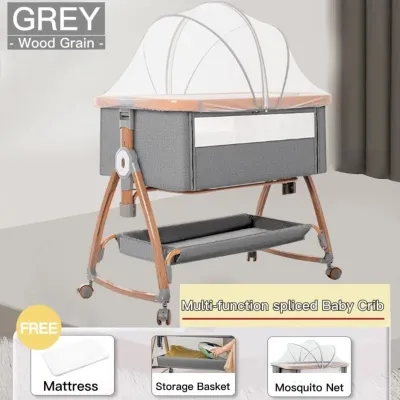
![[FREE GIFT] Mastela 4 In 1 Deluxe Multi-Functional Swing Bassinet](https://img.lazcdn.com/g/p/93be0436227b06a84ff27db062baa0f5.jpg_400x400q80.jpg_.webp)
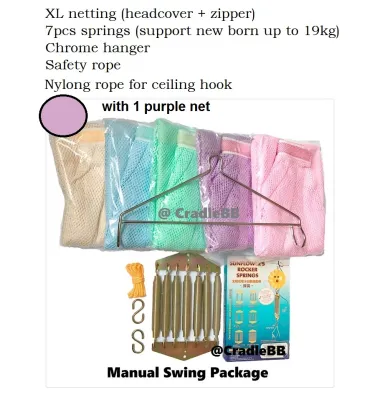
Prices are valid at publication and may change. Please refer to the product page for the latest price.
While regulatory bodies set these safety baselines, the responsibility for compliance is shared. Manufacturers and retailers must provide accurate specifications, clear warning labels, and comprehensive assembly instructions. As a parent, your role is to actively verify these details, ensuring that the specific model you purchase meets these expectations before placing your baby inside.
Because safety guidelines and testing protocols can evolve over time, it is highly recommended to consult official consumer protection resources for the most current advice. Staying informed about updated safety requirements ensures you make decisions based on the latest protective standards.
Recognized Safety Certifications and How to Verify Them
When shopping for a cradle for baby, navigating the various safety claims can be challenging. Legitimate safety certifications provide objective proof that a product has been independently tested and meets established safety criteria. These certifications typically cover structural load capacity, material toxicity limits, and stability testing under movement.

To verify these claims, start by locating physical certification labels. These are usually printed on the product packaging, stitched into the fabric components, stamped onto the wooden frame, or detailed in the user manual and retailer listings. Once you find a safety mark, cross-check it against the manufacturer’s official documentation or product registration portal to ensure its authenticity.
It is important to remember that a certification’s validity is highly specific. It depends on the testing body, the date of issue, and the exact product model number. A manufacturer may have a certified crib model, but that certification does not automatically apply to their baby cradle models. Always confirm that the documentation matches your exact model.
To systematically verify safety claims, use this practical checklist:
- Request official test reports: Ask the retailer or manufacturer for the specific test reports issued by an accredited third-party laboratory.
- Check manufacturer details: Ensure the product packaging or manual clearly lists the manufacturer's name, registered address, and direct contact information.
- Avoid vague terminology: Be skeptical of generic claims like "tested to safety standards" or "certified safe" without a specific standard number or testing body listed.
- Verify the issue date: Ensure the certification is current and has not expired or been superseded by newer safety revisions.
Even the most prestigious certification does not replace proper home care. A certified cradle can still become hazardous if assembled incorrectly, subjected to wear and tear, or used beyond the manufacturer’s recommended weight and age limits.
International Standards Commonly Accepted
Different regions have developed comprehensive testing frameworks to govern infant furniture safety. In Europe, the EN 1130 standard specifically regulates cribs and cradles, detailing requirements for structural spacing, stability, and the prevention of entrapment. In the United States, the ASTM F2194 standard establishes safety specifications for bassinets and cradles, focusing on load-bearing capacity, side-height safety, and latching mechanisms.
When evaluating a cradle, you should match the specific standard cited by the manufacturer to the product’s intended design and verify this through official product literature. For example, if a cradle features a swinging mechanism, verify that it has been tested under the specific clauses governing motion limits and locking devices.
Keep in mind that no single certification can guarantee absolute safety. Proper home setup, regular maintenance, and constant caregiver supervision are always required to maintain a safe sleep environment.
Local Consumer Protection and Labeling Requirements
Authorized retailers in Singapore are expected to provide clear, legible labeling on all infant sleep products. This information must include the product’s model number, manufacturer or importer details, clear age and weight limits, step-by-step assembly instructions, and safety warning labels. These warnings typically highlight suffocation risks and the importance of flat sleep surfaces.
To ensure you receive complete documentation and are protected by consumer rights, always purchase nursery furniture from authorized dealers. Reputable local retailers provide clear return policies, product warranties, and direct access to manufacturer support if any issues arise.
If you choose to purchase an imported cradle, it must still align with local consumer safety expectations. If the original user manual is not in English, request a translated version from the importer to ensure you do not miss critical assembly steps or safety warnings.
Critical Structural and Design Checks for Safe Use
While certifications provide peace of mind, performing a hands-on physical inspection of the cradle is essential before use. These practical checks allow you to verify the structural integrity of the cradle in your own home:
- Slats and gaps: If the cradle has slatted sides, the distance between the slats must be narrow enough to prevent your baby's head or limbs from becoming trapped. Ensure all edges are perfectly smooth, with no splinters, rough patches, or secure fasteners sticking out.
- Mattress fit: The mattress must fit snugly within the cradle base. There should be no gaps wider than two fingers between the mattress edge and the cradle sides. A loose mattress creates a dangerous gap where an infant could slip and suffocate.
- Hardware and joints: Carefully inspect all screws, bolts, brackets, and wooden joints. They must be tightly secured with no signs of stripping or loosening. Ensure there are no sharp protrusions, exposed metal edges, or small parts that could be detached and swallowed.
- Finishes and materials: The tropical climate in Singapore can cause high humidity indoors, making material quality critical. Ensure the cradle is finished with non-toxic, lead-free, and water-based coatings. Avoid products that emit strong chemical odors or show signs of peeling, bubbling, or cracking paint.
- Stability and movement: Place the cradle on a completely flat, level floor and test for wobbling. If the cradle features a rocking or swinging mechanism, ensure it has a secure, reliable locking system. The motion should be smooth and restricted to controlled limits to prevent the cradle from tipping or tilting your baby to one side.
Remember that these structural checks are not a one-time task. Regular wear and tear, moving the cradle between rooms, or disassembling and reassembling it can compromise its safety over time. Perform these checks weekly to ensure every joint remains secure.
Age, Weight, and Supervision Boundaries
A cradle for baby is designed specifically for newborns and very young infants, offering a cozy, confined sleep space. However, because their structural dimensions are smaller than standard cribs, cradles have strict developmental and physical limits that you must verify on the product’s label.
You must transition your baby out of the cradle and into a full-sized cot as soon as they reach any of the following developmental milestones:
- The infant begins to roll over independently.
- The infant starts to push up on their hands and knees.
- The infant reaches the maximum weight limit specified by the manufacturer.
Supervision is a mandatory component of safe cradle use. Never leave your baby unattended in a cradle, particularly when the rocking, gliding, or swinging mechanism is active. Once your baby is asleep, ensure the mechanism is locked securely in a stationary, flat position.
To maintain a safe sleep environment, do not place soft bedding, pillows, quilts, stuffed toys, or crib bumpers inside the cradle. These items significantly increase the risk of suffocation and sudden infant death syndrome (SIDS). The safest sleep setup is a firm, flat mattress covered only by a tight-fitting sheet, with the baby dressed in an appropriate sleep sack.
Because infants develop at highly individual rates, you should always prioritize your baby’s observable physical milestones and the manufacturer’s specified limits over general calendar age recommendations.
Step-by-Step Verification Before Purchase or Setup
To ensure nothing is overlooked, follow this structured, step-by-step workflow when selecting, purchasing, and setting up your baby’s cradle:
- Pre-purchase research: Before buying, carefully review the retailer’s product listing for complete specifications, clear certification references, and warranty terms. If any safety documentation or weight limits are missing, contact the seller directly to request them before making a purchase.
- Delivery inspection: As soon as the cradle arrives, unbox it and inspect all components against the manufacturer's packing list. Check for any signs of shipping damage, cracked wood, bent metal, or missing hardware. Do not attempt to assemble a damaged product.
- Exact assembly: Follow the manufacturer’s printed assembly instructions precisely. Use only the tools and fasteners provided in the packaging. Never improvise, skip steps, or use third-party hardware, as this can severely compromise the structural integrity of the cradle.
- Post-assembly testing: Once fully assembled, place the cradle on a flat surface. Apply firm downward pressure to test its stability. Check every joint for tightness, verify that the mattress fits perfectly with no gaps, and test any locking mechanisms to ensure they hold securely.
- Document retention: Keep the original user manual, warranty card, and purchase receipt in a safe, accessible place. This documentation is essential if you need to order replacement parts, contact the manufacturer for support, or check for future product recalls.
Responding to Missing Documentation or Safety Concerns
If you discover that a cradle is missing its safety labels, weight limit guidelines, or assembly instructions, you should immediately stop using it. Operating infant sleep furniture without clear manufacturer guidelines poses an unacceptable safety risk to your child.
Your first step should be to contact the manufacturer or the authorized local retailer to request the missing documentation or clarify any safety concerns. Reputable brands will quickly provide digital copies of manuals and verify safety specifications.
If the retailer cannot provide verified safety documentation, or if you notice physical defects such as stripped screw holes or unstable joints, explore your return or exchange options. Prioritize products from brands that maintain transparent, easily accessible compliance records.
If you have persistent doubts about the structural safety of a cradle, consult a qualified pediatric or child safety professional for guidance. It is always better to err on the side of caution when it comes to your infant’s sleep environment.
While you are waiting to secure a fully compliant cradle, ensure your baby’s temporary sleep alternative adheres strictly to safe sleep principles. Use a firm, flat, and stable surface’such as a compliant travel cot or playpen—with no loose bedding, and maintain close supervision at all times.
Frequently Asked Questions (FAQ)
Can I use a second-hand baby cradle safely?
Using a second-hand cradle carries inherent risks, as older models may not meet current safety standards, might have missing parts, or could have suffered hidden structural wear. If you choose to use a pre-owned cradle, you must ensure it comes with the original manufacturer manual, has all intact components, displays clear weight and age limits, and has no active recall history. Avoid using any cradle with missing hardware, modified designs, or an uncertain manufacturing date. If you have any doubts about its compliance or structural integrity, seek a professional inspection or choose a new, certified alternative instead.
Do imported cradles meet Singapore safety expectations?
Imported cradles can meet local safety expectations, but you must actively verify their specifications. Ensure the imported model includes clear safety labels, weight limits, and assembly instructions in English. Verify that the cited international certification (such as EN 1130 or ASTM F2194) matches the exact product model and was issued by a recognized testing body. Before purchasing, check if the retailer is authorized and offers local warranty coverage in Singapore. Remember that a product’s country of origin does not guarantee safety; thorough physical inspection and verified documentation are always required.
What should I do if a cradle wobbles or has loose hardware?
If you notice any wobbling, loose screws, or unstable joints, stop using the cradle immediately and remove your infant. Consult the user manual to tighten all fasteners, and inspect the joints for stripped threads, cracks, or damaged wood. Only replace damaged parts with original, manufacturer-approved components; never use generic hardware store substitutes. Contact the authorized retailer or manufacturer for repair guidance or to request replacement parts. If the stability of the cradle cannot be fully restored to its original condition, discontinue its use permanently and transition your baby to a safe, compliant alternative.
Community discussion
Share your experience or ask a question. Comments are reviewed before publication.