
Selecting the right grooming tools for an infant requires a shift in how we view everyday household items. While standard adult cotton swabs are a staple in many bathrooms, they are fundamentally unsuitable for a baby’s delicate anatomy. A proper baby cotton swab is distinguished by its specialized safety design, featuring physical barriers and bulbous tips specifically engineered to prevent deep insertion into tiny ear canals or nasal passages. When building a safe baby grooming kit, evaluating these physical safety features, material compositions, and packaging labels must be your primary buying criteria to protect your little one from accidental injury.
Using standard swabs on an infant introduces significant risks, including eardrum perforation, nasal tissue damage, and even choking if the cotton tip detaches. Because babies are prone to sudden, unpredictable movements, any grooming tool must have built-in physical safeguards. This guide will walk you through the essential design features, material checks, and label verification steps to ensure you choose the safest possible cotton swabs for your baby’s daily care routine.
Why You Need Specialized Baby Cotton Swabs
An infant’s physical anatomy is incredibly delicate, requiring tools that match their scale and vulnerability. A baby’s ear canal is much shorter, narrower, and more fragile than an adult’s, meaning that even a slight insertion of a standard swab can reach the eardrum. Furthermore, infant skin is exceptionally thin and highly sensitive, making it highly susceptible to micro-tears, scratches, and irritation from rough fibers or rigid sticks.
Products mentioned in this guide
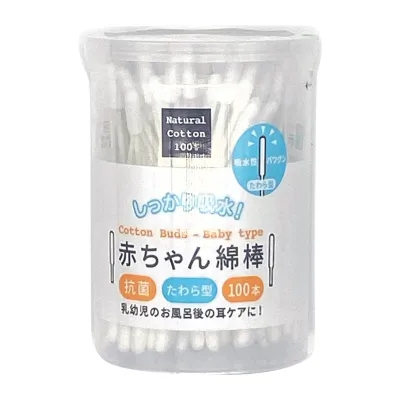
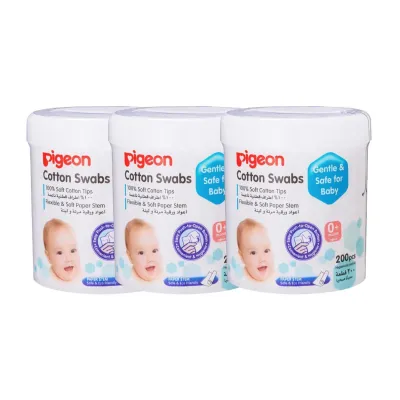
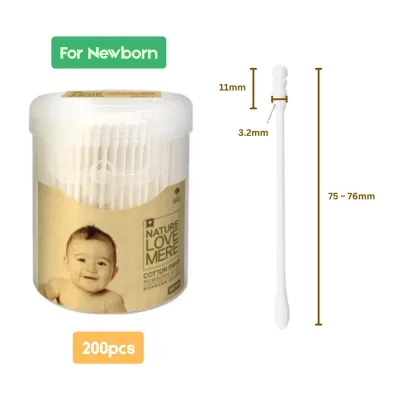
Prices are valid at publication and may change. Please refer to the product page for the latest price.
Beyond anatomy, behavioral factors make standard grooming tools highly hazardous. Infants do not understand the need to stay still during grooming and can jerk, turn, or startle without warning. If you are using a standard adult swab when a baby suddenly moves, the risk of accidental deep penetration increases exponentially, potentially causing permanent damage to the delicate structures of the inner ear or nose.
Standard adult cotton swabs are designed with a uniform, narrow cylindrical shape from end to end. This design lacks any physical barrier or stopper to limit how far the swab can enter an opening. Specialized baby cotton swabs, on the other hand, are engineered with unique shapes that physically prevent the tip from entering past a safe depth, providing a crucial line of defense against the unpredictable movements of a wiggly baby.
Critical Safety Features to Look For
When evaluating baby cotton swabs, physical design is your most important shield against accidental injury. The primary role of these specialized tools is to perform surface-level grooming while physically preventing deep insertion. By understanding how structural features mitigate risks, you can make an informed choice that protects your baby’s eardrums and nasal passages.

Tip Shape and Insertion Guards
The most recognizable feature of a high-quality baby cotton swab is its bulbous or “safety” tip shape. Unlike the narrow, straight profile of adult swabs, a safety swab features a distinct bulbous swelling just behind the very tip. This bulbous design acts as a physical stopper; the tip is small enough to clean the outer crevices, but the wider bulbous section is too large to slip into the narrow ear canal or nostril.
Some advanced designs incorporate spoon-shaped tips or built-in physical shields that offer an even more pronounced barrier. When shopping, look closely at the transition from the tip to the body of the swab. The widening should be distinct and firm enough to resist compression when pressed gently against an opening.
Additionally, inspect the overall finish of the cotton tip. It should have a completely smooth, rounded contour without any stray fibers or sharp points. A rough or unevenly wound tip can easily scratch the highly sensitive skin inside a baby’s outer ear or around the nose, leading to discomfort and potential entry points for bacteria.
Secure Cotton Winding
A major safety hazard with low-quality cotton swabs is the risk of the cotton head detaching from the stick during use. If a cotton tip comes loose inside a baby’s ear, nose, or mouth, it can quickly become a foreign body obstruction or a severe choking hazard. Therefore, the security of the cotton winding is a non-negotiable quality check.
High-quality baby swabs utilize tight, machine-wound cotton that is chemically or thermally bonded to the stick. When examining swabs, look for a dense, firm texture where the cotton feels integrated with the shaft rather than loosely wrapped. If you can easily twist, slide, or unravel the cotton head with a gentle pinch of your fingers, the product is unsafe for infant use.
Always check the packaging for specific manufacturer claims regarding structural integrity and secure tip attachment. Reputable brands often highlight their manufacturing processes, such as double-winding or secure-bond technology, to reassure parents that the cotton head will remain firmly anchored to the stick throughout the grooming session.
Material and Build Quality Checks
The materials used to construct both the stick and the cotton tip play a vital role in the overall safety and comfort of the swab. A rigid stick can cause puncture wounds, while low-quality cotton can introduce harsh chemicals to sensitive skin. Evaluating these materials helps ensure your baby’s grooming kit is both physically safe and gentle on their skin.
Stick Material: Paper vs. Plastic
The material of the swab stick determines its flexibility and strength, which directly impacts safety during sudden baby movements. Paper sticks are widely considered the preferred choice for baby swabs. High-density paper shafts offer a balance of structural integrity and safety-yielding flexibility; if a baby suddenly moves against the swab, a paper stick is designed to bend or give rather than puncture delicate tissues. Additionally, paper is biodegradable and environmentally friendly.
In contrast, plastic sticks present several safety and environmental drawbacks. Plastic is highly rigid and does not give easily under sudden pressure, significantly increasing the risk of a painful puncture injury if the baby jerks their head. Furthermore, plastic sticks contribute to long-term environmental waste and are increasingly being phased out in favor of sustainable alternatives.
When choosing paper or other natural-fiber sticks, verify that the manufacturer guarantees a splinter-free, smooth finish. The shaft should be completely smooth to the touch, with no rough seams or peeling layers that could scratch your hands or your baby’s skin during use. In Singapore’s warm and humid climate, storing cotton swabs in a dry, airtight container is also essential to prevent moisture absorption and mold growth on the natural paper and cotton materials.
Cotton Purity and Hypoallergenic Claims
The cotton tip comes into direct contact with your baby’s sensitive skin, making material purity a top priority. Look for swabs made from 100% pure, natural cotton. Avoid products that contain synthetic fiber blends, as these can be more abrasive and less absorbent, potentially irritating delicate skin during grooming.
Chemical residues from manufacturing are another concern for newborn skin. Look for packaging labels that specify “chlorine-free bleaching” or “unbleached” cotton. Standard bleaching processes can leave behind trace chemical residues; choosing unbleached or oxygen-bleached cotton minimizes the risk of chemical exposure and contact dermatitis.
While many brands display “hypoallergenic” claims on their packaging, it is important to verify these assertions. Check the ingredient list or processing disclosures on the back of the pack to confirm that no artificial fragrances, dyes, or binding chemicals have been added to the cotton. Pure, untreated cotton is naturally gentle and rarely triggers allergic reactions.
How to Read Labels and Verify Safety Standards
Navigating the baby care aisle requires a critical eye, as packaging claims can sometimes be misleading. To ensure you are buying a genuinely safe product, you must learn to read labels systematically and verify safety standards independently. Do not rely solely on attractive packaging or generic “baby” branding.
First, look for clear age recommendations on the packaging. A safe baby cotton swab should be explicitly marked for infant use, often indicated by labels such as “0+ months,” “suitable for newborns,” or “baby-safe.” If a package lacks a clear age designation or uses vague terms like “family pack,” it is likely designed for general adult use and lacks the necessary safety features.
Next, look for recognized safety certifications or pediatric testing marks. While specific standards can vary by region, reputable products often undergo independent dermatological or pediatric testing to verify their safety on infant skin. In Singapore, look for products that comply with recognized international safety standards or have clear quality assurance marks. Always verify that these certifications are current and issued by reputable, independent bodies.
Traceability is another crucial factor in product safety. A reliable manufacturer will always provide clear contact information, a physical address, a specific batch or lot number, and an expiry date on the packaging. This information is essential for tracking product quality and is vital in the rare event of a product recall. If a package lacks these basic traceability details, it is best to avoid it.
Be highly cautious of unbranded, poorly labeled, or repackaged bulk packs often found on online marketplaces. These products frequently bypass rigorous quality control checks and may use substandard materials, loose cotton winding, or rigid plastic sticks. Investing in well-labeled, branded products from reputable retailers ensures that the swabs have met basic safety and manufacturing standards.
Safe Usage Boundaries for Baby Cotton Swabs
Even the safest, most well-designed baby cotton swab can cause injury if used incorrectly. Establishing strict operational boundaries is essential for protecting your baby. As a caregiver, you must understand exactly what these tools can and cannot be used for, keeping safety at the forefront of every grooming session.
The absolute, non-negotiable medical rule of baby grooming is that you must never insert a cotton swab into your baby’s ear canal or nasal cavity. The ear canal is self-cleaning, and inserting a swab—even a safety swab—can push earwax deeper, leading to impaction, irritation, or eardrum damage. Safety swabs are designed strictly for external use.
Approved and safe uses for baby cotton swabs include gently cleaning the outer folds of the ear (the pinna) to remove dried milk, sweat, or surface dirt. They are also excellent for targeted application of pediatrician-approved creams or ointments to small areas of irritated skin, or for gently cleaning around the base of the umbilical cord stump, provided you have received specific instructions and approval from your pediatrician.
If you notice excessive earwax buildup, a foul odor, fluid discharge, or if your baby is pulling at their ears and showing signs of discomfort, do not attempt to clear it with a swab. These are signs that require professional medical evaluation. Stop home grooming immediately and consult a pediatrician to safely address any potential ear infections or blockages.
Finally, never attempt to use a cotton swab on a baby without ensuring complete physical stabilization and constant, direct supervision. Choose a time when your baby is calm, such as after a bath or during a quiet moment. Keep one hand gently but firmly stabilizing your baby’s head to prevent sudden jerks, and never leave a baby unattended with a swab or any other grooming tool within their reach.
Frequently Asked Questions (FAQ)
Can I use regular adult cotton swabs if I am careful?
No, you should not use regular adult cotton swabs on a baby, regardless of how careful you plan to be. Adult swabs lack the essential bulbous safety tip and physical insertion guards that prevent the swab from entering too deeply into a tiny ear canal or nostril. Because babies can jerk or startle completely without warning, even the most cautious caregiver cannot physically guarantee that a sudden movement won’t cause a deep puncture injury. Specialized baby swabs provide a physical barrier that mitigates this risk, making them an indispensable safety tool for your baby’s grooming kit.
How often should I clean my baby's ears with cotton swabs?
You should only clean your baby’s ears occasionally, and only on the outermost visible areas. Earwax is a natural, healthy substance that protects, lubricates, and cleans the ear canal by trapping dust and debris before carrying it outward. There is no need to clean the inside of the ears. After a bath, you can gently wipe the visible outer folds of the ear with a damp washcloth or a specialized baby cotton swab to remove surface residue. If you suspect a wax blockage or notice any unusual discharge, consult a doctor rather than attempting to clear it yourself.
Are bamboo cotton swabs safe for babies?
Bamboo cotton swabs can be a highly eco-friendly option, but they require careful inspection before use on a baby. Bamboo is naturally stronger and more rigid than paper, which means a bamboo stick will not bend or give as easily if your baby makes a sudden movement. If you choose bamboo swabs, ensure they are explicitly designed for babies with safety tips, and verify that the sticks are completely smooth and guaranteed splinter-free. Compare their flexibility to high-density paper swabs, and always prioritize the material that offers the safest yield under sudden pressure.
Community discussion
Share your experience or ask a question. Comments are reviewed before publication.