
Selecting a baby cot is one of the most critical decisions expectant parents in Singapore face when preparing a nursery. A cot is not just a piece of furniture; it is the only place where an infant is regularly left unattended for hours at a time. Ensuring that this environment is structurally sound and free from hazards is paramount for your baby’s safety.
To make an informed purchase, you must look beyond aesthetic appeal and price tags. A safe cot must comply with recognized international safety standards and pass rigorous physical checks. By understanding what certifications to look for and how to inspect a cot yourself, you can secure a safe sleeping space that accommodates your child’s growth.
Understanding International Safety Certifications for Baby Cots
When shopping for a cot in Singapore, you will encounter various safety certification claims. Because Singapore imports nursery furniture from around the globe, cots sold locally often adhere to different international frameworks. The most common standards you should look for include the European standard (EN 716), the American standard (ASTM F1169), and the Australian/New Zealand standard (AS/NZS 2172).
Products mentioned in this guide
![[Jarrons & Co] Happy Dream 4-in-1 Convertible Baby Cot (Free Delivery Installation Teething Rail Side Guard & Mosquito Net)](https://img.lazcdn.com/g/p/1fa2fe8c6ca9054589090bd9450eb2ac.png_400x400q80.png_.webp)





![[SG Stock]Brotish Multifunctional 2 Layer Portable Infant Baby Cot Playpen Travel Cot Bed Double-deck Playpen Sleep Bed](https://img.lazcdn.com/g/p/1d2300a4ca5dde51839ac1a460f68d97.jpg_400x400q80.jpg_.webp)
Prices are valid at publication and may change. Please refer to the product page for the latest price.
These standards govern everything from the structural strength of the frame to the chemical composition of the paint. For instance, the European standard EN 716 specifies requirements for cot safety, stability, and distance between slats. The American ASTM F1169 standard focuses heavily on structural integrity, testing the cot’s ability to withstand repeated impacts and load-bearing stress.
To verify these certifications, you must look for official compliance marks on the product packaging, the cot frame itself, or within the user manual. A legitimate certification mark is typically printed directly on a permanent label attached to the headboard or the base of the cot. This label should clearly state the specific standard number and the certifying body.
Never rely solely on verbal assurances from retail staff or brief product descriptions on e-commerce websites. Sales representatives may use terms like “safety approved” or “certified” as general marketing buzzwords without actual backing. Always ask to see the manufacturer’s official test reports or compliance certificates that explicitly match the model number of the cot you intend to buy.
The certification details must be legible, permanent, and easily visible upon inspection. If a manufacturer cannot provide documentation linking the specific cot model to a recognized testing laboratory, you should treat the product with caution. A certified cot ensures that the design has undergone independent testing to withstand the typical wear and tear of daily infant use.
Essential Physical Safety Checks for Any Baby Cot
Even if a cot carries a reputable certification label, performing your own physical inspection is a vital step before finalizing your purchase. Structural defects can occur during shipping, storage, or assembly, making a hands-on check necessary.

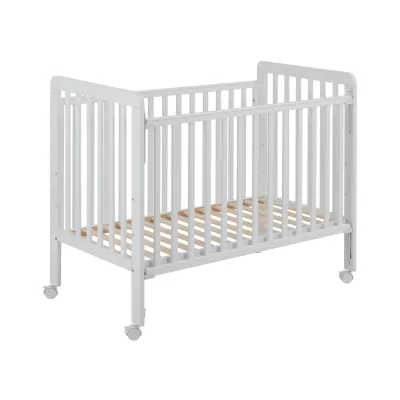
Begin by measuring the spacing between the cot slats. The distance between any two slats must be wide enough to prevent a limb from getting stuck, yet narrow enough to prevent an infant’s head from passing through. The standard safe gap is between 50mm and 65mm. A practical way to check this is by using a standard beverage can; if the can passes easily between the slats, the gap is too wide and poses an entrapment hazard.
Next, evaluate the mattress fit within the cot frame. A mattress that is too small leaves dangerous gaps along the sides or corners, where a baby’s head or limbs can become wedged. When the mattress is pushed firmly against one side of the cot, the remaining gap on the opposite side should not exceed 20mm. Ideally, the mattress should fit snugly with virtually no space between its edges and the cot walls.
Inspect the entire wooden or metal structure for physical hazards. Run your hands along the rails, slats, and corners to check for sharp edges, splinters, or rough finishes that could scratch sensitive skin. Ensure there are no protruding screws, bolts, or decorative corner posts, as these can catch on a baby’s clothing and create a strangulation risk. Any small, detachable parts like plastic caps or loose washers must be removed or tightened to prevent choking hazards.
Test the stability of the adjustable mattress base heights and locking mechanisms. Most modern cots feature two or three base height positions to accommodate your baby’s developmental stages. Verify that the hardware securing the base is robust and locks tightly into place. When testing a display model, apply downward pressure to the base to ensure it does not wobble or slip under weight.
If the cot features a drop-side mechanism or adjustable rails, test the locking systems repeatedly. The locks must require a deliberate, multi-step action to release, ensuring that an active infant cannot accidentally trigger them from the inside. The entire frame should feel rigid and stable, without any swaying or creaking when shaken gently.
Navigating Retailer Claims and Product Documentation in Singapore
Purchasing a baby cot in Singapore requires a careful approach, whether you are visiting a physical showroom in a shopping mall or browsing online marketplaces. Different retail environments present unique challenges when trying to verify safety claims.
When shopping in physical stores, take the opportunity to conduct a thorough visual inspection of the display models. Look for the physical compliance labels permanently affixed to the frame. Additionally, ask the retailer to show you the English instruction manual that comes with the product. A comprehensive manual should include clear assembly steps, safety warnings, weight limits, and maintenance guidelines.
If you prefer the convenience of buying through e-commerce platforms, verifying safety requires more diligence. Since you cannot physically touch the product, you must rely on digital documentation. Request high-resolution photos of the original packaging, the compliance labels, and the safety warnings printed on the cot. Legitimate online sellers should be willing to provide links to the official brand website or share PDF copies of the product’s safety certificates.
Be highly skeptical of unbranded, undocumented, or poorly labeled cots, even if the price in S$ seems incredibly attractive. Low-cost, unbranded furniture imported directly from overseas manufacturers often bypasses local safety checks and may use substandard materials, such as toxic paints or weak wood composites. Investing in a reputable, documented brand ensures that you are paying for materials and designs that prioritize infant safety.
Always cross-reference the model number on the retailer’s listing with the model number listed on the safety certificate. Discrepancies in model names or numbers can indicate that the certificate belongs to a different, safer version of the product, while the one being sold may be an untested imitation.
Red Flags: When to Avoid or Stop Using a Baby Cot
Recognizing when a cot is unsafe is just as important as knowing what to look for when buying new. Certain conditions and wear patterns indicate that a cot is no longer fit for use and should be replaced immediately.
Second-hand or older cots carry significant risks and should generally be avoided unless you can verify their complete history and compliance. Older cots may feature peeling paint, which poses a severe lead poisoning hazard if the baby chews on the rails. They may also have loose joints, missing hardware, or outdated safety designs—such as decorative cutouts in the headboard or excessively wide slat spacing—that do not meet modern safety standards.
There are several critical structural failures that mandate you immediately stop using a cot. If you notice cracked base panels, bent metal frame components, or split wooden rails, the structural integrity of the cot is compromised. Similarly, if a locking mechanism fails to engage securely or if the mattress support base slips from its designated position, the cot is no longer safe for sleep.
During assembly, if you find that any parts are missing, damaged, or do not fit together perfectly, do not attempt to force the pieces or use substitute hardware from a local DIY store. Standard hardware may not have the correct thread pitch or load capacity required for nursery furniture. Stop assembly immediately and contact the manufacturer or a qualified professional to obtain official replacement parts.
Supervision and developmental awareness are also key to knowing when to transition away from a cot. Once your child reaches the manufacturer’s specified weight or height limit, or when they show signs of being able to climb out of the cot, you must stop using it. Continuing to use a cot beyond its intended developmental stage increases the risk of falls and serious injury.
Frequently Asked Questions (FAQ)
Are drop-side cots safe to use or buy in Singapore?
Drop-side cots, which feature a side rail that slides down to make accessing the baby easier, have been associated with significant safety risks. The moving hardware on these cots can wear out, warp, or break over time, creating a gap between the drop-side rail and the mattress where an infant can become trapped. Because of these mechanical failure points, drop-side cots are banned or highly restricted in several international jurisdictions.
If you choose to use a drop-side cot, you must check the manufacturer’s guidelines carefully and verify that all hardware is completely intact and functioning smoothly. Avoid purchasing or accepting second-hand drop-side cots, as older models are highly prone to hardware fatigue and missing parts that compromise their safety.
How often should I check the cot's hardware and structure?
You should perform a quick visual inspection of your baby’s cot every week, along with a more thorough physical check once a month. During these checks, gently shake the frame to ensure it remains rigid, and use a screwdriver or hex key to tighten any screws, bolts, or joints that may have loosened due to the cot’s natural movement or your baby’s activity.
Additionally, you must conduct a comprehensive inspection immediately after moving the cot to a new room, adjusting the mattress base height, or transitioning the cot to accommodate a new developmental stage. Ensuring that all components are securely locked and aligned after any adjustment is vital to maintaining a safe sleep environment.
Community discussion
Share your experience or ask a question. Comments are reviewed before publication.