
When preparing a nursery in Singapore, ensuring your baby cot meets rigorous safety standards is the most critical step in preventing sleep-related accidents. While Singapore does not have a single, mandatory local safety certification specifically for non-electrical baby cots, the market relies heavily on internationally recognized safety standards.
To ensure a safe purchase, parents must verify that a cot complies with reputable global benchmarks—such as the European EN 716 or the American ASTM F1169—and perform thorough physical checks on slat spacing, mattress fit, and structural integrity. Taking these precautions protects your child and provides peace of mind.
Navigating Singapore's Safety Regulations for Baby Cots
In Singapore, consumer product safety is overseen by the Consumer Product Safety Office (CPSO), an agency safeguarded under Enterprise Singapore. The CPSO regulates household products through the Consumer Protection (Safety Requirements) Registration Scheme (CPS Scheme) and the Consumer Protection (Consumer Goods Safety Requirements) Regulations (CGSR).
Products mentioned in this guide
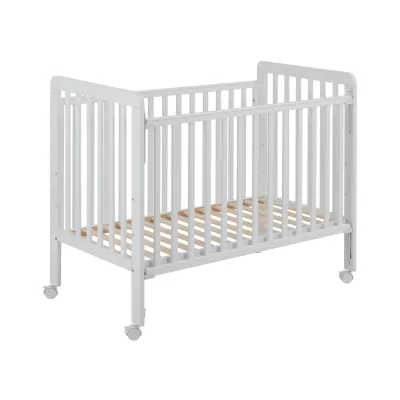
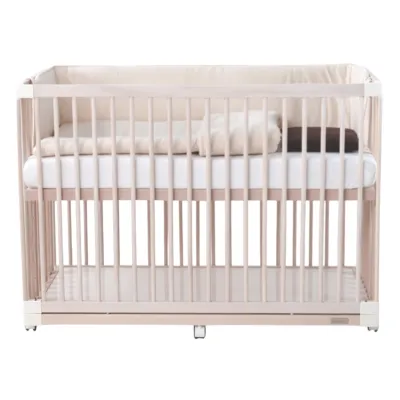
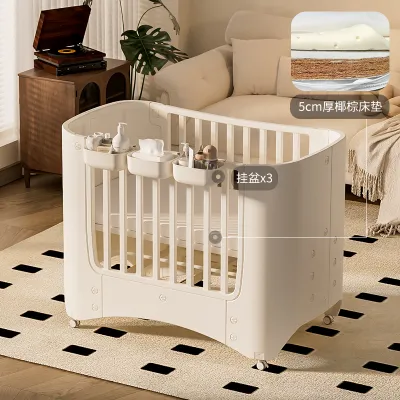
![[SG SELLER] COCOBABY Multifunctional Double-deck Rollaway Play Bed Playards Playpen Portable Baby Cribs Travel Folding Newborn Infant Kids Sleep Bed Installation free with Diaper changing table/Toy rack](https://img.lazcdn.com/g/p/bf8e2e27adf9d0291fb23354d52a0d4a.jpg_400x400q80.jpg_.webp)
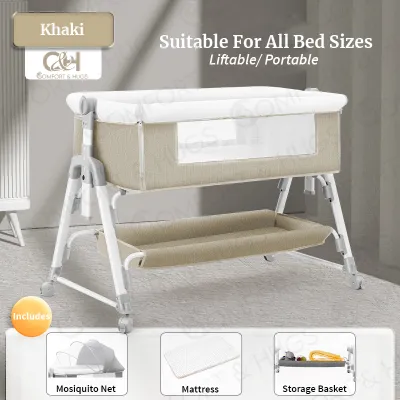
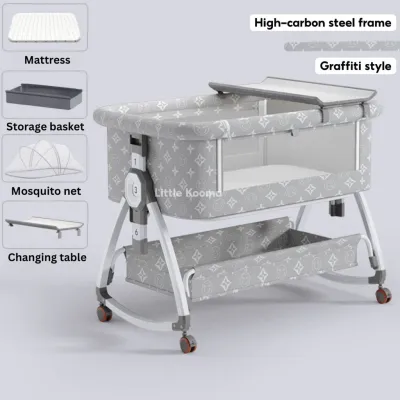
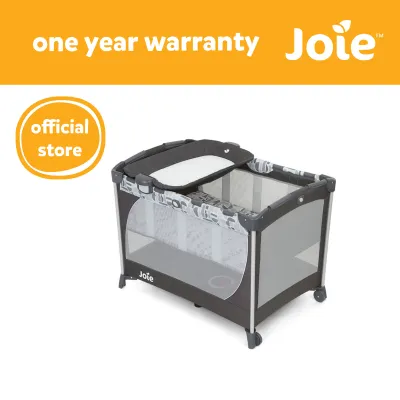
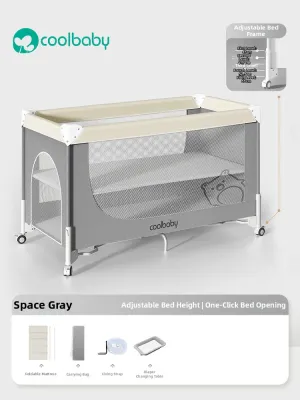
Prices are valid at publication and may change. Please refer to the product page for the latest price.
While electrical nursery items like baby monitors or bottle warmers are classified as Controlled Goods requiring a safety mark, standard wooden, metal, or fabric baby cots are categorized as general consumer goods. This categorization means that standard baby cots do not carry a mandatory Singapore-specific safety label before they can be sold.
Instead, they are regulated under the CGSR, which mandates that all general consumer goods sold in the local market must meet international safety standards or safety guidelines set by recognized regional bodies. If a product is found to be unsafe, the CPSO has the authority to issue stop-sale notices and mandate product recalls to protect the public.
When shopping for a baby cot, whether at physical boutiques or through online marketplaces, you should actively verify seller compliance. Do not hesitate to ask the retailer for official compliance documents, test reports, or manufacturer declarations.
Under Singapore’s Consumer Protection (Fair Trading) Act, commonly known as the Lemon Law, consumers are protected against defective goods that do not conform to the sales contract or safety expectations at the time of delivery. If a retailer cannot provide clear documentation of safety testing, it is best to look for alternative options.
Recognized International Certifications to Look For
Since Singapore accepts major global safety standards, parents should learn how to read product labels, user manuals, and packaging for specific certification marks. Reputable brands will clearly print these standards on the outer packaging or within the first few pages of the assembly manual.

If a brand claims its product is “safety tested” or “certified” without referencing a specific, recognized standard code, treat this as an unverified marketing claim. Always request the exact testing documentation to confirm the product’s compliance.
Several key international standards serve as the gold standard for nursery furniture safety in Singapore:
- European Union (EN 716-1 & EN 716-2): This is the most common standard found on cots sold in Singapore. EN 716-1 covers safety requirements, while EN 716-2 outlines the test methods for children's cots for domestic use. These tests involve dropping heavy weights onto the base to simulate a jumping child, ensuring the frame does not fracture. For smaller cribs or bedside bassinets, look for BS EN 1130, which addresses the unique stability risks of smaller sleep spaces.
- United States (ASTM F1169): Published by the American Society for Testing and Materials, this standard covers full-size baby cots and mandates rigorous testing for structural stability, hardware durability, and the prevention of entrapment. It includes cyclic testing where the cot is shaken repeatedly to ensure no joints loosen over time.
- Australia/New Zealand (AS/NZS 2172): This standard is highly respected and outlines stringent requirements for timber quality, design features, and structural strength. It is particularly relevant for Singapore's tropical environment, as it ensures materials can withstand high humidity without warping or losing structural integrity.
These rigorous certifications do not merely look at the finished product; they subject the cot to mechanical testing that simulates years of use. They test for structural integrity under impact, potential entrapment hazards where a baby’s head, limbs, or fingers could get stuck, and the chemical safety of the materials used. This includes testing for heavy metals like lead, cadmium, and phthalates in the paints and finishes, ensuring that if your baby chews on the cot rails, they will not ingest harmful substances.
Always ask the retailer or the brand’s official store for verifiable proof of these certifications before making a purchase. If the seller cannot supply this documentation, or if the certification details are inconsistent, avoid purchasing the product.
Essential Physical Safety Checks Before Purchase
Even when a baby cot carries an international safety certification, performing a hands-on physical inspection is a vital safeguard. If you are viewing a display unit in a showroom, or inspecting a newly delivered cot at home, start by measuring the distance between the vertical slats.
The gap between slats must be no wider than 6 centimeters (60 millimeters) to prevent a baby’s head or torso from slipping through and becoming trapped. Any cot with wider spacing should be rejected immediately as it poses a severe safety hazard.
Next, evaluate the mattress fit, which is a critical factor in preventing suffocation. The mattress must fit snugly within the cot frame, leaving virtually no gaps. A reliable rule of thumb is that the gap between the mattress and any side of the cot should not exceed 2 centimeters (20 millimeters).
If you can easily fit more than two fingers between the mattress edge and the cot sides, the mattress is too small for the frame, creating a dangerous entrapment hazard. Always buy a mattress that matches the exact dimensions specified by the cot manufacturer.
Run your hands along all surfaces of the cot to check for physical hazards. The wood or material must be perfectly smooth, free of splinters, and finished with non-toxic, lead-free paints or varnishes. Ensure there are no sharp edges, exposed screws, or protruding hardware that could snag your baby’s clothing, sleep sack, or pacifier ribbon, which presents a serious strangulation risk. Any decorative cutouts on the headboard or footboard must be avoided entirely, as these can easily trap a baby’s limbs or head.
Many modern cots come equipped with teething rails, which are protective plastic covers placed along the top edges of the cot sides. If the cot has these, inspect them to ensure they are securely attached, free of cracks, and made from food-grade, non-toxic materials. If they are loose or damaged, they can become a choking hazard and should be removed or replaced according to the manufacturer’s instructions.
Pay close attention to moving parts, particularly if the cot features a drop-side mechanism or adjustable mattress base heights. Drop-side cots have been banned in countries like the United States due to risks associated with hardware failure, though they are still sold in some markets under strict safety conditions.
If you choose a drop-side cot, ensure it features a secure, double-action locking mechanism that cannot be accidentally released by a child or simple pressure. Adjustable bases must lock securely in place, and you should always use the lowest mattress base setting as soon as your baby is able to sit up or pull themselves up.
Red Flags and When to Stop Using a Cot
Using a second-hand, inherited, or vintage baby cot carries hidden dangers that are often difficult to spot at first glance. Over time, wood can warp in humid climates, plastic fittings can degrade and become brittle, and metal hardware can rust or loosen.
Furthermore, older cots may have been manufactured before modern safety standards were established, featuring dangerous slat spacing, decorative cutouts that can trap limbs, or lead-based paint. These structural weaknesses can fail suddenly, putting your baby at risk.
Before using any cot, especially a pre-loved one, check for active manufacturer recalls. You can search for safety alerts on the Enterprise Singapore consumer protection portal, the US Consumer Product Safety Commission (CPSC) database, or the European Union’s safety gate portal.
You will need to locate the manufacturer’s label on the cot—typically found on the inner frame or base—to find the exact model number and manufacture date. If this label is missing, the cot’s safety history cannot be verified, and it should not be used.
Establish a strict rule to stop using a cot immediately if you observe any of the following red flags:
- Loose, stripped, or missing screws, brackets, or bolts.
- Cracked, splintered, or structurally weakened wooden slats or frame components.
- Peeling, chipping, or bubbling paint or varnish, which poses a chemical ingestion risk.
- Structural wobbling or instability when gentle pressure is applied.
- Any failure, sticking, or slipping of the adjustable base support or drop-side locking mechanisms.
Never attempt temporary DIY fixes on a compromised baby cot. Using makeshift hardware, wrapping tape around broken joints, or gluing cracked slats cannot guarantee structural safety. If a cot is damaged or missing original parts, contact the manufacturer for official replacement components or replace the cot entirely.
Setting Up a Safe Sleep Environment
A safe baby cot is only effective if it is set up and used correctly within the nursery. The sleep surface must consist of a firm, flat mattress that is specifically recommended by the manufacturer for your exact cot model. Never use soft mattresses, memory foam toppers, or air mattresses, as these conform to a baby’s face and present a severe suffocation risk.
To maintain a safe sleep environment, keep the cot completely bare. Strictly avoid placing pillows, heavy blankets, quilts, stuffed toys, or sleep positioners inside the cot. While crib bumper pads are often marketed to prevent minor bumps, pediatric health organizations strongly advise against them because they restrict airflow.
Instead, use a well-fitted wearable blanket or sleep sack to keep your baby warm. This minimizes the risk of accidental suffocation while keeping your baby comfortable throughout the night.
Carefully consider the placement of the cot within your home. Position the cot far away from windows, where dangling blind cords, curtain ties, or electrical cords from baby monitors could be reached by an active infant. Keep the cot clear of direct drafts from air conditioning units.
Finally, establish a routine to inspect the cot regularly, re-tightening all screws and structural connections as they naturally loosen with daily use. Always follow the manufacturer’s maintenance schedule and weight limits to ensure the cot remains safe as your baby grows.
Frequently Asked Questions (FAQ)
Are second-hand baby cots safe to use in Singapore?
Second-hand baby cots are generally not recommended unless you can verify their entire history, safety compliance, and structural integrity. Pre-loved cots often lack their original instruction manuals, warranty coverage, and complete hardware sets, which can lead to unsafe assembly using incorrect screws.
Furthermore, they may have undergone wear and tear that compromises their stability, or they may be subject to safety recalls that the previous owner missed. If you must use a second-hand cot, ensure it has a permanent label showing compliance with standards like EN 716, verify that all original parts are present, and thoroughly inspect the frame for cracks or structural wobbling before placing your baby inside.
How can I verify if a baby cot brand or model has been recalled?
To verify if a baby cot has been recalled, start by locating the product identification label, which is usually permanently affixed to the underside of the mattress base or the inside of a cot leg. Note down the brand name, model number, and date of manufacture.
Cross-reference this information on the official website of the manufacturer under their safety or recall section. You should also search the consumer product safety databases of major regulatory bodies, such as Enterprise Singapore’s safety alerts, the US Consumer Product Safety Commission (CPSC), or the European Union Safety Gate. If you remain uncertain, contact the local authorized distributor or the manufacturer’s customer service directly to confirm the safety status of your specific model.
Community discussion
Share your experience or ask a question. Comments are reviewed before publication.