
When preparing your nursery in Singapore, choosing a safe baby cot is one of the most critical decisions you will make as a parent. Your baby will spend thousands of hours sleeping and playing in this space, often unsupervised during naps and overnight rest. To ensure your infant’s safety, a baby cot should meet recognized international safety standards—such as the European standard EN 716 or the American standard ASTM F1169—which are widely accepted by local consumer protection authorities. Because Singapore’s regulatory framework emphasizes consumer product safety, verifying these certifications on product labels and documentation is your first line of defense against structural failures, entrapment hazards, and toxic materials.
Understanding Baby Cot Safety Certifications
Navigating the world of nursery furniture requires a basic understanding of safety labels and standard frameworks. In Singapore, consumer goods, including children’s furniture, are overseen by the Consumer Product Safety Office (CPSO). While local guidelines point to international benchmarks, you must actively verify that any cot you purchase complies with established global safety standards.
The most common international frameworks you will encounter on product packaging and documentation include:
Products mentioned in this guide
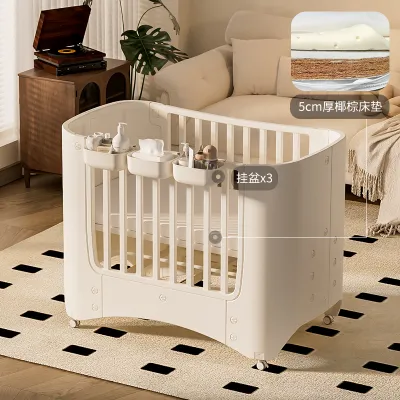
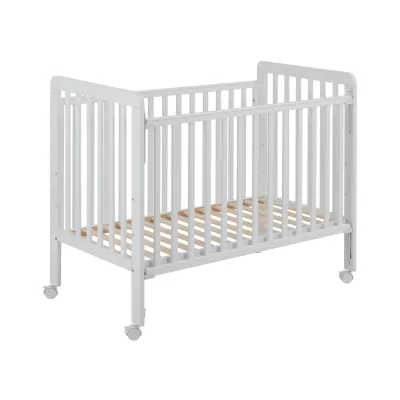
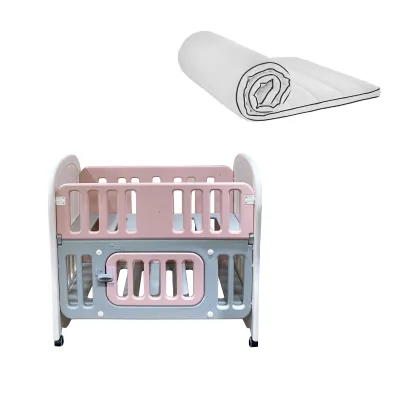
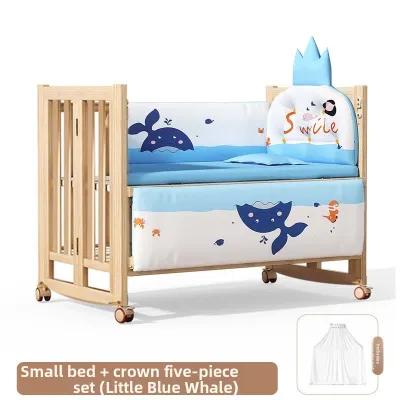
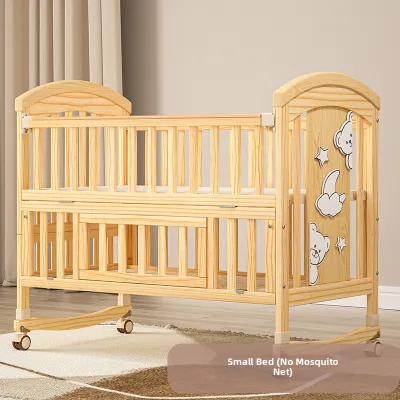
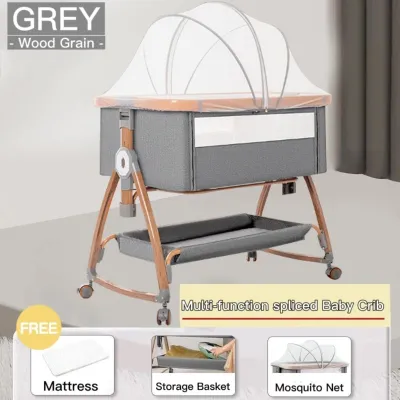
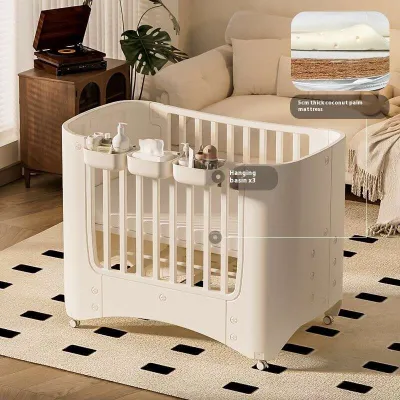

Prices are valid at publication and may change. Please refer to the product page for the latest price.
- EN 716 (European Standard): This standard specifies safety requirements and test methods for children's cots for domestic use. It covers structural strength, slat spacing, and the height of the cot sides.
- ASTM F1169 (American Standard): This standard establishes safety performance requirements, test procedures, and labeling requirements for full-size baby cribs, focusing heavily on structural integrity and the prevention of structural failures.
- AS/NZS 2172 (Australian/New Zealand Standard): Another highly rigorous standard that outlines design, construction, and performance requirements for household cots.
These standards do not just test the strength of the wood; they also evaluate the chemical safety of the materials used. For instance, certified cots must use non-toxic paints, varnishes, and finishes that are free from heavy metals like lead, which is crucial since babies frequently chew on the cot rails when teething.
When shopping, do not rely solely on marketing claims like “certified safe” or “meets all standards.” Look for physical proof of these certifications. You can typically find certification marks and standard codes printed on a permanent tracking label on the cot frame (often on the inside of the headboard or under the mattress base), on the product packaging, and within the official user manual. If these marks are missing or vague, treat it as a signal to request official compliance documentation from the retailer.
Key Physical Safety Features to Inspect
While formal certifications provide peace of mind, performing a physical inspection of the cot is an essential step to ensure the product is structurally sound and free from obvious hazards.

Slat Spacing and Structural Integrity The distance between the slats of the cot must be narrow enough to prevent your baby’s head or body from slipping through, yet wide enough to avoid trapping limbs. When inspecting a cot, verify that the gap between the slats is within the recommended range of 50mm to 60mm. A practical home test is to check if a standard soda can or a 60mm object can pass through the slats; if it does, the spacing is too wide and poses an entrapment risk. Additionally, ensure the slats are rigid and do not bend or flex easily under pressure, as weak slats can snap and create sharp edges.
Mattress Fit and Firmness A safe sleep environment requires a mattress that fits snugly within the cot frame with no significant gaps. To test this, place the mattress inside the cot and check the space between the mattress edge and the cot sides. If you can fit more than two fingers in this gap, the mattress is too small, creating a dangerous space where a baby could become wedged. The mattress must also be exceptionally firm; soft bedding increases the risk of suffocation. When pressed, the mattress should spring back immediately without leaving an indentation.
Adjustable Mattress Base Heights Most modern cots feature adjustable mattress base heights to accommodate your baby’s growth. When your baby is a newborn, a higher setting makes it easier to lift them in and out. However, as soon as your baby shows signs of being able to sit up, roll over, or pull themselves up, you must lower the mattress base to its lowest setting. This prevents your child from climbing or falling out of the cot. Verify that the adjustment mechanisms are secure and require tools or a specific locking action to change, preventing accidental slippage.
Hardware, Edges, and Drop-Side Mechanisms Examine the cot thoroughly for any sharp edges, splinters, or protruding hardware that could snag your baby’s clothing or scratch their delicate skin. All bolts and screws should sit flush with the wood or metal frame. Pay close attention to drop-side mechanisms, which allow one side of the cot to slide down. Due to historical safety concerns and recalls associated with malfunctioning drop-side hardware, many modern standards discourage or strictly regulate their use. If you choose a cot with a drop-side feature, verify that the locking mechanisms are robust, require a deliberate double-action motion to release, and cannot be accidentally disengaged by a child from the inside.
How to Verify Compliance When Shopping
Whether you are shopping in a physical boutique in Singapore or browsing online marketplaces, verifying safety claims requires a proactive approach.
When visiting physical retail stores, ask the sales representatives for the product’s certificate of conformity or official test reports. Reputable brands and distributors should readily provide documentation showing that the specific model has been tested by an independent, accredited laboratory against EN 716 or ASTM F1169 standards. If the store staff cannot provide this information or seems unfamiliar with safety certifications, consider contacting the brand’s official customer service channel directly before making a purchase.
If you are purchasing from an online marketplace or e-commerce platform, exercise extra caution. Carefully review the product listing for detailed specifications, including the exact safety standards met, manufacturer details, and recommended age or weight limits. Avoid listings that use generic terms without specifying the exact standard code. Check the seller’s profile to ensure they are an authorized distributor, and read customer reviews specifically looking for feedback regarding structural stability and assembly quality.
Before finalizing your purchase, cross-reference the brand and model name with active recall databases. In Singapore, you can check the Consumer Product Safety Office (CPSO) website for local product safety alerts and recalls. Additionally, consulting international recall databases, such as those maintained by the US Consumer Product Safety Commission (CPSC) or the European Union’s safety gate, can help you identify if a particular cot model has been flagged for safety defects globally.
Safe Setup and Ongoing Maintenance
Securing a certified baby cot is only the first step; maintaining its safety throughout its lifespan depends entirely on proper setup and regular maintenance.
Always follow the manufacturer’s assembly instructions step-by-step. Never rush the assembly process or attempt to improvise. Use only the hardware, screws, and brackets provided in the original packaging. If you lose a screw or a bracket, do not substitute it with a generic hardware store alternative; contact the manufacturer directly to obtain official replacement parts. Incorrect assembly can compromise the structural integrity of the cot, leading to unexpected collapses.
Where you place the cot in the nursery is just as important as how you assemble it. Position the cot away from windows, where blind cords, curtains, or window screens could pose strangulation or fall hazards. Ensure there are no power outlets, baby monitor cords, wall decorations, or shelves within reach of the cot. Keep the cot clear of soft toys, pillows, bumpers, and heavy blankets, as these items are known suffocation hazards for infants.
Establish a routine inspection schedule—ideally once a month—to check the physical condition of the cot. Look for:
- Loose Fasteners: Gently shake the cot to check for wobbling and tighten any loose bolts or screws.
- Teething Rail Wear: Inspect plastic teething guards for cracks or sharp edges, and check wooden rails for splinters if your baby has started chewing on them.
- Structural Wear: Look for hairline cracks in the wood, bent metal joints, or sagging mattress supports.
You must immediately discontinue use of the cot if you observe any structural damage, missing parts, or persistent wobbling that cannot be resolved by tightening the hardware. In such cases, consult a qualified professional or contact the manufacturer’s customer service department for guidance on repairs or replacement. Never attempt to patch up a broken cot with tape, glue, or non-approved brackets, as these temporary fixes can fail without warning.
Frequently Asked Questions (FAQ)
Are second-hand baby cots safe to use?
Using a second-hand baby cot carries inherent risks that require careful evaluation. Older cots may not comply with current safety standards, such as the ban on certain drop-side designs or stricter slat spacing limits. They may also have suffered hidden structural damage, wood rot, or wear and tear from previous use, and crucial assembly hardware or the original instruction manual may be missing. If you are considering a pre-owned cot, you must verify that the original manual is available, ensure all original hardware is present and undamaged, and check the model against active recall lists. If the cot is more than ten years old, shows signs of DIY repairs, or lacks clear manufacturer labeling, it is safest to avoid using it.
Do baby cot mattresses need separate safety certifications?
Yes, baby cot mattresses require separate safety evaluations and certifications to ensure a safe sleep environment. While the cot frame prevents falls and entrapment, the mattress directly impacts the risk of suffocation and Sudden Infant Death Syndrome (SIDS). Look for mattresses certified under standards such as EN 16890 (the European safety standard for children’s mattresses) or those certified for low chemical emissions (such as OEKO-TEX or CertiPUR-US). To perform a physical fit test, place the mattress inside the cot and ensure there is no gap wider than 3cm (or roughly two fingers) between the mattress and any side of the cot frame. The mattress must also be firm enough that it does not conform to the shape of your baby’s head or face.
Community discussion
Share your experience or ask a question. Comments are reviewed before publication.