
Welcoming your newborn home is a milestone filled with excitement, but preparing the nursery requires careful attention to safety. Among all the furniture you will select, the baby cot is the most critical. Unlike play areas where supervision is constant, a cot is where your baby will spend hours sleeping unattended. In Singapore, the nursery market features a wide array of imported options, making it essential to understand how to evaluate structural integrity and safety certifications.
Ensuring your baby’s sleep environment is safe involves a combination of verifying international safety standards and performing hands-on physical inspections. Because Singapore does not have a single mandatory local safety mark specifically for non-electrical baby furniture, the responsibility of verification falls on parents. By learning how to read product labels, identify structural hazards, and assemble the cot correctly, you can create a secure space that supports your baby’s development from infancy through toddlerhood.
How to Verify Safety Certifications and Labels
When browsing nursery furniture in Singapore, you will encounter various marketing terms like “organic,” “non-toxic,” or “premium build.” While these descriptions sound reassuring, they do not guarantee that a cot has undergone rigorous safety testing. True safety verification relies on recognized international frameworks that test a cot’s structural stability, material composition, and load-bearing capacity.
Products mentioned in this guide
![[Free Installation] Australia Boori Oasis Oval Convertible Cot](https://img.lazcdn.com/g/p/d9673baa930e99bd30b3ba0c74ab805e.jpg_400x400q80.jpg_.webp)
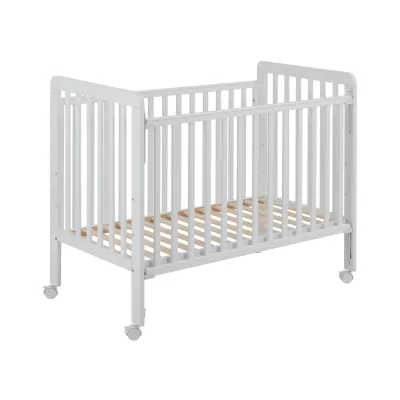


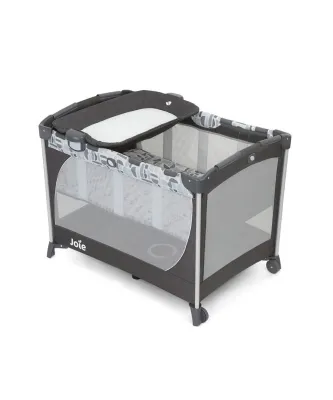
Prices are valid at publication and may change. Please refer to the product page for the latest price.
Safety certifications ensure that the cot can withstand the physical demands of a growing, active child. These tests evaluate whether the frame can resist warping, whether the joints remain secure under pressure, and whether the materials used—such as paints, varnishes, and plastics—are free from harmful levels of heavy metals and chemical compounds. For peace of mind, always look for cots that explicitly state compliance with established global standards on their packaging or product documentation.
To verify these claims, look for permanent markings or labels physically attached to the cot frame. Manufacturers of certified cots typically print or stamp compliance information on the underside of the mattress base, the inner side of the end panels, or on the product’s outer packaging. These labels should list the specific standard the cot meets, alongside the manufacturer’s name and batch number. If a seller claims a cot is certified but cannot show you the physical label or official test reports, treat the claim with caution.
Rather than relying on vague retail descriptions, check for compliance with these prominent international safety frameworks:
- EN 716 / BS EN 716: The European and British standard for domestic baby cots, which regulates dimensions, structural strength, and safety gaps.
- ASTM F1169: The United States standard that governs full-size baby cribs, focusing on structural integrity, hardware durability, and the prohibition of hazardous designs.
- AS/NZS 2172: The Australian and New Zealand standard, which outlines strict safety requirements for cots, including timber quality and structural performance.
In Singapore, it is highly advantageous to purchase your cot through an authorized local distributor or importer. Look for a local distributor label on the packaging or documentation. A registered local distributor provides a direct point of contact for warranty claims, replacement parts, and accurate assembly guidance. Furthermore, in the event of a manufacturer recall, a local distributor ensures you receive immediate safety notices and replacement kits, offering a layer of accountability that overseas third-party sellers on online marketplaces cannot match.
Essential Structural Checks Before and After Assembly
Even a certified cot must be physically inspected to ensure it has been assembled correctly and remains structurally sound. Before placing your baby in the cot for the first time, and periodically thereafter, perform a comprehensive physical check of the entire frame, mattress, and hardware.

Slat Spacing and Integrity The vertical bars or slats of the cot must be spaced closely enough to prevent a baby’s head, limbs, or body from slipping through or becoming trapped. Check the manufacturer’s specifications to ensure the distance between the slats is within the safe range, typically between 45mm and 65mm. A practical home check is to try passing a standard soft drink can through the slats; if the can slides through easily, the gaps are too wide. Additionally, inspect each individual slat to ensure it is firmly secured in place and does not twist, bend, or show signs of hairline fractures.
The Mattress Fit Test A mattress that is too small for the cot leaves dangerous gaps where a baby’s head or limbs can become wedged. To verify a proper fit, apply the standard two-finger gap-check method. Place the mattress inside the cot and push it firmly into one corner. Measure the remaining gap between the mattress and the opposite side rails. If you can easily insert more than two fingers (approximately 3 centimeters) into the gap, the mattress is too small for the frame. The mattress must sit flush against all four sides of the cot, and it should be firm enough that it does not sag under your baby’s weight.
Hardware and Joint Inspection Loose joints and improper hardware are primary causes of structural failure in nursery furniture. During and after assembly, inspect all screws, bolts, and brackets. Ensure that all fasteners are tightened securely according to the manufacturer’s manual, but avoid overtightening, which can strip the threads or crack the wood. Run your hand along the frame to identify any exposed screw heads, sharp metal edges, or protruding bolts that could catch on your baby’s clothing or scratch their delicate skin. Never substitute missing original hardware with generic screws from a hardware store; always request original replacement parts from the manufacturer or local distributor.
Corner Posts and Decorative Cutouts The corner posts of the cot should be designed to prevent clothing, pacifier cords, or sleepwear from snagging, which poses a severe strangulation hazard. Check that the corner posts are either completely flush with the top of the end panels (protruding no more than 1.5 millimeters) or are exceptionally tall (over 230 millimeters), such as those used to support a canopy frame. Additionally, inspect the headboard and footboard for any decorative cutouts or open designs. Avoid cots with ornate cutouts, as these openings can easily trap a baby’s fingers, toes, or limbs.
Hazardous Features and Accessories to Avoid
When designing a nursery, simplicity is the foundation of safety. Many products marketed as comfortable or decorative additions to a baby’s cot can introduce severe hazards. Understanding which structural features and accessories to avoid is crucial for maintaining a safe sleep environment.
The Danger of Drop-Side Mechanisms Drop-side cots feature a movable side rail that slides down to make it easier for parents to lift the baby. However, these mechanisms have been associated with severe safety risks. Over time, the plastic or metal tracking hardware can warp, wear down, or break, causing the drop side to partially detach from the frame. This detachment creates a dangerous “V-shaped” gap between the mattress and the loose rail, where an infant can become trapped and suffocate. Due to these inherent structural risks, drop-side cots are widely discouraged by safety experts. It is highly recommended to choose a cot with fixed sides for maximum structural stability.
The Risks of Cot Bumpers and Padded Liners Padded cot bumpers and fabric liners are often sold to prevent babies from bumping their heads against the wooden slats. However, pediatric health organizations globally warn against using them. Bumpers pose a significant suffocation and strangulation risk if a baby rolls over and presses their face against the padded fabric. Additionally, as your baby grows and learns to stand, they can use the bumper as a step to climb out of the cot, leading to dangerous falls. A bare cot with exposed, safe-spaced slats is the safest configuration, allowing optimal airflow and clear visibility.
Keep the Sleep Zone Clear Your baby’s cot should contain only a firm, flat mattress covered by a tight-fitting sheet. Avoid placing pillows, heavy blankets, quilts, sheepskins, or soft toys inside the cot. These items can easily cover a baby’s face, blocking their airway and causing accidental suffocation. If you are concerned about your baby staying warm during cooler nights or in air-conditioned rooms, opt for a wearable blanket or a well-fitted baby sleep sack instead of loose bedding.
Avoid Sleep Positioners and Wedges Sleep positioners, wedges, and nests are designed to keep babies sleeping on their backs or to elevate their heads. Despite marketing claims suggesting they aid digestion or prevent rolling, these accessories are not recommended for unsupervised sleep. A baby can easily roll off a wedge or slide down into a position where their chin is pressed against their chest, restricting their breathing. Additionally, if their face becomes pressed against the soft material of a positioner, it creates a suffocation hazard. Trust a flat, firm mattress as the safest surface for your baby’s sleep.
Safety Verification for Second-Hand and Hand-Me-Down Cots
Using a pre-owned cot passed down from family or purchased through local classifieds is an eco-friendly and budget-conscious choice. However, second-hand furniture requires a rigorous safety evaluation, as older models may not meet modern safety standards or may have suffered wear and tear that compromises their structural integrity.
Before accepting or purchasing a second-hand cot, conduct a thorough physical inspection of the materials. Check the wooden frame for any cracks, deep splinters, or warping. Examine the painted surfaces carefully; older cots manufactured several years ago may have been coated with lead-based paints, which are highly toxic if chewed. If you notice peeling, chipping, or flaking paint, avoid the cot. Ensure that all original assembly components, including brackets, bolts, and wooden dowels, are present. Never attempt to assemble a cot using mismatched hardware or DIY modifications, as this can lead to sudden structural failure.
Verify the age and history of the cot before bringing it into your home. Look for the manufacturer’s label, which is typically located on the underside of the mattress base, to find the model name, number, and manufacture date. Use this information to search the manufacturer’s website or official product safety databases for any historical safety recalls. If the cot has been recalled, or if you cannot find the manufacturer’s assembly instructions online, do not use it.
Even if the cot frame is in excellent condition, you should exercise extreme caution regarding the mattress. It is highly recommended to purchase a brand-new mattress for a second-hand cot. A used mattress may have lost its firmness, sagged in the middle, or accumulated dust mites, mold, and bacteria from previous use. If you must use a pre-owned mattress, ensure it remains perfectly firm, flat, and fits the cot frame tightly without any gaps along the edges.
Establish clear boundaries for when to reject a second-hand cot entirely. Do not accept a pre-owned cot if:
- It features a drop-side mechanism.
- It is missing the original manufacturer's label, making it impossible to verify its age, model, or recall history.
- The original assembly manual is unavailable, preventing you from verifying correct setup.
- The frame shows signs of structural damage, deep cracks, or previous DIY repairs.
- The cot is more than ten years old, as materials degrade over time and older models are unlikely to meet current safety standards.
Adapting the Cot for Your Baby's Development
A baby’s physical abilities change rapidly during their first year. To maintain a secure sleep environment, you must actively adapt the cot’s configuration to match your baby’s developmental milestones.
Adjusting the Mattress Height Most modern cots feature adjustable mattress base heights, typically offering two or three positions. The highest setting is designed for newborns, making it easier for parents to lay the baby down without straining their backs. However, this setting must be changed as your baby grows. Lower the mattress base to the middle setting as soon as your baby shows signs of rolling over or sitting up independently. Move the mattress base to its lowest setting before your baby is able to pull themselves up to a standing position. This ensures the distance between the top of the mattress and the top rail remains sufficient to prevent falls.
Recognizing Transition Signs Keep a close watch on your child’s physical milestones to determine when they have outgrown the cot. If your child’s chest is higher than the top rail of the cot when they are standing at the lowest mattress setting, they are at risk of falling over the side. Active climbing attempts are another clear indicator that it is time to transition. If your child is constantly trying to scale the rails, or if they have reached the manufacturer’s specified height or weight limit, you should transition them to a toddler bed or a floor mattress to prevent injury.
Safe Room Placement The safety of a cot also depends heavily on where it is positioned within the nursery. Place the cot well away from windows, where your baby could reach window panes, screens, or outdoor ledges. Ensure that blind cords, curtain strings, and electrical wires are completely out of reach, as these present severe strangulation hazards. Keep the cot clear of wall-mounted shelves, heavy framed pictures, or heaters. A baby standing in their cot can easily pull down items from nearby shelves or touch hot surfaces, making a clear perimeter around the cot essential.
Frequently Asked Questions (FAQ)
Do all baby cots sold in Singapore require a specific local safety mark?
No, baby cots sold in Singapore do not carry a mandatory local-only safety mark, as consumer safety regulations for non-electrical furniture rely on international standards. Instead of searching for a local mark, parents should look for recognized international certifications such as EN 716, ASTM F1169, or AS/NZS 2172 printed on the packaging or the frame. Additionally, verify that the cot is supplied by a reputable local importer or distributor who can provide authentic assembly manuals, local warranty coverage, and direct product support.
Is it safe to use a travel cot or bassinet for everyday sleep?
Travel cots and bassinets are designed for temporary, short-term use and are not recommended as permanent replacements for a standard wooden cot. Travel cots feature lightweight frames, flexible fabric or mesh sides, and thin, folding mattresses that do not offer the same structural rigidity or long-term support as a solid nursery cot. Bassinets have much lower weight limits and are only safe until your baby begins to roll over or push up on their hands and knees. For daily, long-term sleep, a standard cot with a firm, supportive mattress is the safest choice.
How often should I check the cot's hardware and screws?
You should conduct a quick structural check of your baby’s cot once a month to ensure all joints remain tight and secure. Additionally, perform a thorough inspection whenever you adjust the mattress base height, move the cot to a new position in the room, or if your baby begins vigorously shaking the rails or pulling up to stand. Regular maintenance prevents screws from loosening due to daily movement, ensuring the cot remains structurally stable and safe for your child.

Community discussion
Share your experience or ask a question. Comments are reviewed before publication.