
When preparing a nursery, ensuring a safe sleep environment is the single most important task for new parents. If you are wondering whether baby cot mesh is safe for a newborn, the safety profile depends entirely on the type of mesh being used and how it is installed. While some forms of integrated mesh are designed specifically to keep infants secure, other aftermarket mesh accessories can introduce severe, avoidable hazards into the crib.
To protect your newborn during sleep, it is vital to understand the distinction between built-in safety features and optional add-ons. Pediatric health authorities worldwide emphasize that the safest sleep space for a newborn is a completely bare, firm mattress with a tightly fitted sheet. Introducing loose fabrics, hanging cords, or unsecured panels into this space can quickly compromise your baby’s breathing and physical safety.
Is Baby Cot Mesh Safe? Identifying the Type of Mesh
To evaluate whether baby cot mesh is safe, you must first identify which product type you are considering. The term “mesh” is commonly used to describe three completely different nursery items: hanging mosquito nets, aftermarket mesh liners or bumpers, and the built-in mesh sides found on certified travel cots or playards. Each of these items has a vastly different safety profile and requires a unique set of precautions.
Products mentioned in this guide
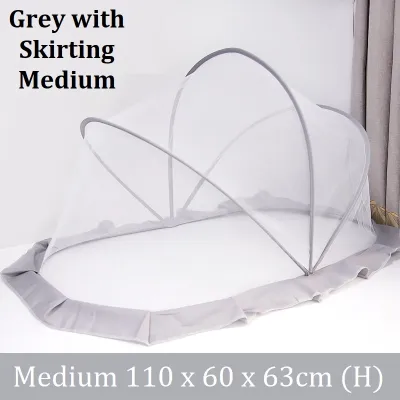
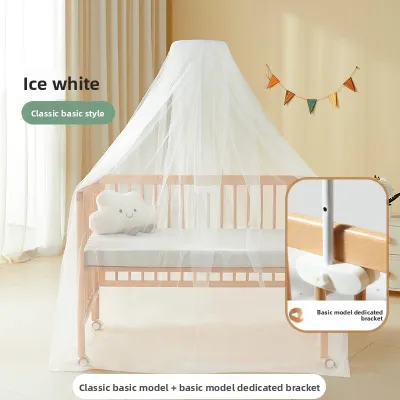
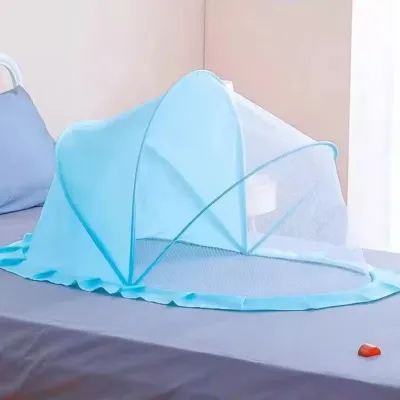
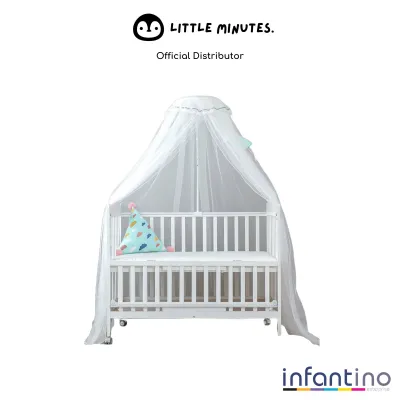
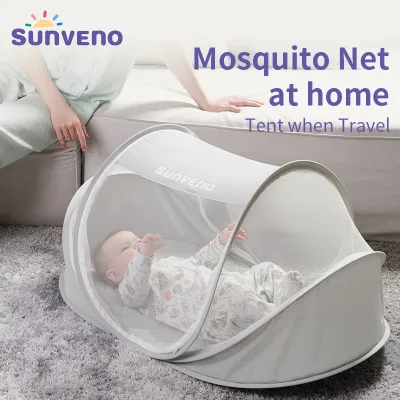
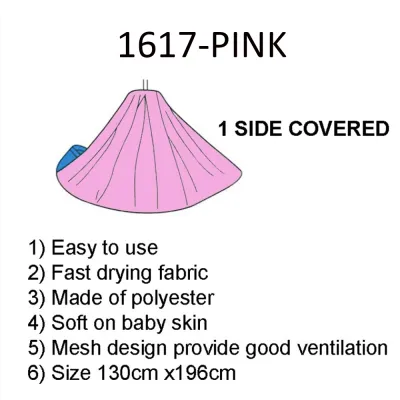
Prices are valid at publication and may change. Please refer to the product page for the latest price.
Hanging mosquito nets are designed to drape over the cot to protect infants from biting insects. While highly practical in tropical climates where insect-borne illnesses are a concern, these nets are only safe if they are suspended completely out of the newborn’s reach and secured so they cannot fall into the sleeping area. If a net is poorly installed or sags, it poses an immediate risk to a sleeping infant.
Aftermarket mesh liners, often marketed as “breathable bumpers,” are fabric panels that attach to the inside rails of a wooden cot. Manufacturers often sell these products with the promise of preventing babies from getting their limbs caught between the cot slats. However, adding any loose or semi-secured fabric to the interior of a cot goes against standard safe sleep recommendations, as these liners can still cause entrapment or suffocation if they detach or if the baby rolls against them.
In contrast, built-in mesh sides on travel cots or bedside cribs are generally safe. These mesh panels are engineered as structural components of the sleep space, meaning they are stretched incredibly taut and securely stitched to the frame by the manufacturer. Because there are no loose ties, sagging fabrics, or gaps, they provide excellent ventilation while keeping the sleep surface secure, provided the travel cot is assembled strictly according to the manufacturer’s instruction manual.
Before introducing any mesh accessory to your baby’s sleep environment, always cross-reference the product with current safe sleep guidelines from recognized pediatric authorities. Never rely solely on product marketing or retail descriptions to determine whether an item is safe for your newborn.
Key Safety Risks to Watch Out For
Understanding the specific physical hazards associated with adding mesh netting to a newborn’s cot is essential for making informed parenting decisions. Newborns lack the motor skills, neck strength, and coordination to free themselves if they get tangled in fabric or if their breathing is obstructed. What might seem like a minor inconvenience to an adult can easily become a life-threatening situation for an infant.

Strangulation and Entrapment
Loose mesh netting, hanging drapes, and attachment ties pose a severe risk of strangulation. If a hanging mosquito net is suspended too low, a newborn can easily pull the fabric down into the cot, wrapping it around their neck or limbs. Similarly, if aftermarket mesh liners are not perfectly secured, a baby can slip into the gap between the liner and the mattress, leading to dangerous physical entrapment.
Suffocation and Airflow Restriction
Many aftermarket mesh products are heavily marketed as “breathable,” leading parents to believe they are entirely safe. However, any fabric that is pressed directly against a newborn’s nose and mouth can restrict their breathing. If a baby rolls over or wedges their face against a mesh liner or a collapsed mosquito net, they may experience rebreathing—a dangerous phenomenon where the baby repeatedly inhales their own exhaled carbon dioxide, leading to oxygen deprivation.
Overheating
In warm, humid climates like Singapore, maintaining a cool and comfortable sleep environment is a primary safety concern. Adding extra layers of fabric, such as dense mesh liners or closely draped mosquito nets around the cot, can trap heat and humid air within the micro-climate of the crib. Overheating is a well-documented risk factor for Sudden Infant Death Syndrome (SIDS), making proper air circulation around the cot absolutely critical.
Because newborns spend the majority of their time sleeping, their sleep environment must be treated with the highest level of caution. If you are ever in doubt about the safety of a sleep accessory, it is always best to leave it out of the cot entirely and consult a qualified pediatrician or pediatric sleep specialist for professional guidance.
What to Check Before Using a Hanging Mosquito Net
For parents living in tropical regions where protecting a newborn from mosquitoes is a daily necessity, a hanging mosquito net can be a valuable tool when used correctly. However, safety is entirely dependent on meticulous installation and regular maintenance. If you decide to use a suspended net over your baby’s cot, you must verify several key safety features and setup requirements before letting your baby sleep under it.
Clearance and Reach
The most critical installation rule is to ensure that no part of the net is within your baby’s reach. The net must be suspended high enough above the cot so that even if your baby stretches their arms upward, they cannot touch the fabric. The lower edges of the net must be tucked tightly and securely under the mattress or around the outer frame of the cot, leaving absolutely no loose, dangling folds inside the sleeping area.
Mesh Hole Size
When purchasing a net, check the manufacturer’s specifications regarding the mesh density and hole size. The holes must be microscopic enough to prevent tiny insects, such as the Aedes mosquito, from entering the cot. At the same time, the weave must be structurally sound and tight enough that your baby’s fingers, toes, or clothing buttons cannot get caught in the mesh, which could cause injury or restrict blood flow.
Hardware and Cords
Carefully inspect the suspension mechanism of the net. Avoid any products that rely on long, dangling cords, decorative ribbons, or weak plastic hooks that could easily snap. If you are using a metal or wooden stand to support the net, ensure that it is clamped securely to the exterior of the cot frame and cannot be knocked over or pulled down.
Structural Integrity
Make it a habit to physically inspect the entire mosquito net before every single use. Look closely for any signs of wear and tear, such as small tears, snagged threads, frayed seams, or weakening attachment points. Even a tiny hole can allow insects to enter, while loose threads pose a serious risk of wrapping around your baby’s fingers or toes, creating a dangerous tourniquet effect.
Why Mesh Liners and Cot Bumpers Are Not Recommended
Despite being widely available in baby stores and online marketplaces, aftermarket mesh liners—often sold as “breathable bumpers”—are strongly discouraged by pediatric health and safety organizations. While they are marketed as a modern, safer alternative to traditional padded bumpers, evidence shows that they still pose significant risks to a sleeping newborn and offer no proven safety benefits.
The primary marketing claim for mesh liners is that they prevent a baby’s arms and legs from slipping through the cot slats. While getting a limb caught between slats can be startling for a baby, it rarely results in serious physical injury. In contrast, the risks associated with installing a mesh liner are far more severe. If the ties or Velcro fasteners slip or wear out over time, the liner can sag, creating a pocket where a baby’s head can become trapped, leading to suffocation.
Furthermore, as your baby grows and begins to develop motor skills, a mesh liner presents a new hazard. Once a baby can pull themselves up to a standing position, they can use the mesh liner as a step or foothold. This increases the risk of the baby climbing over the cot rails and falling onto the floor, which can cause severe head injuries or fractures.
Because of these combined risks, major global health organizations and local health authorities advise parents to remove all forms of crib bumpers, including mesh versions, from the cot. The safest approach is to leave the wooden slats of the cot completely uncovered. If you currently have an aftermarket mesh liner installed in your newborn’s cot, it is highly recommended to remove it immediately to ensure a safe sleep environment.
Safer Alternatives for Insect Protection
Protecting your newborn from mosquitoes and other insects is a top priority, especially in tropical climates where dengue fever is a concern. Fortunately, you do not have to rely on risky cot-level mesh accessories to keep your baby safe. By focusing on room-level protection and safe, non-invasive habits, you can create an insect-free sleep environment without placing any hazardous materials in or near the cot.
Room-Level Protection
The most effective way to protect your newborn is to prevent insects from entering the nursery in the first place. Ensure that all windows and doors in your home are fitted with high-quality, securely sealed insect screens. Using air conditioning in the nursery not only keeps the room at a comfortable temperature (ideally between 22°C and 24°C) but also deters mosquitoes, which prefer warm, humid conditions. Running a ceiling fan on a low setting also improves air circulation, making it difficult for mosquitoes to fly near the cot while simultaneously reducing SIDS risks.
Protective Apparel
Instead of draping fabrics over the cot, dress your newborn in lightweight, long-sleeved sleepwear. Opt for breathable, natural fabrics such as organic cotton or bamboo fiber, which keep your baby cool while covering their arms and legs. A lightweight swaddle or a certified baby sleep sack can also provide an effective physical barrier against insect bites without the risk of loose blankets or nets.
Safe Repellents
It is important to note that chemical insect repellents containing active ingredients like DEET or Picaridin are generally not recommended for infants under two months of age. For newborns, avoid applying any topical chemical repellents directly to their skin. Always consult your pediatrician to discuss age-appropriate insect prevention strategies and to verify which products are safe for your baby’s developing skin and respiratory system.
Spatial Repellents and Physical Traps
You can also utilize spatial insect repellents, such as plug-in liquid electric vaporizers or physical UV light mosquito traps, to clear the nursery of pests. If you choose to use these devices, ensure they are placed well out of your baby’s reach and are not positioned directly next to the cot. Always use these products in a well-ventilated room, and follow the manufacturer’s safety instructions to ensure they do not irritate your newborn’s sensitive respiratory system.
When to Stop Using the Cot Mesh
If you have evaluated the risks and decided to use a hanging mosquito net with your newborn, you must remain highly vigilant about when to discontinue its use. A baby’s physical abilities change rapidly during their first year, and a setup that was safe during the first few weeks of life can quickly become highly dangerous as your baby reaches new developmental milestones.
Developmental Milestones
You must stop using a hanging mosquito net the moment your baby shows signs of rolling over, pushing up on their hands and knees, sitting up, or pulling themselves up to stand. These developmental milestones typically begin to emerge around three to six months of age. Once your baby is mobile, they will inevitably reach out to grab and pull on the hanging fabric, which can cause the entire net or its supporting stand to collapse into the cot, creating an immediate strangulation or suffocation emergency.
Product Wear and Tear
Discontinue the use of any mesh product immediately if you notice any signs of physical deterioration. This includes loose threads, running ladders in the mesh, small holes, or weakening of the ceiling hook or mounting bracket. Regularly check that all attachment points remain firm and secure; if any part of the system shows signs of wear, remove it from the nursery immediately.
Transitioning Sleep Spaces
When your baby outgrows their newborn bassinet or small cot and transitions to a larger crib, playpen, or floor bed, you must completely re-evaluate your insect-protection setup. A larger sleep space often changes the clearance distances, making a previously safe hanging net setup unsafe. Always prioritize room-level protection over cot-level accessories as your baby grows more active.
Frequently Asked Questions (FAQ)
Can I drape a mosquito net directly over my newborn inside the cot?
No, you must never drape a mosquito net, blanket, or any other fabric directly over your newborn or allow it to rest on the mattress. Doing so creates an immediate and severe risk of suffocation and entanglement. Any mosquito net used in the nursery must be suspended high above the cot, completely out of the baby’s reach, and secured tightly so that it cannot fall or sag into the sleeping area.
What is the safest mesh hole size for a newborn's cot net?
There is no single universal measurement for a safe mesh hole size, but the weave must be dense enough to block tiny insects like mosquitoes while still allowing free airflow. Crucially, the holes must be small enough that your newborn’s fingers, toes, or clothing buttons cannot get caught in the fabric. Always verify that the product complies with recognized safety standards, read the manufacturer’s age-specific instructions, and physically inspect the net for snags before use.
Are mesh travel cots (playards) safe for newborn sleep?
Yes, travel cots with built-in, tightly stretched mesh sides are generally safe for newborn sleep, provided they meet current safety standards. Because the mesh is an integrated, taut part of the cot’s structure, it does not pose the same entrapment or suffocation risks as aftermarket mesh liners. Always ensure that you use the firm, flat mattress that came with the travel cot, and avoid adding any extra padding, blankets, or aftermarket mesh liners inside.
Community discussion
Share your experience or ask a question. Comments are reviewed before publication.