
In Singapore, ensuring a baby cot bed meets recognized safety standards is the most critical step in preparing a secure nursery for your infant. While Singapore does not have a singular, locally manufactured safety standard exclusive to nursery furniture, the market is strictly regulated to ensure consumer protection. Under local consumer protection laws, baby cots sold by retailers must comply with established international safety benchmarks. Understanding these regulations, knowing how to verify certification labels, and conducting physical safety checks will help you select a secure sleep environment that protects your child from structural failures, entrapment, and toxic materials.
Navigating Baby Cot Safety Regulations in Singapore
In Singapore, the Consumer Product Safety Office (CPSO), which is administered by Enterprise Singapore, acts as the safeguarding authority for general consumer goods. While certain household appliances require mandatory registration and the safety mark, baby cots fall under the Consumer Protection (Consumer Goods Safety Requirements) Regulations (CGSR). Under these regulations, any consumer product sold in Singapore must meet safety requirements based on international standards. The CPSO actively monitors the market, investigates safety complaints, and has the authority to issue recall notices or stop the sale of non-compliant nursery furniture.
Because Singapore imports the vast majority of its nursery furniture, local retailers are expected to supply products that align with global safety protocols. When shopping for a baby cot bed, you will primarily encounter three major international standards: the European Union’s EN 716, the United States’ ASTM F1169, and the Australian/New Zealand AS/NZS 2172. These standards are highly rigorous, governing everything from the structural strength of the timber to the chemical composition of the paint and varnishes used on the frame.
Products mentioned in this guide
![[Jarrons & Co] Happy Dream 4-in-1 Convertible Baby Cot (Free Delivery Installation Teething Rail Side Guard & Mosquito Net)](https://img.lazcdn.com/g/p/1fa2fe8c6ca9054589090bd9450eb2ac.png_400x400q80.png_.webp)
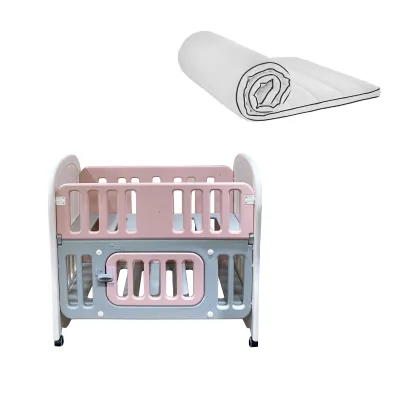
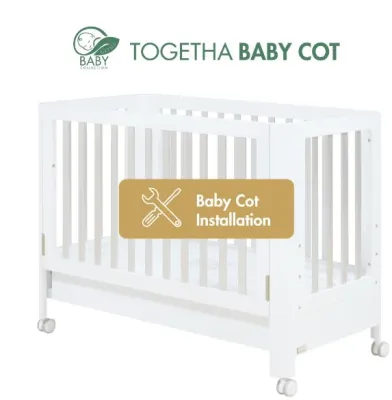
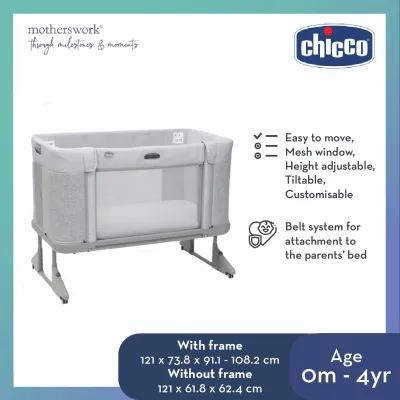
![[SG Stock]Brotish Multifunctional 2 Layer Portable Infant Baby Cot Playpen Travel Cot Bed Double-deck Playpen Sleep Bed](https://img.lazcdn.com/g/p/9306630fe674b3e82e74c940f19a16cd.jpg_400x400q80.jpg_.webp)
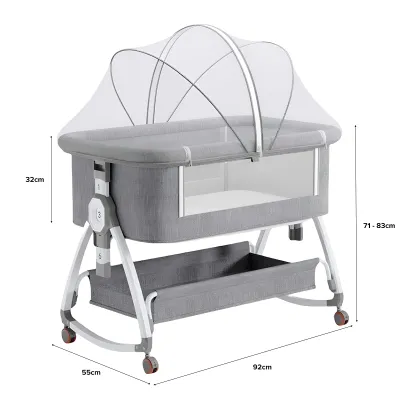
Prices are valid at publication and may change. Please refer to the product page for the latest price.
Relying solely on a retailer’s marketing claims is not sufficient when evaluating a baby cot bed. Legitimate distributors should be able to provide test reports or certificates of conformity from independent, accredited testing laboratories upon request. If a seller cannot or will not provide proof of compliance with these international standards, it is best to look for alternative options that offer transparent safety documentation.
Identifying Valid Safety Certifications on Product Labels
A genuine safety certification is more than just a logo printed on a cardboard box or a product listing on an online marketplace. When inspecting a baby cot bed, look for permanent markings or labels affixed directly to the frame, usually on the underside of the mattress base or the inner side of the headboard. These labels typically state the manufacturer’s name, the specific model number, the date of manufacture, and the exact safety standard the cot claims to meet. If these details are missing or look like temporary stickers that can be easily peeled off, the product’s origin and safety testing remain unverified.

To cross-check the validity of a certification, you can request the official test report from the retailer and look for the name of the testing laboratory. Reputable testing bodies include organizations like TÜV SÜD, SGS, Intertek, or Bureau Veritas. These laboratories test the cot’s resistance to impact, the durability of its joints, and the toxicity of its finishes. You can often verify the authenticity of a test report by entering the report number on the respective testing body’s online verification portal.
It is crucial to ensure that the safety certificate matches the exact model and variant of the cot you are purchasing. Manufacturers often update their designs or use different materials for different production batches, meaning a certificate from a previous year or a slightly different model variant does not guarantee the safety of the unit you buy. Always check that the model name, SKU, and manufacturing date on the physical cot match the details listed on the conformity certificate.
Performing Physical Safety Inspections Before Purchase
Even when a baby cot bed claims to meet international standards, performing a physical inspection is a vital line of defense. Start by measuring the distance between the vertical slats of the cot. The gap between slats must be between 50 mm and 65 mm. If the gaps are too wide, a baby’s body can slip through, leading to dangerous head entrapment; if they are too narrow, the child’s limbs can easily get wedged and injured. A simple way to check this is by using a standard soda can, which is approximately 66 mm in diameter; if the can can pass through the slats, the spacing is too wide and unsafe.
Next, evaluate the mattress fit and firmness, which are critical for preventing suffocation and Sudden Infant Death Syndrome (SIDS). The mattress must fit snugly within the cot frame, leaving no more than a 20 mm gap between the mattress edge and the cot sides when pushed to one side. The mattress must also be exceptionally firm; it should not conform to the shape of your baby’s head or body. Additionally, check the distance from the top of the mattress to the top of the cot barrier. When the mattress base is at its lowest position, this distance should be at least 500 mm to prevent an older, mobile baby from climbing or falling out.
Carefully run your hands along the wooden and metal components of the cot to check for sharp edges, splinters, or rough surfaces. All hardware, such as screws, bolts, and brackets, must be recessed or flush with the wood to prevent clothing from catching, which poses a serious strangulation hazard. Ensure that any paint, varnish, or lacquer used on the cot is certified non-toxic and lead-free, as teething babies frequently chew on the cot rails. Many high-quality cots feature plastic teething strips along the top rails to protect both the wood and the child’s gums.
Recognizing Red Flags and Usage Boundaries
While buying second-hand furniture is an eco-friendly and budget-conscious choice, second-hand baby cots carry hidden risks. Older cots may have been manufactured before modern safety standards were established, or they may have undergone modifications that compromise their structural integrity. Furthermore, wood can degrade over time, joints can loosen, and critical hardware can go missing. If you must use a pre-owned cot, ensure you have the original assembly manual, verify that all original parts are present, and confirm that the model has never been subject to a safety recall.
Regularly inspect the cot during use for signs of wear and tear. Loose bolts, wobbling joints, or hairline cracks in the wooden slats are clear indicators that the cot is no longer safe and requires immediate repair or replacement. Never attempt to fix a broken cot with makeshift hardware, tape, or non-original screws, as these temporary fixes can fail under the weight or movement of an active baby. If any structural component is compromised, stop using the cot immediately and consult the manufacturer for authorized replacement parts.
Knowing when to transition your child out of the baby cot bed is just as important as choosing the right model. Most manufacturers specify weight and height limits, which you must verify in the product manual. As a general rule, once your child reaches a height of 89 cm, or when they show signs of being able to climb out of the cot independently, it is time to transition them to a toddler bed or a floor mattress. Continuing to use the cot past these developmental milestones increases the risk of serious falls and injuries.
Pre-Purchase Safety Verification Checklist
Before finalizing your purchase of a baby cot bed in Singapore, execute a systematic verification process to ensure no safety details are overlooked. Begin by asking the retailer for the complete manufacturer’s instruction manual. A compliant manual should provide clear, step-by-step assembly instructions, list all included parts, and state the maximum weight and age limits for the cot. Reviewing the manual beforehand also helps you assess whether the assembly process is straightforward enough to prevent errors that could compromise safety.
Next, cross-reference the exact brand and model name with official consumer recall databases. You can check the CPSO’s product safety alerts on the Consumer Product Safety Office website, as well as international databases like the US Consumer Product Safety Commission (CPSC) or the Australian Product Safety Recalls portal. Because many baby cots sold in Singapore are imported from global brands, international recall registries are highly relevant and can alert you to design flaws that may not yet be widely publicized locally.
Finally, clarify the retailer’s return policies, warranty terms, and after-sales support. Ensure that the warranty covers structural defects and that the retailer has a clear protocol for handling safety-related returns or exchanges. A reputable seller should offer a robust warranty and be easily reachable to assist with replacement parts or safety inquiries. If a retailer offers no warranty or refuses to clarify their return policy for defective goods, it is a significant warning sign that they may not stand behind the safety of their products.
Frequently Asked Questions (FAQ)
Are drop-side baby cots legal and safe to use?
Drop-side baby cots, which feature a side barrier that slides down to make accessing the baby easier, have been banned in countries like the United States due to severe safety risks, including infant entrapment and suffocation when the mechanism fails. In Singapore, there is no outright ban on drop-side cots, but they are subject to strict scrutiny. If you choose to use a drop-side cot, you must verify that the locking mechanism is robust, cannot be accidentally released by a child, and complies with the latest European (EN 716) or Australian (AS/NZS 2172) standards, which mandate rigorous testing for these moving parts.
How can I verify if a specific baby cot brand has been recalled?
To check if a baby cot bed has been recalled, visit the Consumer Product Safety Office (CPSO) website in Singapore to view local product safety alerts. Additionally, because many nursery brands are imported, you should search international databases such as the US Consumer Product Safety Commission (CPSC) or the European Union’s Safety Gate. When purchasing a new cot, always fill out and submit the manufacturer’s product registration card or online form; this ensures the manufacturer can contact you directly in the event of a safety recall.
Do bedside sleepers and bassinets follow the same safety standards as full-size cots?
No, bedside sleepers and bassinets do not follow the same safety standards as full-size baby cots. Because they are smaller, designed for younger infants, and often attach directly to an adult bed, they are subject to different structural, stability, and height requirements. For example, bedside sleepers must comply with standards like EN 1130 or ASTM F2906, which specifically address the risks of entrapment between the adult mattress and the sleeper. A safety certification for a full-size cot does not cover a bassinet or bedside sleeper, so you must verify the specific standard applicable to the exact product type you are buying.
Community discussion
Share your experience or ask a question. Comments are reviewed before publication.