
Quick Answer: Finding the Most Reliable Baby Corner Guard Brands
When babyproofing a Singapore home, selecting the right baby corner guards involves balancing material quality, adhesive strength, and the specific layout of your living space. The reliability of a corner guard depends far less on brand prestige than on material density and adhesive performance under local environmental conditions. High humidity in Singapore can cause low-quality adhesives to peel or slip, meaning that the physical construction of the guard and its backing tape are the primary factors in keeping your child safe.
Established child safety brands generally deliver the most consistent adhesive strength and use materials that are rigorously tested for impact resistance. These specialized products are highly reliable for high-risk areas, such as low glass coffee tables, metal console stands, or heavy marble television consoles. Premium baby care and lifestyle brands, on the other hand, prioritize minimalist aesthetics and softer, non-toxic materials like food-grade silicone, making them excellent for modern living rooms where visual discretion is preferred. Meanwhile, budget-friendly value brands found on online marketplaces provide cost-effective bulk packs that are highly practical for standard wooden bedroom furniture or low-traffic areas.
To make the best decision for your home, consider this conditional approach: select specialized, established safety brands for maximum impact protection and reliable adhesive performance on high-risk surfaces, and use bulk value packs of silicone or PVC guards to achieve comprehensive, low-risk room proofing across secondary furniture pieces. While corner guards are essential tools for reducing the severity of bumps and bruises, they are supplementary safety aids and do not replace active adult supervision. If your child experiences a hard fall or head injury, always seek professional medical evaluation immediately.
Products mentioned in this guide
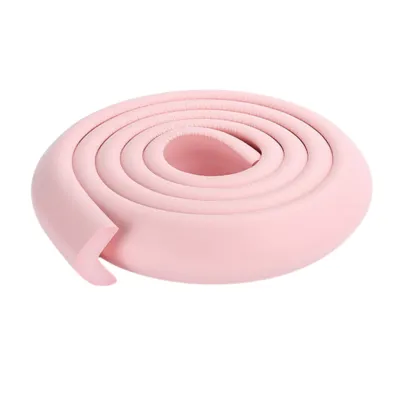
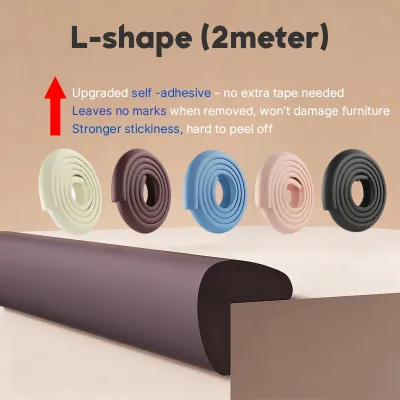
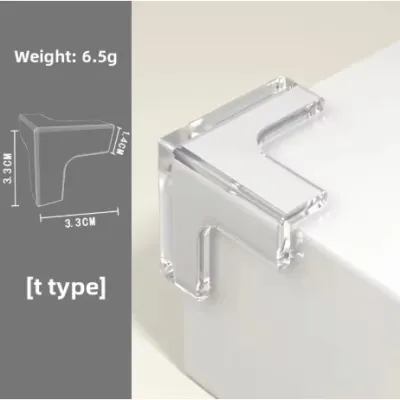
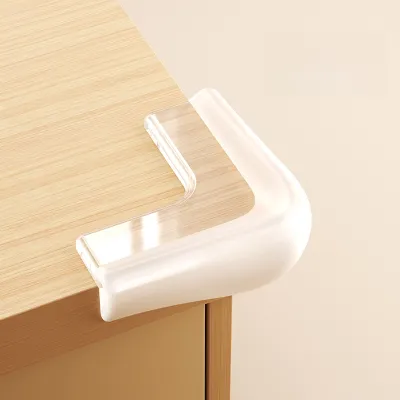
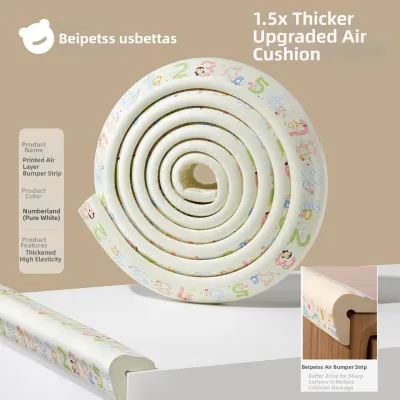
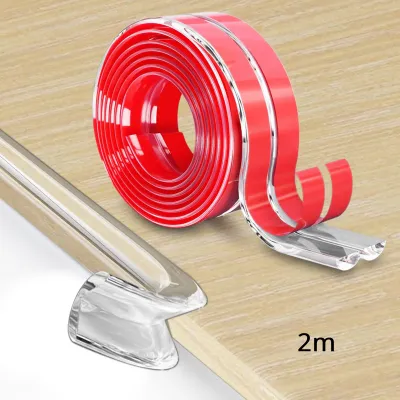
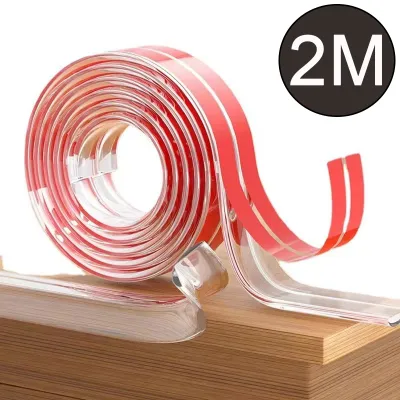
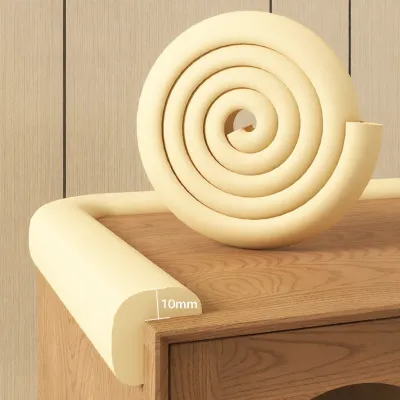
Prices are valid at publication and may change. Please refer to the product page for the latest price.
Key Features That Define a Safe and Durable Corner Guard
To evaluate any baby corner guard brand effectively, parents must look past marketing claims and focus on objective, measurable design elements. Understanding these features ensures you select a guard that can withstand daily wear and tear while providing genuine protection during a fall.

Thickness and Shock Absorption While physical thickness is important, the density of the material is what determines how well a guard disperses impact force. A very thick but low-density foam guard may compress completely under the weight of a falling toddler, allowing the child’s head to make contact with the hard corner underneath. Conversely, high-density materials, such as reinforced polyvinyl chloride (PVC) or engineered silicone, maintain their structural integrity under sudden pressure, absorbing and redirecting the energy of the impact. When choosing guards, feel the material to ensure it offers firm resistance rather than collapsing easily under finger pressure.
Adhesive Quality and Environmental Resilience The best corner guard is useless if it does not stay attached to the furniture. Standard double-sided foam tape often struggles in Singapore’s humid climate, as moisture in the air can slowly degrade the adhesive bond over time, leading to peeling edges that toddlers can easily pull off. Acrylic gel adhesives and high-bond acrylic tapes are significantly more resilient, offering superior holding power on smooth surfaces like glass, metal, and polished wood. These adhesives cure over time to create a strong, shear-resistant bond that resists lateral pulling while remaining relatively clean to remove when childproofing is no longer needed.
Material Safety and Chemical Composition Because babies frequently explore their environment with their mouths, corner guards must be chemically safe. Parents should actively check product packaging and manufacturer documentation for clear, verified safety labels, such as BPA-free, phthalate-free, lead-free, or food-grade certifications. Avoid relying on generic marketing terms like “100% safe” or “eco-friendly” without checking for specific compliance standards. High-quality silicone and specialized non-toxic PVC formulations are excellent choices for households with teething toddlers who are likely to chew on accessible edges.
Design, Shape, and Coverage The physical design of a corner guard dictates its suitability for different furniture types and its resistance to curious fingers. Pre-molded L-shaped guards provide clean coverage for standard 90-degree table edges, while spherical or rounded “ball” designs are ideal for three-sided corners, such as those on heavy desks or cabinets. Continuous edge-and-corner strips allow you to run protection along the entire length of a sharp border, preventing injuries along the sides as well as the corners. Rounded, low-profile designs are generally harder for babies to grip and peel off compared to bulky, high-profile guards that present an easy target for small hands.
Comparing Brand Categories Available in Singapore
Navigating the babyproofing market in Singapore reveals several distinct categories of brands, each catering to different priorities, budgets, and furniture styles. Understanding these categories allows you to allocate your budget effectively across your home.
Established Child Safety Brands
Brands that specialize exclusively in childproofing hardware focus heavily on functional safety and engineering. These manufacturers design products intended to meet rigorous safety standards, using heavy-duty, high-density PVC or reinforced rubber materials engineered specifically for high impact absorption. Their adhesive backings are typically premium-grade, selected to withstand the persistent pulling and picking of determined toddlers.
The primary trade-off with specialized child safety brands is their premium pricing and smaller packaging sizes. They typically sell corner guards in packs of four or eight, resulting in a higher cost per unit. This makes them less practical for whole-house coverage but highly recommended for critical, high-traffic hazards, such as the sharp corners of dining tables, low-lying TV consoles, or stone kitchen islands where severe impacts are most likely to occur.
Premium Baby Care and Lifestyle Brands
Premium baby care and lifestyle brands focus on integrating safety seamlessly into modern home interiors. These brands frequently utilize crystal-clear, high-purity silicone that remains transparent over time without yellowing, allowing the natural wood grain or color of your furniture to show through. They prioritize visual discretion, offering sleek, low-profile designs that do not disrupt the aesthetic of a carefully curated Singaporean apartment.
In addition to aesthetics, these brands place a heavy emphasis on material purity, often using food-grade silicone that is completely inert, odorless, and safe for teething children to mouth. The main trade-off is that these elegant, slim silicone guards are inherently firmer than thick foam or hollowed PVC, offering slightly less shock absorption during high-velocity impacts. They are best suited for modern, minimalist homes and furniture made of glass, metal, or high-end varnished wood where heavy, opaque guards would be visually intrusive.
Value and Bulk-Pack Online Brands
For parents looking to secure an entire home on a budget, value brands and bulk packs available on major online marketplaces offer an appealing solution. These products are often sold in large quantities—such as packs of 12, 20, or continuous rolls of several meters—at a fraction of the cost of premium options. This affordability makes it easy to secure secondary areas, such as bedroom side tables, interior cabinet corners, and low shelving units.
However, choosing budget online brands requires careful vetting. Common trade-offs include thinner, lower-density materials that offer limited impact protection, and lower-grade adhesives that may fail quickly in humid conditions or leave a stubborn, sticky residue that can ruin delicate wood veneers upon removal. To find reliable value options, read recent user reviews closely, paying specific attention to feedback regarding chemical odors upon unboxing, tearing of the material, or adhesive failure within the first few weeks of installation.
Material Comparison: Silicone, PVC, and Foam
The material composition of a corner guard is the single most important factor determining its durability, safety, and performance. Each common material has distinct physical properties that make it suitable for specific scenarios and furniture types.
Transparent Silicone Silicone is highly durable, visually discreet, and exceptionally resistant to chewing and tearing. It does not degrade easily when exposed to cleaning chemicals or humidity, making it a long-lasting choice for busy households. Because silicone is relatively dense, it provides moderate shock absorption; it cushions the blow of a fall but remains firm to the touch. Its main advantage is its clean, clear appearance, which blends into almost any surface.
PVC (Polyvinyl Chloride) PVC is a highly versatile plastic that can be engineered to balance flexibility with excellent shock absorption. Opaque or colored PVC corner guards are often designed with internal air pockets or ribbed structures that collapse slightly upon impact, dispersing energy highly effectively. PVC is incredibly tough and highly resistant to pulling, though it can be visually obtrusive if the color does not match your furniture perfectly.
Foam (EVA or NBR) Foam guards made from Ethylene-Vinyl Acetate (EVA) or Nitrile Butadiene Rubber (NBR) are incredibly soft and offer the highest level of immediate impact absorption, making them feel like a cushion. However, foam is highly vulnerable to physical damage. Teething babies can easily bite off chunks of soft foam, creating a significant choking hazard. Additionally, foam can easily tear, absorb oils and dirt, and degrade quickly in humid environments.
| Material | Shock Absorption | Chew Resistance | Best Application |
|---|---|---|---|
| Transparent Silicone | Moderate | Excellent | Glass, metal, and modern wooden furniture in main living areas |
| PVC (Polyvinyl Chloride) | High | High | High-traffic wooden furniture, sharp dining table corners |
| Foam (EVA or NBR) | Very High | Low (Choking Hazard) | Low-traffic areas, high corners out of reach of teething babies |
Decision Guide: Matching Guards to Your Furniture and Baby
To choose the right corner guards for your home, you must match the physical characteristics of the guard to your child’s developmental stage and the specific furniture surfaces in your living space.
- Choose transparent silicone if you are protecting glass tables, metal bed frames, or modern polished surfaces where you want a clean, visually unobtrusive look. It is also the ideal choice if your baby is in a heavy teething phase, as silicone resists biting and tearing completely.
- Choose thick, high-density PVC if your child is highly active, learning to walk, and prone to running into furniture. The superior shock absorption of structured PVC is ideal for heavy wooden dining tables, TV consoles, and low shelving units in high-traffic play zones.
- Avoid foam entirely if your baby is currently teething, frequently mouths household objects, or has a habit of picking at soft textures. The risk of a child biting off and swallowing a piece of foam makes it unsuitable for any surface within their reach.
- Verify the adhesive type first if you are applying guards to delicate wood veneers, antique furniture, or freshly painted surfaces. Strong adhesives can lift varnish or paint upon removal. Always refer to the guard manufacturer's instructions and test a small, inconspicuous area of the furniture before completing the full installation. Always verify the age recommendations, weight limits, and specific method of use in the manufacturer's documentation before purchasing, as childproofing needs evolve rapidly as your baby transitions from crawling to walking.
Installation and Safe Removal Tips for Delicate Surfaces
Proper installation is essential to ensure your corner guards stay securely in place, while careful removal techniques prevent expensive damage to your furniture surfaces.
Preparation and Cleaning Before applying any adhesive, the furniture surface must be completely free of dust, oils, polish, and fingerprint residue. Clean the specific corner area thoroughly using rubbing alcohol (isopropyl alcohol) and a clean microfiber cloth. Allow the surface to dry completely for several minutes. Avoid using household glass cleaners or multi-purpose sprays, as these often leave behind a thin chemical film that prevents the adhesive from bonding securely.
Curing Time Once you have positioned the corner guard and pressed it firmly into place for at least 30 seconds, do not touch or test it. The adhesive requires time to cure and form a permanent bond. Keep your baby away from the newly installed guards for at least 24 hours. Allowing the adhesive to cure undisturbed ensures it reaches its maximum holding strength, making it much harder for a toddler to pull off later.
Safe Removal Techniques When your child has outgrown the need for corner guards, rushing to pull them off can tear wood veneers or strip paint. To remove them safely, use a hairdryer on a low or medium heat setting to gently warm the corner guard for one to two minutes. This heat softens the adhesive backing, making it pliable. Once warmed, slide a piece of dental floss or thin fishing line behind the guard and use a sawing motion to slice through the adhesive layer, releasing the guard without pulling on the furniture surface.
Residue Cleanup Any remaining adhesive residue can be cleaned up gently. Apply a small amount of mild dish soap, baby oil, or a specialized adhesive remover to a soft cloth and rub the area gently. Always check your furniture manufacturer’s care instructions before applying any solvent, and test it on a hidden spot first to ensure it will not discolor or damage the finish. If instructions conflict or the surface is highly sensitive, consult a professional furniture restorer.
Frequently Asked Questions (FAQ)
Are silicone corner guards safe if my baby chews on them?
High-quality, food-grade silicone corner guards are chemically inert and generally safe for babies to mouth. Unlike foam, silicone is highly durable and resists tearing, which prevents the baby from biting off small pieces that could present a choking hazard. Always verify the product packaging to ensure the guards are certified BPA-free, lead-free, and phthalate-free, and regularly inspect them for any signs of wear, deep scratches, or loose edges. Additionally, ensure that childproofing products are used under proper caregiver supervision and installed strictly according to the manufacturer’s age-appropriateness and usage guidelines.
How often should I replace baby corner guards?
There is no set expiration date for corner guards, but they should be inspected regularly and replaced immediately if you observe any signs of degradation. Key indicators for replacement include peeling or failing adhesive, yellowing or brittle plastic, or visible bite marks and tears in the material. If a guard becomes loose enough for a child to peel off, it no longer provides reliable protection and should be re-secured or replaced.
Can I use corner guards on outdoor or patio furniture?
Most standard indoor baby corner guards and their adhesives are not designed to withstand outdoor environmental conditions. Exposure to direct sunlight, high humidity, rain, and temperature fluctuations can rapidly degrade both the plastic material and the adhesive bond, causing the guards to fall off or crumble. If you need to protect outdoor areas, look specifically for heavy-duty, weather-resistant guards rated for outdoor use, and verify the adhesive’s temperature and moisture specifications.
Community discussion
Share your experience or ask a question. Comments are reviewed before publication.