
Starting your baby on solid foods is an exciting milestone, but standing in the baby food aisle of a Singapore supermarket can feel overwhelming. Choosing the right baby cereal is often the first step in this transition. In Singapore, parents have access to a wide range of local and imported brands, from household names like Nestlé CERELAC to premium organic options like Bellamy’s Organic and Holle. The best baby cereal for your infant is one that matches their developmental readiness, meets their nutritional needs—particularly for iron—and aligns with your preferences for organic or simple ingredients.
To make an informed choice, it is helpful to look beyond the front-of-pack marketing and examine the nutrition information panel. Major supermarkets like FairPrice, Cold Storage, and Sheng Siong, as well as specialized online marketplaces and baby boutiques, stock various formulations designed for beginners. This guide will help you navigate the top brands available locally and understand the critical criteria to look for, ensuring your baby’s first bites are both safe and nutritious.
What to Look for in Your Baby's First Cereal
Before selecting a specific brand of baby cereal, you need to understand the fundamental nutritional and safety requirements for a beginner’s food. The primary goal of introducing solids at around six months of age is to complement breast milk or infant formula, not to replace them entirely. At this stage, your baby’s natural iron stores begin to deplete, making specific nutrient profiles essential.
Products mentioned in this guide
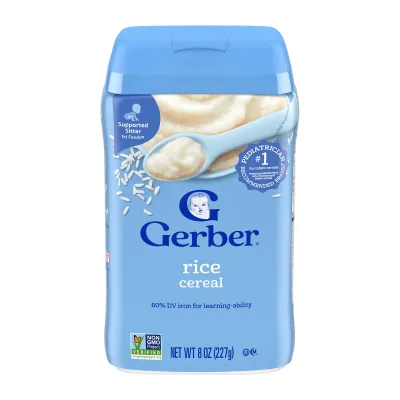
![Gerber Organic Oatmeal Baby Cereal 227G - From 6 Months [Lids may vary]](https://img.lazcdn.com/g/p/3fb85d6155c54d3f1cad64e6bb90279b.jpg_400x400q80.jpg_.webp)
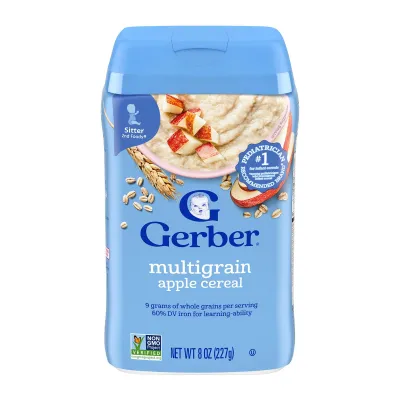
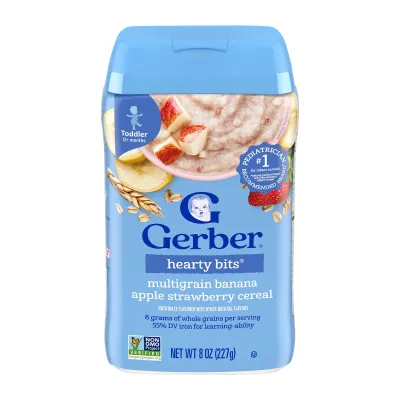
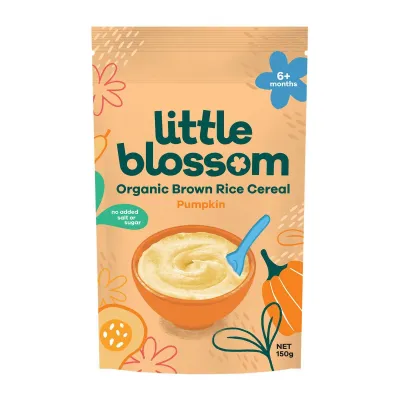
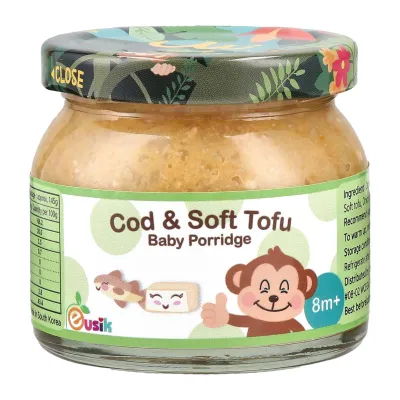
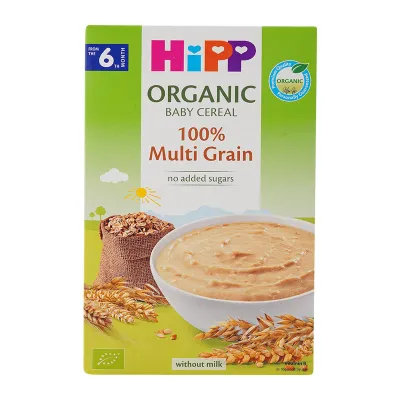
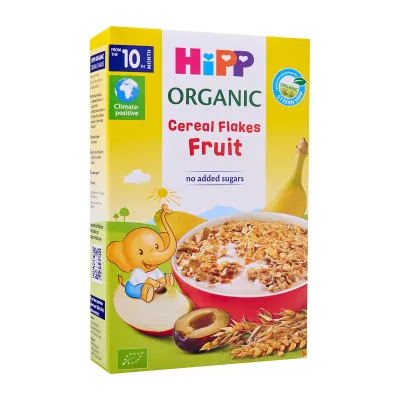
Prices are valid at publication and may change. Please refer to the product page for the latest price.
Iron Fortification
Iron is a critical nutrient for your baby’s brain development and overall growth. Around the six-month mark, the iron stores that babies are born with start to run low, and breast milk alone cannot fully meet their daily iron requirements. This is why healthcare professionals in Singapore generally recommend choosing an iron-fortified baby cereal as one of the first solid foods. When browsing the aisles, look explicitly for the words “iron-fortified” on the packaging and verify the exact iron content in the nutrition facts table, as natural, unfortified grains do not contain enough bioavailable iron for a growing infant.
Single-Grain vs. Multi-Grain
For a baby’s very first taste of cereal, single-grain options are highly recommended over complex multi-grain blends. Starting with a single grain, such as plain rice, oat, or barley, allows you to isolate potential food allergies or intolerances. If your baby experiences an adverse reaction, such as a rash or digestive upset, it is much easier to identify the culprit when they have only consumed one type of grain. Once your baby has safely tolerated several individual grains, you can gradually introduce multi-grain mixtures.
No Added Sugar or Salt
A baby’s palate is highly adaptable, and they do not need added sugars or sodium to enjoy their food. Many commercial products contain hidden sweeteners or flavor enhancers that can program a child’s preference for sweet foods early in life. When evaluating a baby cereal, read the ingredient list carefully. Avoid products that list added sugars, sucrose, maltodextrin, fruit juice concentrates, or salt, aiming instead for pure grains with minimal processing.
Texture and Mixability
A beginner’s cereal must dissolve easily into a completely smooth, lump-free consistency. Babies who are just transitioning from a liquid diet of milk to semi-solids are still learning how to coordinate their tongue movements and swallow safely. A cereal that clumps or remains gritty can cause gagging or distress during feeding. High-quality starter cereals are finely milled to ensure they mix seamlessly with warm water, expressed breast milk, or prepared infant formula to create a very thin, runny puree.
Trusted Baby Cereal Brands Available in Singapore for Beginners
When shopping for baby cereal in Singapore, you will find a mix of globally recognized brands and specialized organic labels. These products are widely distributed across local supermarkets, health and beauty retailers like Guardian and Watsons, and various online marketplaces. While these brands generally adhere to strict food safety standards, formulations can vary by batch, region, and manufacturing facility.

It is important to remember that “trust” in a brand does not replace the need for active label reading. Manufacturers frequently update their ingredients, allergen warnings, and fortification levels. Always check the specific box in your hands to ensure it meets your baby’s developmental stage and dietary requirements before purchasing.
Nestlé CERELAC: Widely Available Iron-Fortified Options
Nestlé CERELAC is perhaps the most widely recognized and accessible baby cereal brand in Singapore. You can easily find it on the shelves of almost every neighborhood supermarket, from giant hypermarkets to smaller convenience stores. This brand is well-known for its highly soluble texture and robust iron fortification, making it a convenient choice for many busy parents.
However, because the CERELAC range is extensive, not every product in their lineup is suitable for a complete beginner. Many of their variants contain added milk solids, fruits, or multiple grains designed for older infants. For your baby’s very first feeds, you must carefully select their specific single-grain, dairy-free, and no-added-sugar options, such as the plain brown rice or single-grain rice variants.
Always inspect the packaging of the specific box you intend to buy. Check the nutrition information panel to verify the exact iron content per serving and read the allergen statements carefully. Some variants may be processed on lines that handle gluten, milk, or soy, which is a crucial consideration if your baby has a known family history of food allergies or sensitivities.
Rafferty's Garden: Simple Ingredients and Texture Choices
Rafferty’s Garden is an Australian brand that has gained significant popularity among Singaporean parents who prefer a clean, straightforward approach to baby food. Known for its simple ingredient lists, this brand focuses on delivering natural flavors without unnecessary additives. Their cereals are finely milled, producing a smooth, consistent texture that is highly manageable for infants who are just starting their weaning journey.
When choosing Rafferty’s Garden for a beginner, look for their plain, single-grain options, such as their organic baby oatmeal or plain rice cereal. Avoid the variants that come pre-mixed with banana, apple, or other fruit purees for the initial introduction phase, as you want to establish tolerance to the grain itself first.
A key step when purchasing Rafferty’s Garden is to verify the iron fortification status on the specific box. Because some of their product lines emphasize organic or minimal processing, the level of added iron can vary between different formulations. Ensure that the specific product you select explicitly states it is fortified with iron to meet your baby’s nutritional needs.
Bellamy's Organic: Organic Options and Fortification Checks
For parents who prioritize organic ingredients, Bellamy’s Organic is a prominent brand readily available in Singapore’s premium supermarkets, organic specialty stores, and major online pharmacies. Certified organic by reputable bodies, this Australian brand offers peace of mind to those wishing to minimize their baby’s exposure to synthetic pesticides and genetically modified ingredients.
While organic certification guarantees certain farming and processing standards, it does not automatically ensure complete nutritional adequacy for a weaning infant. Some organic brands choose to maintain a “whole food” profile and may omit synthetic iron fortification. Therefore, it is absolutely critical to check the nutrition label of Bellamy’s Organic cereals to confirm they contain added iron.
If you choose an unfortified organic cereal, you will need to ensure your baby receives sufficient iron from other dietary sources, such as pureed meats or iron-rich vegetables, under the guidance of a pediatrician. Always match the product’s age recommendations with your baby’s physical readiness to swallow semi-solids safely.
Holle: European Organic Standards in Specialty Stores
Holle is a premium Swiss brand that adheres to exceptionally strict European organic standards, including Demeter biodynamic certification. In Singapore, Holle products are typically found in specialized baby boutiques, organic grocers, and high-end online baby stores. This brand is favored by parents who seek the highest level of agricultural purity for their infant’s food.
Because Holle is formulated according to European dietary guidelines, their preparation instructions and nutritional philosophies can differ slightly from mainstream Anglo-American brands. Some Holle grain cereals are designed to be highly versatile, allowing parents to mix them with breast milk, infant formula, or even water paired with a small amount of high-quality vegetable oil. The addition of a healthy fat is often recommended in European weaning guidelines to aid the absorption of fat-soluble vitamins.
When buying Holle, always read the localized English label carefully. Verify the iron content, as some European formulations rely on the natural iron present in whole grains rather than heavy fortification. Ensure the grain type and preparation method align with your pediatrician’s recommendations for your baby’s specific developmental stage and nutritional needs.
How to Prepare and Serve Cereal Safely
Preparing and serving baby cereal safely requires strict adherence to hygiene, correct measurements, and close supervision. Introducing solids is not just about nutrition; it is also a critical learning phase for your baby’s oral motor skills. Establishing safe habits from the very first spoonful helps prevent digestive discomfort and serious hazards like choking.
Preparation Rules
Always follow the exact preparation instructions and water-to-cereal ratios printed on the manufacturer’s packaging. Do not guess the measurements, as a mixture that is too thick can cause constipation or swallowing difficulties, while a mixture that is too thin may not provide adequate calories. Unless the product label explicitly states otherwise, you can mix the dry cereal with warm water, expressed breast milk, or your baby’s usual prepared infant formula. Never use cow’s milk as a mixing liquid for infants under twelve months of age.
The 3-to-5 Day Rule
When introducing a new baby cereal or any other solid food, practice the three-to-five-day rule. Serve only one new single-grain cereal at a time, and wait at least three to five days before introducing another new food. During this window, do not introduce any other new ingredients. This deliberate pace allows you to monitor your baby closely for any delayed allergic reactions or digestive sensitivities, making it simple to identify exactly which food caused a reaction if one occurs.
Safe Feeding Posture
Your baby must always be fed in an upright, fully supported seated position, preferably in a sturdy high chair with a proper safety harness. Never feed your baby cereal while they are reclining, lying down, or strapped into a car seat, as these positions significantly increase the risk of choking. Furthermore, never put baby cereal into a bottle. Feeding cereal through a bottle is a severe choking hazard, can lead to overfeeding, and deprives your baby of the opportunity to learn how to eat from a spoon and develop essential oral motor coordination.
Safety Boundaries and When to Stop
Caregiver supervision is mandatory during every feed. Stop feeding immediately and seek medical attention if your baby shows signs of a severe allergic reaction, such as hives, swelling of the face, lips, or tongue, vomiting, coughing, wheezing, or difficulty breathing. You should also pause the feed if your baby displays persistent signs of distress, severe gagging that does not resolve, or consistent refusal to eat. If you encounter ongoing feeding difficulties, consult your pediatrician or a qualified pediatric dietitian for personalized guidance.
The Supermarket Label Checklist: What to Verify Before Buying
When you are standing in the baby food aisle, the colorful packaging and marketing claims on the front of the box can be distracting. To make the best choice for your baby, turn the box over and use this practical checklist to evaluate the actual contents:
- Iron Status: Verify that the product is explicitly labeled as "Iron-Fortified" or check the nutrition information panel to confirm the presence and amount of iron per serving.
- Ingredient Order: Check the ingredient list. The very first ingredient listed should be the grain itself (e.g., organic whole grain oat flour, brown rice flour). Ingredients are listed in descending order by weight, so the grain should dominate the formula.
- Hidden Additives: Scan the ingredient list for added sugars (such as sucrose, maltodextrin, corn syrup, or fruit juice concentrate) and salt. A beginner's cereal should ideally contain only the grain, vitamins, and minerals.
- Allergen Statements: Read the allergy warning section carefully. Look for "Contains" or "May Contain" statements regarding common allergens like wheat, gluten, milk, soy, or nuts, especially if your family has a history of food allergies.
- Age and Stage Grading: Confirm that the packaging indicates suitability for your baby's current age and developmental stage (typically marked as "6 months+" or "Stage 1" for beginners).
Frequently Asked Questions (FAQ)
Can I make my own baby cereal at home instead of buying commercial brands?
While you can easily blend cooked grains like oats or brown rice at home to make a smooth puree, homemade cereals lack the precise iron fortification found in commercial baby cereals. Because a baby’s iron needs are exceptionally high relative to their small stomach capacity, relying solely on unfortified homemade grains can increase the risk of iron deficiency anemia. If you prefer to make your own baby food at home, it is highly recommended to consult a pediatrician or a registered pediatric dietitian first to ensure your baby receives adequate iron and other essential micronutrients from alternative dietary sources.
Is rice cereal safe regarding arsenic levels?
Naturally occurring inorganic arsenic is absorbed by rice crops from the soil and water more readily than other grains. While international and local food safety authorities monitor these levels, it is wise for parents not to rely exclusively on rice cereal as their baby’s sole solid food. Once your baby has successfully tolerated single-grain rice cereal, introduce variety by rotating it with other iron-fortified grains such as oat, barley, or spelt. Following a varied diet minimizes potential exposure to any single environmental contaminant while expanding your baby’s palate.
When should I transition from single-grain to mixed-grain cereals?
The transition from single-grain to mixed-grain cereals typically occurs after your baby has successfully tolerated several individual grains (such as rice, oat, and barley) for several days each without any signs of allergic reactions or digestive issues. This milestone is usually reached a few weeks to a month after starting solids. When you do introduce a mixed-grain cereal, ensure that all the grains included in the blend have been previously tested individually, or monitor your baby closely for any new reactions, and always consult your pediatrician for personalized feeding advice.
Community discussion
Share your experience or ask a question. Comments are reviewed before publication.