
In Singapore, securing your child in a certified child restraint is not just a matter of parental peace of mind—it is a strict legal requirement. Under the Road Traffic Act, anyone under 1.35 metres in height must be secured using an approved child restraint appropriate for their height and weight when travelling in a passenger vehicle. When shopping for a car seat for baby, navigating the technical jargon on safety labels can feel overwhelming. The most widely recognized and readily available safety certifications in Singapore are the European standards: UN ECE R44/04 (weight-based) and UN R129 / i-Size (height-based). Other international standards, such as the American FMVSS 213 and the Australian AS/NZS 1754, are also legally accepted but require careful verification of compatibility with your vehicle.
These certifications serve as verifiable proof that a car seat has undergone rigorous crash testing, structural evaluations, and materials safety checks. Without these certified labels, a seat is simply an untested piece of plastic and fabric. While a non-certified seat might look padded, sturdy, or visually appealing on an online marketplace, it lacks the engineered crashworthiness required to absorb impact forces and protect your baby’s fragile head, neck, and spine during a collision. Investing in a certified seat ensures that the product has been engineered to withstand extreme dynamic forces and perform exactly when needed.
Why Car Seat Certifications Matter in Singapore
The legal framework in Singapore is designed to protect young passengers from the severe forces of a vehicular collision. The Traffic Police mandate that child restraints must meet recognized international standards to be considered legally compliant. This law exists because standard vehicle seat belts are designed for adult bodies; they do not route safely across a child’s smaller skeletal frame. In a sudden stop or crash, an improperly restrained child can suffer severe abdominal or neck injuries from the seat belt itself, or worse, be ejected from the seat.
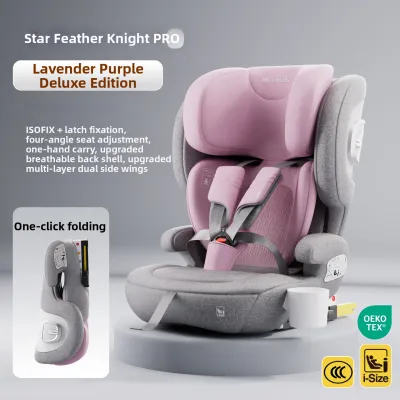
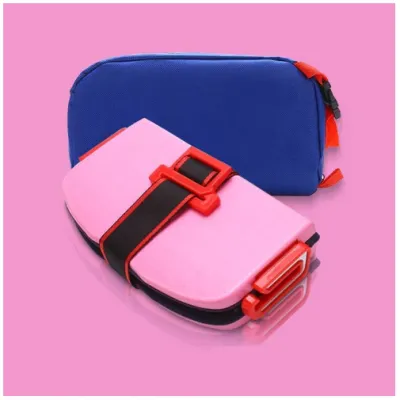
Products mentioned in this guide
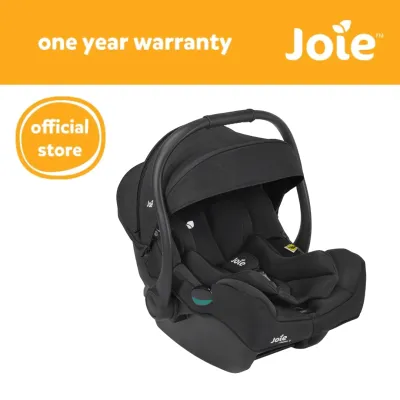
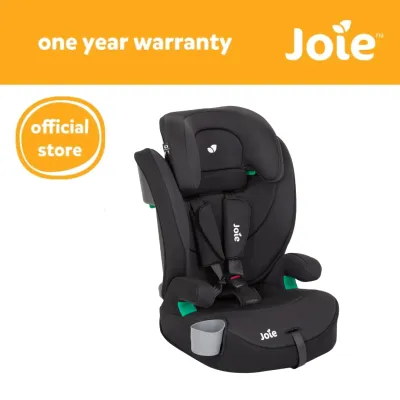
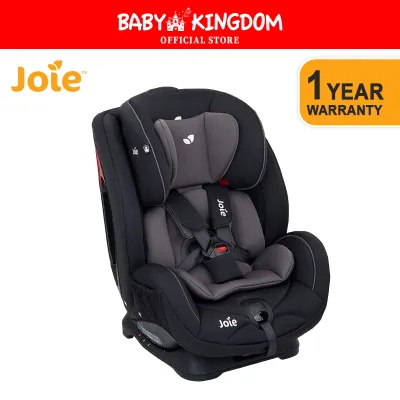
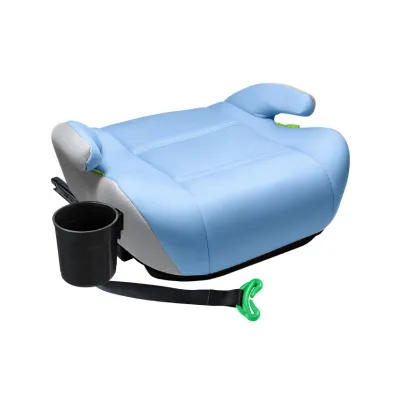
![[SG] Foldable Child Safety Car Booster Seat Compact Travel Portable Baby Seat Blue Pink For 3-13 yrs](https://img.lazcdn.com/g/p/e4b0a56c751e7aef08c3a5f6c2dbb9e1.jpg_400x400q80.jpg_.webp)
Prices are valid at publication and may change. Please refer to the product page for the latest price.
Safety certifications guarantee that a car seat has passed comprehensive dynamic testing. During these evaluations, crash-test dummies equipped with highly sensitive sensors measure the forces exerted on the head, neck, and chest during simulated frontal and rear impacts. The tests also verify the structural integrity of the plastic shell, the strength of the harness straps, the reliability of the buckle release mechanism under tension, and the flammability of the fabrics.
Using an uncertified, unbranded, or counterfeit car seat carries catastrophic risks. These products are often manufactured with cheap, brittle plastics that can shatter upon impact, creating sharp shards. Their harness buckles may fail to hold under stress, or conversely, jam during an emergency evacuation. Furthermore, uncertified materials may contain high levels of toxic flame retardants or heavy metals that pose long-term health risks to your baby. A certified label is your only guarantee that the seat has been independently audited and proven to meet baseline safety thresholds.
Key Safety Standards to Look for on the Label
When browsing options in Singapore’s baby gear shops, you will primarily encounter European safety standards. These are widely regarded as some of the most stringent in the world and are highly compatible with the vehicle configurations commonly found on Singapore roads. Understanding how to read and compare these standards will help you make an informed decision for your family.

UN ECE R44/04 (Weight-Based Standard)
The UN ECE R44/04 standard classifies car seats based on the child’s weight rather than their height or age. This older but highly reliable standard divides seats into specific “Groups” (such as Group 0+ for infants up to 13 kg, and Group 1 for toddlers from 9 to 18 kg). When inspecting an R44/04 seat, you will find a distinct orange sticker containing the approval class, the weight range, and an “E” mark inside a circle, which indicates the European country that granted the certification.
While ECE R44/04 car seats remain legally recognized and safe to use in Singapore, you should be aware of global regulatory shifts. Many international markets, including the European Union, have phased out the sale of new R44/04 seats to encourage the adoption of the more advanced R129 standard. If you currently own or plan to purchase a brand-new ECE R44/04 seat from an authorized distributor in Singapore, it is still legally compliant and safe, provided it is within its manufacturer-specified lifespan and has never been involved in an accident.
UN R129 / i-Size (Height-Based Standard)
The UN R129 standard, often referred to as i-Size, is the modern gold standard for car seat safety. Unlike the older weight-based system, R129 classifies seats based on the child’s height in centimetres. This shift makes it much easier for parents to determine when a child has outgrown their seat, reducing the common mistake of transitioning a baby to a forward-facing seat too early.
The i-Size standard introduces several critical safety upgrades that represent a major leap forward in child protection:
- Mandatory Side-Impact Testing: Unlike R44/04, which only tests frontal and rear impacts, R129 requires rigorous testing for side-impact collisions, which account for a significant portion of severe road injuries.
- Extended Rear-Facing: Under R129, children must remain in a rear-facing position until they are at least 15 months old and 76 cm tall. Rear-facing travel supports the baby's head and distributes crash forces along the back of the seat, protecting the delicate neck and spine.
- Advanced Crash Dummies: Testing utilizes "Q-dummies" equipped with advanced sensors that more accurately simulate a real child's body response during a crash.
- ISOFIX Integration: i-Size heavily promotes the use of ISOFIX anchorage points rather than vehicle seat belts, significantly reducing the risk of incorrect installation.
Other International Standards (US and Australian)
While European standards dominate the local market, you may also encounter seats certified under the United States standard (FMVSS 213) or the Australian/New Zealand standard (AS/NZS 1754). These standards are highly rigorous but use different testing methodologies and installation systems. For instance, US seats often feature a chest clip on the harness and utilize the LATCH system, while Australian seats frequently require a top tether strap for all configurations.
If you are considering an imported car seat with US or Australian certification, you must verify its compatibility with your specific vehicle. Not all cars in Singapore are equipped with top tether anchors or the specific seat belt locking mechanisms required by these non-European models. Always consult the vehicle manufacturer’s manual and check local Traffic Police guidelines to ensure the imported standard is fully compliant and can be safely installed in your car before finalizing your purchase.
How to Verify Authenticity and Compliance Before Buying
Identifying a safe car seat goes beyond reading product descriptions online. Because counterfeit or substandard seats occasionally find their way onto online marketplaces, parents must know how to physically verify a seat’s legitimacy.
To ensure the seat you are purchasing is genuine and legally compliant, follow these verification steps:
- Locate the Orange Approval Label: Every certified car seat must have a physical, high-contrast orange label permanently attached to its shell or sewn into the fabric. This label must display the regulation number (e.g., ECE R44/04 or UN R129), the approved height or weight range, and the "E" mark circle containing a country code (such as E1 for Germany or E4 for the Netherlands).
- Check the Lifespan and Production Date: Plastic degrades over time, especially when exposed to Singapore's high humidity and intense cabin heat. Inspect the plastic shell of the seat for a molded "date clock" or a sticker indicating the manufacture date. Most manufacturers specify a lifespan of 6 to 10 years from the date of manufacture or first use. Never use a seat that has passed its expiration date.
- Buy from Authorized Retailers: Purchase your car seat exclusively from official brand stores, authorized local distributors, or reputable physical baby specialty retailers in Singapore. These establishments source directly from manufacturers and can provide genuine warranty support and installation guidance.
- Avoid Second-Hand Risks: Buying a pre-loved seat is highly discouraged unless you know the seat's complete history from a trusted close friend or family member. A car seat that has been in even a minor collision may have invisible micro-fractures in its plastic frame or internal webbing. These structural compromises are impossible to detect visually but will prevent the seat from protecting your baby in a future crash.
Critical Safety Boundaries Beyond the Certification Label
A safety certification is only effective if the car seat is installed and used correctly. Even the highest-rated i-Size seat cannot protect your baby if the harness is loose or the seat is incorrectly anchored to the vehicle.
To maximize your child’s safety on Singapore roads, always adhere to these critical operational boundaries:
- Consult the Manuals: Before installation, carefully read both your car seat's instruction manual and your vehicle's owner manual. If there is any conflict between the two, or if you are unsure about compatibility, stop and contact the car seat manufacturer or a certified child passenger safety technician for professional guidance.
- Perform the Pinch Test: When securing your baby, the harness straps must be snug. You should not be able to pinch any slack in the webbing at the baby's collarbone. Ensure the harness is adjusted to the correct height: at or just below the shoulders for rear-facing, and at or just above the shoulders for forward-facing.
- Keep Rear-Facing as Long as Possible: Do not rush to turn your child forward-facing. Even if your seat allows forward-facing at a certain weight or age, keeping your child rear-facing until they reach the maximum height or weight limit of the seat offers the best protection for their developing head and neck.
- Know the Stop-Use Triggers: You must immediately retire and replace a car seat if it has been involved in a moderate-to-severe vehicle collision, regardless of whether your baby was in the seat at the time. Additionally, stop using the seat if you observe any visible cracks in the plastic shell, stress marks (white lines in the plastic), frayed harness webbing, or malfunctioning buckle mechanisms.
Frequently Asked Questions (FAQ)
Is it legal to use a car seat without an ECE or i-Size label in Singapore?
No, it is not legally compliant to use a child restraint that lacks a recognized safety standard label. The Singapore Traffic Police recognize specific international standards, including UN ECE R44/04, UN R129, FMVSS 213, and AS/NZS 1754. Using a car seat that does not bear one of these official, verifiable certification marks is a violation of local traffic laws and, more importantly, poses an extreme safety risk to your baby in the event of an accident.
Do I need to replace my ECE R44/04 car seat with an i-Size model?
You do not need to replace your current ECE R44/04 seat immediately, provided it is undamaged, has not expired, and still fits your child’s weight and height correctly. This standard remains legally accepted and safe to use in Singapore. However, if you are purchasing a new car seat, opting for a newer UN R129 (i-Size) model is highly recommended, as it offers superior side-impact protection, is easier to install correctly, and aligns with the latest global safety advancements.
Community discussion
Share your experience or ask a question. Comments are reviewed before publication.