
In Singapore, ensuring your child’s safety during vehicle travel is both a critical parental responsibility and a legal requirement. The Land Transport Authority (LTA) and the Traffic Police enforce strict regulations regarding child restraints to minimize the risk of injury in the event of a collision. Under local laws, any passenger under 1.35 metres in height must be properly secured using an approved child restraint appropriate for their height and weight. Rather than relying on brand reputation alone, parents must learn how to identify and verify the specific safety certifications that make a car seat legal and safe for use on Singapore’s roads. This guide provides a comprehensive overview of the recognized safety standards, verification methods, and selection frameworks to help you choose a compliant and secure baby car seat for your family.
Understanding Car Seat Safety Standards Recognized in Singapore
To navigate the market effectively, you must understand the international safety standards recognized by Singapore’s authorities. The LTA does not certify individual car seats itself; instead, it recognizes rigorous testing frameworks established by international regulatory bodies, primarily the European safety regulations.
The older European standard, ECE R44/04, has been a reliable benchmark for decades. This standard categorizes car seats into groups based primarily on the child’s weight (for example, Group 0+ for infants up to 13 kg, and Group 1 for children weighing 9 to 18 kg). While many R44/04 compliant seats remain in use and are legally accepted, this standard is gradually being phased out in favor of more modern testing protocols.
Products mentioned in this guide
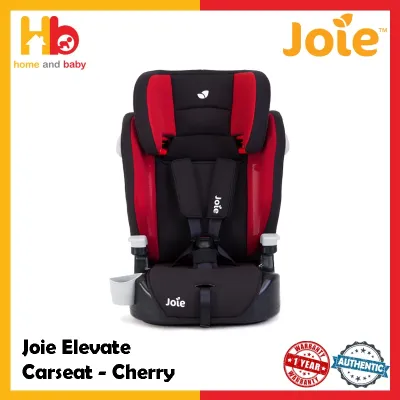
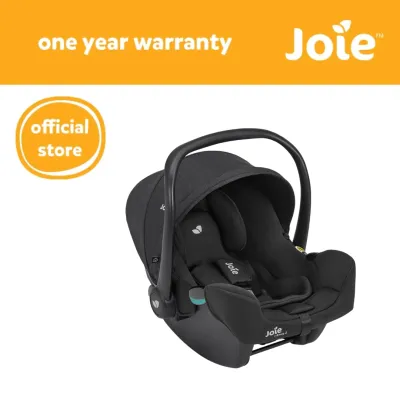
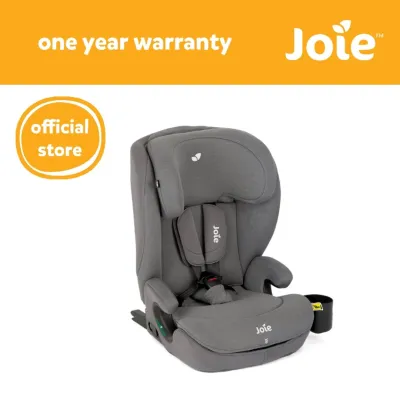
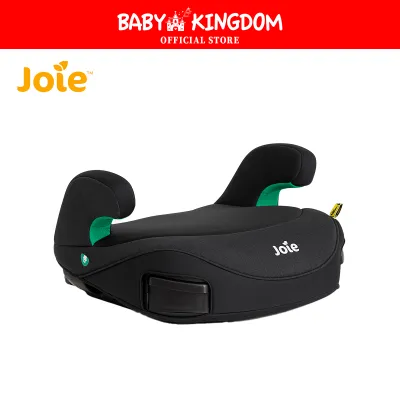
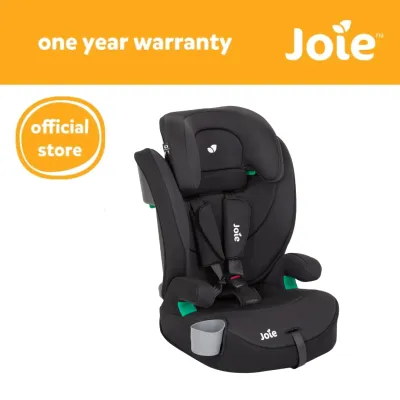
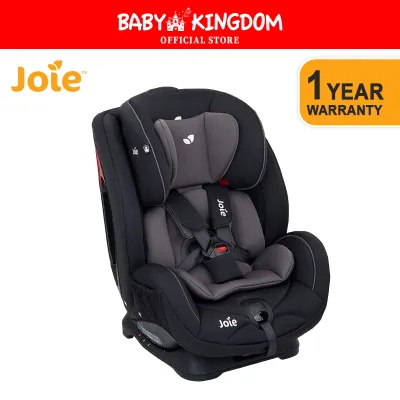
![[SG] Baby Safety Seat Child Car Seat for 0-12yrs 360° swivel and flat with footrest awning for most cars](https://img.lazcdn.com/g/p/1cc0b7987228612929394815f500d81b.jpg_400x400q80.jpg_.webp)
![Easyhome.sg [Child SAFETY] Baby Booster Car Seat Chair – Toddler Safety Travel Carrier for Children](https://img.lazcdn.com/g/p/8cf856890dd672e6f3804f0bc6e8503d.png_400x400q80.png_.webp)
Prices are valid at publication and may change. Please refer to the product page for the latest price.
The newer European standard is ECE R129, commonly known as i-Size. This standard represents a major advancement in child passenger safety. Instead of weight, ECE R129 classifies car seats based on the child’s height, making it easier for parents to determine when a child has outgrown their current seat. Furthermore, i-Size regulations mandate side-impact collision testing—a requirement that was not mandatory under the older R44/04 standard. It also requires children to travel in a rear-facing position until they are at least 15 months old, as rear-facing seats offer significantly better protection for a developing infant’s head, neck, and spine.
In addition to European standards, Singapore also recognizes several other highly respected global certifications. These include the American Federal Motor Vehicle Safety Standard (FMVSS 213), the Australian/New Zealand Standard (AS/NZS 1754), and the Japanese Industrial Standards (JIS). Each of these standards involves rigorous crash testing and quality control measures. When shopping for a baby car seat, you must ensure that the specific model you choose carries a physical certification label from at least one of these recognized bodies. Seats that do not carry these approved marks are not legally compliant for use in Singapore.
How to Verify Brand Compliance and Safety Certifications
With numerous brands available on online marketplaces and in physical retail stores, parents must know how to verify a car seat’s safety claims. A brand’s marketing materials may claim a seat is safety tested, but only a formal certification label guarantees that the product has passed independent, standardized crash tests.

The first step in verification is locating the physical certification label on the car seat itself. For European-certified seats (ECE R44/04 or ECE R129), this label is typically a bright orange sticker permanently affixed to the plastic shell or base of the seat. This label contains crucial information, including the specific standard met (such as ECE R129/03), the height or weight range for which the seat is approved, and an approval code. The label will also feature a circle containing the letter “E” followed by a number (for example, “E1” indicates Germany, “E2” indicates France, and “E4” indicates the Netherlands), which designates the country where the certification testing was conducted.
To protect your child from counterfeit or substandard products, you should cross-reference the certification details. Counterfeit car seats, which often flood online marketplaces under generic or unknown brand names, may feature fake safety labels. You can verify authenticity by checking the unique approval number printed on the orange label. This number can be cross-referenced with the manufacturer’s official user manual or by contacting their customer support. Genuine manufacturers maintain detailed databases of their certified models and can confirm if a specific serial or approval number is legitimate.
Another critical aspect of verification is checking the product’s expiration date. Car seats are constructed primarily of plastic and dense foam, materials that degrade over time when exposed to heat, sunlight, and fluctuating temperatures. In Singapore’s tropical climate, the interior of a parked car can reach extremely high temperatures, accelerating this degradation process. Most manufacturers specify a lifespan for their car seats—typically between six to ten years from the date of manufacture. You can usually find the manufacture date stamped directly into the plastic shell of the seat, often represented by a clock-like dial or a simple date stamp. Always verify this date and consult the manufacturer’s guidelines to ensure the seat is still within its safe operational lifespan.
Comparing Car Seat Types by Safety and Compliance Requirements
Car seats are engineered to protect children at specific stages of physical development. Understanding how safety regulations apply to infant carriers, convertible seats, and booster seats will help you make a safer choice as your child grows.
Infant carriers are designed specifically for newborns and young babies, typically up to a height of 75 cm or 83 cm (depending on the model) under i-Size regulations. These seats must always be installed in a rear-facing position. The physical design of an infant carrier cradles the baby’s head and torso, ensuring that in a frontal collision, the impact forces are distributed evenly across the strong back of the seat rather than being concentrated on the baby’s fragile neck and spine. Under the newer ECE R129 standard, keeping infants rear-facing until at least 15 months is a strict requirement, though keeping them rear-facing even longer is highly recommended for optimal protection.
Convertible car seats offer greater versatility, transitioning from a rear-facing seat for infants to a forward-facing seat for older toddlers. When using a convertible seat, caregivers must strictly adhere to the manufacturer’s height and weight thresholds before converting the seat to forward-facing. These seats feature an integrated five-point harness system, which secures the child at the shoulders, hips, and between the legs. For a secure fit, the harness straps must be adjusted correctly: when rear-facing, the straps should emerge from the seat back at or slightly below the child’s shoulders; when forward-facing, they should emerge at or slightly above the shoulders. Caregivers should perform the “pinch test” on the harness webbing at the collarbone to ensure there is no slack.
Booster seats are the final stage of child passenger restraints, designed for children who have outgrown their convertible seats but are still under the legal height limit of 1.35 metres. Booster seats do not have an integrated harness; instead, they elevate the child so that the vehicle’s standard three-point seatbelt fits correctly across their body. The lap belt must sit low across the child’s hips and pelvis, never across the soft abdomen, while the shoulder belt must cross the center of the chest and shoulder, avoiding the neck and face. High-back booster seats are generally preferred over backless boosters because they provide built-in side-impact protection and guide the shoulder belt more reliably into the correct position.
Decision Framework: Selecting a Certified Car Seat for Your Child
Choosing the right car seat involves matching your child’s physical measurements with your vehicle’s installation capabilities and your daily lifestyle. To simplify this decision, you can follow this structured framework:
First, assess your child’s current stage and your daily routine. If you are preparing for a newborn and expect to transition frequently between your personal vehicle, strollers, and indoor spaces, an infant carrier is highly practical. However, if you prefer a single product that covers multiple developmental stages, a convertible car seat is a highly efficient choice, provided you keep it in the rear-facing position for the first 15 months or longer. Once your child outgrows the convertible seat’s harness but remains under 1.35 metres, transition them to a high-back booster seat to ensure the vehicle’s seatbelt is positioned safely.
Second, verify your vehicle’s compatibility. Not every certified car seat fits securely in every car model. You must check whether your vehicle is equipped with ISOFIX anchor points, which are dedicated metal bars built into the vehicle’s seat bight designed for quick and secure car seat installation. If your vehicle does not have ISOFIX, or if you frequently travel in older cars, you must select a car seat that is certified for installation using a standard three-point vehicle seatbelt. Always consult the car seat manufacturer’s vehicle fit guide or compatibility list to confirm that the specific seat model can be installed tightly and securely in your car. A car seat is only effective if it is installed with zero play or movement.
Frequently Asked Questions (FAQ)
Are second-hand baby car seats safe to use in Singapore?
Using a second-hand baby car seat is generally not recommended due to several hidden safety risks. The primary concern is that you cannot verify the seat’s complete history; a car seat that has been involved in even a minor collision may have sustained internal structural damage, such as hairline fractures in the plastic shell or stretched webbing, which compromises its ability to protect a child in a future crash. Furthermore, second-hand seats may have expired, be missing critical components like the user manual, or have been washed using harsh chemicals that degrade the harness straps. If you must use a second-hand seat, ensure it comes from a trusted source who can guarantee its history, verify that it has never been in an accident, and confirm that it is well within its manufacturer-specified lifespan.
Do I need a car seat for a taxi or private hire car in Singapore?
In Singapore, the legal requirements for child restraints differ significantly between taxis and private hire cars. Under Land Transport Authority (LTA) regulations, public taxis are legally exempt from the child restraint requirement because they are classified as public service vehicles. However, while legally exempt, holding a child in your lap in a taxi is highly unsafe, as the forces of a sudden stop or crash can make it impossible to hold onto the child. In contrast, private hire cars (such as those booked via ride-hailing apps) are not exempt. Any child under 1.35 metres travelling in a private hire car must be secured in an appropriate child restraint or booster seat. For parents who rely on ride-hailing services, investing in a lightweight, certified portable travel car seat is highly recommended to ensure both legal compliance and safety.
Community discussion
Share your experience or ask a question. Comments are reviewed before publication.