
Finding a compatible baby car mirror depends on matching the physical architecture of your car seat and vehicle headrest rather than searching for matching brand names. Because car seats vary widely in shell design, headrest mobility, and fabric texture, a mirror that fits one model perfectly may fail completely on another. The goal is to establish a secure, vibration-resistant view of your rear-facing child without compromising the structural integrity or safety features of the car seat.
Before purchasing any aftermarket accessory, it is essential to understand how your specific car seat is constructed. By identifying key structural features, you can narrow down the mounting mechanisms—such as headrest straps, suction cups, or clip-ons—that will actually work in your vehicle.
Identify Your Car Seat's Structural Features
To determine which mirror mounts are physically possible, start by examining the headrest design of your car seat. Some models feature adjustable headrests supported by exposed metal posts, which provide clear gaps for routing straps. Other models utilize a fixed, integrated headrest that is part of a continuous plastic shell, offering no open gaps for traditional strap attachment.
Products mentioned in this guide
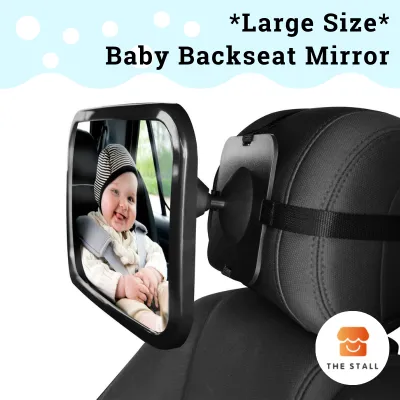
![[LocalStock] Baby Rear View Mirror Back Car Seat Mirror Adjustable Car Baby Kids Monitor Mirror Kids Safety](https://img.lazcdn.com/g/p/9816e54598950e0b760b90530d3fde56.jpg_400x400q80.jpg_.webp)
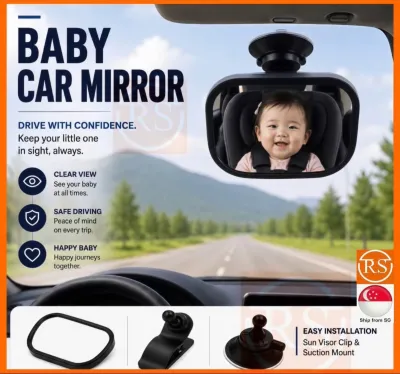
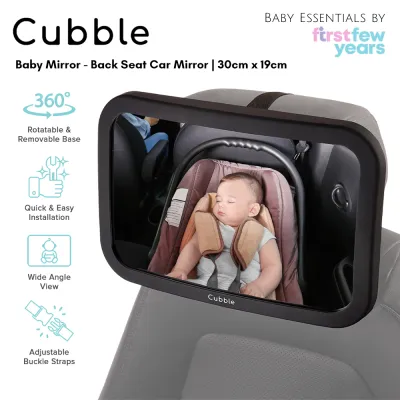
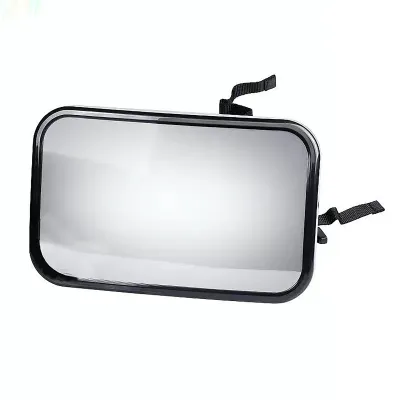

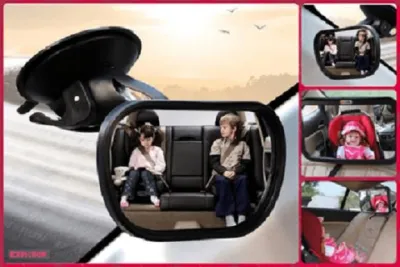
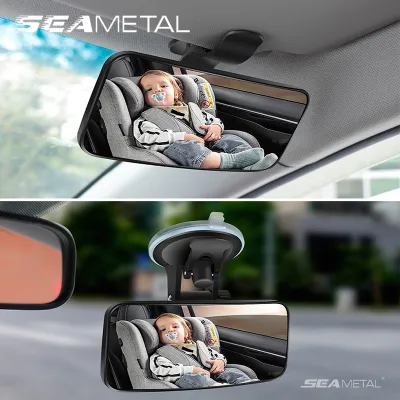
Prices are valid at publication and may change. Please refer to the product page for the latest price.
Next, evaluate the rear surface of the car seat shell. A smooth, flat, non-porous plastic surface can support suction-based mounts, whereas contoured, textured, or fabric-covered regions will prevent a vacuum seal from forming. If the back of the seat is heavily padded or covered in loose fabric, strap-based mounts that wrap around the entire seat body may slide or compress the padding over time.
Finally, look for physical barriers or manufacturer warnings on the seat itself. Some car seats feature integrated side-impact protection wings, canopy attachment points, or complex harness routing paths on the rear shell. These features can physically block straps or brackets, making certain aftermarket mirrors impossible to mount safely without interfering with the seat’s primary functions.
Match Mirror Attachment Types to Car Seat Designs
Once you have identified your car seat’s structural features, you can match them to the appropriate mirror mounting mechanism. Headrest-strap mirrors are highly compatible with car seats or vehicle seats that feature adjustable headrests with exposed metal posts. The straps loop vertically and horizontally around the headrest, securing a rigid base plate that keeps the mirror stable even on bumpy roads.

Suction cup mirrors offer an alternative for seats with smooth, flat, non-porous plastic shells. However, environmental factors play a significant role in their reliability. In Singapore’s humid climate, high cabin temperatures in parked vehicles can cause the air inside the suction cup to expand, potentially weakening the vacuum seal over time. If you choose a suction mount, the mounting surface must be cleaned thoroughly, and the seal should be checked before every journey.
Clip-on or wrap-around strap mirrors are designed for fixed, contoured shells that lack exposed headrest posts. These mirrors use spring-loaded clips to grip the edges of the plastic shell or flexible straps that wrap around the upper portion of the seat. When using this style, you must verify that the straps do not cross, compress, or alter the path of the safety harness or its chest clip.
Some car seat designs may not accommodate any standard mirror mount. If your car seat has a highly contoured, heavily padded, or mesh-backed design, straps may fail to tighten securely, and suction cups will not adhere. In these cases, attempting to force a fit can result in a loose mirror that poses a safety hazard.
Always check your car seat’s instruction manual before installation. Many manufacturers explicitly prohibit attaching any aftermarket accessories directly to the seat shell, headrest, or the vehicle headrest directly above the car seat. If your manual contains such a restriction, you must follow those instructions to ensure the seat performs as intended during a sudden stop.
Step-by-Step Compatibility and Positioning Check
After selecting a mirror type, perform a systematic compatibility and positioning check to ensure a clear view and a secure installation.
First, sit in the driver’s seat and adjust your rearview mirror. Verify that the baby car mirror does not obstruct your view through the rear window or create a new blind spot in your peripheral vision. The mirror should assist your supervision, not hinder your view of the road.
Second, adjust the angle of the baby mirror to capture your child’s face clearly. This check must be performed with the car seat in its actual installed position. If you have an infant car seat, test the view when the seat is fully reclined. For convertible seats, check the view in both reclined and upright positions to ensure the mirror’s adjustment joint has enough range of motion.
Third, test the physical security of the mount. Apply gentle pressure to the mirror frame and shake it slightly to simulate vehicle vibrations, road bumps, and sudden braking forces. If the mirror shifts, slides down the headrest, or loses its suction seal during this manual test, the mounting method is insecure and must be adjusted or replaced.
Fourth, confirm that the mirror’s placement does not restrict the natural movement of the car seat. Rear-facing car seats are designed to move and rebound slightly during a collision to absorb impact forces. Ensure that no rigid parts of the mirror or its mounting bracket can collide with the car seat shell in a way that might damage the seat or injure the child.
Safety Boundaries and Installation Stop-Conditions
Maintaining strict safety boundaries is critical when installing any accessory near a child’s car seat. You must stop the installation immediately if certain conditions are met.
Stop the installation if any part of the mirror, its straps, or its mounting hardware touches or interferes with the car seat’s internal harness, buckles, or side-impact protection wings. The harness must remain completely free of external pressure or routing alterations to function correctly in an emergency.
Never mount a mirror in a location that blocks side curtain airbags or sits within the direct deployment path of any vehicle airbag. Consult your vehicle owner’s manual to identify the exact locations of all airbags and their deployment zones before choosing a mounting spot.
Ensure the mirror is constructed from lightweight, shatterproof plastic rather than glass. The mounting system must be robust enough to prevent the mirror from detaching and becoming a projectile during a sudden stop. If the mirror feels heavy or uses flimsy plastic clips that bend easily, do not use it.
If you are unsure about the safety of your installation, or if the mirror’s mounting instructions conflict with your car seat manual, do not compromise. Consult a certified child passenger safety technician or contact the car seat manufacturer directly to verify compatibility before driving with your child.
Frequently Asked Questions (FAQ)
Can I attach a baby car mirror directly to the vehicle's rear window?
While attaching a suction-cup mirror to the rear window is physically possible, it carries distinct safety and practical risks. In hot, humid climates, intense sunlight can degrade suction cups rapidly, increasing the risk of the mirror detaching and becoming a loose projectile during a sudden stop. Additionally, the high back shell of most rear-facing car seats will block the line of sight, making it difficult to achieve a clear view of your baby’s face from the rear window. Securing the mirror to a stable vehicle headrest is generally a more reliable option.
Do baby car mirrors interfere with the car seat's safety harness?
A baby car mirror must never interfere with the car seat’s safety harness. When routing straps for a headrest or shell-mounted mirror, ensure they do not cross, touch, or compress the harness webbing, buckles, or chest clips. The harness must remain completely clear of any external hardware to ensure it can tighten properly and protect your child. Additionally, verify that no mounting brackets or clips press against the back of the car seat shell in a way that alters the internal tension of the harness or creates uncomfortable pressure points for your baby.

Community discussion
Share your experience or ask a question. Comments are reviewed before publication.