
Deciding whether to invest in an automatic formula maker comes down to balancing convenience against the daily realities of maintenance, formula compatibility, and your household’s feeding schedule. While the Baby Brezza Formula Pro is a popular choice among parents looking to simplify late-night feeds, it is not the only option available. Choosing the right system requires a careful look at how different machines handle powder dispensing, their compatibility with your preferred formula brand, and the physical space they occupy in your kitchen. By evaluating these factors alongside your budget and routine, you can determine whether a fully automated dispenser, a semi-automatic aid, or a manual preparation method is the safest and most practical choice for your family.
Assessing Your Feeding Routine and Needs
To determine if an automatic formula maker is a practical addition to your kitchen, start by analyzing your daily feeding pain points. Parents managing frequent night feeds often find the speed and one-handed operation of an automated dispenser highly beneficial, especially when trying to soothe a hungry infant in the dark. If your baby feeds on a highly predictable schedule or if you have multiple caregivers sharing feeding duties, a standardized preparation system can help ensure consistency across every bottle.
However, your choice of formula plays a critical role in this decision. If you use standard cow’s milk-based powder formulas, most automated machines are designed to accommodate them. Conversely, if you frequently switch formula brands, use specialized hypoallergenic or organic options, or rely on liquid concentrates, a fully automatic machine may not offer the flexibility you need. Specialized formulas often have unique powder densities that require precise calibration, making manual preparation or simpler mixing aids a more reliable choice.
Products mentioned in this guide
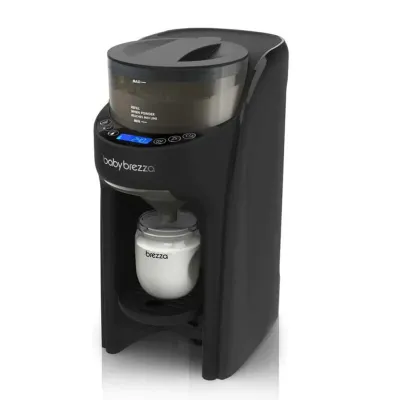
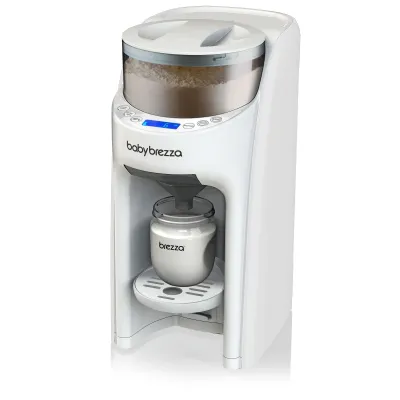
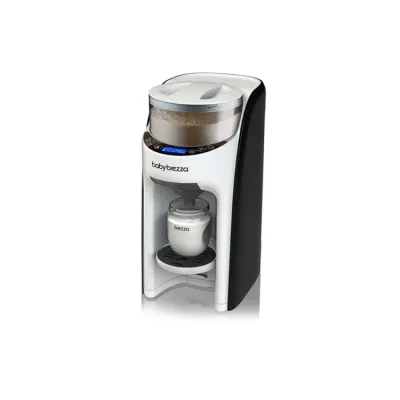
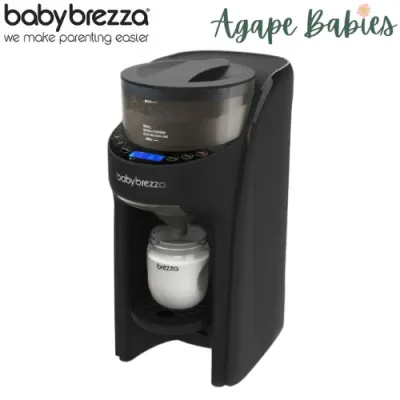
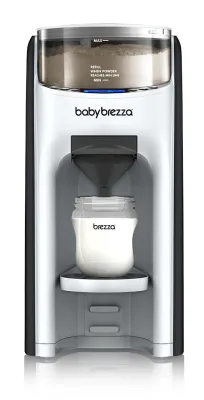
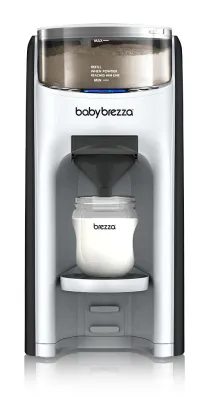
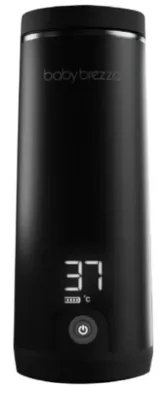
Prices are valid at publication and may change. Please refer to the product page for the latest price.
Physical space and kitchen layout are also practical considerations. Automatic formula makers require a dedicated spot on your countertop near an electrical outlet and a clean water source. If your kitchen space is limited, or if you prefer to keep your countertops clear of large appliances, a smaller semi-automatic mixing pitcher or a portable portion dispenser might fit your home better. Consider how often you travel or move between rooms, as large automated units are designed to remain stationary, whereas manual alternatives offer easy portability.
Understanding the Baby Brezza Formula Pro
The Baby Brezza Formula Pro operates on a patented mixing system designed to combine formula powder and water to the desired temperature and consistency automatically. When you press the start button, the machine measures out the designated amount of powder from its airtight upper container and mixes it with warmed water from the rear reservoir, dispensing a completed bottle directly into your container. This process eliminates the need for manual scooping, heating, and shaking, which can save valuable time during hectic feeding windows.

Despite this convenience, the machine’s accuracy depends entirely on proper calibration and setup. Because different formula brands and stages have varying powder weights and densities, the manufacturer maintains an official compatibility list detailing specific settings for each formula type. Parents must look up their exact formula brand and stage on the manufacturer’s website to identify the correct setting number. Using an incorrect setting can lead to a mixture that is too watery or too concentrated, both of which can cause nutritional imbalances or digestive discomfort for your infant.
Maintenance is another essential aspect of owning this machine. To prevent formula powder from clumping and blocking the dispensing funnel, the manufacturer requires the funnel to be removed and thoroughly washed after every four bottles. Additionally, the water tank must be refilled with cooled, boiled water, and the entire system needs periodic descaling to remove mineral buildup. Neglecting these cleaning steps can lead to inaccurate dispensing, residue buildup, or bacterial growth, making strict adherence to the user manual a non-negotiable part of daily operation.
Comparing Alternative Formula Makers
While the Baby Brezza Formula Pro is a prominent name in this category, several alternative automatic and semi-automatic options exist to suit different preferences. Other fully automatic dispensers on the market utilize different mixing mechanisms, such as rotating impellers or specialized vortex mixing chambers, to blend the powder and water. Some alternative brands also offer advanced temperature customization, allowing parents to select precise heat levels beyond the standard warm, body temperature, or room temperature settings.
Another category of automatic makers includes pod-based systems, which operate similarly to single-serve coffee machines. These systems use pre-measured formula pods to ensure exact portioning with every feed, eliminating the need to calibrate settings for different powder densities. While this approach minimizes the risk of mixing errors, it restricts parents to specific compatible pod brands and generally involves higher ongoing consumable costs compared to bulk powder dispensers.
For parents who prefer a simpler, more budget-friendly approach, semi-automatic and manual dispensing aids serve as excellent alternatives. Electric formula pitchers allow you to mix a larger batch of formula at once, using a motorized paddle to reduce air bubbles and clumps. While you must still measure the water and powder manually, these pitchers simplify the preparation of a full day’s supply of milk, which can then be stored in the refrigerator and warmed as needed. These manual options require no complex calibration and are significantly easier to clean than fully automated machines.
Key Decision Dimensions for Formula Makers
When comparing different formula preparation systems, evaluating specific decision dimensions can help narrow down your choices. Formula compatibility is the most critical factor. Before purchasing any machine, verify whether your preferred formula brand and stage are officially supported. If you use specialized medical, anti-reflux, or highly specialized organic formulas, you may find that automated dispensers cannot accommodate their unique physical properties, leaving manual preparation as your only safe option.
Cleaning and maintenance effort should also be weighed against the convenience of automated dispensing. Fully automatic machines require daily funnel washing, regular water tank sanitization, and monthly descaling cycles. If you find the prospect of disassembling and washing multiple small plastic parts every day tedious, a simpler manual pitcher or traditional bottle-prep routine may actually save you more stress in the long run. Consider your household’s tolerance for regular appliance maintenance before making an investment.
Upfront and ongoing costs are another major consideration for families in Singapore. Fully automatic formula makers represent a significant upfront investment, often ranging from S$250 to over S$400, depending on the model and retailer. In contrast, semi-automatic pitchers and manual dispensers typically cost under S$100. You should also factor in the cost of replacement parts, such as spare funnels, which many parents purchase to avoid having to wash the original funnel immediately during middle-of-the-night feeds.
Finally, consider the physical footprint and noise level of the appliance. A large automatic dispenser takes up substantial counter space and may produce a noticeable humming or whirring sound during operation. If your baby’s nursery is close to the kitchen, or if you plan to keep the machine in your bedroom for night feeds, a quieter, more compact semi-automatic or manual system might be less disruptive to your family’s sleep.
Verifying Compatibility and Safety Before Buying
Ensuring the safety of your infant’s feed requires careful verification before you purchase or operate any automatic formula maker. Your first step should always be to visit the manufacturer’s official website and locate their formula compatibility database. Enter the exact brand, country of origin, and stage of the formula you plan to use. Because formula recipes can change, you must verify that the setting recommended by the manufacturer matches the specific packaging of the formula tub in your pantry.
Next, thoroughly review the product’s user manual regarding water safety and temperature limits. In Singapore, parents are advised to use cooled, boiled water to prepare formula. Ensure that the machine’s water reservoir is designed to handle pre-boiled water and that you do not leave water sitting in the tank for extended periods, as stagnant water can become a breeding ground for bacteria. The manual will also outline approved cleaning agents; never use harsh chemicals or abrasive scrubs that could damage the plastic components or leave harmful residues.
Lastly, familiarize yourself with the machine’s stop-use conditions. If you notice inconsistent mixing, such as visible clumps of powder or an unusually watery consistency, stop using the machine immediately and revert to manual preparation. Other warning signs include error codes on the digital display, unusual noises during the mixing cycle, or any signs of mold or mineral buildup that cannot be removed through standard cleaning. In these situations, consult the manufacturer’s customer service department or a qualified professional before resuming use.
Final Decision Framework: Which Maker Fits Your Home?
To make your final decision, align your household’s specific circumstances with the capabilities of each system. The Baby Brezza Formula Pro is an excellent fit if your preferred formula brand is officially supported, you have ample counter space, and you prioritize the speed of one-touch preparation during exhausting night feeds. This system offers maximum convenience for parents who are willing to commit to the strict daily cleaning schedule required to keep the machine operating safely.
An alternative automatic dispenser or pod-based system may be the better choice if you require precise temperature controls not offered by the standard models, or if you prefer the pre-portioned simplicity of a pod system. These alternatives are ideal for families who want automation but desire different physical designs or interface features that better match their kitchen aesthetics and daily habits.
Choose a semi-automatic pitcher or manual dispensing aid if you are on a tighter budget, use specialized or incompatible formulas, or want to avoid the daily maintenance of a complex appliance. These options provide a reliable way to prepare smooth, clump-free formula without the risk of calibration errors or mechanical failures. By carefully assessing your formula type, maintenance preferences, and budget, you can confidently select the preparation method that keeps your baby safe and your daily routine running smoothly.
Frequently Asked Questions (FAQ)
Can I use any formula brand in an automatic formula maker?
No, you cannot use just any formula brand without verification. Automatic formula makers rely on precise calibration to dispense the correct ratio of powder to water, and different formula brands have unique powder densities and scoop sizes. Using an unsupported brand or the wrong setting can result in a mixture that is too concentrated or too diluted, which can lead to serious health and digestive issues for your baby. Always check the manufacturer’s official compatibility database to confirm your specific formula brand and stage are supported before use.
How often do automatic formula makers need to be cleaned?
Automatic formula makers require frequent, regular cleaning to ensure safety and prevent mechanical issues. Most manufacturers require the mixing funnel to be removed and washed with warm, soapy water after every four bottles to prevent powder buildup and clumping. Additionally, the water tank should be washed weekly, and the entire system must undergo a monthly descaling process to remove mineral deposits. Always refer to your specific machine’s user manual for detailed cleaning intervals and approved sanitizing methods.
Community discussion
Share your experience or ask a question. Comments are reviewed before publication.