
Finding the right infant formula for an automated dispenser requires more than just picking a preferred brand. Because powder density, scoop sizes, and ingredient compositions vary significantly between manufacturers, a formula that works perfectly in one machine may clump or dispense inaccurately in another. Rather than relying on a static list of compatible brands, parents must verify compatibility based on the specific regional packaging available in Singapore and the physical properties of the formula. This guide breaks down how to evaluate different formula categories, verify local compatibility, and troubleshoot common dispensing issues to ensure safe and accurate preparation.
In Singapore’s diverse retail landscape, parents often encounter a mix of officially distributed formulas and parallel imports from Australia, Europe, and other regions. A single brand name can have multiple formulations with completely different powder densities depending on where the tin was manufactured. Ensuring a safe, accurate feed means verifying the specific formulation, stage, and country of origin against the manufacturer’s official compatibility database before preparation.
Understanding How Automated Dispensers Handle Different Formulas
Automated formula dispensers rely on precise mechanical calibration to ensure that each bottle is mixed to the exact concentration recommended by the formula manufacturer. Inside the machine, a rotating dispensing wheel measures the powder by volume rather than weight. Because different formula powders have unique physical properties, the machine must be calibrated to account for these variations to prevent under-concentration or over-concentration.
Products mentioned in this guide
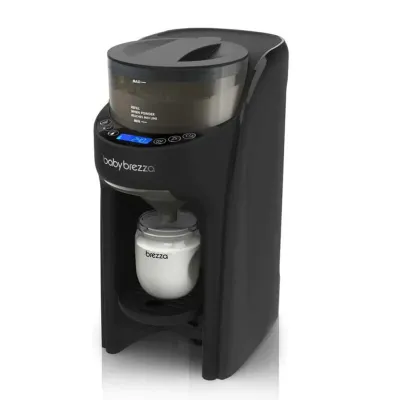
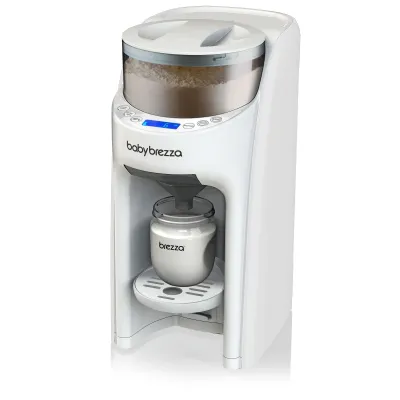
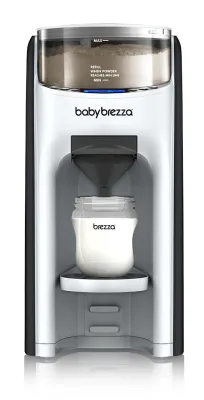
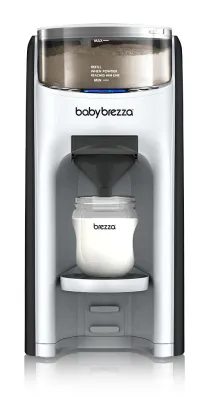
Prices are valid at publication and may change. Please refer to the product page for the latest price.
Powder density is the primary factor that determines how a formula behaves inside the dispenser. Some powders are exceptionally light and fluffy, while others are dense, oily, or prone to clumping. The machine compensates for these differences through adjustable settings that alter the size of the measuring chamber on the dispensing wheel. Selecting the correct setting ensures that the volume of powder dispensed matches the precise weight required for the selected volume of water.
Scoop sizes and weights vary dramatically between different formula brands and even between different stages of the same brand. For example, a single scoop of one brand’s Stage 1 formula might weigh 4.3 grams, while another brand’s Stage 2 formula might require 8.6 grams per scoop. The dispenser’s internal wheel is designed to replicate these specific scoop weights, but it can only do so accurately if the user configures the machine to the exact setting specified for that specific tin.
The chemical composition of the formula also plays a significant role in how smoothly the powder flows. Formulas with higher fat content, added starches, or specialized emulsifiers can be stickier and less free-flowing. These ingredients can cause the powder to cling to the walls of the powder container or the edges of the dispensing wheel, which can gradually reduce the amount of powder delivered over time if the machine is not maintained correctly.
How to Verify Compatibility for Brands Sold in Singapore
To ensure your baby receives the correct balance of nutrients, you must verify the compatibility of your chosen formula before using the machine. The most reliable way to do this is by using the manufacturer’s official online compatibility tool or mobile application. These databases are updated continuously as formula manufacturers alter their recipes, scoop sizes, or packaging designs.

When using the compatibility tool, you must look beyond the brand name on the front of the tin. Carefully examine the packaging to identify the exact product name, the developmental stage (such as Stage 1, Stage 2, or Stage 3), and the specific regional packaging version. In Singapore, supermarkets and specialty baby shops often stock both local Singapore-labeled tins and imported versions from Australia, New Zealand, or the United Kingdom. These regional variants frequently require different machine settings due to localized manufacturing standards.
If you purchase a formula brand that is not listed in the official database, do not attempt to guess the setting or use a setting intended for a similar product. Even minor differences in powder density can lead to significant errors in bottle concentration. Instead, contact the dispenser manufacturer’s customer service department to request a compatibility test. They will typically ask you to provide detailed photos of the nutritional panel, the ingredient list, the scoop, and the barcode, or they may request that you send a physical sample of the powder for laboratory calibration.
Comparing Formula Categories for Machine Performance
Different categories of infant formula exhibit distinct physical characteristics that directly influence how they perform in an automated dispenser. Standard cow’s milk-based formulas are generally the most straightforward to dispense. These powders typically have a consistent, free-flowing texture that moves easily through the machine’s internal components, resulting in highly reliable mixing and minimal clumping under normal operating conditions.
Comfort and anti-reflux (AR) formulas present unique challenges for automated preparation. These specialized formulas often contain added thickeners, such as corn starch, potato starch, or carob bean gum, which are designed to thicken in the baby’s stomach to reduce spitting up. Because these thickeners are highly sensitive to moisture, the powder can absorb ambient humidity rapidly. This often leads to clumping around the dispensing outlet, which can restrict the flow of powder and result in a watery feed if the dispensing path is not cleaned frequently.
Plant-based formulas, such as soy or rice-based options, and hypoallergenic (HA) formulas also behave differently due to their unique protein structures. Hypoallergenic formulas, which feature extensively hydrolyzed proteins, often have a very fine, dusty, or slightly sticky consistency. This fine texture makes them highly susceptible to static electricity inside the plastic powder container. The powder may cling to the container walls or bridge over the dispensing wheel, requiring parents to regularly check that the powder is settling evenly.
Navigating Regional Packaging and Formulation Differences
One of the most common pitfalls for parents using automated dispensers in Singapore is assuming that a brand name guarantees a universal machine setting. Because Singapore is a major hub for parallel imports, it is common to find multiple versions of the same brand on retail shelves. For instance, a tin of formula manufactured for the European market may have a completely different powder density and scoop weight than the same brand’s tin manufactured for the Australian or local Singaporean market.
Using an incorrect setting due to a regional packaging mismatch poses serious health risks for an infant. If the machine is set to a setting that dispenses too little powder, the resulting bottle will be under-concentrated. Over time, feeding a baby diluted formula can lead to poor weight gain, nutritional deficiencies, and electrolyte imbalances. Conversely, if the setting dispenses too much powder, the over-concentrated feed can place excessive strain on the baby’s developing kidneys and cause dehydration or severe constipation.
To prevent these issues, always cross-reference the physical details of your formula tin with the entries in the compatibility database. Check the exact net weight of the tin, the country of manufacture, and the barcode. If the database lists multiple regional options for your brand, select the region that matches the distribution details printed on your specific tin. If you transition from a parallel-imported tin to a locally distributed tin of the same brand, always re-verify the setting, as the formulation may have changed.
Troubleshooting Common Dispensing and Mixing Issues
Operating an automated formula dispenser in Singapore requires special attention to environmental factors, particularly the high relative humidity. When warm, humid air enters the powder compartment, it can cause the formula powder to clump and stick to the dispensing wheel. To minimize this risk, place the machine in a dry, well-ventilated area of your home, away from steam-producing appliances like electric kettles, bottle sterilizers, or open windows.
Regular maintenance is essential to ensure accurate dispensing and prevent mechanical blockages. The machine’s funnel and dispensing outlet must be removed and cleaned thoroughly after every four bottles, or whenever the machine’s indicator light signals that cleaning is required. Wash these parts in warm, soapy water, rinse them completely, and ensure they are 100% dry before reassembling them. Any moisture left on the funnel will cause the incoming powder to stick and clog the opening instantly.
Water temperature settings must also be carefully managed in accordance with the formula manufacturer’s instructions. While the dispenser offers multiple temperature options, some specialized formulas require specific temperatures to dissolve properly without forming lumps. Always check the preparation instructions on your formula tin. If the formula requires a mixing temperature that is incompatible with the dispenser’s capabilities, or if you observe persistent clumping despite thorough cleaning, stop using the machine immediately and prepare the formula manually.
Decision Framework: Choosing the Right Formula for Your Setup
When selecting an infant formula to use with your automated dispenser, a structured decision framework can help you balance your baby’s nutritional needs with the mechanical requirements of the machine. First, determine if your baby requires a standard formula or a specialized prescription formula. If a standard formula is suitable, choose a brand and regional variant that is fully listed and verified in the official compatibility database to ensure the highest level of dispensing accuracy.
If your pediatrician recommends a specialized, thickened, or hypoallergenic formula, you must verify the availability of a tested setting before purchasing the machine or the formula. Be prepared for a more demanding maintenance routine, as these powders are more prone to clumping and static cling. You will need to monitor the powder level closely and clean the dispensing components more frequently than the standard recommendation to prevent blockages.
Finally, if your chosen formula has specific preparation instructions that contradict the automated dispensing process—such as requiring water boiled to a specific high temperature that the machine cannot maintain, or requiring vigorous manual shaking that cannot be replicated—you must prioritize safety and prepare the formula manually. Automated dispensers are highly convenient, but they should only be used when the physical properties of the powder and the manufacturer’s preparation guidelines align perfectly with the machine’s operational limits.
Frequently Asked Questions (FAQ)
Can I use a formula brand that is not on the official compatibility list? (FAQ)
Using a formula brand or regional variant that is not explicitly listed on the official compatibility list is not recommended. Without a verified setting, there is a high risk that the machine will dispense an incorrect ratio of powder to water, leading to under-concentration or over-concentration. If your formula is unlisted, contact the manufacturer to request a calibration test, and prepare your baby’s bottles manually using a traditional scoop and scale in the interim.
Does the water temperature setting change depending on the formula brand? (FAQ)
Yes, the ideal water temperature can vary depending on the specific formula brand and type. Standard formulas often dissolve well at body temperature, while some specialized or thickened formulas may require slightly warmer water to prevent clumping. Always consult the preparation instructions on your formula tin and select the machine’s temperature setting that best aligns with those guidelines, while ensuring the final feed is safe and comfortable for your baby.
Why is my machine dispensing the wrong amount of powder? (FAQ)
Inaccurate dispensing is usually caused by environmental humidity or an incorrect setting selection. In Singapore’s humid climate, moisture can enter the powder chamber, causing the formula to clump and stick to the dispensing wheel or funnel. Additionally, using a setting designed for a different regional version of your formula can result in incorrect volumes. To resolve this, clean and dry all parts thoroughly, use a dehumidifier if necessary, and double-check that your setting matches your tin’s exact region.
Community discussion
Share your experience or ask a question. Comments are reviewed before publication.