
When introducing solid foods, bread can be a convenient finger food that helps babies develop fine motor skills and chewing coordination. However, not all loaves on supermarket shelves are suitable for developing digestive systems. To choose the safest and most nutritious baby bread, parents should look for simple whole grains, healthy fats, and essential nutrients like iron, while strictly avoiding added sugars, high sodium, artificial preservatives, and honey. Navigating the bakery aisle requires a careful eye, as many products marketed for children still contain unnecessary additives. By learning how to decode nutrition labels, you can confidently select bread options that support your baby’s growth without exposing them to hidden health risks.
Quick Checklist for Evaluating Baby Bread Labels
Selecting the right bread for your baby does not have to be overwhelming. Keep this quick checklist in mind when evaluating packages at the grocery store or browsing online marketplaces:
- Prioritize Whole Grains: Look for whole wheat, oat, spelt, or millet as the first ingredient to ensure high fiber and nutrient density.
- Check for Simple Ingredients: Choose loaves with short, recognizable ingredient lists that avoid complex chemical names.
- Verify Sodium and Sugar Levels: Opt for breads with zero added sugars and the lowest sodium content available.
- Avoid Honey and Sweeteners: Ensure there is absolutely no honey (unsafe for infants under 12 months due to botulism risks) or artificial sweeteners.
- Confirm Age and Allergen Warnings: Always check the packaging for manufacturer age recommendations and clear allergen declarations.
Nutrient-Dense Ingredients to Look For
When evaluating baby bread, the primary goal is to find ingredients that offer genuine nutritional value to support rapid physical and cognitive development.
Products mentioned in this guide
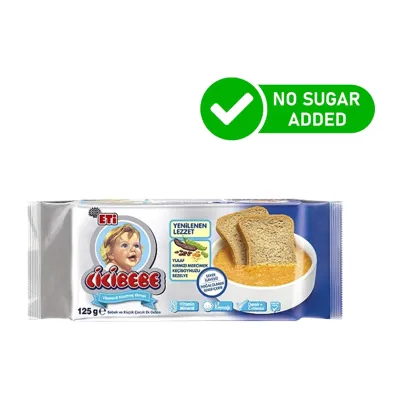
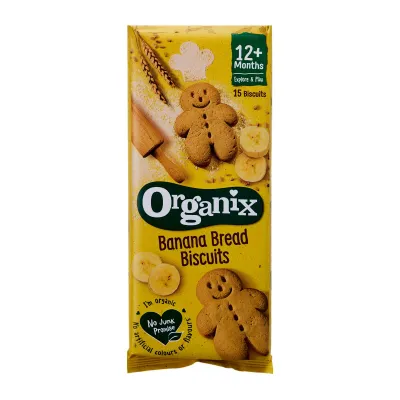
Prices are valid at publication and may change. Please refer to the product page for the latest price.

Whole grains and complex carbohydrates should form the foundation of any high-quality baby bread. Ingredients like whole wheat flour, oat flour, spelt, or millet provide a steady release of energy rather than quick blood sugar spikes. These grains are also naturally rich in dietary fiber, which supports healthy digestion and helps prevent constipation as your baby transitions to solid foods.
Iron is another critical nutrient to prioritize during this developmental stage. Around six months of age, an infant’s natural iron stores begin to deplete, making dietary sources essential for healthy brain development and red blood cell production. Look for breads made with iron-fortified flours, or those that incorporate naturally iron-rich ingredients such as finely ground chia seeds, flaxseed meal, or pumpkin seed flour. Ensure these seeds are completely milled into a smooth powder to eliminate any choking hazards.
Healthy fats are also vital for your baby’s growing brain and nervous system. Look for breads that use recognizable, high-quality fat sources like extra virgin olive oil, avocado oil, or real butter. These fats help the body absorb fat-soluble vitamins and provide concentrated energy. Avoid products containing partially hydrogenated oils or trans fats, which offer no nutritional benefit and can be harmful to long-term cardiovascular health.
Additives and Hidden Ingredients to Limit or Avoid
While commercial breads often rely on additives to improve shelf life, texture, and flavor, many of these ingredients are unsuitable for an infant’s delicate system.
Added sugars and alternative sweeteners are highly prevalent in modern bakery products. Manufacturers often use cane sugar, high-fructose corn syrup, brown rice syrup, dextrose, or fruit juice concentrates to make bread softer and sweeter. These ingredients contribute empty calories and can program your baby’s palate to prefer overly sweet foods, potentially leading to picky eating habits and early tooth decay. Additionally, honey must be strictly avoided for infants under 12 months of age due to the risk of infant botulism, a rare but serious illness caused by bacterial spores.
Sodium is another major concern when selecting bread for babies. An infant’s kidneys are still maturing and cannot efficiently process high amounts of salt. Standard commercial breads often contain surprisingly high levels of sodium, which acts as both a preservative and a flavor enhancer. When comparing products, look for breads specifically formulated with low sodium, aiming for options that keep salt to an absolute minimum per serving.
Artificial preservatives, synthetic colors, and unnecessary emulsifiers should also be avoided. Ingredients such as calcium propionate, potassium sorbate, mono- and diglycerides, and artificial food dyes are commonly used to extend shelf life and maintain a uniform appearance. While these additives are deemed safe for general consumption, they provide no nutritional value to an infant. Choosing fresh, minimally processed bread or loaves preserved through natural freezing is a much safer approach for your baby.
Managing Common Allergens on Bread Labels
Introducing allergens is a milestone in your baby’s feeding journey, and bread is a common vehicle for several major food allergens.
Wheat is the primary ingredient in most breads, meaning gluten is naturally present. However, commercial loaves frequently contain other common allergens such as milk, butter, eggs, soy, and sesame seeds. Before purchasing any bread, carefully read the allergen statement—usually highlighted in bold or listed in a dedicated “Contains” section on the packaging—to identify which allergens are present.
Cross-contamination warnings are also highly important for parents of sensitive infants. Phrases like “may contain traces of tree nuts” or “manufactured in a facility that processes peanuts” indicate that while the allergen is not an active ingredient, there is a risk of trace exposure. If your baby has a known severe allergy or if there is a strong family history of food allergies, these warnings should be taken seriously, and such products should be avoided until you consult a pediatrician.
To safely manage allergen introduction, align your bread choices with your baby’s current developmental stage. Introduce only one major allergen at a time in small quantities, monitoring your baby closely for several days before introducing another. If your baby has not yet tried eggs or dairy, do not introduce a bread that contains both ingredients simultaneously, as this makes it difficult to identify the culprit in the event of an adverse reaction.
Practical Steps for Reading Nutrition Panels
To make informed decisions at the grocery store, you need to know how to analyze the nutrition facts panel and ingredient list systematically.
First, understand that ingredients are listed in descending order by weight. The first three to four ingredients make up the majority of the bread. If you see refined white flour, sugar, or syrup near the top of the list, the bread is highly processed and less suitable for your baby. Instead, look for whole grains and water as the primary ingredients.
Second, pay close attention to the serving size listed on the panel. Nutrition facts are typically calculated for adult portions, such as one or two full slices of bread. Because an infant will only consume a fraction of this amount—such as half a slice or a small finger-sized strip—you must calculate the actual sodium and sugar intake based on the realistic portion your baby will eat. This prevents you from overestimating or underestimating their daily nutrient intake.
Finally, check the manufacturer’s instructions regarding storage, shelf life, and preparation. Because high-quality baby bread often lacks artificial preservatives, it is highly susceptible to mold, especially in warm and humid climates like Singapore’s. To maintain freshness, store preservative-free bread in the refrigerator or freezer. When preparing the bread, consider lightly toasting it; untoasted, soft white bread can easily clump into a sticky, doughy ball in a baby’s mouth, creating a serious choking hazard. Lightly toasted bread cut into finger-sized strips (often called “soldiers”) is much easier for babies to chew and swallow safely under close caregiver supervision.
Frequently Asked Questions (FAQ)
Is organic baby bread always a better ingredient choice?
Organic certification guarantees that the ingredients were grown without synthetic pesticides, chemical fertilizers, or genetically modified organisms. While this is beneficial for reducing chemical exposure, an organic label does not automatically mean the bread is nutritionally balanced. Many organic breads still contain high levels of organic cane sugar, organic honey, or sodium. Parents must still perform the same rigorous checks on the nutrition panel and ingredient list, regardless of whether the product carries an organic seal.
Can babies eat regular adult bread if the ingredients look safe?
Some high-quality adult breads with clean, simple ingredient lists can be suitable for babies, but parents must exercise caution. Standard adult breads often contain significantly higher levels of sodium to enhance flavor and structure, which can easily exceed an infant’s daily recommended limit. Additionally, the texture of standard commercial white bread poses a choking risk because it becomes gummy when wet. If you choose to serve adult bread, select low-sodium, whole-grain varieties, toast them lightly to improve texture, and always supervise your baby during feeding.
What should I do if my baby reacts to an ingredient in a new bread?
If your baby shows any signs of an adverse reaction after eating bread, stop feeding them the product immediately. Keep the packaging and the ingredient list intact so you can reference it during medical consultations. Monitor your baby closely for mild symptoms, such as a localized skin rash, hives, or mild spitting up, and contact your pediatrician for advice. If you observe severe symptoms—such as swelling of the face, lips, or tongue, repetitive vomiting, wheezing, or difficulty breathing—seek emergency medical attention immediately.
Community discussion
Share your experience or ask a question. Comments are reviewed before publication.