
Selecting the right sterilization method for your baby bottles depends entirely on the specific materials of the bottle body and its individual components. While glass and silicone generally withstand the high temperatures of steam and microwave sterilizers, plastics like polypropylene (PP) and polyphenylsulfone (PPSU) react differently to heat and ultraviolet (UV) light. UV sterilizers offer a dry, heat-free alternative but can accelerate the degradation of certain polymers, particularly PP. To maintain feeding safety and prolong the lifespan of your baby bottles, you must match each component—from the bottle body to the nipple and collar—to a compatible sterilization method based on verified manufacturer specifications.
Identifying Your Baby Bottle Materials
Before placing any feeding equipment into a sterilizer, you must accurately identify the material of each part. Relying solely on the brand name or the color of the bottle can lead to damaging mistakes, as manufacturers frequently update their product lines or use different plastics for different bottle sizes.
The most reliable way to identify plastic bottles is to inspect the base or the lower rim for molded recycling codes and material abbreviations. Polypropylene bottles are typically marked with the letters “PP” or the recycling number 5. Polyphenylsulfone bottles are usually marked with “PPSU” or sometimes “PES” for polyethersulfone, which is a closely related polymer. Glass and silicone bottles may not always feature recycling codes, but their physical characteristics make them easier to distinguish.
Products mentioned in this guide
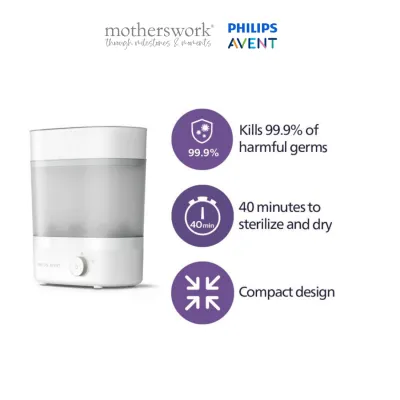
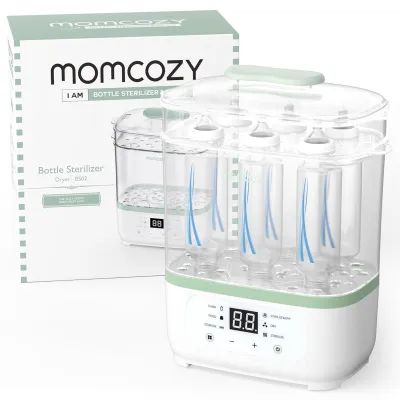
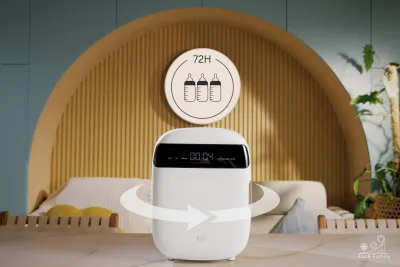
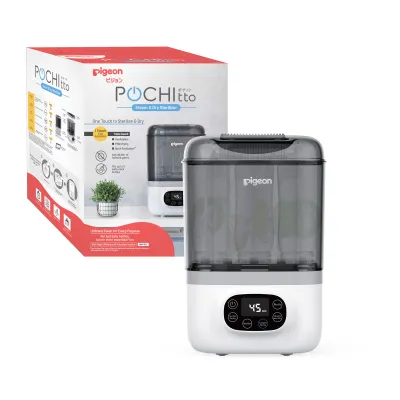
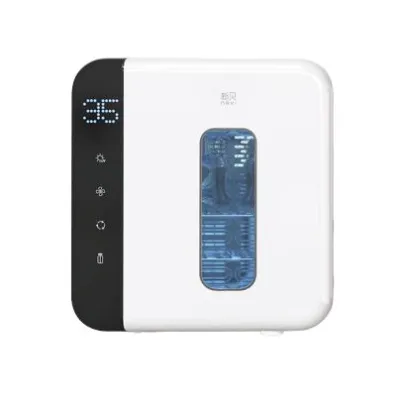
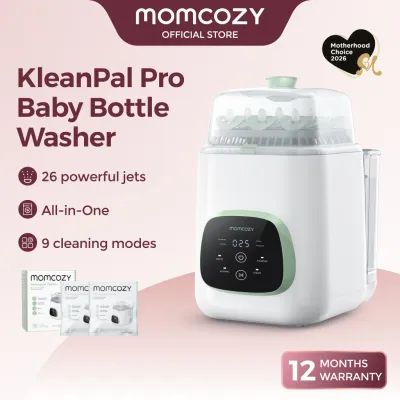
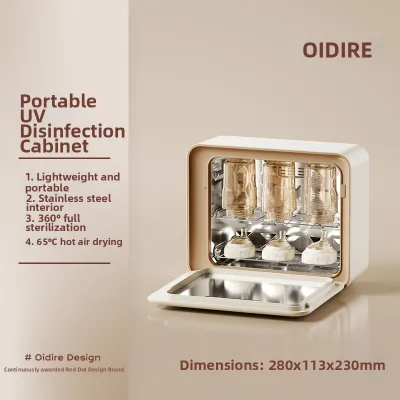
Prices are valid at publication and may change. Please refer to the product page for the latest price.
Each material has distinct visual and tactile properties that help you confirm its identity. Glass is heavy, rigid, cool to the touch, and highly transparent. Standard PP plastic is lightweight, slightly flexible when squeezed, and has a slightly cloudy or translucent appearance. PPSU is also lightweight and rigid, but it is easily distinguished by its natural honey-colored or amber tint. Food-grade silicone is soft, pliable, slip-resistant, and has a matte, semi-translucent finish.
Assuming a bottle’s material based on marketing terms like “shatterproof” or “crystal clear” is highly risky. Some modern high-clarity plastics look identical to glass but have much lower heat tolerances. Always cross-reference the physical bottle with the packaging or the manufacturer’s official product documentation to confirm the exact polymer before proceeding with high-heat or UV sterilization.
Evaluating Sterilization Methods and Potential Material Risks
Different sterilizers eliminate bacteria using distinct physical mechanisms, each placing unique stresses on bottle materials. Understanding these mechanisms helps you anticipate how your bottles will age under different conditions.

Steam and microwave sterilizers rely on high-temperature water vapor, typically reaching around 100°C, to sanitize equipment. This wet heat is highly effective but can cause lower-grade plastics like PP to warp or soften if they are placed too close to the heating element or subjected to prolonged cycles. Silicone and glass handle these temperatures exceptionally well, though glass is susceptible to thermal shock if exposed to rapid temperature swings, such as transferring a hot bottle directly to cold water.
UV sterilizers use ultraviolet light, specifically UV-C radiation, to disrupt the DNA of microorganisms without using heat. While this process is gentle on heat-sensitive items, UV-C light can break the chemical bonds in certain polymers over time. Polypropylene (PP) is particularly vulnerable to UV degradation, which can cause the plastic to become brittle, yellow, or develop a chalky surface. PPSU and silicone have higher resistance to UV light, but prolonged exposure can still lead to gradual cosmetic and structural changes.
It is also critical to remember that a baby bottle is an assembly of multiple materials. A glass bottle almost always features a PP plastic collar and a silicone nipple. Even if the glass body is highly resistant to UV light, the plastic collar may degrade rapidly in a UV sterilizer, while the silicone nipple might require a different heat limit. You must evaluate and sterilize each component according to its individual material limits rather than treating the assembled bottle as a single unit.
How to Verify Compatibility Before Sterilizing
To prevent damage to your feeding equipment and support effective sanitation, you should establish a systematic verification process before using any sterilizer.
Your first step should always be to consult the manufacturer’s instruction manual or official website for the specific model of bottle you own. Manufacturers provide explicit temperature limits and state clearly whether a bottle is compatible with steam, microwave, or UV sterilization. Look for specific temperature thresholds; for example, many PP bottles are rated up to 110°C, while PPSU can often withstand temperatures up to 180°C.
Next, check the packaging or the product itself for standardized symbols. A microwave-safe symbol (usually depicting wavy lines) indicates the material can withstand microwave sterilization, provided it is filled with the correct amount of water as specified by the sterilizer instructions. Some brands also include specific icons indicating compatibility with UV sterilizers or dishwashers.
If you cannot find the original instructions, or if the documentation does not explicitly mention your sterilizer type, do not guess. Contact the manufacturer’s customer service department directly to verify compatibility. Until you receive official confirmation, default to hand washing the parts with warm, soapy water and a soft brush, as this is the safest way to avoid chemical leaching or physical warping from incompatible sterilization methods.
Recognizing Material Degradation and Replacement Triggers
Even when using compatible sterilization methods, all baby bottle materials eventually degrade due to repeated exposure to heat, moisture, or UV light. Regular inspections are vital to monitor the structural integrity of the bottles.
Perform a visual and tactile inspection of all bottle parts before every feeding session. Look for signs of wear such as persistent cloudiness, yellowing, or a sticky texture on plastic and silicone parts. For glass bottles, inspect closely for micro-cracks, chips, or deep scratches that could weaken the structure or harbor bacteria. On silicone nipples, check for changes in elasticity, swelling, or an altered flow rate, which can cause your baby to struggle during feeding.
Establish a routine replacement schedule based on your sterilization frequency. As a general guideline, PP bottles often require replacement every four to six months due to their lower resistance to wear, while PPSU bottles can last up to a year with proper care. Silicone nipples typically need replacement every two to three months, or immediately if they show signs of thinning or tearing.
You must immediately dispose of and replace any component that exhibits structural damage. This includes any glass bottle with a chip, any plastic bottle with deep internal scratches, and any nipple that has become sticky, discolored, or fails to return to its original shape when stretched. Using compromised bottles compromises both hygiene and safety.
Frequently Asked Questions (FAQ)
Can I sterilize mixed-material bottles together?
You should avoid sterilizing fully assembled bottles made of mixed materials. Always disassemble the bottle completely—separating the glass or plastic body, the silicone nipple, the plastic collar, and any anti-colic valves or silicone sleeves. Once disassembled, verify the sterilization compatibility of each individual part. If the silicone sleeve or plastic collar has a lower heat or UV tolerance than the bottle body, you must sterilize them separately using their respective approved methods, or wash the sensitive parts by hand to prevent warping and degradation.
Is it safe to use a bottle sterilizer for breast pump parts and pacifiers?
Yes, most bottle sterilizers can sanitize breast pump parts and pacifiers, but you must verify the material composition of each accessory first. Breast pump flanges, connectors, and valves are often made of specialized plastics or delicate silicone that may warp under the intense heat of a microwave sterilizer or degrade quickly in a UV sterilizer. Pacifiers frequently combine a silicone or latex nipple with a plastic shield. Since latex is highly sensitive to heat and UV light, latex pacifiers should generally not be placed in sterilizers; instead, follow the manufacturer’s specific cleaning guidelines to avoid damaging the materials.

Community discussion
Share your experience or ask a question. Comments are reviewed before publication.