
When preparing a nursery for a new arrival, selecting a baby bed is one of the most critical decisions you will make. A safe sleep environment is paramount to protecting your infant from physical hazards, entrapment, and sudden infant death syndrome (SIDS). To ensure a baby bed is safe for use in Singapore, it should meet recognized international safety standards such as the European EN 716, the American ASTM F1169 (alongside CPSIA regulations), or the Australian and New Zealand AS/NZS 2172 specifications.
Because Singapore does not enforce a single localized mandatory safety standard written exclusively for infant cribs, the local market relies heavily on these established global benchmarks. Parents must take an active role in verifying these certifications rather than assuming every product sold online or in showrooms is inherently safe. By understanding how to identify these standards and conduct your own physical safety checks, you can confidently secure a sleep space that meets the highest levels of structural and chemical safety.
Navigating Baby Bed Safety Regulations in Singapore
In Singapore, the Enterprise Singapore Consumer Product Safety Office (CPSO) is the government body responsible for overseeing the safety of general consumer products. While the CPSO monitors the market and has the authority to recall unsafe goods, it does not issue a specific, localized “Singapore Standard” certification seal just for baby beds. Instead, the regulatory framework allows for the sale of nursery furniture that complies with internationally recognized safety standards from Europe, the United States, or Australia.
Products mentioned in this guide
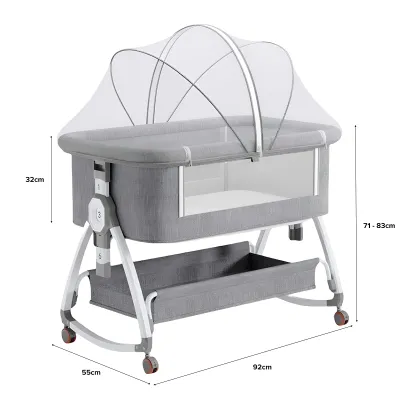
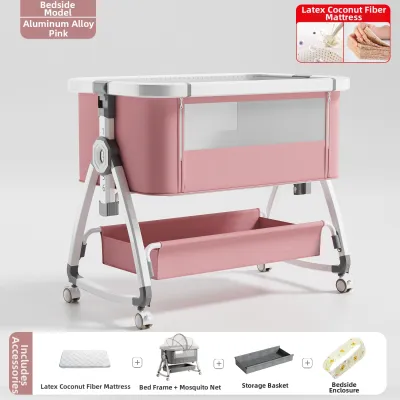
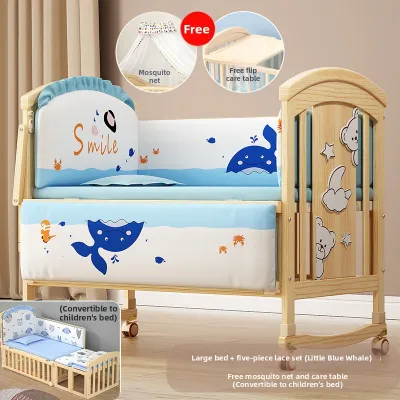
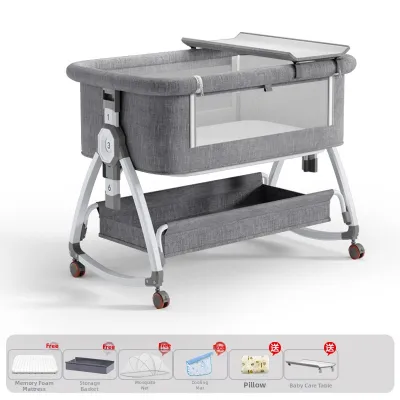
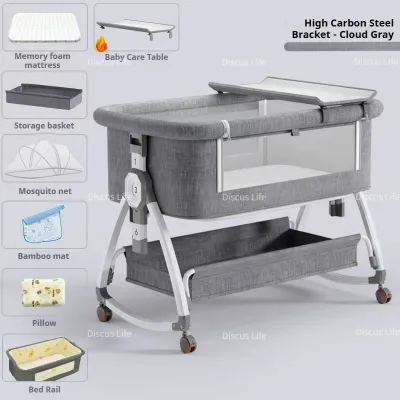
![[SG SELLER] COCOBABY Multifunctional Double-deck Rollaway Play Bed Playards Playpen Portable Baby Cribs Travel Folding Newborn Infant Kids Sleep Bed Installation free with Diaper changing table/Toy rack](https://img.lazcdn.com/g/p/bf8e2e27adf9d0291fb23354d52a0d4a.jpg_400x400q80.jpg_.webp)
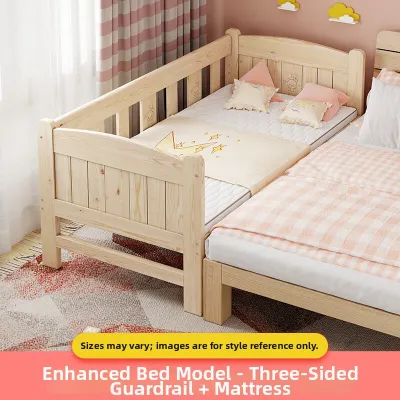
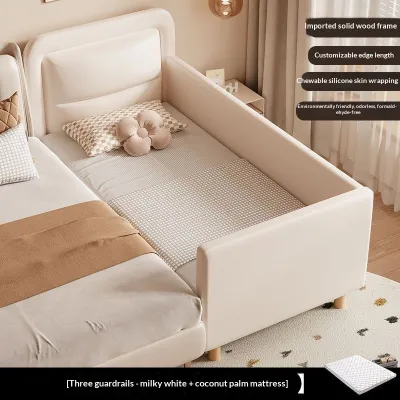
Prices are valid at publication and may change. Please refer to the product page for the latest price.
This open regulatory approach means that the responsibility of verifying safety compliance often falls directly on the consumer. When you browse local physical showrooms in Singapore or navigate online marketplaces, you will encounter a wide variety of imported brands. Some of these products may lack clear certification markings, especially if they are shipped directly from overseas manufacturers that do not target highly regulated markets.
To protect your child, you must look beyond aesthetic appeal and marketing claims. Always ask the retailer for official documentation or inspect the product packaging for clear references to global safety standards. If a seller cannot or will not provide proof of compliance, it is safest to assume the product has not undergone rigorous safety testing and to look for an alternative.
Furthermore, always retain your purchase receipts, user manuals, and any manufacturer registration cards. In the event of a global product recall, having these documents on hand allows you to quickly verify if your specific model and batch number are affected. It also ensures you can easily contact the manufacturer or local distributor to claim a repair kit, replacement parts, or a full refund.
Key International Safety Certifications to Verify
When evaluating a baby bed, look for permanent stamps, printed labels, or certificates that reference specific international standards. These marks are typically located on the inner side of the crib rails, the bottom of the mattress support base, or within the official user manual. Do not rely on generic product descriptions on e-commerce platforms, as phrases like “safety certified” are frequently used without verified testing.

European Standards (EN 716)
The European standard EN 716 (specifically EN 716-1 and EN 716-2) is one of the most common and rigorous benchmarks you will encounter in Singapore. This standard applies specifically to children’s cots and folding cots designed for domestic use, covering beds with an internal length between 900 mm and 1400 mm.
EN 716 evaluates several critical safety parameters, including structural stability, frame strength, and the distance between individual components. For example, it mandates that the distance between the top of the mattress and the top of the cot rail must be at least 500 mm when the mattress base is in its lowest position, preventing a mobile baby from climbing or falling out. It also requires that the gap between the slats must be between 45 mm and 65 mm to prevent head or limb entrapment.
To verify this standard, look for the “EN 716” mark on the product label or within the instruction manual. You can also ask the local distributor to confirm that the cot has been tested by an accredited European testing house.
US Standards (ASTM F1169 and CPSIA)
If you are purchasing a baby bed from an American brand or one that targets the North American market, it should comply with the ASTM F1169 standard. This standard governs the structural safety of full-size baby cribs, putting them through rigorous physical testing to ensure they do not collapse or fail under repeated stress.
ASTM F1169 testing includes spindle strength tests, latching mechanism durability tests, and structural integrity evaluations that simulate years of heavy use. In addition to physical durability, any crib sold in the United States must comply with the Consumer Product Safety Improvement Act (CPSIA). The CPSIA enforces strict limits on chemical exposure, mandating that all paints, varnishes, and surface coatings contain virtually no lead or phthalates, which can cause severe developmental issues if ingested by a teething baby.
Manufacturers meeting these standards must issue a Children’s Product Certificate (CPC) based on third-party laboratory testing. When buying an American-branded crib in Singapore, ask the retailer to provide a copy of this certificate to verify both chemical and structural compliance.
Australian and New Zealand Standards (AS/NZS 2172)
The AS/NZS 2172 standard is another highly respected benchmark frequently found on nursery furniture imported into Singapore from the Asia-Pacific region. This standard is renowned for its incredibly strict safety requirements, particularly concerning drop-side mechanisms and mattress dimensions.
Under AS/NZS 2172, drop-side mechanisms must feature a dual-action release system that prevents a child from accidentally opening the side of the bed. It also mandates rigorous testing of the locking devices to ensure they do not fail over time. Additionally, this standard requires precise labeling regarding mattress compatibility, stating that the gap between the mattress and the crib sides must not exceed 20 mm when the mattress is centered, minimizing the risk of a baby’s head becoming wedged in the gap.
Look for a clear sticker or stamp on the wooden frame of the bed referencing “AS/NZS 2172” to confirm the product has been built to meet these demanding Southern Hemisphere standards.
Essential Physical Safety Checks for Every Baby Bed
Even if a baby bed carries a reputable safety certification, physical assembly errors, shipping damage, or poor manufacturing tolerances can still introduce hazards. Performing a hands-on safety inspection of the assembled bed in your home is a vital final step before placing your baby inside.
Slat Spacing and Structure: The distance between the slats of the baby bed must be narrow enough to prevent your baby’s head, torso, or limbs from slipping through and becoming trapped. According to international safety standards, the gap between slats must not exceed 6 centimeters (approximately 2.36 inches). A practical way to test this at home is by using a standard soda can; if the can slides easily between any of the slats, the spacing is too wide and the bed is unsafe. Additionally, firmly shake the assembled frame to ensure there is no wobbling, and run your hands along all wooden surfaces to check for rough spots, cracks, or splinters that could injure your baby’s delicate skin.
Mattress Fit and Firmness: A safe baby bed requires a mattress that fits perfectly within the frame with absolutely no gaps. Perform the “two-finger test” by sliding your index and middle fingers between the edge of the mattress and the side rails of the crib. If you can fit more than two fingers in this space, the mattress is too small, creating a dangerous void where an infant’s head or limbs could become trapped. The mattress itself must be exceptionally firm and flat; soft mattresses, memory foam, or mattress toppers can conform to a baby’s face and create a severe suffocation hazard.
Corner Posts and Hardware: Inspect the corner posts of the baby bed to ensure they do not extend more than 1.5 millimeters above the end panels. Protruding corner posts are a severe strangulation hazard, as loose clothing, sleep sacks, or pacifier cords can easily catch on them. Ensure that all assembly hardware—including screws, bolts, brackets, and dowels—is completely flush with the wood, tightly secured, and free of sharp edges or exposed metal points.
Adjustable Mattress Heights: Most modern baby beds offer adjustable base heights to accommodate different stages of infant development. It is vital to set the mattress to its highest position only for newborns who cannot yet sit up or roll over. As soon as your baby shows signs of rolling, pushing up on their hands and knees, or sitting independently, you must immediately lower the mattress base to the next level. Once the infant can pull themselves up to a standing position, the mattress must be set to its lowest point to prevent them from climbing or tumbling over the side rails.
Critical Red Flags and Hazards to Avoid
Identifying dangerous designs, outdated models, and risky purchasing practices is just as important as looking for positive safety certifications. Avoiding these common pitfalls will significantly reduce the risk of nursery accidents.
Drop-Side Cribs: Avoid baby beds featuring a drop-side rail that slides down to make accessing the baby easier. These designs have been linked to severe infant injuries and fatalities when the sliding hardware warps, breaks, or detaches, creating a gap where a baby can become trapped and suffocate. Drop-side cribs have been banned in countries like the United States and are heavily restricted elsewhere; it is highly recommended to choose a fixed-side crib for maximum structural safety.
Second-Hand and Vintage Beds: While accepting a hand-me-down or purchasing a vintage baby bed from an online marketplace might seem economical, it introduces substantial hidden dangers. Older beds often lack modern safety certifications, feature wider slat spacing, or have weakened joints from years of storage and assembly cycles. Furthermore, vintage beds manufactured before modern chemical regulations may be coated in toxic lead-based paints, which present a severe poisoning risk if a teething baby chews on the rails.
Toxic Finishes and Materials: Babies frequently chew on the top rails of their cribs when teething, making the chemical safety of the finishes a primary concern. Ensure the baby bed is finished with non-toxic, lead-free, and water-based paints or varnishes. Look for recognized low-emission certifications, such as Greenguard Gold, which verify that the furniture has been tested for thousands of volatile organic compounds (VOCs) to maintain healthy indoor air quality in your nursery.
Unsafe Accessories: A safe sleep environment is a bare sleep environment. Do not place padded crib bumpers, loose blankets, quilts, pillows, sleep positioners, or heavy stuffed toys inside the baby bed. Despite marketing claims suggesting these accessories add comfort or protect against minor bumps, they are major contributors to accidental suffocation and Sudden Infant Death Syndrome (SIDS). The only items in the crib should be a firm, fitted mattress covered by a tight, well-fitting sheet, and your baby dressed in an age-appropriate sleep sack.
Frequently Asked Questions (FAQ)
Do I need to register my baby bed with any local authority in Singapore?
No, there is no requirement to register your baby bed with any government authority or consumer protection agency in Singapore. However, you should always fill out and submit the product registration card that comes with the bed directly to the manufacturer, or complete the registration form on their official website. This ensures the manufacturer has your contact details on file and can notify you immediately if a safety recall is issued for your specific model.
Are bedside sleepers held to the same safety standards as standard cribs?
No, bedside sleepers, bassinets, and travel cots are categorized differently from full-size baby beds and are subject to distinct safety standards. For example, bedside sleepers must comply with standards like EN 1130 or ASTM F2906, which evaluate the secure attachment mechanisms to the adult bed, fabric breathability, and structural stability under specific weight limits. Always check the manufacturer’s documentation to ensure the bedside sleeper is certified for its specific product category, and stop using it as soon as your baby reaches the maximum weight limit or begins to push up on their hands and knees.
How often should I inspect the baby bed's hardware after assembly?
It is highly recommended to perform a thorough hardware inspection at least once a month, as well as every time you move the baby bed to clean or rearrange the nursery. Daily use, room humidity changes in Singapore’s tropical climate, and the baby’s natural movements can gradually loosen screws and bolts. Check that all fasteners remain tightly secured, inspect the wooden rails for any signs of cracking, and immediately stop using the bed and consult the manufacturer if you find any missing, broken, or loose hardware that cannot be securely tightened.

Community discussion
Share your experience or ask a question. Comments are reviewed before publication.