
When shopping for baby essentials in Singapore, safety is naturally your top priority. If you have been searching for a baby bathing tub that carries official Health Sciences Authority (HSA) certification, you will quickly find that no such products exist. This is not due to a lack of safe options on the market, but rather a fundamental misunderstanding of how consumer products are regulated in Singapore.
The Health Sciences Authority does not certify, register, or approve baby bathing tubs. Understanding which regulatory bodies actually oversee children’s hardware, what safety standards you should look for, and how to verify product claims will help you make an informed and secure choice for your baby’s bath time.
Clarifying the HSA Certification Misconception
To navigate the baby product market effectively, it is important to understand the specific mandate of the Health Sciences Authority. The HSA is Singapore’s national regulator for health products. Its primary responsibility is to ensure that medicines, medical devices, cosmetics, health supplements, and clinical equipment meet strict safety, quality, and efficacy standards before they can be sold or distributed.
Products mentioned in this guide
![[SG Seller] Baby Bath Tub with Temperature Sensor Infant Shower Basin Portable Infant Bathtub | 0-4 Years](https://img.lazcdn.com/g/p/35dbbac6cf6f0f88c17870317e867598.jpg_400x400q80.jpg_.webp)
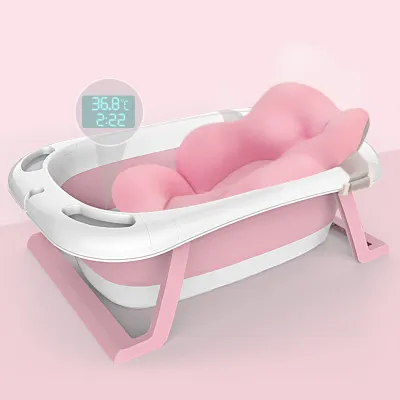
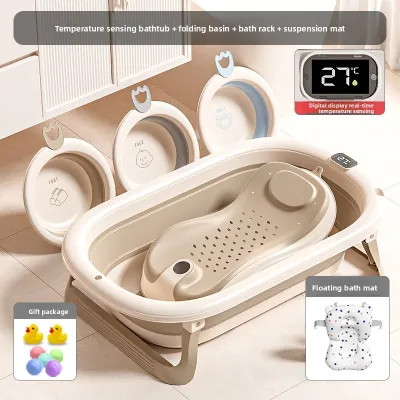
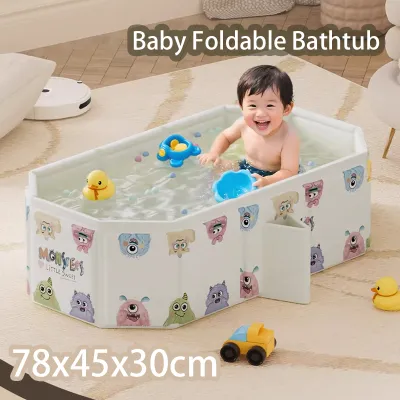
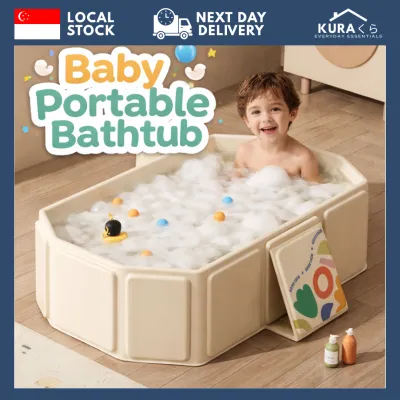
Prices are valid at publication and may change. Please refer to the product page for the latest price.
A baby bathing tub is a utility item and general consumer product, not a medical device or a therapeutic product. Because it does not diagnose, treat, alleviate, or prevent any medical condition, it falls entirely outside the regulatory scope of the HSA. Consequently, any brand or seller claiming that their baby bathing tub is “HSA-certified” or “HSA-approved” is presenting inaccurate information.
This misconception often arises on e-commerce platforms where sellers bundle products. For example, a retailer might sell a baby bathing tub alongside a baby body wash or shampoo. Because baby skincare products and cosmetics are regulated under the HSA’s cosmetic product notification guidelines, the seller might mistakenly apply the “HSA” label to the entire product listing, including the physical tub.
For general baby care hardware like bathing tubs, high chairs, and strollers, regulatory oversight lies elsewhere. Parents should redirect their attention to consumer protection frameworks that govern physical product safety, material toxicity, and structural integrity rather than looking for medical-grade certifications.
Actual Safety Regulations for Baby Products in Singapore
In Singapore, general consumer goods—including baby bathing tubs—are overseen by Enterprise Singapore, specifically through the Consumer Product Safety Office (CPSO). The CPSO administers the Consumer Protection (Consumer Goods Safety Requirements) Regulations (CGSR). Under these regulations, any general consumer product sold in Singapore must meet applicable safety standards, which are often aligned with well-established international benchmarks.

While baby bathing tubs do not require a specific safety mark like electrical appliances do, they must comply with safety requirements that prevent mechanical hazards, such as sharp edges, entrapment points, or structural instability. If a product is found to be unsafe, the CPSO has the authority to issue stop-sale orders and mandate product recalls.
When evaluating a bathing tub, you should look for compliance with recognized international safety standards. Reputable manufacturers design and test their products to meet these rigorous specifications. The two most common standards you will encounter on product packaging are:
- European Standard EN 17072: This standard specifies safety requirements and test methods for children's baths, bath stands, and non-standalone bathing aids intended for babies up to 12 months old or until the child can sit up unassisted.
- American Standard ASTM F2676: This is the Standard Consumer Safety Specification for Infant Bath Tubs, which evaluates structural integrity, stability, resistance to tipping, and the adequacy of safety labeling.
In addition to structural standards, chemical safety is a critical regulatory dimension. Because baby tubs hold warm water that comes into direct contact with your baby’s sensitive skin, the materials must be free from harmful substances. Reputable brands will explicitly state compliance with chemical safety standards, verifying that their plastics are free from Bisphenol A (BPA), phthalates, and heavy metals. You should treat these chemical safety claims as specifications to verify directly through the manufacturer’s official documentation.
Essential Safety Features to Evaluate in a Bathing Tub
Rather than relying on brand names or unverified marketing labels, you should personally evaluate the physical and material design of a bathing tub. The first structural element to assess is stability. A safe tub must have a wide, low-profile base that resists tipping when filled with water and subjected to a baby’s movement. Look for robust, non-slip rubber feet or grips on the bottom of the tub to prevent it from sliding on wet bathroom tiles or inside an adult bathtub.
Material quality is equally vital. The plastic should feel rigid and durable, without flexing excessively when pressed. High-density polyethylene (HDPE) and polypropylene (PP) are commonly used for high-quality tubs because they are durable, easy to clean, and stable under warm temperatures. Ensure there are no sharp plastic seams, rough edges, or small removable parts that could present a scratching or choking hazard.
Ergonomic support must match your baby’s specific developmental stage. Newborns lack head and neck control, requiring a tub with a secure, integrated recline, a supportive newborn sling, or a contoured insert that prevents them from sliding down. As your baby grows and reaches the stage where they can sit unassisted, they will transition to a more upright seating position. Many modern tubs feature modular designs that adapt to these different stages, but you must always verify the manufacturer’s specified weight and age limits for each configuration.
Many bathing tubs feature built-in temperature indicators, such as digital thermometers or heat-sensitive drain plugs that change color when the water is too hot. While these features are convenient, they are supplementary tools and must never replace manual testing. Always verify the water temperature yourself by swirling the water to eliminate hot spots and testing it with your elbow or a dedicated bath thermometer before placing your baby in the tub.
How to Verify Brand Claims and Product Compliance
To ensure you are purchasing a genuinely safe product, you must take active steps to validate manufacturer claims. Start by carefully reading the product packaging, user manual, and safety labels. A compliant and reputable brand will clearly print the specific safety standards they meet (such as EN 17072), along with clear age ranges, maximum weight capacities, and explicit safety warnings.
Before finalizing a purchase, check for recent product recalls. You can search the Consumer Product Safety Office portal in Singapore or international safety databases, such as the United States Consumer Product Safety Commission (CPSC) or the European Union’s Safety Gate. Searching these databases for the brand and model of the tub you are considering will reveal if the product has been flagged for structural failures, drowning hazards, or chemical contamination.
Where you buy your baby bathing tub matters significantly. To avoid counterfeit, substandard, or non-compliant items, purchase directly from authorized distributors, official brand stores, or reputable department stores in Singapore. Be highly cautious when browsing third-party sellers on online marketplaces; if a tub is unbranded, exceptionally cheap, or lacks clear manufacturer contact details, it may not have undergone any safety testing.
Finally, safety verification does not end at the point of purchase. You must continuously monitor the condition of the tub during use. Inspect the plastic regularly for hairline cracks, structural weakening, or mold growth in hard-to-reach crevices. If the tub utilizes a folding mechanism or inflatable chambers, check the joints and seams for wear. You must stop using the tub immediately if you observe any structural damage, or as soon as your child exceeds the manufacturer’s specified weight or developmental limits.
Frequently Asked Questions (FAQ)
Can I use a regular plastic basin instead of a dedicated baby bathing tub?
Using a generic plastic basin is not recommended for bathing an infant. Regular household basins lack the essential ergonomic contours, non-slip surfaces, and supportive inserts designed to keep a baby’s head and face safely above the water line. Furthermore, generic household plastics may not be tested for chemical safety under warm water conditions, potentially exposing your baby’s skin to leached chemicals. Dedicated baby bathing tubs are specifically engineered to address these physical and material safety requirements.
How often should I replace my baby's bathing tub?
There is no fixed calendar timeline for replacing a baby bathing tub, but you should retire it immediately if you observe physical signs of degradation. These signs include plastic discoloration, hairline cracks, weakened folding joints, or persistent mold that cannot be thoroughly sanitized. Additionally, you must transition your baby out of the tub once they exceed the manufacturer’s maximum weight limit or reach a developmental milestone—such as sitting up unassisted or attempting to climb out—that makes the tub unsafe for their size.
Are foldable or inflatable bathing tubs safe for newborns?
Foldable and inflatable tubs can be safe if they comply with international safety standards, but they require extra vigilance. Foldable tubs rely on hinges and flexible joints that can wear out over time, so you must inspect these mechanisms before every bath to ensure they lock securely. Inflatable tubs pose a risk of puncture and often lack the rigid, contoured structural support that newborns require to keep their head and neck stable. If you choose a portable design for a newborn, ensure it includes a dedicated, rigid newborn insert or sling approved by the manufacturer, and never leave your baby unattended for even a single second.
Community discussion
Share your experience or ask a question. Comments are reviewed before publication.