
When shopping for baby essentials in Singapore, safety is naturally your top priority. If you are searching for a baby bath tub with stand, you might have seen listings or forum discussions mentioning “HSA certification.” To answer the core question directly: The Health Sciences Authority (HSA) of Singapore does not certify or register baby bath tubs or bath stands. HSA’s regulatory mandate is strictly limited to health products, including medical devices, pharmaceuticals, cosmetics, and health supplements. General nursery items and baby bathing equipment do not fall under their jurisdiction.
Instead, safety oversight for baby bath tubs and stands in Singapore falls under the Consumer Product Safety Office (CPSO), which is safeguarded by Enterprise Singapore. Rather than looking for an HSA logo, you should verify that a baby bath tub with stand complies with international safety standards such as the European standard EN 17072 or the American standard ASTM F2670. Understanding these correct regulatory frameworks is the first step to ensuring your baby’s bath time is both safe and comfortable.
This comprehensive guide clarifies the safety standards applicable in Singapore, details the key features to evaluate when choosing a bath tub and stand, reviews the top-performing models available locally, and outlines crucial safety practices to prevent accidents.
Products mentioned in this guide
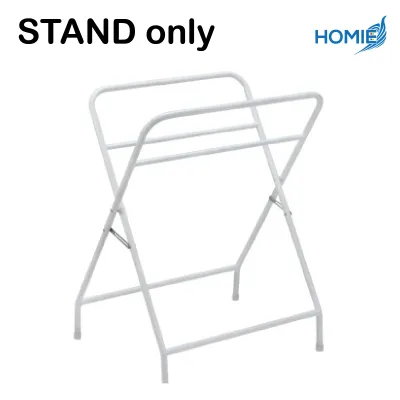
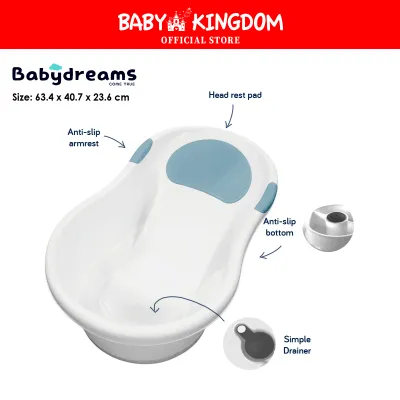
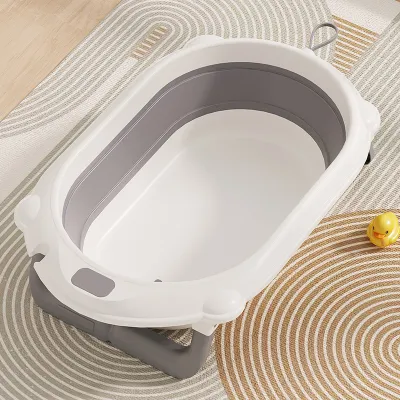
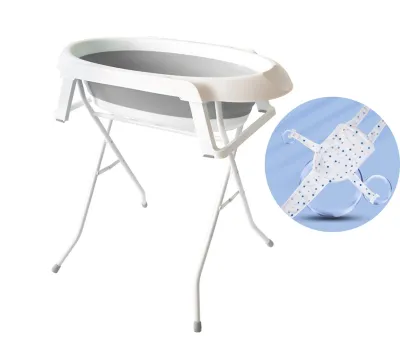
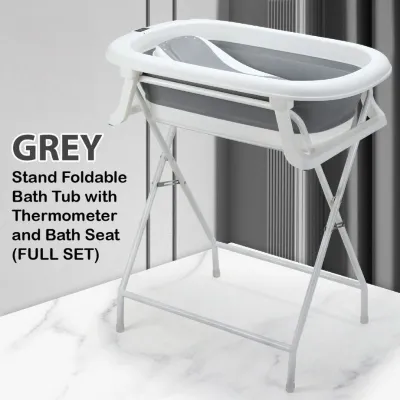
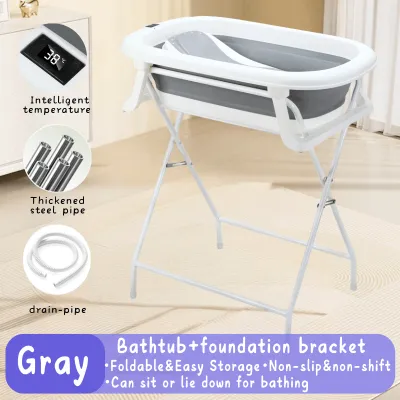
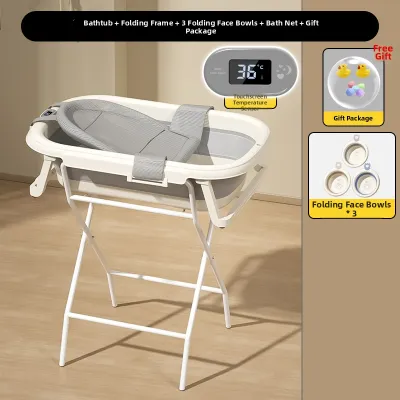
Prices are valid at publication and may change. Please refer to the product page for the latest price.
Understanding Baby Bath Tub Safety Certifications in Singapore
Navigating product safety labels can be confusing for new parents, especially when marketing terms blur the lines of regulatory authority. In Singapore, the Health Sciences Authority (HSA) is often mistakenly cited as the certifying body for various baby goods. It is important to understand that HSA only regulates products with therapeutic claims, medical applications, or direct chemical health implications, such as baby lotions, diaper creams, or clinical thermometers. A baby bath tub with stand is classified as a general consumer product, meaning it is not subject to HSA pre-market approval or registration.
The actual authority overseeing the safety of these products is the Consumer Product Safety Office (CPSO), an agency under Enterprise Singapore. The CPSO enforces the Consumer Protection (Consumer Goods Safety Requirements) Regulations (CGSR). Under these regulations, general consumer goods sold in Singapore must conform to safety standards set by key international standardization bodies. While the CPSO does not issue physical certification stickers for bath tubs in the way they do for high-risk electrical appliances, they actively monitor the market and investigate products that fail to meet recognized safety benchmarks.
When verifying the safety of a baby bath tub and its accompanying stand, you should look for explicit compliance with established international standards on the product packaging or within the user manual. The most relevant standards include:
- EN 17072: This is the specific European standard dedicated to bath tubs, bath stands, and non-standing bath aids. It mandates rigorous testing for structural stability, structural integrity, tipping hazards, and the security of locking mechanisms.
- ASTM F2670: This is the American Standard Consumer Safety Specification for Infant Bath Tubs, which outlines safety requirements, test methods, and labeling instructions to prevent hazards associated with infant bath tubs.
- EN 12221: This European standard regulates changing units for domestic use, which is highly relevant if you are purchasing a multi-functional unit that combines a bath tub, stand, and changing table.
Beyond structural integrity, material safety is another critical dimension to verify. Because your baby’s sensitive skin will be in direct contact with the tub surface, and warm water can accelerate the leaching of harmful chemicals, the plastic components must be non-toxic. Ensure the manufacturer guarantees that the tub is free from Bisphenol A (BPA), phthalates, lead, and heavy metals. Look for food-grade polypropylene (often marked as PP or plastic recycling code 5), which is widely recognized as safe, durable, and highly resistant to heat.
Key Features to Look for in a Baby Bath Tub With a Stand
Investing in a baby bath tub with stand offers significant physical relief for caregivers, but it also introduces a elevated water hazard. To ensure you select a stable and reliable system, you must evaluate several structural and design elements before purchasing.

Stand Stability and Weight Capacity
The stand is the most critical safety link in this bathing system. A loaded bath tub is incredibly heavy; because one litre of water weighs exactly one kilogram, a tub filled with 15 litres of water plus a 7 kg baby creates a total load of 22 kg. You must verify the stand’s maximum weight capacity and ensure it accommodates both the water volume and your growing baby. Look for a stand with a wide, stable footprint to prevent tipping. The legs should feature robust, non-slip rubber feet that grip wet bathroom tiles securely. Furthermore, the stand must have a positive locking mechanism—such as safety pins or physical latches—that prevents the frame from accidentally folding or collapsing while in use.
Ergonomic Height for Caregivers
One of the primary reasons parents choose a stand is to avoid the constant bending, kneeling, and crouching associated with floor-level bathing. This is particularly crucial for mothers recovering from a Caesarean section or caregivers suffering from chronic back pain. When evaluating a stand, check its assembled height relative to your own. Your elbows should bend at a comfortable 90-degree angle when supporting your baby in the water. A stand that is too low still forces you to hunch, while one that is too high makes it difficult to maintain a secure physical hold on your infant.
Tub Design and Support Systems
The tub itself must be designed to support a slippery, moving infant. For newborns who cannot yet sit up or support their own heads, look for integrated ergonomic contours, a molded center post (often called a “bum bump”), or a compatible, secure newborn insert. The interior surfaces should feature slip-resistant textures or silicone pads. Additionally, an efficient drainage system is essential. Emptying a heavy, water-filled tub by tipping it over is a major cause of strain and accidental spills. A tub with a reliable bottom drain plug allows you to empty the water directly into your bathroom floor trap without lifting the tub.
Portability and Space-Saving Storage
For many families living in Singaporean HDB flats or apartments, space is at a premium. A bulky, non-folding bath stand can quickly clutter a small bathroom. Evaluate how easily the stand folds down and whether it can stand independently when folded. Some modern designs allow the bath tub to fold flat as well, enabling you to slide both components into narrow gaps between washing machines or behind doors. Ensure that the folding mechanism is smooth but requires a deliberate, multi-step action so that children cannot accidentally trigger it.
Top Baby Bath Tubs With Stands Available in Singapore
To help you narrow down your options, we have analyzed the top baby bath tubs with stands available in Singapore. These selections are chosen based on their compliance with international safety standards, structural stability, ergonomic design, and ease of purchase through local maternity retailers and authorized online distributors.
Stokke Flexi Bath with Stand
The Stokke Flexi Bath is widely regarded as a benchmark for space-saving design, making it highly popular among Singaporean parents dealing with compact living spaces.
Design and Safety Features: This uniquely designed plastic tub features flexible corners that allow it to fold completely flat for storage or travel. It features a non-slip base and a heat-sensitive drain plug. The plug changes color based on the water temperature, providing a visual cue to parents (though you must always double-check the water temperature manually with your wrist or a thermometer). The companion Stokke Flexi Bath Stand is engineered specifically for this tub, featuring robust locking latches, orange safety indicators that confirm when the stand is fully deployed, and non-slip feet.
Compliance and Usability: The Stokke Flexi Bath and Stand comply fully with the European safety standard EN 17072. The tub is constructed from high-quality Polypropylene (PP) and Thermoplastic Elastomeric (TPE) materials, which are entirely free from BPA, phthalates, and other harmful substances. When used on the floor, the Flexi Bath is suitable from birth up to approximately four years of age. However, when paired with the stand, it is strictly designed for newborns and infants up to 10 kg, or until the baby can stand up independently. You can also purchase the ergonomic Stokke Flexi Bath Newborn Support insert to keep your infant securely positioned during their first few months.
Shnuggle Baby Bath with Stand
The Shnuggle Baby Bath is highly praised for its focus on newborn comfort and caregiver peace of mind, offering an exceptionally secure environment for early-stage bathing.
Design and Safety Features: The standout feature of the Shnuggle tub is its patented “bum bump” molded into the base. This ergonomic hump physically prevents your baby from sliding down into the water, allowing you to keep both hands relatively free to wash them. The interior features a soft, grippy foam backrest that keeps your baby warm and upright. The dedicated Shnuggle Folding Bath Stand raises the tub to a comfortable waist height (approximately 86 cm from the floor). It features a lightweight metal frame with a safety strap that wraps around the tub base to prevent movement.
Compliance and Usability: Shnuggle products are fully tested to meet EN 17072 standards. The tub is made from non-toxic, BPA-free plastic that is lightweight yet rigid. The stand is suitable for babies from birth up to six months of age, or until they weigh 9 kg or attempt to sit up on their own. Once your baby reaches these developmental milestones, you must transition to using the tub directly on the bathroom floor for safety. The compact footprint of both the tub and the folded stand makes it an excellent fit for typical Singaporean bathroom layouts.
Foldable Infant Bath Tubs with Integrated Stands (Budget-Friendly Options)
For parents seeking a more economical solution, there are various generic or regional brand foldable infant bath tubs with integrated or matching stands available on local e-commerce marketplaces.
Design and Safety Features: These budget-friendly options often feature a accordion-style silicone midsection that allows the tub to collapse downward, combined with folding legs directly attached to the tub base, or a separate scissor-style metal stand. Many of these models include digital temperature displays built into the drain plug or side panel, which can be convenient but should always be verified for accuracy.
Compliance and Usability: When shopping in the budget category, you must exercise extra diligence. Many of these products may lack formal documentation proving compliance with EN 17072 or ASTM F2670. Before purchasing, carefully read the product specifications to confirm the materials are certified BPA-free and non-toxic. Inspect user reviews specifically for comments regarding the rigidity of the plastic, the stability of the legs when fully loaded with water, and whether the locking pins on the stand hold up over repeated folding cycles. If a budget stand feels wobbly or lacks a physical locking mechanism to keep the legs splayed, avoid using it at an elevated height.
How to Set Up and Use a Bath Tub Stand Safely
Even the most expensive, certified baby bath tub and stand can become hazardous if set up incorrectly or used without proper precautions. Adhering to strict safety protocols is essential to protect your baby from falls and water-related accidents.
Pre-Use Assembly and Placement Checks
Before every single bath, perform a quick physical audit of your bathing setup:
- Check the Locks: Ensure all safety pins, hinges, and latches on the stand are fully engaged and locked in place. You should hear a distinct click or see the safety indicators turn to the "safe" color if your model has them.
- Verify the Surface: Place the stand on a completely flat, level, and dry surface. Never position the stand on uneven drainage grates, slopes, or near the edge of steps. If your bathroom floor is highly wet and slippery, dry the area where the stand's rubber feet will rest to maximize friction.
- Assess Stability: Give the empty stand a gentle shake. It should feel firm and rigid, without any wobbling or loose joints.
Understanding Weight and Developmental Limits
Never treat the manufacturer’s weight limit as a loose guideline. If a stand is rated for a maximum baby weight of 10 kg, stop using the stand the moment your baby reaches that weight.
Furthermore, developmental milestones are often more important than physical weight. You must stop using an elevated bath stand immediately if your baby exhibits any of the following behaviors:
- Attempting to sit up independently.
- Pulling themselves up using the edges of the tub.
- Rolling over or shifting their weight aggressively from side to side.
An active, moving baby can easily shift the center of gravity of an elevated tub, causing the stand to tip over. When these milestones are reached, transition to placing the bath tub directly on the bathroom floor.
The Golden Rule: Constant Active Supervision
There is absolutely no substitute for adult supervision during bath time. Babies can drown in as little as two centimeters of water, and a fall from an elevated stand can cause severe head injuries.
- Touch Supervision: Always keep at least one hand physically on your baby at all times. Never look away, turn your back, or walk away to grab a towel, answer the door, or check your phone.
- Preparation is Key: Gather all necessary supplies—including baby wash, washcloths, towels, a clean diaper, and fresh clothes—and place them within arm's reach before you place your baby in the water.
- If You Must Leave: If the phone rings or someone knocks on your door and you absolutely must attend to it, lift your baby out of the tub, wrap them in a towel, and carry them with you. Never leave your baby in the care of an older sibling in the bath.
Post-Bath Maintenance and Storage
Singapore’s warm, humid climate is highly conducive to the growth of mold, mildew, and bacteria. Proper maintenance of your bath equipment is vital for your baby’s skin health and the longevity of the product:
- Drain and Rinse: Empty the tub immediately after use. Rinse away any soap residue or body oils with clean, running water.
- Dry Thoroughly: Wipe down both the tub and the stand with a clean, dry cloth. Pay close attention to the folding joints, metal hinges, and the underside of the tub where water can pool.
- Store Dry: Store the folded tub and stand in a well-ventilated area. Avoid leaving them in a damp, closed shower stall where they cannot dry completely.
- Inspect Regularly: Periodically check the stand for signs of rust (if metal), cracks in the plastic joints, or wear on the non-slip rubber feet. If any component appears compromised, discontinue use immediately and contact the manufacturer for replacement parts.
Frequently Asked Questions (FAQ)
Does the Health Sciences Authority (HSA) certify baby bath tubs?
No, the Health Sciences Authority (HSA) does not certify, register, or approve baby bath tubs or stands. HSA is responsible for regulating health products such as medicines, medical devices, and cosmetics. Baby bath tubs and stands are general consumer goods overseen by the Consumer Product Safety Office (CPSO) under Enterprise Singapore. Parents should look for compliance with international safety standards like EN 17072 or ASTM F2670, and verify that the materials used are certified BPA-free.
What is the typical weight limit for a baby bath tub stand?
For most reputable brands, the weight limit for a baby bath tub stand ranges between 9 kg and 11 kg (which typically corresponds to a baby around 6 to 12 months of age). This limit represents the maximum weight of the baby alone, as the stand is structurally engineered to support the combined weight of the child and the water. Always consult your specific product manual to verify the exact limit, and stop using the stand immediately if your baby reaches the weight cap or begins trying to sit up or stand independently.
Can I place a baby bath tub on a regular dining table instead of a stand?
It is strongly advised not to place a baby bath tub on a dining table, kitchen countertop, or other makeshift elevated surfaces. Standard household tables are not designed with wet environments in mind; they lack non-slip surfaces, safety rims to hold the tub in place, and positive locking mechanisms. A heavy, wet plastic tub can easily slide off a smooth wooden or glass tabletop if the baby moves. Additionally, dining tables are rarely at the correct ergonomic height for bathing, which increases physical strain on your back and compromises your ability to maintain a secure hold on your baby.
Community discussion
Share your experience or ask a question. Comments are reviewed before publication.