
When shopping for baby essentials in Singapore, parents often look for regulatory stamps of approval to ensure their child’s safety. However, if you are searching for a baby bath tub with Health Sciences Authority (HSA) certification, you will not find one. The HSA does not certify, register, or approve baby bath tubs, as these products do not fall under its regulatory scope. Understanding how baby products are actually regulated in Singapore is the first step toward making an informed and safe purchase.
To navigate the local market safely, it is important to understand the specific mandates of Singapore’s regulatory bodies. The Health Sciences Authority (HSA) is responsible for regulating health products, including medical devices, pharmaceuticals, cosmetics, and health supplements. Because a baby bath tub is a general consumer utility item rather than a medical device or therapeutic product, it does not undergo HSA evaluation. Any marketing claim suggesting a baby bath tub is “HSA-certified” or “HSA-approved” is inaccurate and should be viewed with skepticism.
Instead, general consumer products in Singapore are overseen by the Consumer Product Safety Office (CPSG), which is safeguarded by Enterprise Singapore. The CPSG administers the Consumer Protection (Consumer Goods Safety Requirements) Regulations (CGSR). Under this framework, general consumer goods sold in Singapore—including baby bath tubs, toys, and nursery furniture—must comply with applicable international safety standards. While these products do not receive a specific local registration number or safety label like controlled electrical appliances do, they are legally required to be safe for consumer use.
Products mentioned in this guide
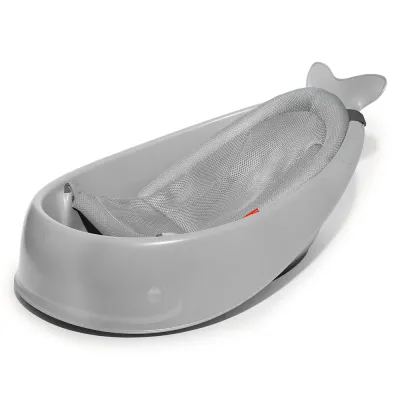
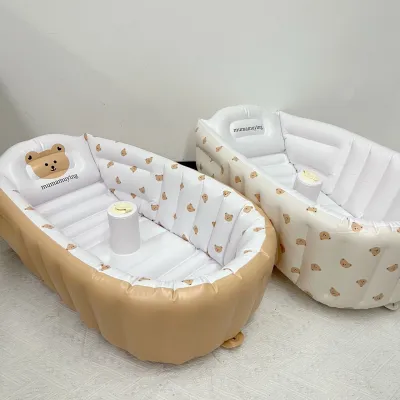
![[𝐒𝐆 𝐒𝐞𝐥𝐥𝐞𝐫] BabySPA Inflatable Bathing Showering Tub for Baby/Infant](https://img.lazcdn.com/g/p/56056489a19b9dcd23db3b0169948097.jpg_400x400q80.jpg_.webp)
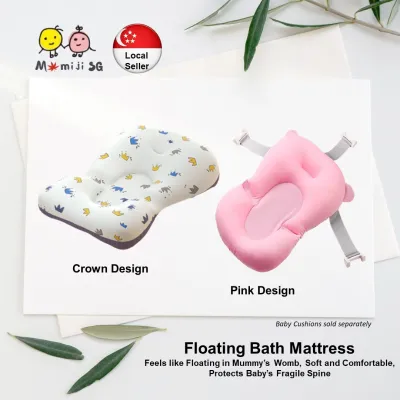
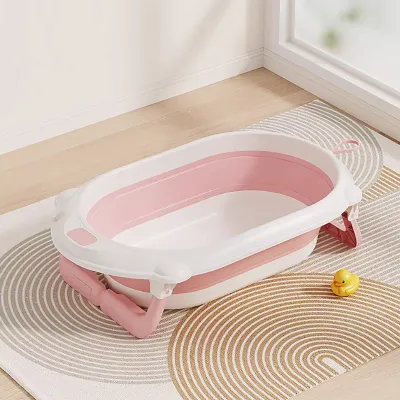
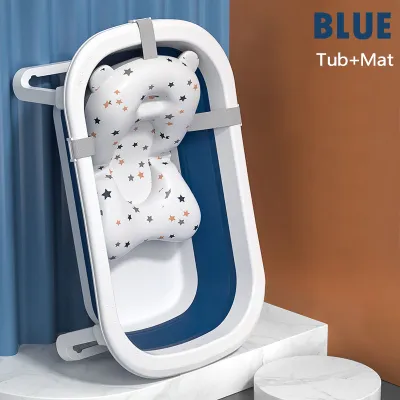
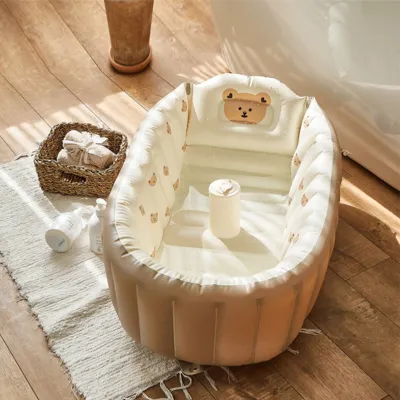
![[SG Seller] Baby Bath Tub with Temperature Sensor Infant Shower Basin Portable Infant Bathtub | 0-4 Years](https://img.lazcdn.com/g/p/35dbbac6cf6f0f88c17870317e867598.jpg_400x400q80.jpg_.webp)
Prices are valid at publication and may change. Please refer to the product page for the latest price.
When evaluating baby bath tubs, parents should look for compliance with recognized international safety standards rather than local medical certifications. The two most prominent standards for baby bathing equipment are ASTM F2670 and EN 17072. ASTM F2670 is an American standard that establishes specific safety requirements for infant bath tubs, focusing on structural stability, resistance to tipping, secure latching mechanisms for folding models, and the inclusion of permanent warning labels to prevent drowning. EN 17072 is the European standard, which covers bath tubs, stands, and non-standalone bathing aids. This standard mandates rigorous testing for chemical safety, physical hazards such as finger entrapment or sharp edges, thermal hazards, and overall structural durability. Reputable global brands design and test their products to meet these stringent benchmarks, providing a reliable indicator of safety.
Essential Safety Features to Look for in a Baby Tub
Selecting the right baby bath tub requires a close examination of its physical design and material composition. The primary goal is to minimize the risks of slipping, tipping, and exposure to harmful chemicals. A safe baby tub must feature excellent structural stability. Look for a tub with a wide, low-profile base and robust, slip-resistant rubberized feet. These features prevent the tub from sliding when placed inside an adult bathtub, on a bathroom floor, or on a dedicated bath stand. The interior of the tub should also have a textured, non-slip surface to keep your baby from sliding around during the bath.
Another critical component is the drainage system. A secure, leak-proof drainage plug is essential to keep the water level consistent during the bath. The plug must fit tightly and sit flush with the bottom of the tub so it does not scratch or irritate your baby’s sensitive skin. Some modern baby tubs feature heat-sensitive drainage plugs that change color when the water temperature exceeds a safe threshold. While these color-changing plugs are helpful visual aids, they should always be treated as secondary checks rather than a replacement for manual temperature verification.
Ergonomic support is vital, especially for newborns who cannot yet support their own heads. Look for tubs that incorporate a contoured infant insert, a removable mesh sling, or a built-in crotch post. These design elements help keep your baby in a secure, reclined position, preventing them from sliding downward into the water. As your baby grows and gains core strength, a tub that can transition by removing these inserts will allow them to sit upright safely.
Material safety is equally important, as babies frequently touch the tub surfaces and place their wet hands in their mouths. Ensure the tub is constructed from high-quality, non-toxic plastics such as polypropylene (PP) or high-density polyethylene (HDPE). The product label should explicitly state that the tub is free from Bisphenol A (BPA), phthalates, and heavy metals. These chemicals can leach into warm bath water and pose health risks to developing infants, making chemical-free declarations a key selection criterion.
Verifying Manufacturer Claims and Material Safety
Navigating online marketplaces and retail stores can be challenging due to the abundance of marketing jargon. Many third-party sellers use unverified terms like “medical-grade,” “pediatrician-recommended,” or “clinically approved” to make their products stand out. Because there is no official regulatory body that issues these specific titles for baby bath tubs, parents should look past the marketing hype and focus on verifiable evidence of safety.

To confirm a manufacturer’s safety claims, look for evidence of independent third-party testing. Reputable brands submit their products to accredited global testing laboratories, such as SGS, TÜV Rheinland, or Intertek. These laboratories conduct rigorous physical and chemical tests to verify compliance with ASTM or EN standards. Many manufacturers publish these test reports or display the corresponding certification marks on their official websites or product packaging. If a seller cannot provide proof of compliance with recognized international standards, it is best to consider alternative options.
Always cross-reference the manufacturer’s stated specifications with your baby’s current age, weight, and developmental stage. A tub that is perfectly safe for a sitting nine-month-old may be highly dangerous for a newborn who lacks neck control. Conversely, placing an older, active infant in a tub designed strictly for newborns can lead to tipping hazards. Never rely solely on a product’s name or aesthetic appeal; instead, verify that your baby falls well within the recommended weight and height limits specified in the user manual.
Finally, inspect the physical product and its accompanying documentation upon delivery. Legitimate, safety-compliant baby bath tubs will always include a comprehensive user manual printed in English. This manual should detail proper assembly instructions, maximum water level markings, and prominent safety warnings regarding drowning hazards and supervision. The absence of clear instructions or warning labels is a significant red flag that may indicate a counterfeit or substandard product.
Safe Setup and Active Supervision Practices
Even the most advanced, safety-certified baby bath tub cannot replace the active vigilance of a caregiver. Establishing safe bathing habits and preparing your environment beforehand are the most effective ways to prevent accidents. Before you begin, ensure the baby bath tub is placed on a flat, stable, and completely slip-resistant surface. If you are using a dedicated bath stand to avoid bending over, verify that the stand is specifically designed and approved for your exact tub model. Ensure all locking mechanisms on the stand are fully engaged, and never leave the stand on an uneven floor.
Water management is another crucial aspect of bath safety. Fill the tub with only a few inches of warm water—typically no more than two to three inches for a newborn. The water temperature should be comfortably warm, ideally between 37°C and 38°C, which matches normal body temperature. Always test the water temperature manually using the inside of your wrist or your elbow before placing your baby in the tub. These areas of your skin are far more sensitive to heat than your hands, allowing you to detect potential scalding hazards accurately.
The golden rule of baby bath safety is maintaining constant, touch-distance adult supervision. Drowning can occur quickly and silently in as little as two centimeters of water. Never leave your baby unattended in the bath for any reason, even for a brief moment to answer a phone call, grab a towel, or open the door. If you must leave the bathroom, always lift your baby out of the tub, wrap them in a towel, and carry them with you. Never delegate supervision to an older sibling, as they do not possess the developmental capacity to respond to an emergency.
To ensure you never have to step away from the tub, practice thorough preparation. Before turning on the water, gather all necessary bathing essentials and place them within arm’s reach of your bathing station. This includes a mild, baby-safe cleanser, a soft washcloth, a dry hooded towel, a clean diaper, and a fresh change of clothes. Having these items ready allows you to keep at least one hand on your baby throughout the entire bathing process, ensuring a safe and stress-free experience for both of you.
Frequently Asked Questions (FAQ)
Do baby bath tubs need a specific safety mark to be sold in Singapore?
No, baby bath tubs do not require a specific local safety mark, such as the Safety Mark used for controlled electrical appliances, to be sold in Singapore. Instead, they are regulated as general consumer goods under the Consumer Protection (Consumer Goods Safety Requirements) Regulations. This means they must comply with general safety requirements and are expected to meet established international standards like ASTM F2670 or EN 17072. Parents should look for these international standard codes on the packaging to verify safety compliance.
Are inflatable baby bath tubs safe for newborns?
Inflatable baby bath tubs are generally not recommended for newborns. Newborns lack the neck strength and core stability to support themselves, requiring a rigid, contoured tub with dedicated infant inserts or slings to keep their head safely above water. Inflatable tubs lack this structural rigidity and present risks of sudden deflation, punctures, or tipping if the baby shifts weight. These tubs are better suited for older infants who can sit upright independently and are typically used as travel options rather than primary everyday tubs.
How often should I replace my baby's bath tub?
You should replace your baby’s bath tub immediately if you notice any signs of physical wear, such as cracking, warping, or plastic degradation, which can compromise structural integrity. Mold or mildew buildup in hard-to-clean joints, crevices, or folding mechanisms is another clear sign that it is time for a replacement, as these fungi can irritate your baby’s sensitive skin. Additionally, you must transition to a larger tub or an adult bathtub once your baby exceeds the manufacturer’s specified weight or height limits, or when they outgrow the tub’s physical boundaries.
Community discussion
Share your experience or ask a question. Comments are reviewed before publication.