
When shopping for baby nursery gear in Singapore, safety is understandably the top priority for parents. If you are searching for a baby bath stand that is certified by the Health Sciences Authority (HSA), it is important to clarify a common regulatory misconception right away. The HSA does not certify, register, or approve baby bath stands, as these products do not fall under the category of medical devices, pharmaceuticals, or health products. Instead, baby bath stands are classified as general consumer products, which are overseen by different regulatory frameworks and international safety standards.
To ensure your baby’s safety during bath time, you should look for compliance with recognized consumer product safety standards rather than searching for an HSA registration number. Understanding how these products are regulated locally and internationally will help you make an informed, secure purchase. By focusing on structural stability, material safety, and proper usage guidelines, you can confidently select a bath stand that protects your child and saves your back from unnecessary strain.
Clarifying Safety Certifications for Baby Bath Stands
To navigate the market effectively, parents must understand the distinct roles of different regulatory bodies in Singapore. The Health Sciences Authority (HSA) is specifically tasked with regulating health products, including therapeutic products, medical devices, cosmetics, and health supplements. Because a baby bath stand is a piece of nursery furniture designed to support a baby tub, it does not serve a medical purpose and is therefore entirely outside the HSA’s regulatory scope. Looking for an HSA logo or certification on a bath stand is a dead end, as no legitimate brand of bath stand will carry this credential.
Products mentioned in this guide
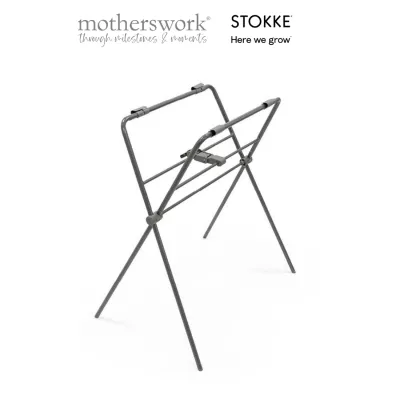

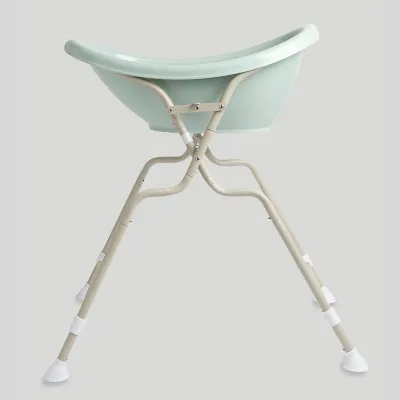
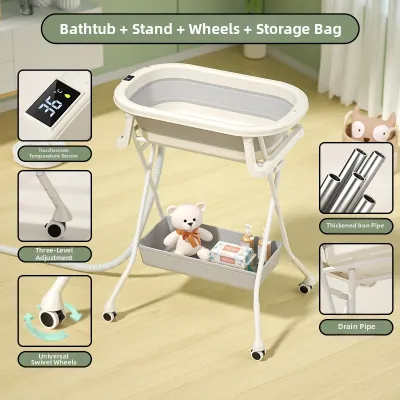
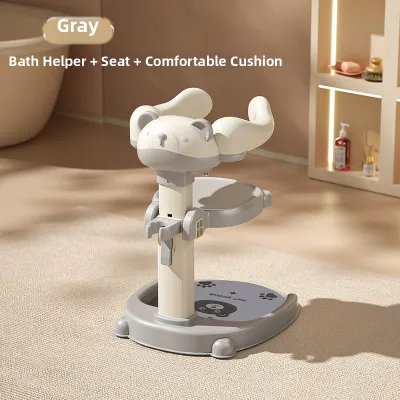
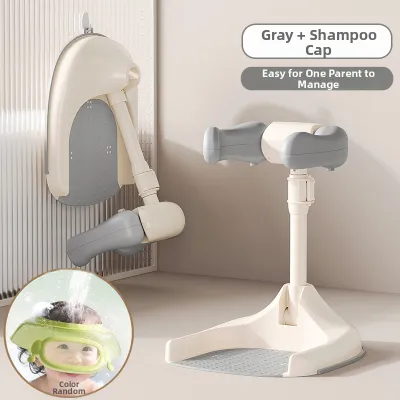
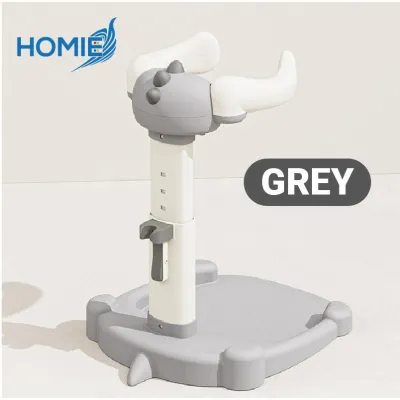
Prices are valid at publication and may change. Please refer to the product page for the latest price.
Instead, general consumer products in Singapore are monitored by the Consumer Product Safety Office (CPSO), which operates under Enterprise Singapore. The CPSO is responsible for ensuring that consumer goods sold in the local market meet safety requirements to protect the public from hazards. While the CPSO maintains a list of controlled goods that require specific safety marks before sale, general nursery furniture like bath stands typically falls under general consumer product safety guidelines. This means manufacturers and distributors are legally obligated to ensure their products are safe for use, even if they do not carry a specific local registration mark.
Because local registration is not standard for these items, reputable global brands rely on rigorous international safety standards to demonstrate the quality and integrity of their products. When evaluating a bath stand, you should look for compliance with established international standards on the packaging, user manual, or manufacturer’s website. For example, the European standard EN 12221 (which covers changing units and bathing units for domestic use) is a highly respected benchmark that specifies safety requirements, test methods, and structural stability criteria.
Another common standard is ASTM F2371, a standard consumer safety specification developed by ASTM International that addresses the performance and labeling of infant bath tubs and their associated supports. These standards test for critical safety factors, including structural strength, resistance to tipping, secure locking mechanisms, and the absence of sharp edges or entrapment hazards. When a brand transparently states compliance with EN 12221 or ASTM F2371, it provides a reliable assurance of safety that goes far beyond any misplaced expectations of medical-grade certification.
As a consumer in Singapore, your best approach is to treat any claims of “HSA certification” on a bath stand with skepticism, as this often indicates a misunderstanding of local regulations or misleading marketing. Instead, focus your research on verifying that the manufacturer has undergone independent third-party testing against recognized international nursery furniture standards. This verification process ensures that the product has been engineered to withstand the physical demands of supporting a water-filled tub and a moving infant.
How to Evaluate the Safety and Stability of a Bath Stand
In the absence of a single local certification mark, parents must learn how to physically evaluate the safety, stability, and structural integrity of a bath stand. The primary hazard associated with elevated bath stands is the risk of tipping or structural collapse, which can lead to serious fall injuries. To mitigate this risk, start by examining the base footprint of the stand. A safe bath stand should feature a wide, stable base that distributes weight evenly across the floor, preventing the unit from wobbling or tipping when the baby moves or splashes.

The feet of the stand are equally critical to its overall stability, especially in wet bathroom environments. Look for stands equipped with robust, non-slip rubber or thermoplastic elastomer (TPE) feet that grip the floor securely. In Singapore, where bathroom floors are commonly tiled and frequently wet during bath time, these non-slip grips prevent the stand from sliding or shifting unexpectedly. Avoid stands with hard plastic feet that offer little traction on wet surfaces, as these can easily slip under the weight of a filled tub.
Weight capacity is another fundamental specification that you must verify directly from the manufacturer’s documentation before purchase. Every bath stand is engineered to support a specific maximum weight, which must account for the combined weight of the stand itself, the baby tub, the water, and the growing infant. Exceeding this weight limit compromises the structural integrity of the frame, increasing the risk of bending, cracking, or sudden collapse. Always check the user manual to ensure the stand’s weight limit accommodates your baby’s current weight and projected growth, along with the volume of water you intend to use.
Material safety and hygiene are particularly important in Singapore’s hot and humid climate, which creates an ideal breeding ground for mold, mildew, and bacteria. The frame of the bath stand should be constructed from high-quality, rust-resistant materials, such as powder-coated steel or heavy-duty aluminum. Untreated metals can quickly corrode when exposed to water and high humidity, weakening the joints and posing a safety hazard. Additionally, any plastic components, such as the tub support brackets or utility trays, must be made from durable, BPA-free plastics that do not degrade or leach harmful chemicals over time.
Seamless design and easy-to-clean surfaces are essential for maintaining hygiene and preventing the buildup of organic matter. Look for stands with smooth, non-porous surfaces and minimal crevices where water can pool and mold can grow. After each use, the stand should be thoroughly wiped down and allowed to dry completely in a well-ventilated area. This practice not only extends the lifespan of the materials but also protects your baby’s sensitive skin from exposure to mold spores and bacterial contaminants.
Ergonomics play a vital role in caregiver safety and comfort, as bathing a baby in a low tub can cause significant back, neck, and shoulder strain. A well-designed bath stand elevates the tub to a comfortable waist height, allowing you to maintain a natural, upright posture while bathing your child. This ergonomic benefit is not just about comfort; it also enhances safety by ensuring you have a secure, comfortable grip on your baby at all times. When you are not struggling with back pain, you can focus entirely on supervising your baby and maintaining a safe hold.
Finally, if you are considering a foldable, adjustable, or wheeled model, you must verify the presence of secure, fail-safe locking mechanisms. Foldable stands are highly popular in space-constrained Singapore apartments, but they must feature a positive locking system that prevents the frame from folding accidentally during use. If the stand has wheels or casters for easy mobility, ensure that at least two of the wheels feature reliable, independent locking brakes. These brakes must be engaged before you place the tub on the stand or begin the bath, ensuring the unit remains completely stationary throughout the process.
Daily Safety Checks and Maintenance for Bath Stands
Even the most robust, internationally certified bath stand can become hazardous if it is not used and maintained correctly. The absolute golden rule of baby bath safety is that you must never, under any circumstances, leave your baby unattended on an elevated bath stand. Elevated stands introduce a significant fall hazard that does not exist with floor-level tubs. Even if the stand features a harness system, or if you believe your baby is too young to roll over, you must maintain constant physical contact and visual supervision. Never step away to grab a towel, answer the door, or retrieve a phone; always keep everything you need within arm’s reach before you begin.
Establishing a routine physical inspection habit is essential for identifying wear and tear before it leads to an accident. Before every single bath, take a few seconds to inspect the stand’s structural components. Check for loose screws, bolts, or rivets, and tighten them immediately if necessary. Inspect the plastic joints and brackets for any signs of stress whitening, cracking, or warping. Examine the rubber feet to ensure they are clean, intact, and free of soapy residue, which can reduce their grip on the bathroom floor.
Proper cleaning and drying routines are critical to preventing material degradation and maintaining a safe bathing environment. After each bath, empty the tub completely and wipe down the stand with a clean, dry cloth to remove standing water, soap scum, and bath oils. In Singapore’s humid climate, leaving a wet stand in a closed, unventilated bathroom can accelerate rust formation and mold growth. Store the stand in a dry, well-ventilated area, and occasionally clean the frame with a mild, non-abrasive detergent to remove any accumulated grime.
Knowing when to permanently retire or stop using a bath stand is crucial for your baby’s safety. As infants grow, they become increasingly active, learning to splash, kick, roll, and eventually push themselves up. You must stop using an elevated bath stand immediately when your baby reaches the manufacturer’s maximum weight limit, or when they begin to show signs of physical mobility, such as rolling over, sitting up independently, or pulling themselves up on the sides of the tub. At this developmental stage, the risk of the baby shifting their weight and tipping the stand increases dramatically, making a transition to a floor-level tub or a standard household bathtub necessary.
Frequently Asked Questions (FAQ)
Do I need a medical-grade certification for a baby bath stand?
No, you do not need a medical-grade certification for a baby bath stand. Because bath stands are standard nursery furniture rather than medical devices, they are not regulated or certified by medical authorities like the Health Sciences Authority (HSA) in Singapore. Instead, look for compliance with general consumer product safety standards, such as the European EN 12221 or American ASTM F2371 standards. These certifications ensure the product has undergone rigorous physical testing for stability, weight capacity, and structural integrity, which is entirely sufficient for domestic use.
Are bath stands safer than bathing a baby in a regular floor tub?
Bath stands and floor tubs offer different safety and ergonomic trade-offs, and neither is universally safer than the other. Bath stands provide excellent ergonomic support for caregivers, reducing back strain and allowing you to maintain better control and supervision of your baby at waist height. However, they introduce a fall hazard due to the elevation, requiring absolute, uninterrupted supervision. Floor-level tubs eliminate the risk of falls from a height, making them inherently safer in terms of gravity-related accidents, but they require the caregiver to bend or kneel, which can be physically taxing and may affect your ability to react quickly if you experience sudden discomfort.
What should I do if my bath stand does not have a visible safety label?
If your bath stand does not have a visible safety label or certification mark on the frame itself, you should take proactive steps to verify its safety before use. Start by checking the manufacturer’s official website or the product’s user manual for declarations of compliance with international standards like EN 12221. You can also contact the retailer or distributor in Singapore to request documentation or proof of third-party safety testing. If the brand is completely anonymous, lacks clear contact information, or cannot provide verifiable safety documentation, it is safest to avoid the product and opt for a reputable brand that is transparent about its testing and compliance records.
Community discussion
Share your experience or ask a question. Comments are reviewed before publication.