
To ensure a baby bath shower cap is safe before use, caregivers must verify that it is made of non-toxic, food-grade materials free from chemical odors, features a soft and smooth edge design that will not scrape sensitive skin, offers a secure and adjustable fit that prevents water leakage without restricting circulation, and contains absolutely no small, detachable parts that pose a choking hazard.
Bath time is a wonderful opportunity for sensory play and bonding, but soapy water running into a baby’s eyes can quickly turn a peaceful routine into a stressful ordeal. While a baby bath shower cap is a practical tool to keep water and shampoo away from sensitive eyes and ears, not all caps on the market meet the rigorous safety standards required for infant products. Because a baby’s skin is exceptionally thin and their physical structure is still developing, any accessory used during bath time must be evaluated with the utmost care.
A thorough pre-use inspection is the best way to ensure the cap remains a helpful bathing aid rather than a safety hazard. By systematically checking the material composition, physical design, fastening mechanisms, and overall structural integrity of the cap, you can protect your little one from skin irritation, physical discomfort, and accidental injury. This guide outlines the essential safety features to inspect before placing any shower cap on your baby’s head.
Products mentioned in this guide
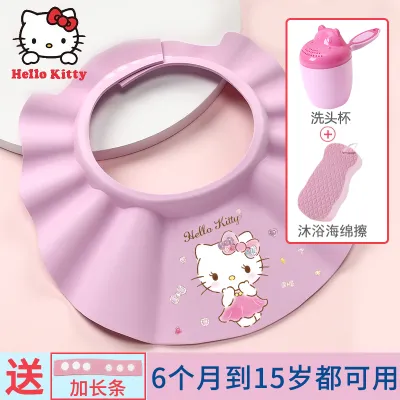
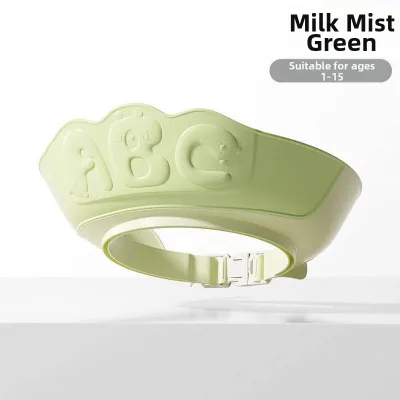

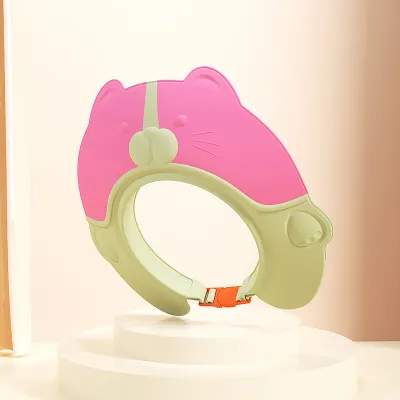
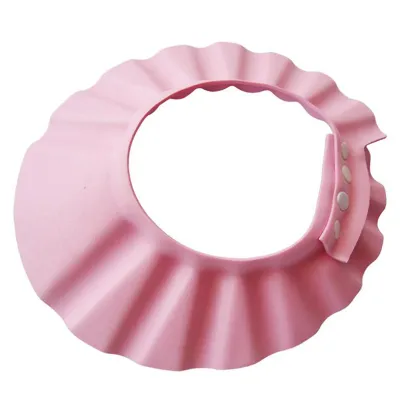
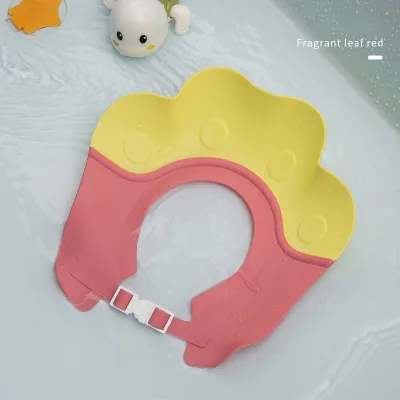

Prices are valid at publication and may change. Please refer to the product page for the latest price.
Material Safety and Toxicity Checks
When selecting and inspecting a baby bath shower cap, the chemical composition of the material should be your primary concern. Babies have highly sensitive skin that easily absorbs chemicals, and they frequently put bath accessories into their mouths. Therefore, you must verify that the cap is constructed from completely non-toxic, food-grade materials. Look closely at the product packaging and manufacturer labels to confirm that the item is free from Bisphenol A (BPA), phthalates, lead, latex, and polyvinyl chloride (PVC).
Upon unboxing a new shower cap, perform a sensory check by smelling the product. A strong, pungent chemical odor or plastic smell is a clear warning sign of off-gassing, which indicates the presence of volatile organic compounds or low-quality plasticizers used during manufacturing. If a strong smell persists even after washing the cap thoroughly with mild baby soap and warm water, do not use it on your baby. Safe, high-quality materials should have no noticeable chemical scent.
The main body and inner lining of the cap should ideally be made of premium, flexible materials such as food-grade silicone or high-density ethylene-vinyl acetate (EVA) foam. These materials are excellent choices because they are naturally resistant to water absorption, which helps prevent the growth of mold, mildew, and bacteria. They are also incredibly soft and pliable, allowing them to conform gently to the baby’s head shape without causing friction-induced redness or allergic reactions.
Before the first use, run your fingers over the entire surface of the cap to evaluate its texture. The material should feel smooth, supple, and slightly elastic to the touch. Avoid caps made of hard, rigid plastics that do not bend easily. Stiff materials will fail to create a proper seal around the forehead, leading to water leakage, and can press uncomfortably against the baby’s delicate skull, particularly around the sensitive fontanelles.
Edge Design and Skin Protection
The physical design of the cap’s brim is critical for both water diversion and physical safety. The primary purpose of the cap is to channel water away from the face, which requires a wide, structured brim. Inspect the brim to ensure it is sufficiently wide and curves slightly upward or outward. This shape uses gravity to direct water backward and to the sides, keeping it completely away from the baby’s eyes, nose, and ears. A brim that is too narrow or flimsy will collapse under the weight of poured water, causing soapy runoff to spill directly onto the face.

Next, carefully examine the inner and outer edges of the cap where the material meets the baby’s skin. Run your fingers along all seams, joints, and borders to check for any sharp edges, hard plastic burrs, or rough finishing left over from the manufacturing mold. Even minor imperfections can scrape or irritate a baby’s delicate forehead and temples, especially when the cap is fitted snugly. Any sign of roughness or sharp molding lines should be a reason to reject the product.
Test the flexibility and structural integrity of the brim by gently bending it in various directions. A safe, high-quality cap should bend easily under light pressure but immediately snap back into its original shape without cracking, creasing, or showing white stress marks. If the material feels brittle or shows signs of weakening when bent, it may crack during use, creating sharp edges that could cut the baby’s skin or pinch their hair.
If the shower cap features integrated ear protection flaps, inspect these components with equal care. The ear flaps must be made of the same soft, flexible material as the main body and should cover the ears gently without pressing hard against the cartilage. Ensure there are no stiff plastic inserts or rigid reinforcement wires inside the flaps, as these can cause significant discomfort and pain when the baby turns or tilts their head during the bath.
Fit Security and Adjustability
A baby’s head shape and size change rapidly during their first few years, making adjustability a key safety and comfort feature. Look for a baby bath shower cap that offers a reliable, adjustable fastening system, such as multiple snap buttons, adjustable hook-and-loop straps, or a highly flexible elastic band. A customizable fit ensures that the cap can grow with your baby, providing a secure seal at every stage of development without requiring a new purchase every few months.
Before placing the cap on your baby, test the elasticity and tension of the band on your own hand or arm. The band should stretch smoothly and provide a gentle, even grip. If the elastic feels stiff, rigid, or requires significant force to stretch, it is likely too tight for an infant’s head. Excessive tightness can restrict blood circulation, cause headaches, and leave deep, painful red marks on the baby’s forehead. The goal is a gentle, snug fit that distributes pressure evenly across a wide, flat band rather than concentrating it in a narrow line.
During a bath, babies naturally splash, turn their heads, and try to touch or pull at the cap. The fastening mechanism must be secure enough to withstand these movements without slipping or coming undone. Snap buttons should click firmly into place and require a deliberate, firm pull to open, while hook-and-loop straps should have strong, water-resistant adhesion. If the cap slips down over the baby’s eyes or falls off easily, it poses a safety risk by distracting you and exposing the baby’s face to a sudden rush of soapy water.
To verify the fit dynamically, place the cap on your baby’s head and ensure you can comfortably slip one of your fingers under the band. The cap should remain securely in place when the baby moves, without sliding down or shifting upward. If the cap fits correctly, it will create a continuous, watertight seal around the hairline, keeping the face completely dry while allowing your baby to play comfortably in the tub.
Choking Hazards and Detachable Parts
One of the most critical safety checks for any baby product is identifying potential choking hazards. Many baby bath caps are designed with cute, colorful embellishments, such as animal ears, cartoon characters, decorative buttons, or small plastic visors. While these features make the cap visually appealing, they can be highly dangerous if they are not molded as a single, continuous piece with the main body of the cap.
Carefully inspect the cap for any glued-on, stitched, or snapped-on decorative elements. Warm water, baby shampoo, and physical handling can quickly degrade adhesives and threads, causing these small parts to detach during the bath. Because babies naturally explore objects with their mouths, a detached button or plastic ear can easily become a choking hazard. Avoid caps with any non-essential, detachable decorations.
Examine the adjustment straps, buckles, and fasteners closely. Avoid caps that utilize small, hard plastic toggles, sliding clips, or decorative beads to adjust the strap tension. These small components can easily break off under pressure or wear and tear, presenting a severe ingestion risk. Instead, opt for caps with integrated snap buttons or wide hook-and-loop straps that are fused directly into the main material of the cap.
Perform a gentle pull test on all seams, joints, and attachment points before every bath. The materials should be fused together seamlessly with no signs of peeling, lifting, or weak bonds. If you notice any loose edges or peeling layers, discard the cap immediately. A baby’s curious fingers can easily pick at these weak spots, tearing off small pieces of foam or plastic that could be swallowed or inhaled.
When to Stop Using and Replace the Shower Cap
Like all baby bath accessories, a shower cap has a limited lifespan and must be replaced regularly to ensure ongoing safety and hygiene. Over time, constant exposure to warm water, baby shampoo, body oils, and friction will cause even the highest-quality materials to degrade. Inspect the cap before every single use for visible signs of wear and tear, and be prepared to discard it the moment its integrity is compromised.
The first sign of material degradation is often a change in texture. If the EVA foam or silicone begins to feel brittle, starts to peel, or develops fine cracks along the edges or seams, stop using the cap immediately. Cracking materials can shed tiny, sharp particles that could get into your baby’s eyes or mouth, and the cracked edges themselves can pinch or scratch sensitive skin.
Another clear indicator that it is time for a replacement is a loss of elasticity or secure fit. If the adjustable straps stretch out, the snap buttons fail to hold firmly, or the elastic band loses its rebound, the cap will no longer create a reliable, watertight seal. A loose cap can slip down unexpectedly during a rinse, covering your baby’s nose and mouth, which can cause panic, breathing obstruction, or water inhalation.
Finally, pay close attention to hygiene. Bathrooms are highly humid environments, making bath accessories susceptible to mold and mildew growth. Soap scum, dead skin cells, and water can easily accumulate in the crevices, snap buttons, and textured surfaces of the cap. If you notice black spots, discoloration, or a musty odor that cannot be completely removed by washing with warm, soapy water and a soft brush, discard the cap immediately. Using a moldy cap near a baby’s face can lead to skin irritation, eye infections, or respiratory issues.
To extend the lifespan of your baby’s shower cap, always rinse it thoroughly with clean water after each bath to remove all soap residue. Shake off excess water and hang it to dry in a well-ventilated area away from direct sunlight and heat sources, which can warp or melt the materials. Proper storage prevents premature degradation and keeps the cap safe for its next use.
Frequently Asked Questions (FAQ)
Can I use a regular adult shower cap for my baby?
No, you should not use a regular adult shower cap for your baby. Adult shower caps are designed for much larger head circumferences and lack the specialized, gentle adjustability required for an infant’s delicate head. An adult cap will be far too loose, allowing water and soap to leak directly into your baby’s eyes and ears, or it may slip down and cover their nose and mouth, posing a suffocation hazard. Furthermore, adult caps typically do not feature the wide, structured, rigid-yet-flexible brim designed to channel water away from the face. Finally, general adult products are not subjected to the same strict chemical safety and toxicity testing as baby-specific items, meaning they may contain harmful plasticizers or chemicals that are unsafe for a baby’s sensitive skin.
How tight should a baby bath shower cap be?
A baby bath shower cap should be gently snug, similar to the fit of a soft, comfortable headband. It must provide enough tension to create a continuous, watertight seal around the forehead and sides of the head, preventing water from leaking underneath. However, it should never be tight enough to cause discomfort, restrict blood flow, or leave red marks or indentations on your baby’s skin after removal. When fitting the cap, you should be able to comfortably slip a finger between the band and your baby’s head. If your baby becomes fussy, cries, or repeatedly tries to pull the cap off, it is likely too tight or uncomfortable. In such cases, adjust the cap to a looser setting or remove it immediately to ensure a positive and safe bath time experience.
Community discussion
Share your experience or ask a question. Comments are reviewed before publication.