
Are Baby Bath Hats Safe for Newborns?
While a baby bath hat can be a helpful tool for older infants who can sit up and support their own heads, they are generally not recommended for newborns without extreme caution and strict adherence to manufacturer guidelines. A newborn is typically defined as an infant from birth to three months of age. During this highly delicate developmental stage, a baby’s physical anatomy, sensitive skin, and lack of motor control make the introduction of any headwear during bath time a highly sensitive decision that requires careful evaluation.
At this early stage of life, a newborn’s neck muscles are not yet strong enough to support the weight of their head. Any accessory placed on their head can shift their center of gravity, restrict their natural movement, or cause them to tilt their head forward, which can potentially compromise their airway. Furthermore, a newborn’s skull is still forming, with soft spots known as fontanelles that are highly sensitive to external pressure. Placing a band or hat around these areas requires absolute precision to avoid safety risks.
No bath accessory, including a baby bath hat, can ever replace direct, hands-on adult supervision. Bath time is a high-risk scenario where accidents can occur in a matter of seconds. A bath hat should never be viewed as a safety device that allows a caregiver to divert their attention or step away from the bath. Instead, it is merely a convenience tool designed to channel water away from the face, and its use must always be accompanied by vigilant, uninterrupted supervision.
Products mentioned in this guide
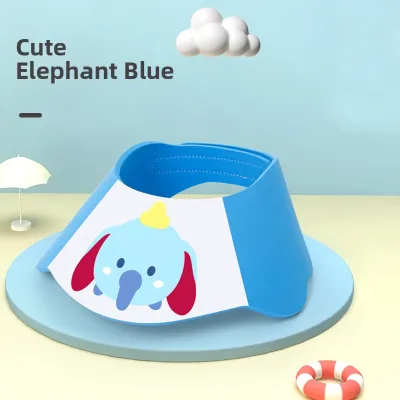
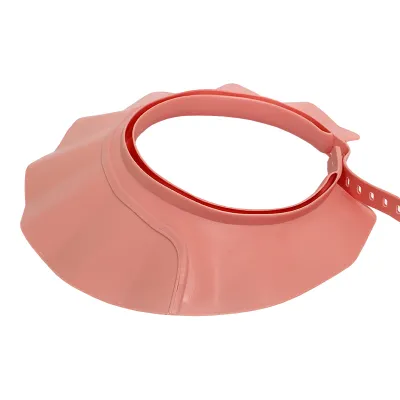
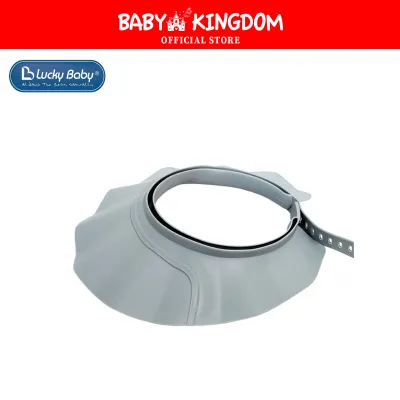
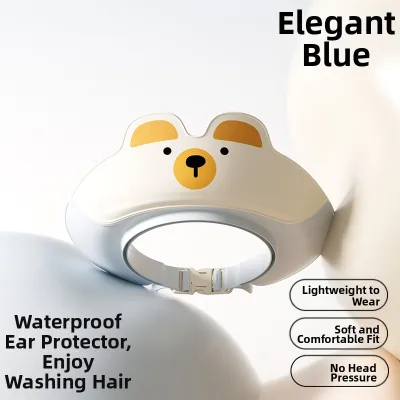
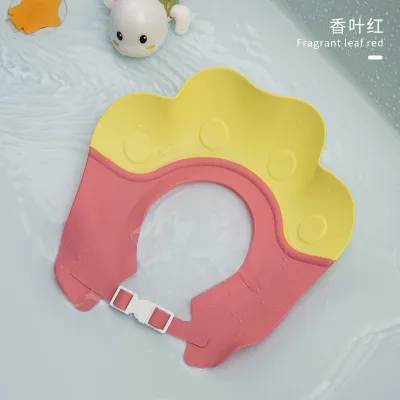
![[𝐒𝐆 𝐒𝐞𝐥𝐥𝐞𝐫] BabySPA Adjustable Baby Shampoo Bath Shower Cap Hat for Babies Face Shield](https://img.lazcdn.com/g/p/464e846acec311424a2226806206f26d.jpg_400x400q80.jpg_.webp)
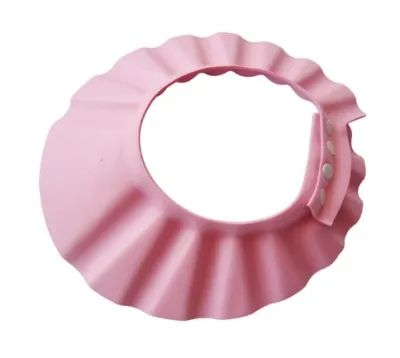
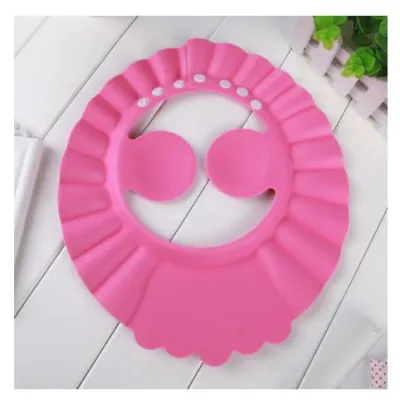
Prices are valid at publication and may change. Please refer to the product page for the latest price.
For a baby bath hat to be used with any degree of safety, several baseline conditions must be met. The product must be specifically rated for your baby’s current age and head circumference, constructed from verified non-toxic materials, and free from any small parts that could detach. Additionally, the caregiver must remain within arm’s reach, keeping at least one hand on the baby at all times to ensure the hat does not slip, shift, or cause physical distress.
Key Safety Risks to Watch Out For
Newborns are uniquely vulnerable to hazards in the bathroom due to their physiological immaturity and complete dependence on caregivers. When introducing a bath hat into this environment, parents must understand that a wet, slippery, and warm setting can amplify minor product defects into serious safety hazards. Evaluating these risks systematically is essential before deciding to use a bath hat during your baby’s bath routine.

These safety concerns generally fall into three distinct categories: chemical exposure through skin contact, mechanical issues related to fit and blood circulation, and physical hazards such as choking or airway obstruction. By breaking down these risks, caregivers can make informed decisions and identify potential warning signs before they lead to injury or discomfort.
Material Toxicity and Skin Sensitivities
A newborn’s skin is structurally different from adult skin; it is significantly thinner, more permeable, and has an underdeveloped barrier function. This makes infants highly susceptible to contact dermatitis, localized irritation, and the absorption of environmental toxins. Because a baby bath hat sits directly against the warm, damp skin of the forehead and scalp, the chemical composition of the material is of paramount importance.
Many inexpensive plastic, foam, or rubber bath accessories contain chemical plasticizers and stabilizers to keep them flexible. Parents must carefully inspect product packaging and labels for harmful chemicals such as bisphenol A (BPA), phthalates, polyvinyl chloride (PVC), and heavy metals like lead. Do not assume a product is safe simply because it is marketed for infants or features a soft, flexible texture; generic materials without clear safety disclosures pose a higher risk of chemical off-gassing and skin sensitization.
To mitigate these chemical risks, look for clear manufacturer safety certifications or compliance marks on the packaging. High-quality products will explicitly state that they are made from food-grade silicone or premium, toxin-free ethylene-vinyl acetate (EVA) foam. If a product lacks transparent ingredient labeling or does not reference recognized safety standards, it is safest to avoid placing it on your newborn’s sensitive skin.
Fit Tightness and Circulation Issues
The physical fit of a baby bath hat is a delicate balance. A newborn’s skull consists of malleable bones joined by fibrous sutures, allowing for rapid brain growth. If a bath hat is too tight, the elastic or adjustable band can exert excessive localized pressure on the frontal and temporal bones, potentially restricting blood flow, causing physical discomfort, or leaving deep red indentations on the baby’s delicate forehead and scalp.
Conversely, a bath hat that is too loose presents an equally serious safety hazard. If the band does not form a secure, gentle seal, soapy water can easily seep underneath the brim and run directly into the baby’s eyes, nose, or mouth. This can cause immediate stinging, crying, and sudden movements, increasing the risk of the baby slipping in the tub. Furthermore, a loose hat is highly prone to shifting during the bath, which can lead to sudden airway obstruction.
It is also vital to recognize that a newborn’s head circumference changes rapidly during the first few weeks of life. A bath hat that fits safely and comfortably during week two may become dangerously tight by week five. This rapid growth means that parents cannot rely on a one-time fit adjustment; the tightness and comfort of the band must be reassessed before every single use to prevent circulation issues and localized pressure points.
Choking, Strangulation, and Slipping Hazards
Many commercial baby bath hats are designed with decorative elements to make them look appealing to parents. These features may include artificial flowers, animal ears, decorative buttons, or adjustable plastic buckles and straps. While these designs may appear harmless, they represent significant choking and strangulation hazards if they become detached or broken during use, especially since newborns naturally explore their environment by putting objects in their mouths.
An even more critical hazard is the risk of the bath hat slipping downward over the newborn’s face. If the hat slides down, it can instantly cover the baby’s nose and mouth, obstructing their breathing. Because newborns lack the motor skills, hand-eye coordination, and neck strength required to push a slipped hat away from their face, a slipped hat can quickly lead to suffocation if the caregiver does not intervene immediately.
Additionally, adjustable straps that feature long cords or loops can pose a strangulation risk if they become tangled around the baby’s neck during the bath. Caregivers must prioritize simple, streamlined designs that rely on secure, integrated tension bands rather than loose strings, buckles, or detachable decorative components that can fail during use.
What Parents Should Check Before Buying and Using
Selecting a safe baby bath hat requires a systematic inspection of the product’s specifications, physical construction, and fit. Parents should never purchase a bath accessory based on visual appeal alone. By following a structured checklist, you can verify that the product is physically and chemically suitable for your infant before it ever comes into contact with water.
Label Verification
Before purchasing, carefully read the manufacturer’s packaging and product documentation. Look for specific age recommendations and precise head circumference ranges, usually measured in centimeters. Avoid products that use generic, non-specific terms like “one size fits all” or “suitable for babies.” Cross-reference the manufacturer’s stated size range with your baby’s actual head circumference, which you can measure using a soft, flexible measuring tape.
Physical Inspection
Once the product is in hand, perform a thorough physical inspection. Run your fingers along all edges, seams, and joints to ensure they are completely smooth and free from sharp plastic molding lines that could scratch your baby’s skin. Gently tug on any seams or adjustable sections to verify that the molding is secure. Ensure there are absolutely no small, glued-on parts, buttons, or decorative elements that could easily break off and pose a choking hazard.
Material Check
Perform a sensory evaluation of the material. Open the packaging in a well-ventilated room and check for any strong, pungent, or chemical odors. A persistent chemical smell is a strong indicator of off-gassing and poor material quality, which can trigger respiratory irritation or skin reactions in sensitive newborns. High-quality, food-grade silicone and premium EVA foam should be virtually odorless.
The Trial Fit
Never introduce a bath hat to your baby for the first time during an active bath. Instead, perform a dry trial fit when your baby is calm, alert, and dry. Gently place the hat on their head and apply the “two-finger rule”: you should be able to comfortably slide two of your fingers between the inner band of the hat and your baby’s scalp. If the band leaves immediate red marks, causes the skin to pucker, or feels highly resistant to your fingers, the hat is too tight and should not be used.
Brim Positioning
During the trial fit, observe the positioning of the brim. The inner band should rest comfortably above your baby’s eyebrows and ears. The brim itself must flare outward and upward to channel water away from the face. If the brim folds downward, presses against the eyelids, or covers the ears in a way that causes discomfort, the design is incompatible with your baby’s head shape and should be discarded.
Safe Usage Guidelines and When to Stop
If you decide that a baby bath hat is appropriate for your infant and fits them perfectly, implementing safe usage guidelines is critical to maintaining a hazard-free bath routine. Adhering to strict safety protocols ensures that the accessory remains a helpful tool rather than a source of danger.
- Maintain Constant Supervision: The most important rule of infant bathing is to never leave your baby unattended, even for a brief second. Do not turn your back to reach for a towel, answer a phone, or adjust the water tap. If you must leave the bathroom for any reason, wrap your baby in a towel and take them with you.
- Support the Head and Neck: When pouring water, always support your newborn's head and neck with one hand, keeping their airway clear and aligned. Use your other hand to gently pour warm water over their scalp, directing the flow backward over the brim of the hat. Pour the water slowly to prevent it from pooling or overflowing the sides of the brim.
- Monitor the Baby's Cues: Watch your baby's facial expressions and body language throughout the bath. If they show signs of distress, cry, or repeatedly attempt to push or claw the hat off their head, remove the hat immediately. Forced use of a bath accessory can cause unnecessary stress and make bath time a negative experience.
Knowing when to stop using a baby bath hat is just as important as knowing how to use it safely. Caregivers must immediately discontinue use and consult a healthcare professional or discard the product if any of the following conditions occur:
- Skin Irritation: You notice red marks, deep indentations, localized rashes, or chafing on your baby's forehead, temples, or behind their ears after removing the hat.
- Frequent Slipping: The hat repeatedly shifts, slides down over the eyes, or fails to maintain a secure, stable position during gentle movement.
- Material Degradation: The material of the hat shows signs of wear, such as becoming sticky to the touch, discolored, brittle, or developing small tears, cracks, or punctures.
- Outgrowing the Size Limit: Your baby's head circumference exceeds the manufacturer's maximum recommended size, or the "two-finger rule" can no longer be comfortably met.
Frequently Asked Questions (FAQ)
Can I use a regular shower cap instead of a baby bath hat?
No, regular or adult-sized shower caps are highly unsafe for newborns and infants. They lack the structured, secure fit and specialized water-channeling brim required to stay safely in place on a small head. An adult shower cap can easily slip down, completely covering the baby’s nose and mouth, which presents an extreme risk of suffocation. Always use products specifically designed, sized, and safety-tested for infants.
At what age or head size can a baby start using a bath hat?
Readiness depends primarily on the manufacturer’s specific minimum head circumference and the baby’s physical development, rather than a strict chronological age. Most manufacturers recommend waiting until a baby is at least six months old, has strong neck control, and can sit up with minimal support. Always check the product label for the minimum head size before attempting to use it, and never force a fit on a smaller infant.
How do I clean and store the bath hat to prevent mold?
In warm, humid environments like Singapore, bath accessories are highly susceptible to mold and mildew growth. After every use, thoroughly rinse the bath hat with clean, warm water to remove all soap and shampoo residue. Gently wipe it down with a soft cloth and hang or place it to air-dry completely in a well-ventilated area away from direct moisture. Always inspect the hat for any signs of mold or material breakdown before placing it on your baby’s head, and follow any specific care instructions provided by the manufacturer.
Community discussion
Share your experience or ask a question. Comments are reviewed before publication.