
Finding the right baby bag for a mother in Singapore involves balancing the tropical climate, daily commuting habits, and the sheer volume of essentials required for outings. Whether navigating crowded MRT trains or strolling through humid outdoor parks, a mother needs a bag that offers efficient storage without becoming an ergonomic burden. To determine which bag offers the best value, you must look beyond brand names and focus on structural design, material durability, and how well the layout matches your daily routine.
Core Metrics for Comparing Storage Capacity
When evaluating baby bags, the total volume advertised by manufacturers can often be misleading. A bag listed as having a twenty-liter capacity might feel much smaller if the interior space is poorly segmented or if the opening restricts access. To make an objective comparison, start by analyzing the main compartment’s opening mechanism. Clamshell designs, which feature zippers that run all the way down the sides, allow the bag to open completely flat like a suitcase. This layout provides an immediate view of all contents, making it easy to retrieve items packed at the very bottom without disrupting the rest of your organization. In contrast, traditional top-loading bags with simple top zippers or drawstring closures can create a deep cavity where smaller items easily get lost, requiring you to unpack multiple layers to find a single diaper.
Beyond the main compartment, the configuration of specialized pockets plays a critical role in daily usability. Dedicated insulated bottle pockets are essential for keeping milk or water at a safe temperature, especially when walking outdoors in Singapore’s year-round heat. Look for pockets lined with thick thermal insulation and verify their physical dimensions to ensure they can accommodate the specific brand and size of baby bottles you use. A dedicated wipes pocket, ideally located on the exterior with a magnetic flap or a slit dispenser, allows you to grab a wipe instantly with one hand during a messy cleanup. Additionally, look for secure, padded compartments designed to protect personal electronics like tablets or smartphones, keeping them separate from wet or soiled baby items.
Products mentioned in this guide
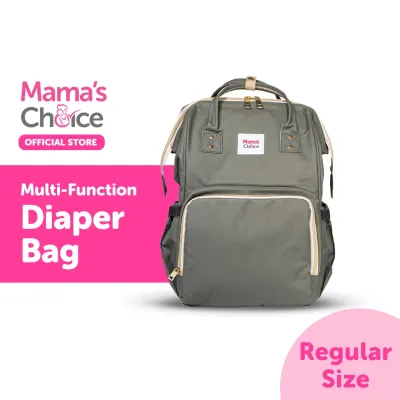
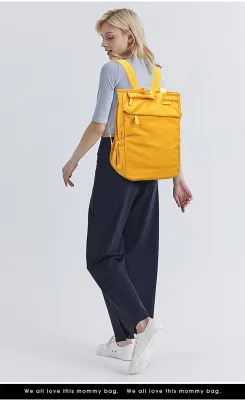
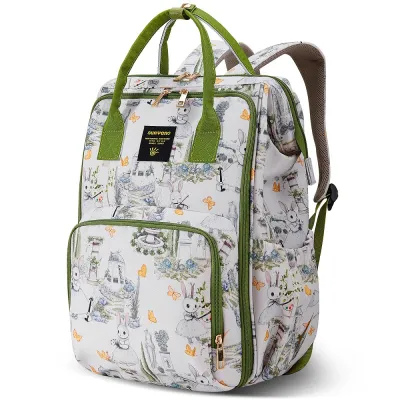
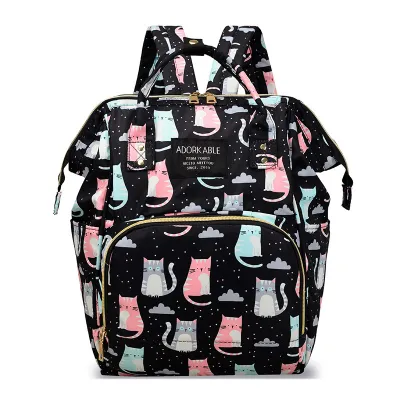
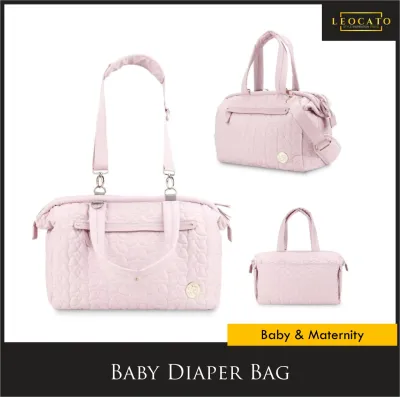
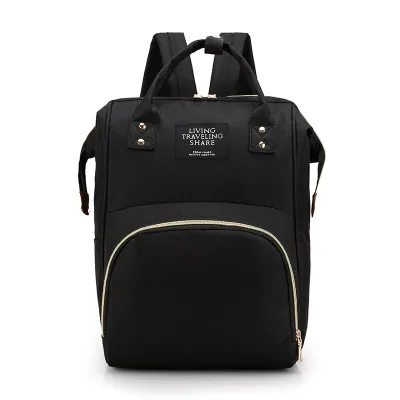
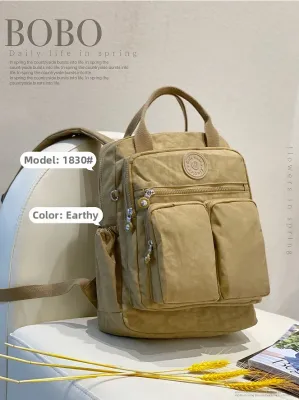
![[LIL BUBBA] WET BAG DIAPER POD BAG BABY CARRIER STORAGE POUCH LARGE MULTI PURPOSE](https://img.lazcdn.com/g/p/0ded3efddb6c6239227a1204b9dbc752.png_400x400q80.png_.webp)
Prices are valid at publication and may change. Please refer to the product page for the latest price.
External accessibility features are equally important for high-frequency items that you need to reach in seconds. D-rings or dedicated attachment loops allow you to clip pacifier pods, hand sanitizers, or toy straps directly to the outside of the bag. A built-in key leash inside an easily accessible pocket prevents you from fumbling at your front door while holding a sleeping infant. Some bags also feature a hidden, zippered security pocket on the back panel, which rests flat against your body to keep your wallet, passport, or transit cards safe yet accessible.
To ensure you are making an accurate comparison, always verify the physical dimensions and weight limits of the bag before purchasing. Do not rely solely on promotional photos, which can make a bag appear larger or smaller depending on the model’s height. Check the official product labels or the manufacturer’s website for the exact height, width, and depth measurements in centimeters. Furthermore, look for the empty weight of the bag; a heavy base weight will significantly limit how much gear you can comfortably carry once the bag is fully loaded.
Assessing Value Across Price Tiers
Evaluating the value of a baby bag requires looking past the price tag to examine the materials, construction quality, and functional features provided. In the Singapore market, baby bags generally fall into three distinct price tiers, each offering different trade-offs in terms of longevity and utility.

The budget tier, typically priced under S$50, consists primarily of basic polyester or lightweight nylon bags. These options provide essential storage compartments and are highly accessible for families seeking a straightforward, functional solution. However, the trade-offs often involve thinner interior linings, plastic zippers that may snag under pressure, and basic shoulder straps with minimal padding. While these bags are perfectly suitable for occasional use or short trips, they may show signs of wear, such as frayed seams or torn pockets, under the strain of daily use and heavy loads.
The mid-range tier, ranging from S$50 to S$150, is where most parents find the optimal balance of durability and practical features. Bags in this category are commonly constructed from high-density oxford nylon, water-resistant canvas, or lightweight neoprene. They feature reinforced stitching at key stress points, durable metal zippers, and robust thermal insulation in the bottle compartments. The shoulder straps are typically wider and padded with breathable mesh to enhance comfort during long walks. For daily commuting and regular outings, a mid-range bag often delivers the best long-term value per dollar spent.
The premium tier, priced above S$150, caters to parents who prioritize designer aesthetics, specialized materials, and modular organization. These bags are often crafted from premium vegan leather, top-grain leather, or high-performance sustainable fabrics that resist stains and water. They frequently include comprehensive accessory packages, such as matching insulated bottle bags, padded changing mats, and modular organizer inserts that can be used independently. Many premium brands also offer extended manufacturer warranties, providing peace of mind. The value in this tier lies not just in the immediate storage capacity, but in the bag’s ability to transition into a stylish work bag or travel carry-on once your child outgrows the need for diapers.
To identify genuine value and avoid paying a premium for marketing hype, always cross-reference prices across official brand stores and reputable online marketplaces. Be cautious of steep discounts on third-party platforms that seem too good to be true, as these products may lack local warranty coverage or official manufacturer support in Singapore. Compare the cost of included accessories; a mid-range bag that comes with a high-quality changing mat and stroller straps may ultimately offer better value than a cheaper bag that requires you to purchase these essential items separately.
Storage and Value Profiles of Popular Bag Styles
The style of baby bag you choose directly impacts how much gear you can carry and how comfortable you will be during daily activities. Understanding the inherent storage capabilities and cost-effectiveness of each primary style will help you select the best option for your lifestyle.
Backpacks are widely regarded as the most practical and high-value style for full-day outings. They offer the maximum storage capacity, with multiple compartments that allow you to organize diapers, spare clothes, toys, and feeding supplies systematically. Because a backpack distributes weight evenly across both shoulders, it minimizes physical strain on your back and neck, making it ideal for long walks through shopping malls or outdoor parks. Crucially, a backpack keeps both of your hands completely free, allowing you to push a stroller, carry your baby, or navigate public transport escalators safely. For parents who anticipate long, active days out, a high-capacity backpack offers exceptional utility and value.
Totes provide a classic, sophisticated look that appeals to parents who prefer a traditional handbag aesthetic. They feature a wide top opening that allows for quick, top-down access to your items, which is highly convenient when you need to grab a toy or pacifier quickly. However, totes can easily become disorganized if they lack structured interior pockets, leading to a cluttered main compartment where items are difficult to find. Carrying a heavily loaded tote on one shoulder can also cause muscle strain and physical discomfort over time. The value of a tote bag depends heavily on whether it includes high-quality organizer inserts or if you must purchase them separately to keep your gear organized.
Crossbody bags and diaper clutches represent the minimalist end of the storage spectrum. These compact options are designed specifically for quick errands, short trips to the neighborhood clinic, or dining out nearby. They offer minimal capacity, typically holding just one or two diapers, a travel-sized pack of wipes, a phone, and a set of keys. While they are highly portable and lightweight, they cannot serve as your primary bag for full-day excursions. They are best valued as supplementary accessories that provide convenience for specific, short-duration tasks rather than comprehensive storage solutions.
Decision Framework: Matching Features to Your Routine
Selecting the ideal baby bag requires a realistic assessment of your daily routine, physical comfort, and budget. By matching the bag’s structural features to your lifestyle, you can avoid purchasing a product that does not fit your practical needs.
Choose a backpack if your daily routine involves frequent use of public transport, long walks outdoors, or managing multiple children simultaneously. The hands-free mobility and even weight distribution are indispensable for navigating busy urban environments like Singapore’s MRT stations and crowded walkways. Look for models with wide, padded shoulder straps and a breathable back panel to ensure comfort in warm, humid weather.
Choose a tote bag if you primarily travel by car, make short visits to nearby cafes, or need a bag that transitions smoothly into a professional work environment. A tote is highly suitable if you prefer quick, unobstructed access to your belongings and do not need to carry heavy loads over long distances. To maximize its utility, ensure the tote features a secure zippered top closure to prevent items from spilling out when the bag is placed in a car seat or stroller basket.
Before making a final decision, always verify the bag’s empty weight and the quality of its strap padding. A bag that feels heavy before it is packed will quickly cause shoulder and back fatigue once loaded with water bottles, diapers, and spare clothing. If possible, examine the stitching where the straps attach to the main body of the bag, as these are the most common failure points under heavy loads.
Keep in mind that standard consumer baby bags are designed for typical daily essentials and may not be suitable for specialized requirements. If you need to carry temperature-sensitive medical equipment, specialized feeding devices, or require extreme weather protection for outdoor adventures, do not rely on standard diaper bags. In these situations, consult the manufacturer’s technical specifications or seek specialized medical transport gear to ensure the safety and integrity of your equipment.
Frequently Asked Questions (FAQ)
Do I need a dedicated baby bag or can I use a regular backpack?
While a regular backpack can certainly hold baby items, dedicated baby bags are specifically engineered to handle the unique demands of parenting. They feature specialized water-resistant linings that contain spills, insulated compartments to keep bottles at the correct temperature, and dedicated quick-access pockets designed specifically for baby wipes. These features help prevent accidental leaks from ruining your personal belongings and save valuable time during diaper changes. If you prefer to use a regular backpack you already own, purchasing a separate diaper bag organizer insert is a highly cost-effective alternative. These inserts add structured compartments to any standard bag, though they may not offer the same level of external accessibility or specialized insulation as a dedicated baby bag.
How do I maintain the storage compartments and zippers?
To preserve the value and functionality of your baby bag over time, establish a regular maintenance routine. Wipe down the interior lining weekly with a damp cloth and mild, baby-safe soap to remove crumbs, dust, and minor spills. This is particularly important for bottle pockets and food compartments to prevent the growth of mold and unpleasant odors, which can develop rapidly in Singapore’s humid climate. Regularly inspect the zipper tracks and clear out any accumulated lint, sand, or debris using a soft brush to ensure smooth operation. If a zipper begins to split or a seam tears, check the manufacturer’s warranty guidelines before attempting DIY repairs, and stop using the bag if structural damage compromises its ability to carry loads safely.
Community discussion
Share your experience or ask a question. Comments are reviewed before publication.