
Quick Answer: Is B&B the Best for Sensitive Skin?
When managing a baby’s sensitive skin or eczema in Singapore’s hot, humid climate, choosing the right laundry detergent is one of the most impactful daily decisions you can make. If you are considering B&B baby detergent (commonly searched by parents as b b baby detergent), the direct answer is that it can be an excellent choice, but its suitability depends entirely on your child’s specific skin triggers. No single brand is a universal cure-all for sensitive skin.
While B&B is highly regarded and widely available across Singapore, its effectiveness hinges on selecting the correct sensitive-skin or fragrance-free variant. If your baby suffers from severe, clinically diagnosed eczema, you must cross-reference any detergent’s ingredient list with pediatrician-recommended guidelines rather than relying solely on “baby-safe” labels.
For most households, the B&B fragrance-free formula provides a balanced combination of gentle plant-derived surfactants and excellent rinsability. This helps prevent the accumulation of chemical residues that typically irritate delicate skin barriers. However, parents must remain vigilant, monitor their baby’s skin reactions, and consult a medical professional if chronic irritation or eczema flare-ups persist.
Products mentioned in this guide
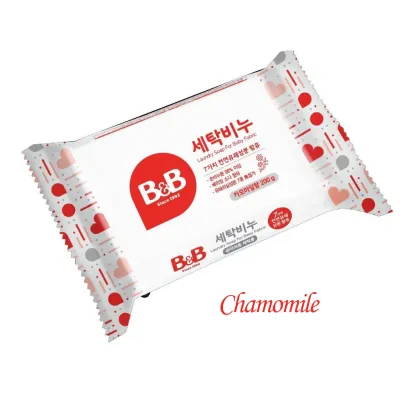
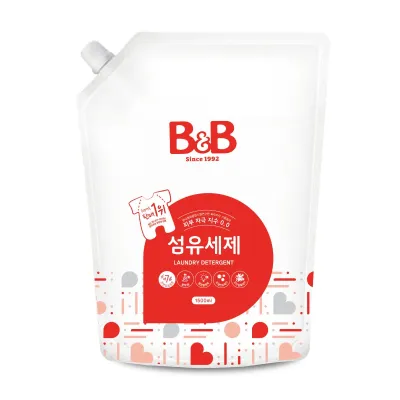
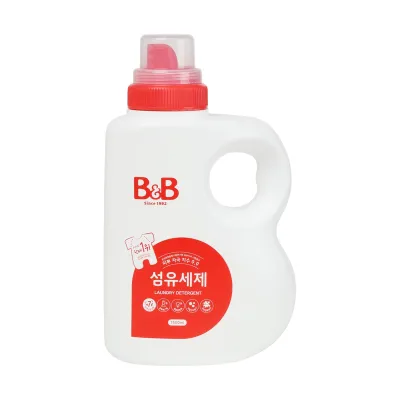
Prices are valid at publication and may change. Please refer to the product page for the latest price.
What Makes a Detergent Safe for Sensitive Skin?
To evaluate any baby detergent, parents must look past marketing buzzwords. Terms like “organic,” “natural,” or “dermatologically tested” are not standardized safety guarantees. Understanding what actually goes onto your baby’s clothes requires a closer look at the chemical formulation and how it interacts with delicate skin.

Ingredients to Avoid
The first step in label-reading is identifying potential contact allergens. Synthetic fragrances are the leading cause of cosmetic contact dermatitis. Even if a bottle smells like clean linen or lavender, those synthetic scent compounds can easily irritate a compromised skin barrier.
Artificial dyes, which serve no cleaning purpose, are another common trigger. Optical brighteners—chemicals designed to remain on fabric fibers to reflect light and make clothes look whiter—are notorious for causing skin irritation under constant friction.
Furthermore, harsh anionic surfactants like Sodium Lauryl Sulfate (SLS) or Sodium Laureth Sulfate (SLES) can strip the skin’s natural lipids, leading to dryness and flare-ups. Parents should also note that “natural” essential oils, such as lavender, citrus, or tea tree oil, are not inherently safe; they contain natural volatile compounds that can trigger allergic reactions in highly sensitive skin.
Preservatives are another category to watch closely. While necessary to prevent bacterial growth in liquid detergents, certain preservatives like methylisothiazolinone (MIT) or benzisothiazolinone (BIT) are known sensitizers. Always check the ingredient list for these compounds if your baby has reactive skin.
Formulation Features to Look For
Instead of harsh chemicals, look for detergents formulated with mild, plant-based surfactants. Surfactants derived from coconut or corn, such as alkyl polyglucosides (e.g., decyl glucoside or coco glucoside), clean effectively without stripping the skin’s moisture barrier.
The formula should ideally have a neutral or slightly acidic pH to match and respect the baby’s delicate skin barrier. Crucially, seek out products explicitly labeled “fragrance-free” rather than “unscented.” An “unscented” product may still contain chemical masking agents used to neutralize the smell of raw ingredients, whereas “fragrance-free” indicates that no scent chemicals have been added.
Additionally, look for established, independent dermatological or pediatric safety certifications printed on the packaging. These seals indicate that the formulation has undergone patch testing under controlled conditions, providing an extra layer of reassurance for worried parents.
The Importance of Rinsability
In Singapore’s humid climate, babies sweat frequently, which opens their pores and makes their skin more vulnerable to external irritants. When sweat mixes with detergent residues trapped in fabric fibers, it creates a highly irritating chemical paste against the skin. This makes rinsability a critical factor.
High-sudsing detergents often leave behind a microscopic layer of surfactants on clothes, even after a full rinse cycle. Low-sudsing, highly water-soluble formulas are essential because they rinse away completely, leaving nothing behind to irritate your baby’s skin.
Opting for liquid detergents over powders can also improve rinsability. Liquid formulas dissolve completely in both cold and warm water, whereas undissolved powder particles can easily become trapped in the seams of baby onesies and cause localized rashes.
Evaluating B&B Baby Detergent for Sensitive Skin
B&B (often written as b b in baby care discussions) is a prominent household name in Singapore’s baby care market. Originating from South Korea, the brand has built its reputation on offering baby-specific hygiene products. However, to determine if B&B is the right fit for your baby’s sensitive skin, you must look closely at its specific variants and formulation characteristics.
Not all B&B detergents are created equal. The brand offers multiple formulations, including scented variants that feature mild, allergen-free fragrances. While these may be perfectly fine for babies with normal skin, they can still pose a risk to infants with active eczema or hyper-sensitive skin barriers.
When shopping in Singapore, you must specifically look for the fragrance-free or ultra-sensitive variants of the B&B baby detergent line. These variants are formulated without the botanical extracts or mild perfumes found in their standard baby laundry products.
Before purchasing, perform a quick bottle check:
- Verify the ingredients: Check the back label to ensure there are no added synthetic perfumes, dyes, or optical brighteners.
- Look for safety seals: Identify any dermatological test marks or hypoallergenic certifications on the packaging.
- Check the concentration: B&B detergents are often highly concentrated. Using the standard adult capful will lead to over-concentration, causing excessive suds that fail to rinse out. Always follow the manufacturer's precise dosage instructions based on your load size to prevent residue buildup.
Additionally, consider the water hardness in your area. Singapore’s tap water is generally soft, which means you actually need less detergent to achieve a clean wash compared to regions with hard water. Over-dosing B&B detergent in soft water will compound the risk of residue, making strict adherence to dosage instructions even more critical.
B&B vs. Other Popular Brands in Singapore
To help you make an informed decision, it is helpful to compare B&B against the general categories of baby and sensitive-skin detergents available in Singapore’s supermarkets and online marketplaces.
| Brand Category | Typical Formulation Focus | Key Label Claims to Verify | Best Suited For |
|---|---|---|---|
| B&B (b b) | Plant-based, low-sudsing, baby-specific formulation | Fragrance-free variant, hypoallergenic certified | Parents seeking a reliable, widely accessible baby brand with excellent rinsability |
| Premium Imported Organic Brands | Certified organic plant extracts, zero synthetic preservatives | USDA Organic, Ecocert, or equivalent certifications | Babies with severe eczema or known sensitivities to synthetic preservatives |
| Mainstream Supermarket Baby Brands | Budget-friendly, standard baby-safe ingredients | "Gentle on skin," "Dermatologically tested" | Babies with normal to mildly sensitive skin who do not react to mild fragrances |
| Adult Sensitive-Skin Brands | Fragrance-free, dye-free, high-volume household formulas | "No dyes or perfumes," "Approved by dermatologists" | Families washing baby and adult clothes together to save time and cost |
While premium imported organic brands often boast stricter ingredient exclusions, they come at a significantly higher price point in Singapore. These premium brands are usually sold in boutique baby stores or specialized organic aisles, making them less convenient to purchase during a regular grocery run.
Conversely, mainstream adult sensitive brands offer excellent value for money and are highly effective at rinsing clean, but they may lack the specific pH-balancing properties designed for newborn skin. They are also formulated to tackle adult-sized stains, which means their surfactant blend might be slightly stronger than necessary for a baby’s delicate garments.
B&B occupies a practical middle ground. It provides a specialized baby-focused formulation that is more affordable and accessible than premium imports, while offering better skin-barrier protection than generic adult detergents. Remember, a higher price tag or an “organic” label does not automatically guarantee that a competitor’s product is free from contact allergens; always verify the exact ingredient list.
Decision Framework: Choosing the Right Detergent
To choose the right laundry detergent for your household, match your baby’s skin condition and your lifestyle against these clear, condition-based guidelines:
- Choose B&B if: You want a dedicated, highly accessible baby brand in Singapore that offers excellent rinsability and a dedicated fragrance-free variant, and your baby has mild to moderate skin sensitivity. It is a highly practical choice for parents who want to balance cost, convenience, and specialized baby care.
- Choose a Premium Imported Brand if: Your baby has been clinically diagnosed with severe eczema or contact dermatitis, and your pediatrician has recommended a medical-grade, preservative-free formulation that standard commercial baby brands cannot provide. Be prepared for a higher cost per wash and limited retail availability.
- Choose a Mainstream Adult Sensitive Brand if: You prefer to wash the entire family's laundry together in one load to save time and utility costs, provided you select a strictly fragrance-free, dye-free formula and use an extra rinse cycle. This is the most economical path for large households.
- Verify first if: Your baby has a known allergy to specific plant extracts, botanical ingredients (like coconut-derived surfactants), or cleaning enzymes. In such cases, you must meticulously cross-check the ingredient list of any brand, regardless of how "gentle" or "natural" the marketing claims it to be.
If your baby’s skin continues to show signs of irritation, redness, or dryness despite switching to a fragrance-free detergent, stop using the product immediately. Consult a pediatrician or pediatric dermatologist to identify potential underlying triggers, as the issue may stem from fabric types, environmental allergens, or other skincare products rather than the detergent itself.
Best Practices for Washing Baby Clothes
Even the safest detergent can cause skin irritation if used incorrectly. To protect your baby’s sensitive skin, implement these practical laundry habits:
- Practice Strict Dosage Control: More detergent does not mean cleaner clothes. Overusing detergent creates excess suds that trap dirt and chemical residues within the fabric fibers. Always use the measuring cap and adhere strictly to the manufacturer's recommended dosage for your load size.
- Use the Extra Rinse Cycle: Most modern washing machines in Singapore feature an "extra rinse" or "baby care" setting. Utilize this function to ensure all traces of surfactants are completely flushed out of the clothing fibers, especially when washing thick items like swaddles or bedsheets.
- Separate Baby and Adult Laundry: Avoid washing your baby's clothes with adult garments that have been treated with heavily fragranced adult detergents, fabric softeners, or harsh stain removers. This prevents cross-contamination of chemical residues inside the washing machine drum.
- Perform a Patch Test: When switching to a new detergent like B&B, wash just one or two baby garments first. Let your baby wear the washed garment for a day while monitoring their skin for any redness, dryness, or irritation before washing their entire wardrobe.
- Clean Your Washing Machine Regularly: Over time, mold, mildew, and detergent residue can build up in your washing machine's drum and detergent drawer. Run a hot-water cleaning cycle once a month to keep the machine sanitary, ensuring no mold spores transfer onto your baby's freshly washed clothes.
Frequently Asked Questions (FAQ)
Can I use regular adult sensitive detergent for my baby?
Yes, you can use certain adult sensitive detergents, provided they are completely fragrance-free and dye-free. However, keep in mind that some adult formulas contain stronger enzymes or specialized surfactants designed to break down heavy adult stains and sweat. These stronger cleaning agents can sometimes be too harsh for a newborn’s delicate, thin skin barrier. If you choose an adult sensitive detergent, monitor your baby’s skin closely and consult a pediatrician if you notice any signs of irritation.
Do I need a separate fabric softener for baby clothes?
No, you should avoid using standard liquid fabric softeners on baby clothes. Fabric softeners work by leaving a chemical film over the fabric fibers to make them feel smooth. This film can trap heat and sweat—a major trigger for eczema in Singapore’s humid climate—and often contains heavy synthetic fragrances that irritate sensitive skin. To keep baby clothes soft naturally, consider using 100% wool dryer balls or simply rely on the gentle, low-residue formulation of your chosen baby detergent.
Community discussion
Share your experience or ask a question. Comments are reviewed before publication.